
Hang Art Slightly Off Center
Off-center art can make a room feel more collected when the rest of the composition balances it. Try shifting a framed piece to one side of a console, sofa, or bed, then counter it with a lamp, tall vase, or stack of books on the opposite side. The effect should look intentional, not poorly measured, so the negative space matters. This move works especially well with modern and transitional furniture because it loosens the symmetry without turning the room chaotic. Keep the frame size generous and the palette related to the room. A small asymmetry can make familiar furniture feel styled by hand. Use painter's tape first so the offset placement can be adjusted before any holes are made.

Turn a Corner Into a Tiny Gallery
A forgotten corner can become a quiet gallery moment with one chair, one art piece, and one light source. The arrangement does not need to be large; in fact, a compact composition often feels more personal. Choose a small lounge chair or stool, place a framed artwork above or beside it, and add a floor lamp or wall sconce. Keep the palette tight so the corner belongs to the larger room. This idea works in bedrooms, hallways, landings, and living rooms where empty space tends to attract clutter. Give the corner a purpose and it stops feeling leftover. A tiny rug or textured mat can help the corner read as a destination rather than an accidental gap.

Use a Bar Cart as a Styling Surface
A bar cart does not have to be packed with bottles to be useful. Treat it as a mobile styling surface for glassware, a tray, a small plant, cocktail tools, and perhaps one sculptural vessel. The lower shelf can hold books, folded napkins, or a closed box for practical extras. Choose a cart with good wheels and a finish that relates to the room's hardware. The key is editing; a crowded cart looks like storage, while a composed one feels hospitable. In a dining room, living room, or study, it adds a little sparkle and makes entertaining feel easier. Leave a little empty space on the top shelf so glasses can be lifted without disturbing the arrangement.
Lean a Large Mirror Instead of Hanging It
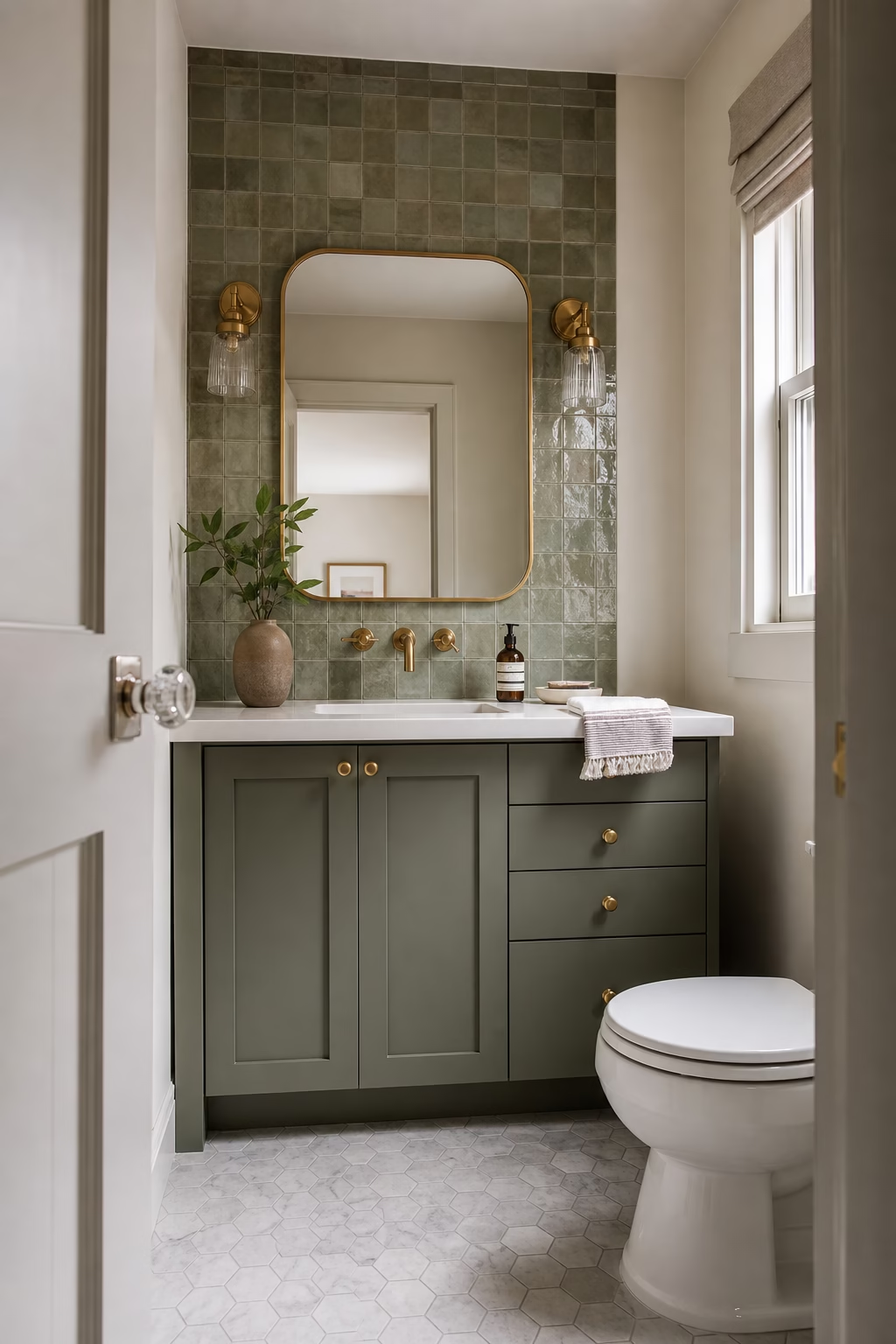
A leaning mirror brings relaxed drama to a room while making the ceiling feel higher. Use a generous frame and place it where it reflects daylight, a plant, or a good piece of furniture rather than a busy doorway. Safety still matters: secure the mirror with proper anti-tip hardware even if the look is casual. This idea suits bedrooms, dressing areas, entries, and living rooms where wall mounting would feel too formal. The floor contact gives the room a studio-like ease. Pair it with one low object nearby, such as a stool or basket, so the vertical scale feels grounded. The mirror should sit on a level floor; even a slight lean looks more graceful when the base is stable.
Make Bookshelves Tell a Color Story
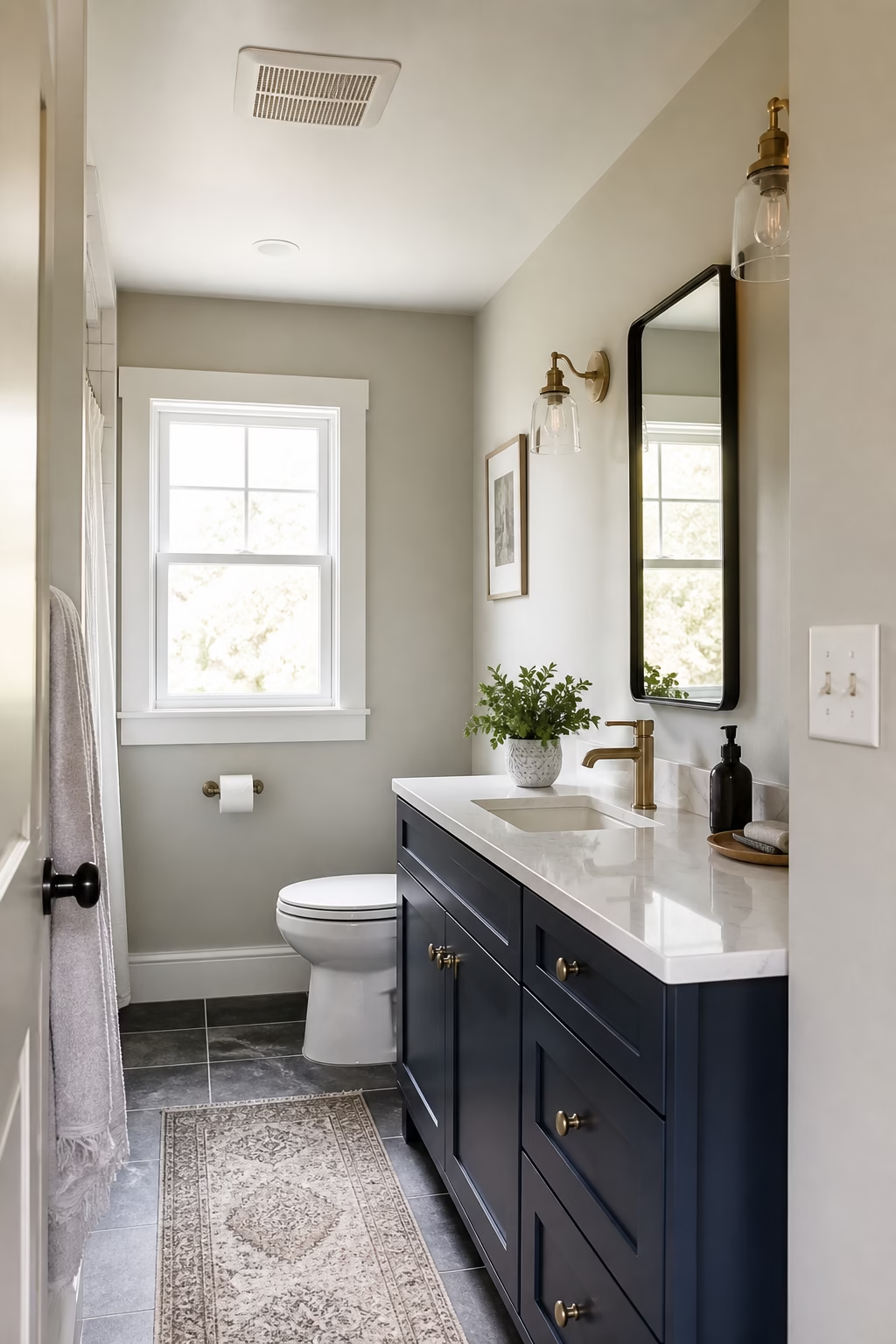
Bookshelves can carry color in a sophisticated way when the tones are grouped thoughtfully. Instead of strict rainbow sorting, pull together families that suit the room: warm neutrals, greens and blues, black and white, or clay and rust. Mix vertical books with horizontal stacks so the shelf keeps a natural rhythm. Add a few ceramics, framed pieces, or boxes where the color needs a pause. Do not remove every sign of use; the shelves should still feel like they belong to someone who reads. A color story gives order without making the display feel sterile. Tuck practical paperbacks into lower shelves so the most visible rows can carry the strongest color rhythm.
Place a Small Lamp in the Kitchen
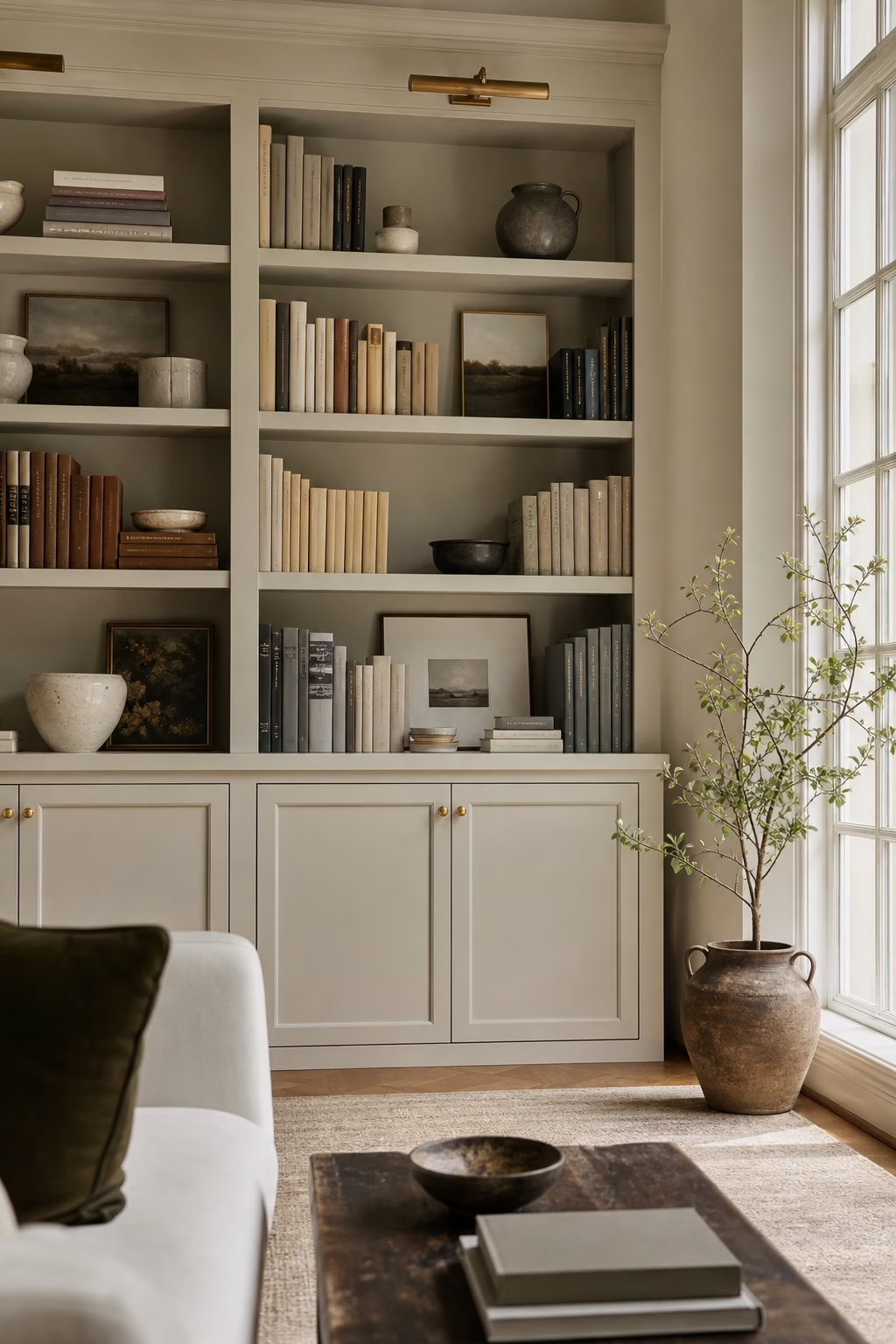
A small lamp in the kitchen changes the mood immediately, especially in the evening when overhead lights feel too harsh. Set it on a counter corner, open shelf, or butler's pantry surface where it will not interfere with prep work or water. Choose a ceramic, metal, or glass base and a shade that can handle the room's practical nature. The lamp should glow warmly, not flood the space. This simple idea makes the kitchen feel connected to the rest of the home rather than purely functional. It is especially effective in open layouts where the kitchen is always visible. Use a low-watt bulb and a washable shade so the lamp remains charming without becoming impractical.
Mix One Vintage Piece With Clean Furniture
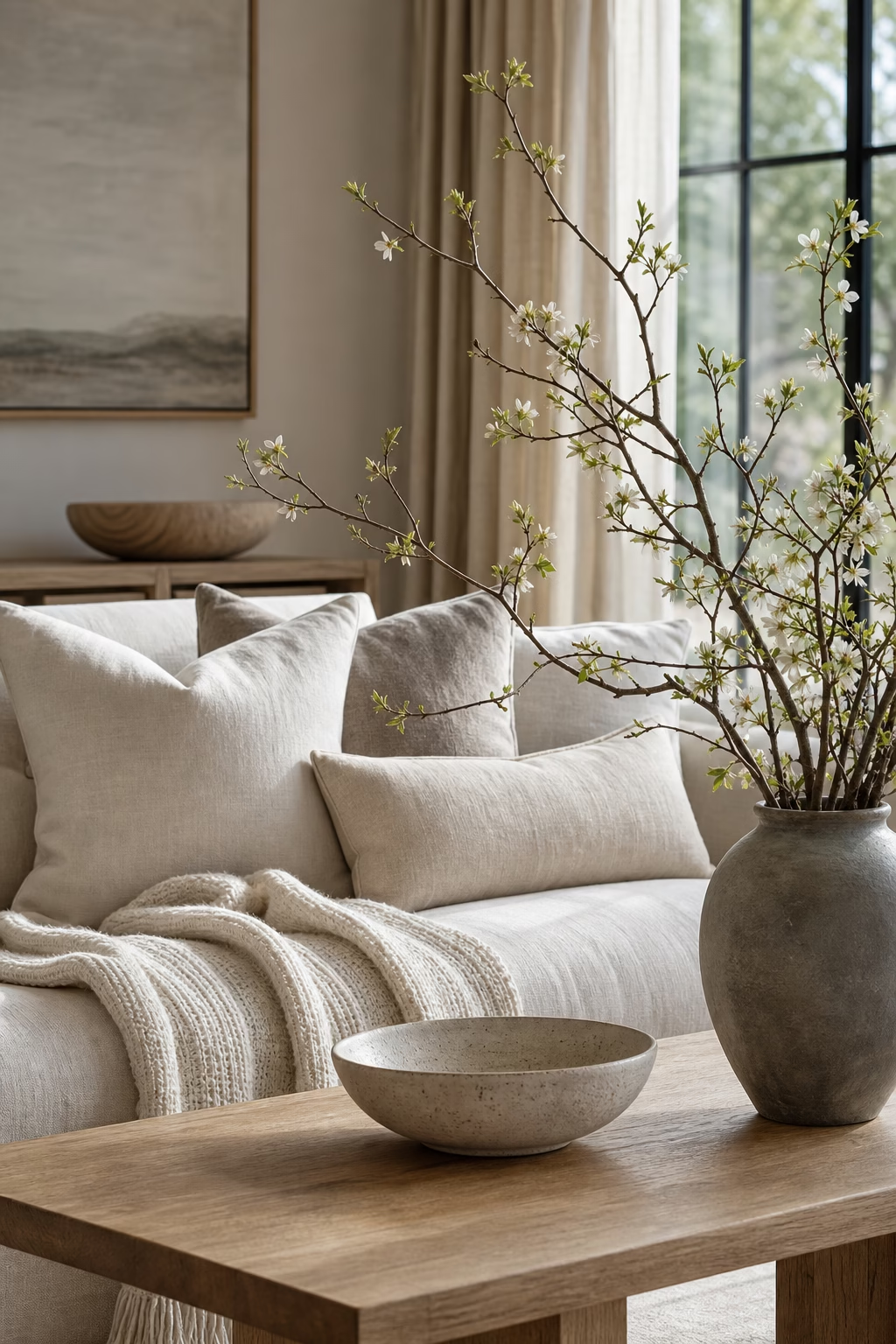
A single vintage piece can keep a stylish home from feeling purchased all at once. Try an old stool beside a modern tub, a patinated side table next to a clean sofa, or a vintage ceramic on a new console. The contrast works when the older piece has breathing room and a practical role. Avoid filling the room with unrelated antiques unless that is the central style. One object with age brings texture, story, and a sense of time. Modern furniture often looks more expensive when it has something imperfect nearby to soften its precision. Let the vintage finish show some wear; over-polishing can erase the character that made the piece worth using.
Frame Fabric as Wall Decor
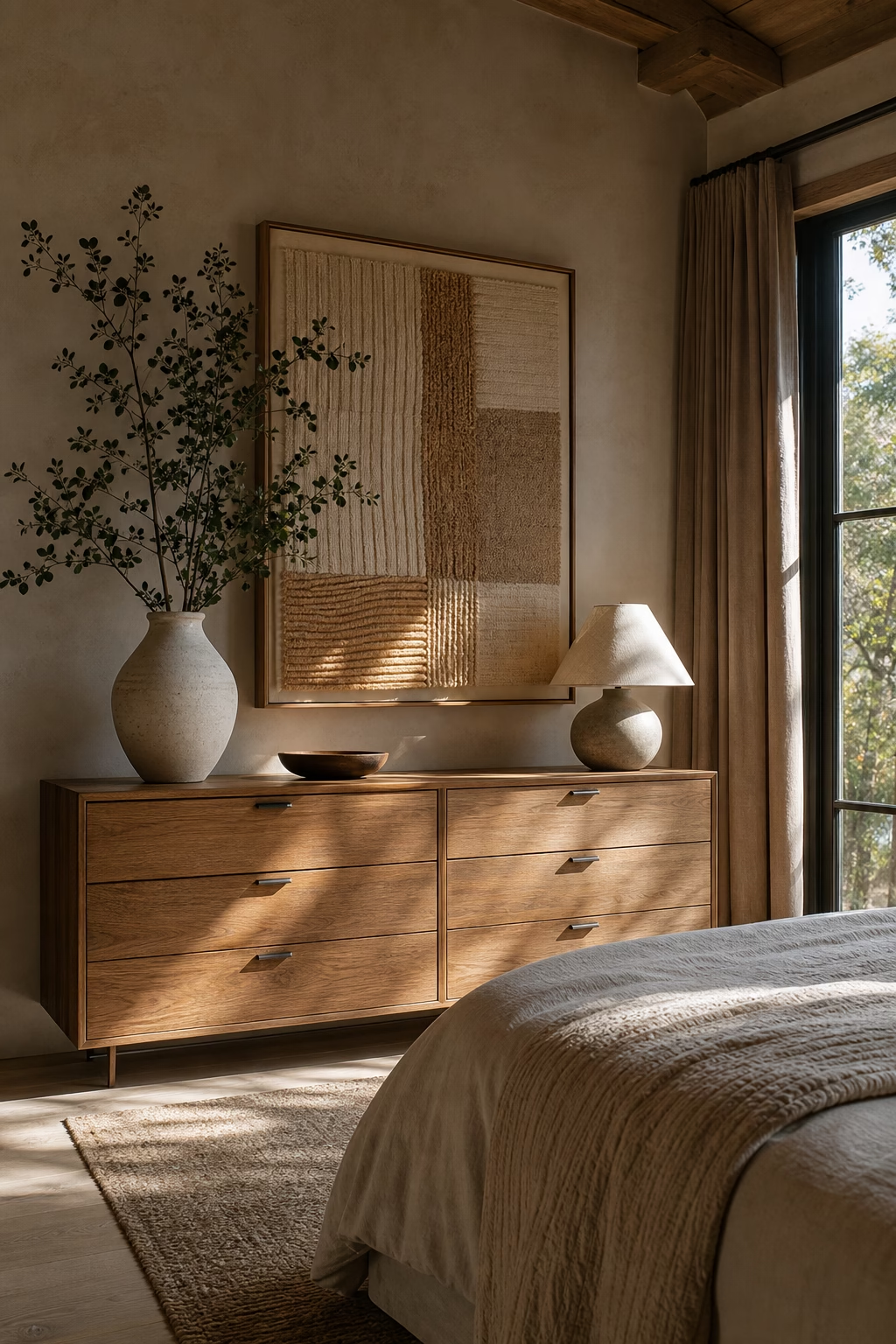
Textiles can make a wall feel warmer than paper or canvas art. Frame a fragment of handwoven fabric, an antique scarf, a small quilt panel, or a piece of embroidered linen in a simple shadow box. The texture brings softness and craft, especially in bedrooms, dining rooms, and hallways. Keep the frame clean so the fabric does not read as a craft project. This idea is useful when the room needs pattern but not another painted image. Choose textiles with colors already present in the room, then let the weave be the detail people notice up close. A wide mat can make the textile feel museum-worthy while protecting delicate edges from the glass.
Use a Pedestal for One Sculptural Object
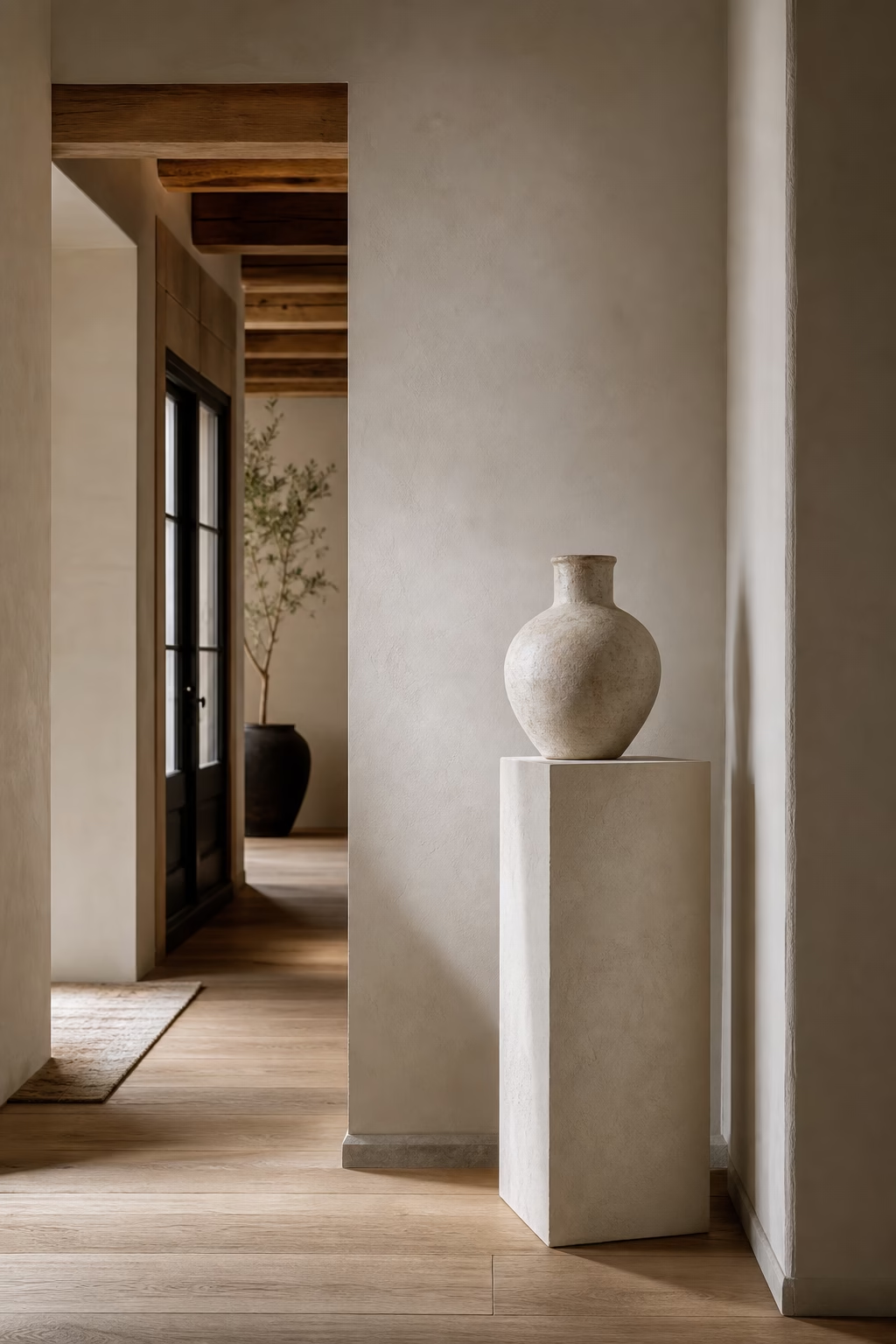
A pedestal makes a single object feel important, which is why it can be more powerful than a crowded table. Place a ceramic vessel, carved wood form, stone sculpture, or large plant on a simple pedestal in an entry, hallway, or living room corner. The pedestal should be stable, well proportioned, and related to nearby materials. Leave space around it so people can see the shape from more than one angle. This idea borrows from galleries but works in real homes when the object has warmth. It creates a focal point without adding visual clutter. If the object is fragile, place the pedestal outside the main traffic path so the display still feels relaxed.
Layer Two Different Pillow Shapes
Pillows look more creative when shape is considered as much as fabric. Pair square pillows with a long lumbar, a round cushion, or a small bolster instead of using identical sizes across the sofa. Keep the palette connected so the mix feels tailored. Texture can do much of the work: linen, velvet, wool, boucle, and embroidered cotton each catch light differently. The arrangement should still leave room to sit, so edit the number before the sofa becomes a display shelf. A slight change in shape can make a familiar sofa feel custom and more thoughtfully styled. Keep pillow inserts full and corners crisp, because mixed shapes look best when the tailoring is intentional.

Create a Console With Uneven Heights
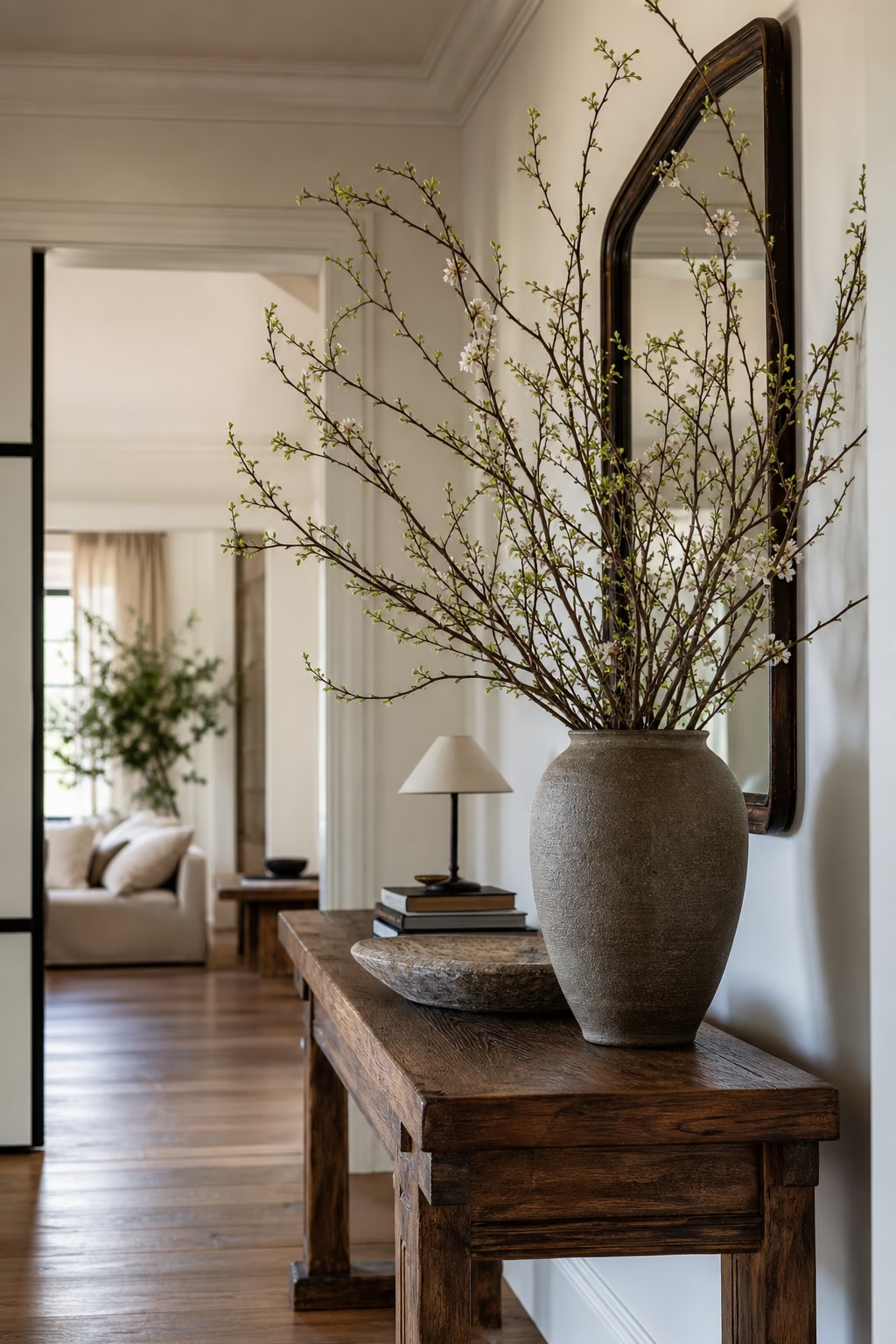
A console vignette becomes more interesting when the heights rise and fall. Start with one tall element, such as a lamp, artwork, or branch arrangement. Add a medium object, like a vase or stack of books, then finish with a low tray or bowl. The pieces should overlap visually without blocking one another. Keep one side heavier and the other side quieter to avoid a stiff lineup. This approach works in entries, living rooms, dining rooms, and hallways because it creates rhythm from a distance. The surface feels styled, but still calm enough for daily use. Photograph the console from the doorway; the camera quickly exposes awkward gaps or crowding.
Try a Monochrome Table Setting
A monochrome table setting can look creative when the textures carry the interest. Choose one color family, such as warm white, charcoal, olive, blush, or clay, then vary linen, ceramic, glass, and metal within it. The plates do not need to match exactly if the tones relate. Add a low centerpiece in the same family so the table feels cohesive rather than theme-driven. This works for everyday dining as well as guests because it is simple to assemble and easy to adapt. The result feels elegant, modern, and quietly intentional without relying on a busy tablescape. Use one contrasting texture, such as ribbed glass or matte stone, to keep the monochrome setting from feeling flat.
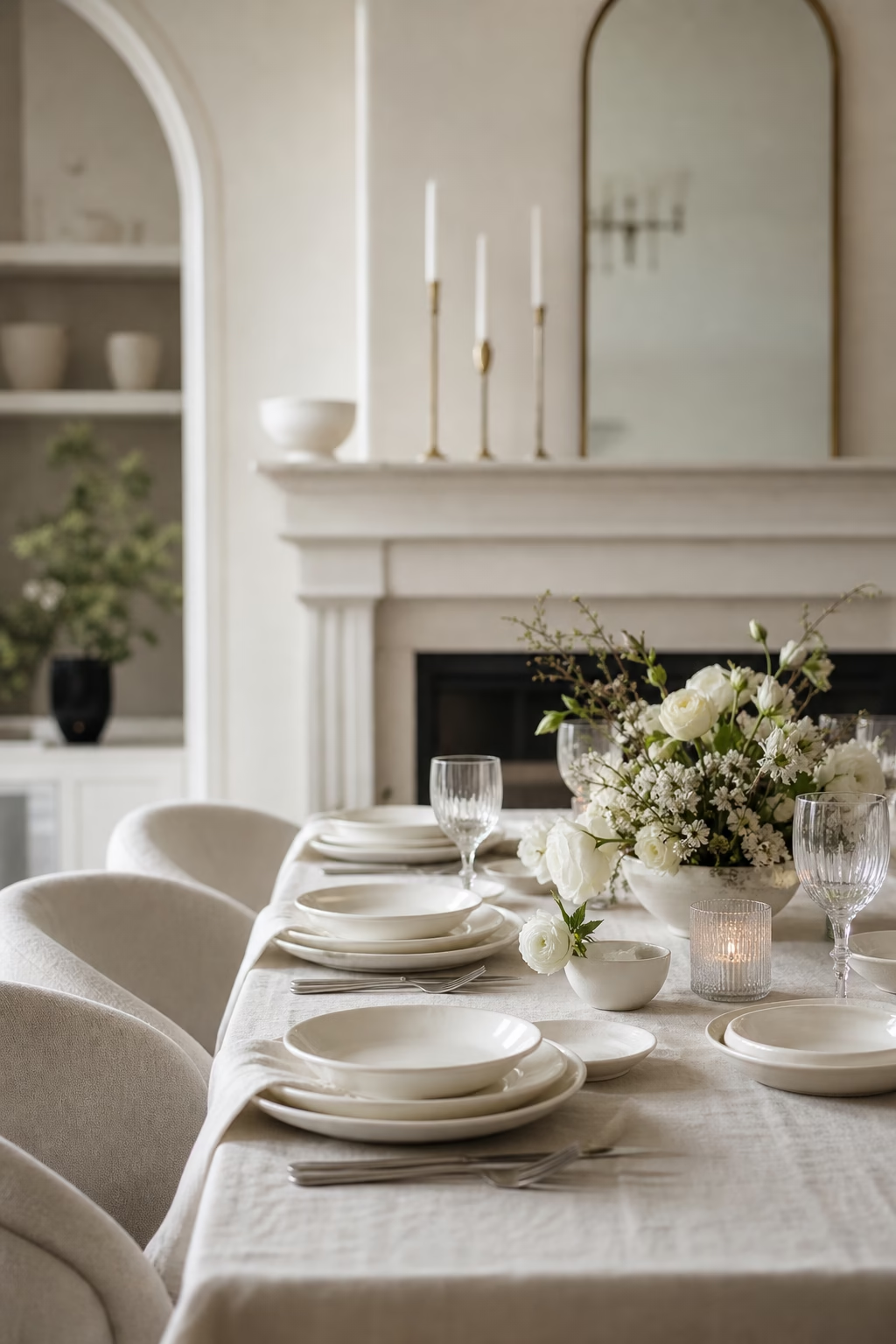
Use a Picture Light in an Unexpected Spot
A picture light does not have to live only above formal art. Try one over a bookshelf, small textile, hallway niche, or even a beautiful mirror. The focused glow gives the area importance and adds another lighting layer at night. Choose a finish that relates to nearby hardware and keep the scale appropriate to the object below it. This is especially useful in rooms that feel flat after sunset. A picture light turns a simple wall into a designed moment and makes humble objects look more deliberate. It is decorative, but it also solves a real lighting problem. The light should graze the object softly rather than glare, so dimming or low-output bulbs are worth considering.

Make a Window Ledge Work Harder
A window ledge can become a small decorative shelf if it is styled with restraint. Use one plant, one ceramic object, or a low stack of books rather than a row of unrelated pieces. Keep the arrangement low so it does not block light or make the window hard to open. A stone, tile, or painted ledge looks especially good with natural materials. In kitchens, bathrooms, and bedrooms, this surface can bring charm without requiring new furniture. The ledge should look intentional from inside the room and still allow the window to do its main job: bring in daylight. Clean the glass and sill regularly, since dust is far more visible when sunlight becomes part of the styling.

Pair Glossy and Matte Finishes
Rooms become more layered when finishes contrast quietly. Pair a matte plaster wall with a glossy ceramic lamp, a honed stone table with polished metal, or a lacquer tray on a raw wood surface. The difference catches light without needing more color or pattern. Keep the palette simple so the finish contrast can be noticed. This approach is especially helpful in neutral rooms that risk feeling flat. A few glossy notes give energy, while matte surfaces keep the space grounded. The balance should feel tactile, as though each object was chosen for how it behaves in changing light. Repeat each finish at least once nearby so the contrast feels layered rather than accidental.

Use a Stool as a Flexible Decor Piece
A small stool is one of the most versatile pieces in a stylish home. It can sit beside a bathtub, hold books next to a chair, act as a plant stand, or become a temporary side table when guests arrive. Look for a strong material: carved wood, ceramic, stone, woven fiber, or metal with a beautiful patina. The stool should be sturdy enough for real use and small enough to move. Because it travels easily, it helps a room adapt without adding bulky furniture. This kind of flexible decor feels casual, but the right piece adds character everywhere it lands. A stool with a flat top is the most useful choice if it will hold cups, books, or bath supplies.
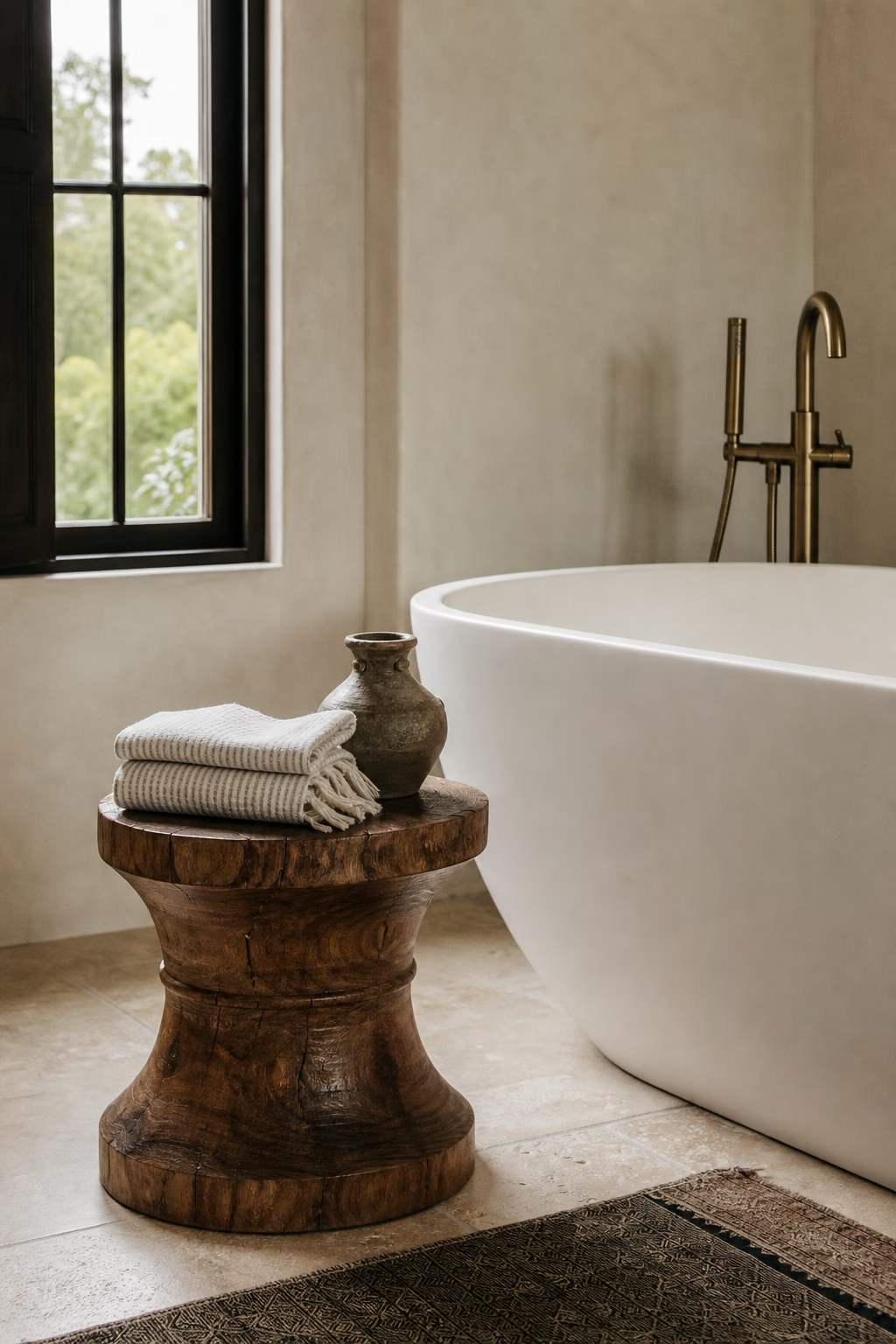
Build a Mood With Candlelight
Candlelight gives a stylish home softness that electric light cannot fully imitate. Use candle holders in materials that suit the room: brass for warmth, stone for weight, glass for sparkle, or ceramic for quiet texture. Group them where the glow can be enjoyed safely, such as a mantel, dining table, coffee table tray, or bathroom ledge away from fabrics. Vary heights slightly and keep the surrounding decor simple. Even unlit, beautiful candle holders add vertical rhythm. When lit, they make a room feel slower, warmer, and more intimate without requiring any permanent design change. Keep flames well away from curtains, greenery, and shelves, and use realistic flameless candles where clearance is tight.

Decorate With Useful Glassware
Glassware can be decorative when it is visible, edited, and genuinely used. Open shelves, a bar cabinet, or a dining room sideboard can hold a small group of coupes, tumblers, carafes, or colored glasses. Keep the arrangement clean and give each piece room to catch the light. Clear glass feels crisp, while amber, smoke, or pale green adds a subtle color note. Avoid displaying every mismatched cup in the house. A thoughtful glassware moment makes entertaining easier and gives the room a little sparkle, especially near a lamp or window. Glassware looks best when grouped by height or tone, leaving enough room for each rim to catch light.
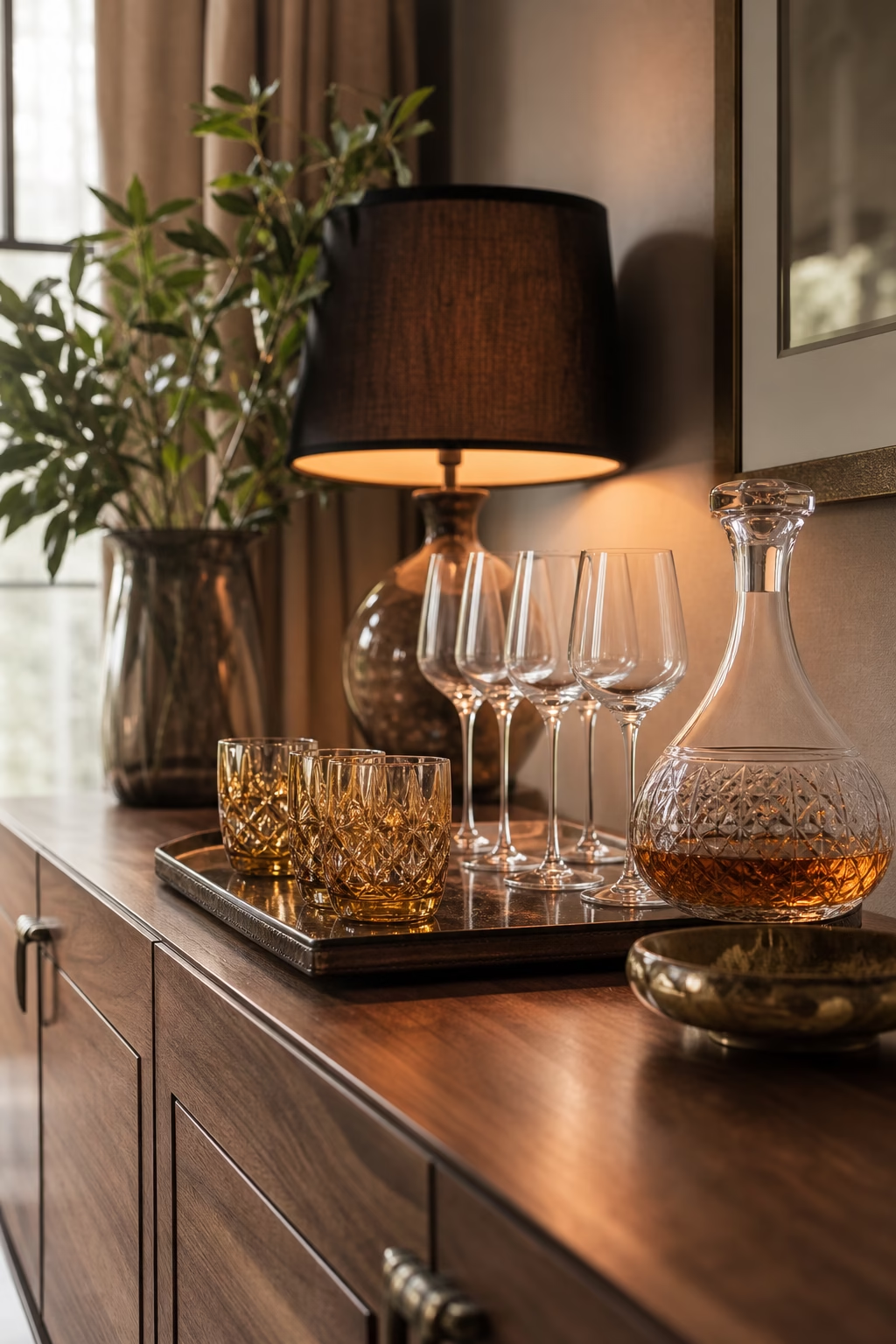
Create a Reading Stack Beside a Chair
A reading stack can make a chair feel inviting before anyone sits down. Place two or three books on a small table, stool, or the lower shelf of a side table, then add a lamp within reach. The books should relate to real interests, not only matching covers. Add a coaster or small dish if the spot is used for tea or coffee. This tiny arrangement gives an unused chair a purpose and helps the room feel lived in. Stylish homes are not just arranged for viewing; they suggest small rituals that make the space enjoyable. Change the stack seasonally so the corner keeps reflecting what you are actually reading and noticing.
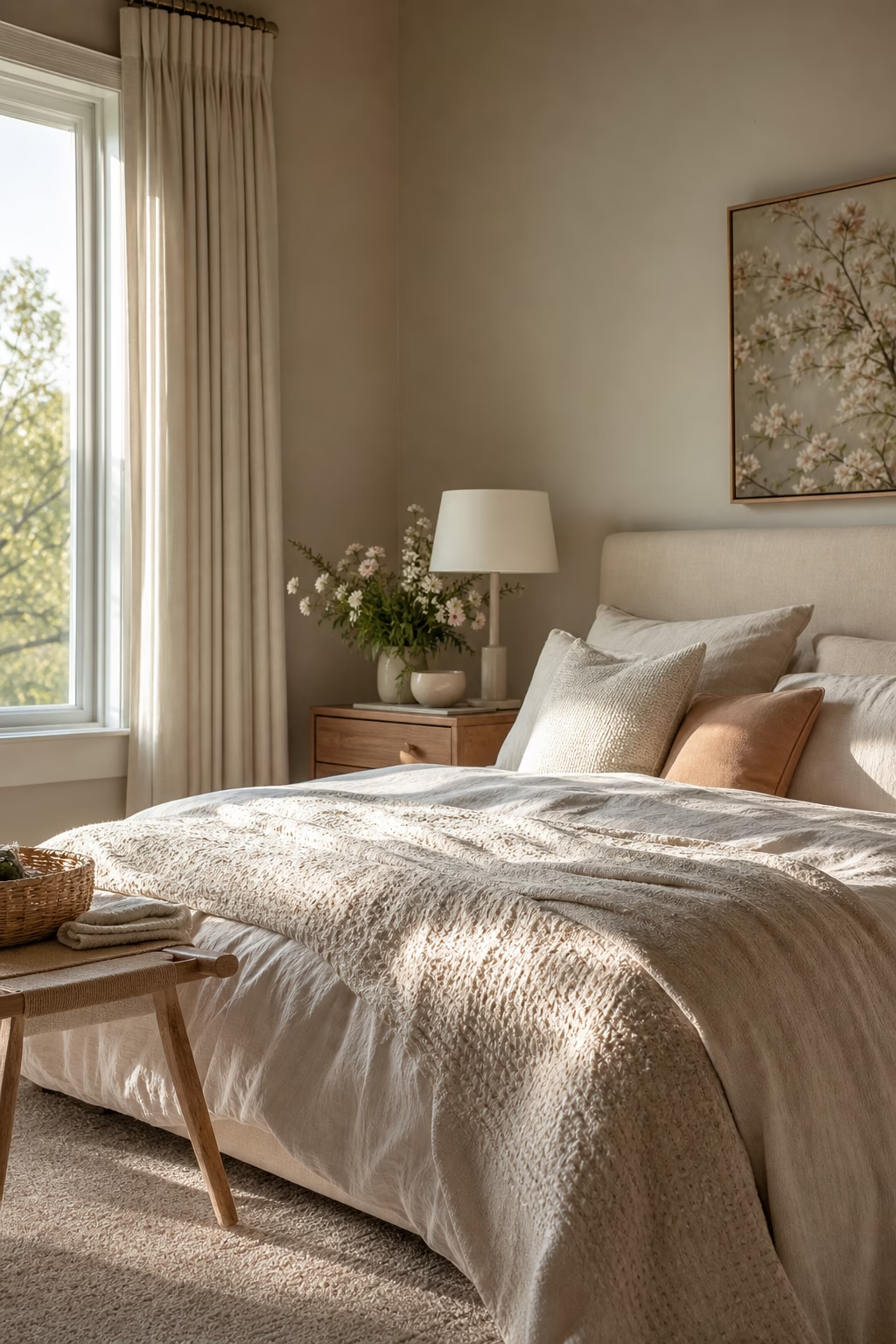
Let One Bold Pattern Stay Contained
A bold pattern can make a stylish home feel alive when it is given a clear boundary. Use it on one ottoman, a pair of pillows, a framed textile, a lampshade, or a small rug rather than across every surface. Keep surrounding colors quieter so the pattern looks intentional. This approach is useful for people who like personality but do not want a room to feel visually loud. The contained pattern becomes a feature instead of a theme. It can also be changed later without repainting walls or replacing large furniture, which makes the risk much easier to take. Anchor the pattern with one repeated color elsewhere, even if it appears only in a book spine or vase.
Use a Tray on the Bed for Morning Rituals
A bed tray can be decorative when it supports an actual ritual: coffee, reading, journaling, or a slow weekend breakfast. Choose a wood, rattan, lacquer, or stone-topped tray that feels stable on soft bedding. Keep the styling simple with a cup, small vase, linen napkin, or book. The tray should not live permanently in the middle of the bed, but it can sit on a bench or nightstand when not in use. This small detail makes a bedroom feel more personal and considered. It is decoration tied to a moment, which is often the most memorable kind. Store the tray nearby rather than on the bed all day, so the ritual feels fresh when used.

Make Bathroom Storage Look Like Decor
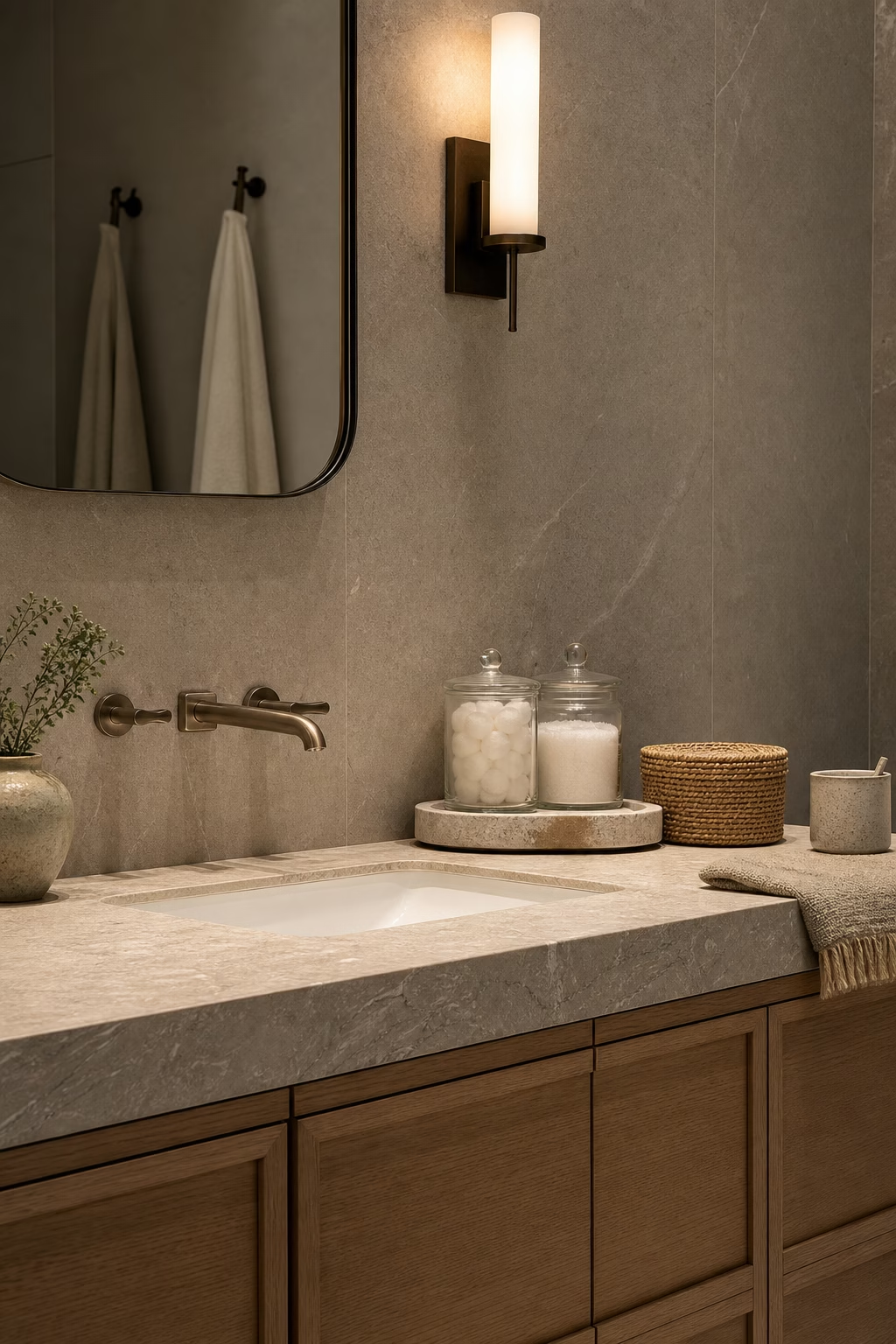
Bathroom storage can be stylish when the containers are chosen as carefully as the fixtures. Use lidded jars, stone trays, woven baskets, and ceramic cups to hold the items that must remain visible. Keep product labels tucked away when possible and group daily essentials by use. A small shelf or vanity corner can look polished with only a hand towel, soap, lotion, and one vessel. The materials should tolerate moisture and clean easily. When storage looks deliberate, the bathroom feels calmer and more luxurious, even if the room is modest in size. Choose containers with lids for less attractive necessities and open vessels only for the pieces used daily.
Finish With Something Personal but Edited
The most stylish rooms usually include something personal, but the editing is what keeps it elegant. Choose one travel object, inherited piece, handmade bowl, framed note, or meaningful photograph and give it a proper place. Do not scatter every sentimental item across the room at once. A personal object looks stronger when paired with quieter materials and enough space around it. This is how a home avoids looking like a showroom. The room still feels polished, but there is evidence of a life being lived inside it. That small amount of specificity is often what people remember. Edit sentimental pieces with care; one meaningful object deserves enough space to be seen properly.
