
Curtains shape a living room before any accessory does. They control daylight, soften architecture, improve privacy, and decide whether a window feels accidental or beautifully resolved. These ideas focus on proportion, fabric, hardware, lining, and light so the room feels polished from morning through evening.
Hang Panels High Enough to Change the Room
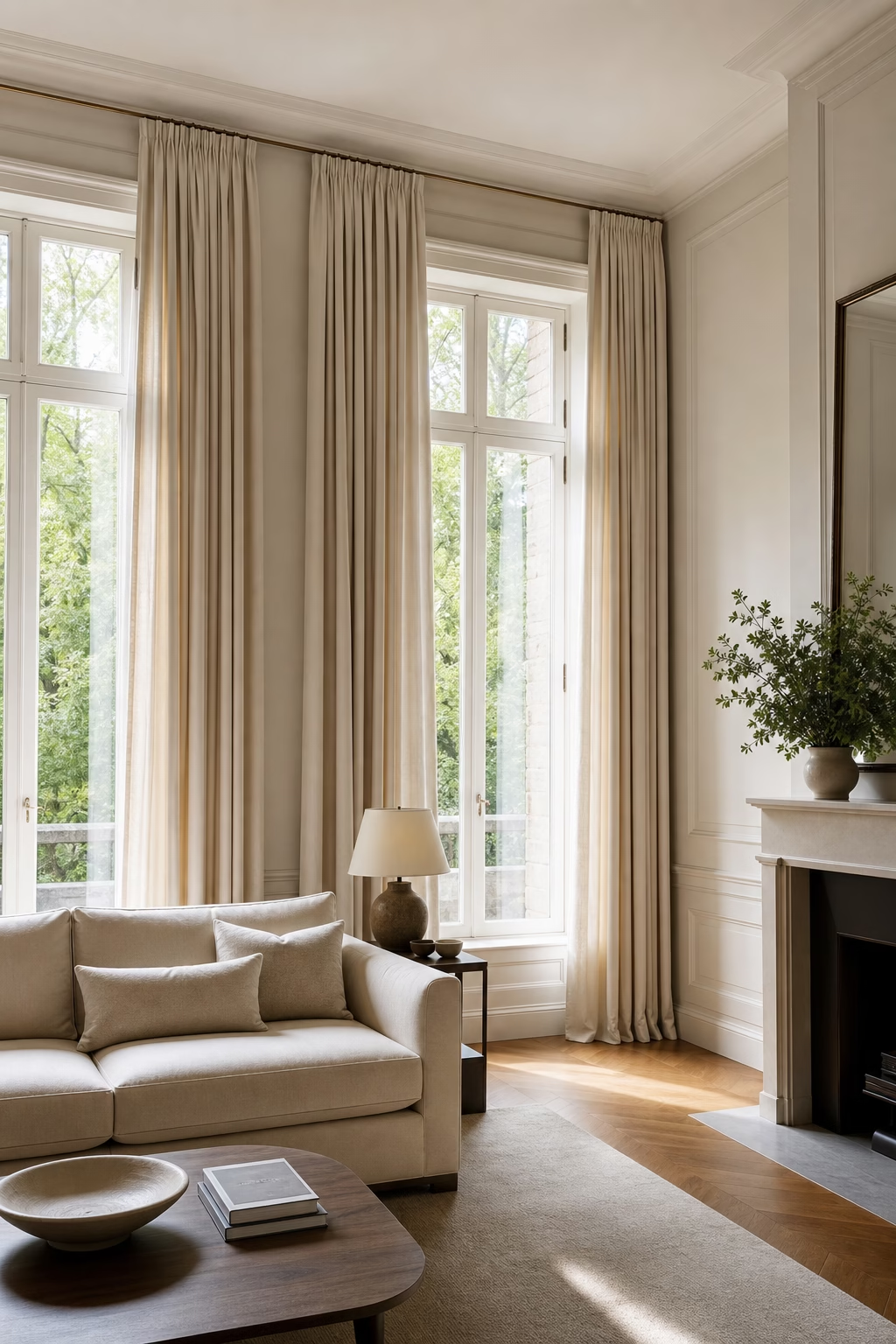
Curtains have the most architectural effect when they are mounted close to the ceiling rather than just above the window frame. The extra height draws the eye upward, makes standard windows feel more generous, and gives the fabric a calm vertical line. Keep the rod or track wide enough that open panels stack beyond the glass, not in front of it, so daylight still enters the room. This approach works with linen, wool, velvet, or sheers, provided the panels are long and full enough to look intentional. Measure from the exact mounting point to the floor before ordering; a short curtain can make even expensive fabric feel unresolved.
Layer Sheers Behind Heavier Drapes
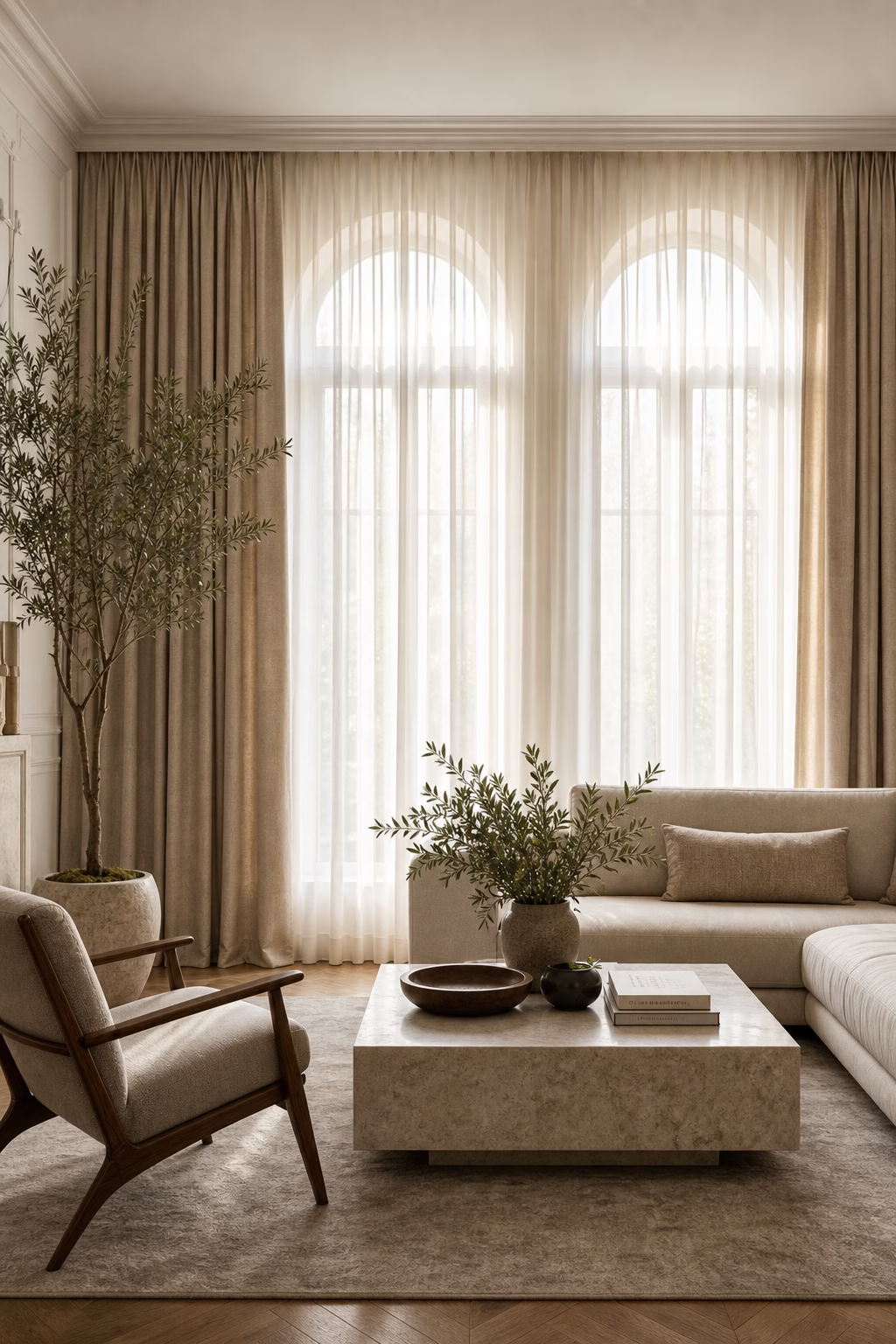
Layered curtains give a living room more range because each fabric can solve a different problem. A sheer panel filters daytime glare and softens the view, while a heavier linen, wool, or velvet panel adds privacy and evening warmth. The best rooms use separate tracks or a double rod so both layers move independently. Keep the colors closely related if you want a quiet luxury effect: ivory sheers with oatmeal linen, pale taupe with warm white, or soft gray with charcoal. The layering should feel practical rather than theatrical. When the proportions are right, the window becomes a softly controlled light source instead of a hard rectangle.
Choose Linen for Relaxed Tailoring
Linen curtains bring ease without looking careless, especially in living rooms that need softness but not formality. The fabric has natural movement, a slightly irregular texture, and a way of catching daylight that feels refined in every season. Choose a medium-weight linen if you want panels that hang with body rather than collapsing into wrinkles. A light lining can improve privacy and protect the fabric from strong sun while still preserving the relaxed character. Linen works beautifully with plaster walls, oak floors, stone tables, and textured upholstery. Let the hem just touch the floor for a tailored result that still feels lived in.

Use Velvet Where the Room Needs Weight
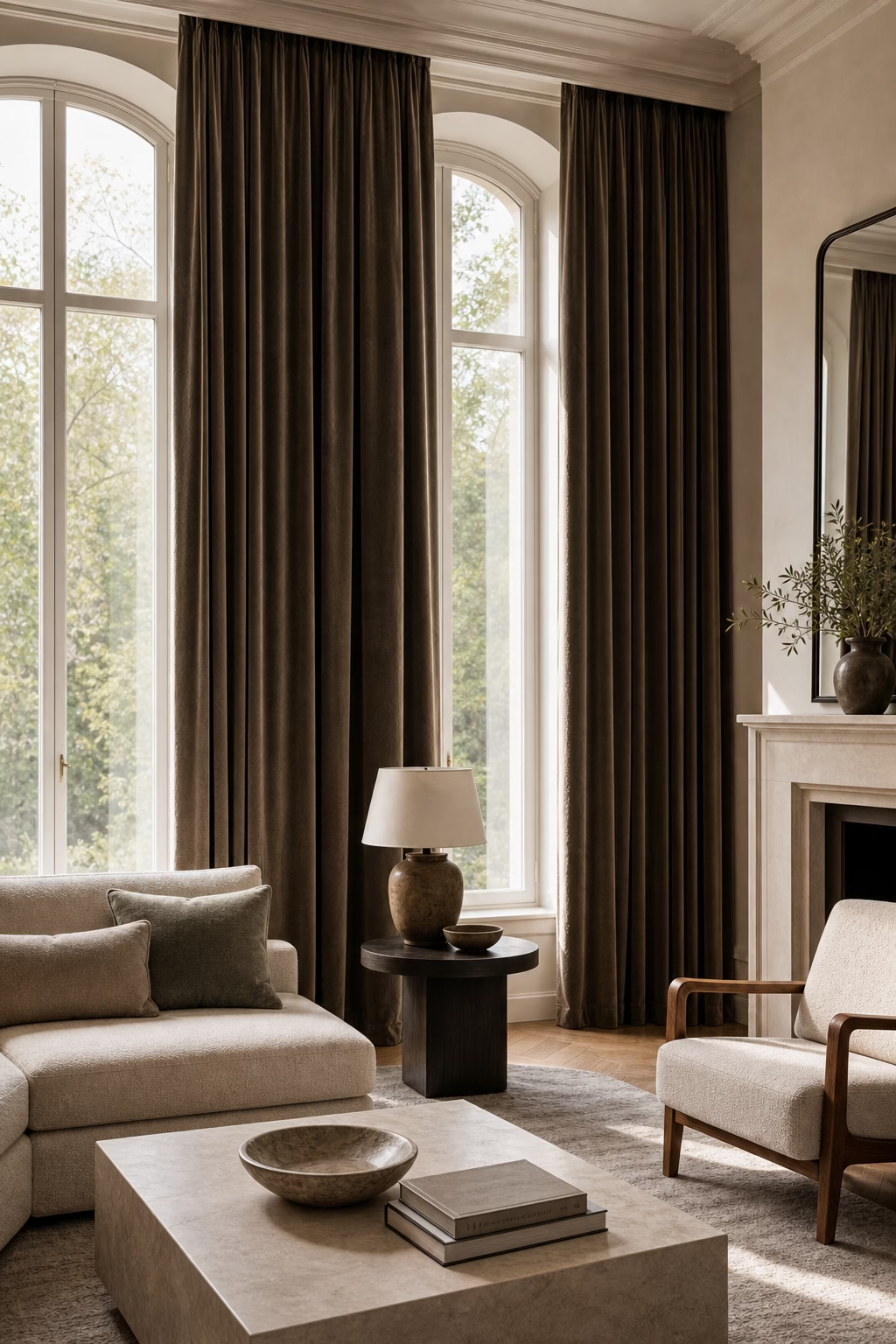
Velvet curtains can make a living room feel enveloping, but they need enough space and restraint around them. Use velvet when the room has tall windows, strong architecture, or a seating area that needs visual weight. Muted olive, tobacco, ink, cocoa, or warm gray often looks more sophisticated than jewel tones in everyday homes. Because velvet absorbs light, balance it with reflective or pale surfaces nearby, such as a stone coffee table, brass lamp, or plaster wall. Fullness matters; skimpy velvet panels look heavy without looking luxurious. Choose a quality lining so the folds fall cleanly and the fabric keeps its depth.
Frame a Picture Window Without Blocking the View
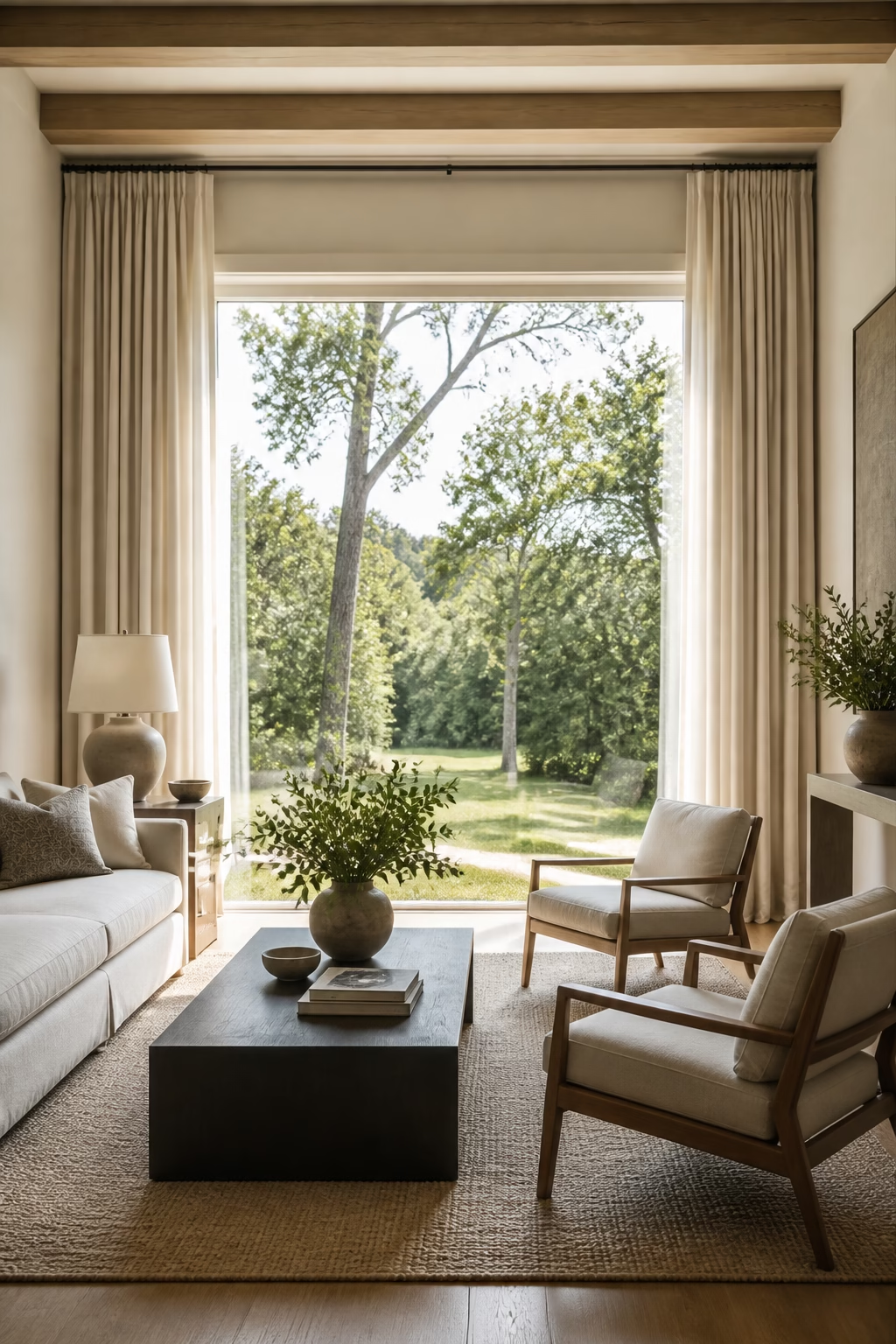
A picture window should keep its view, so the curtain plan has to respect the glass. Mount the rod or ceiling track wider than the window opening, allowing panels to stack on the wall when they are open. This gives the room softness without stealing daylight or hiding the view. If wall space is limited, choose slimmer pleats or a ripple-fold track so the stack stays compact. Sheer panels can remain partly drawn for glare control, while heavier side panels frame the scene like architecture. The goal is not to decorate the window, but to make the view feel intentional and comfortably integrated with the room.
Try Ripple-Fold Curtains for a Clean Modern Line
Ripple-fold curtains are ideal when you want fabric softness without traditional pleating. The repeated S-curve creates an even rhythm across the window, which suits modern apartments, open-plan living rooms, and spaces with clean-lined furniture. They work best on a track rather than a decorative rod, especially when the track can be recessed or color-matched to the ceiling. Choose a fabric with enough drape to hold the wave, such as linen blend, wool blend, or performance sheer. The look is simple, but the measuring must be precise. If the track is too short or the fullness is too low, the curtain loses its quiet architectural quality.
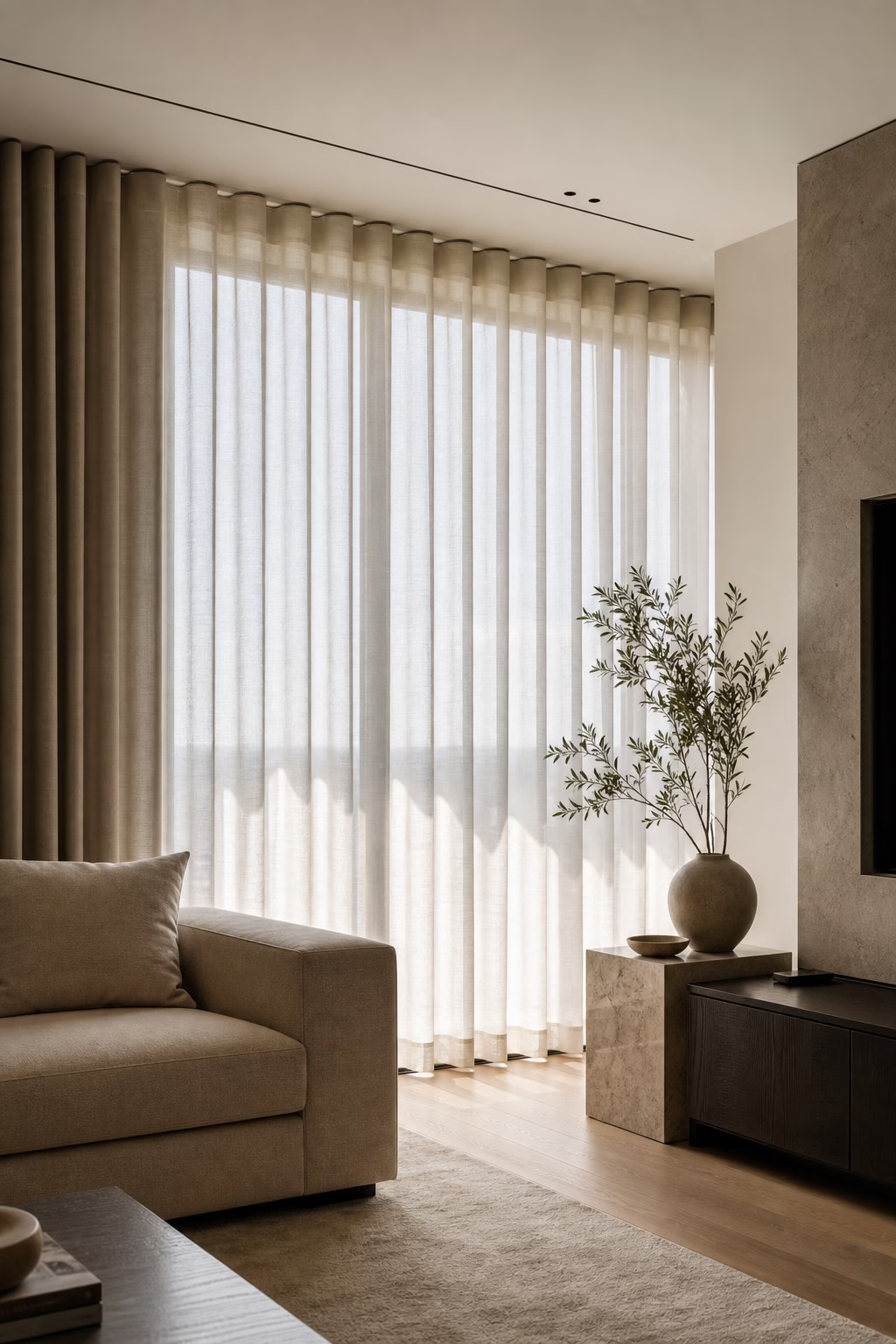
Match Curtain Color to the Wall for Calm
Tone-on-tone curtains are one of the easiest ways to make a living room feel larger and more composed. When the fabric sits close to the wall color, the window treatment becomes part of the architecture rather than a separate decorative statement. This works especially well with warm whites, stone, mushroom, greige, clay, and pale gray. To avoid a flat result, vary the texture: linen against plaster, wool against painted trim, or sheer cotton against limewash. The color match does not need to be exact, but the undertones should agree. A quiet curtain lets art, furniture silhouettes, and natural light become the room's main interest.
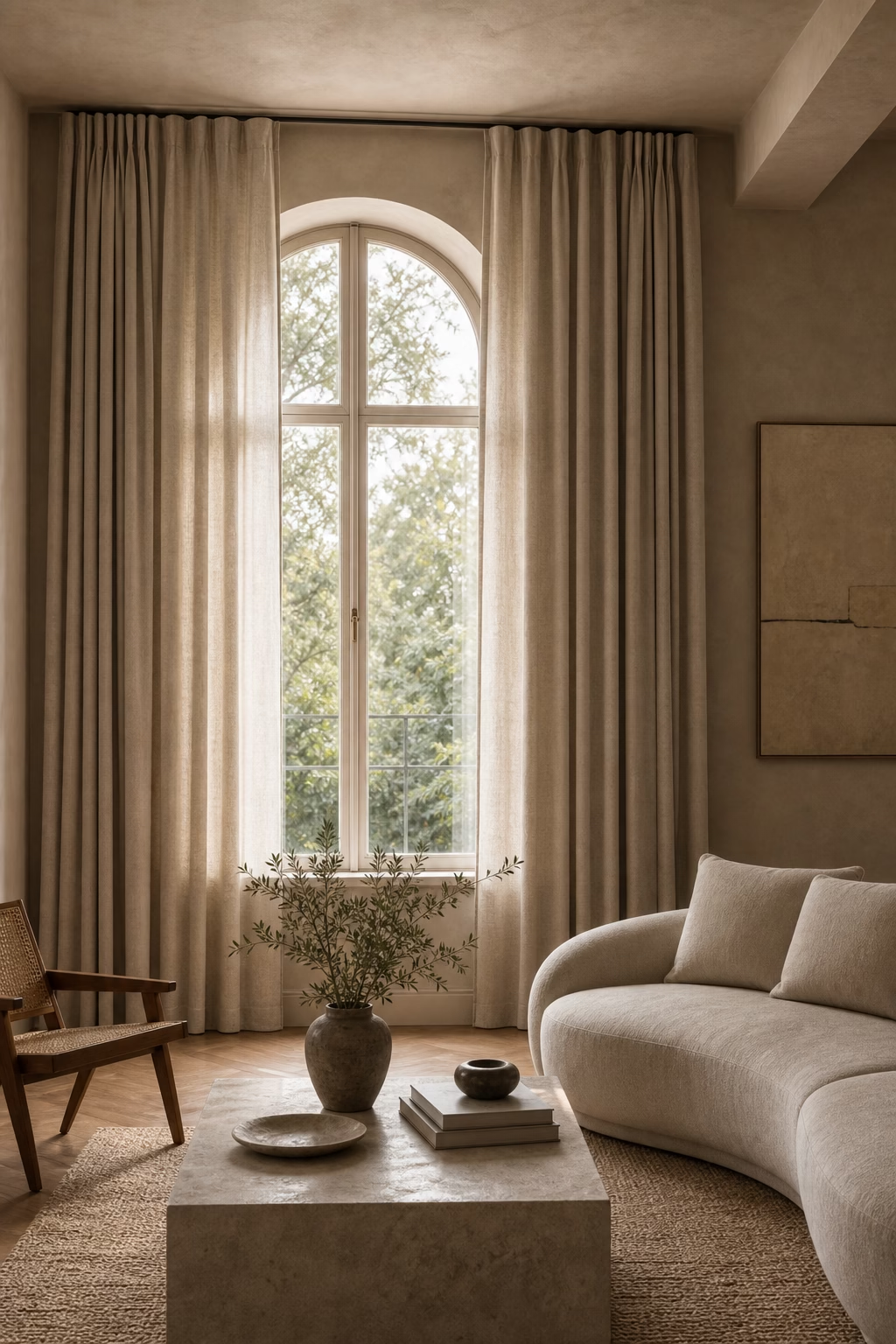
Use Pattern in a Controlled Scale
Patterned curtains can bring life to a neutral living room, but scale decides whether the result feels elegant or restless. Small prints often read as texture from a distance, while large botanicals or geometrics become a stronger design feature. If the sofa, rug, or artwork already has movement, choose a quiet stripe, woven check, or tone-on-tone motif. If the rest of the room is restrained, a larger pattern can frame the windows beautifully. Keep the palette tied to existing materials so the curtains feel connected. The safest luxury move is contrast in texture first, pattern second, and bright color only when the room truly asks for it.
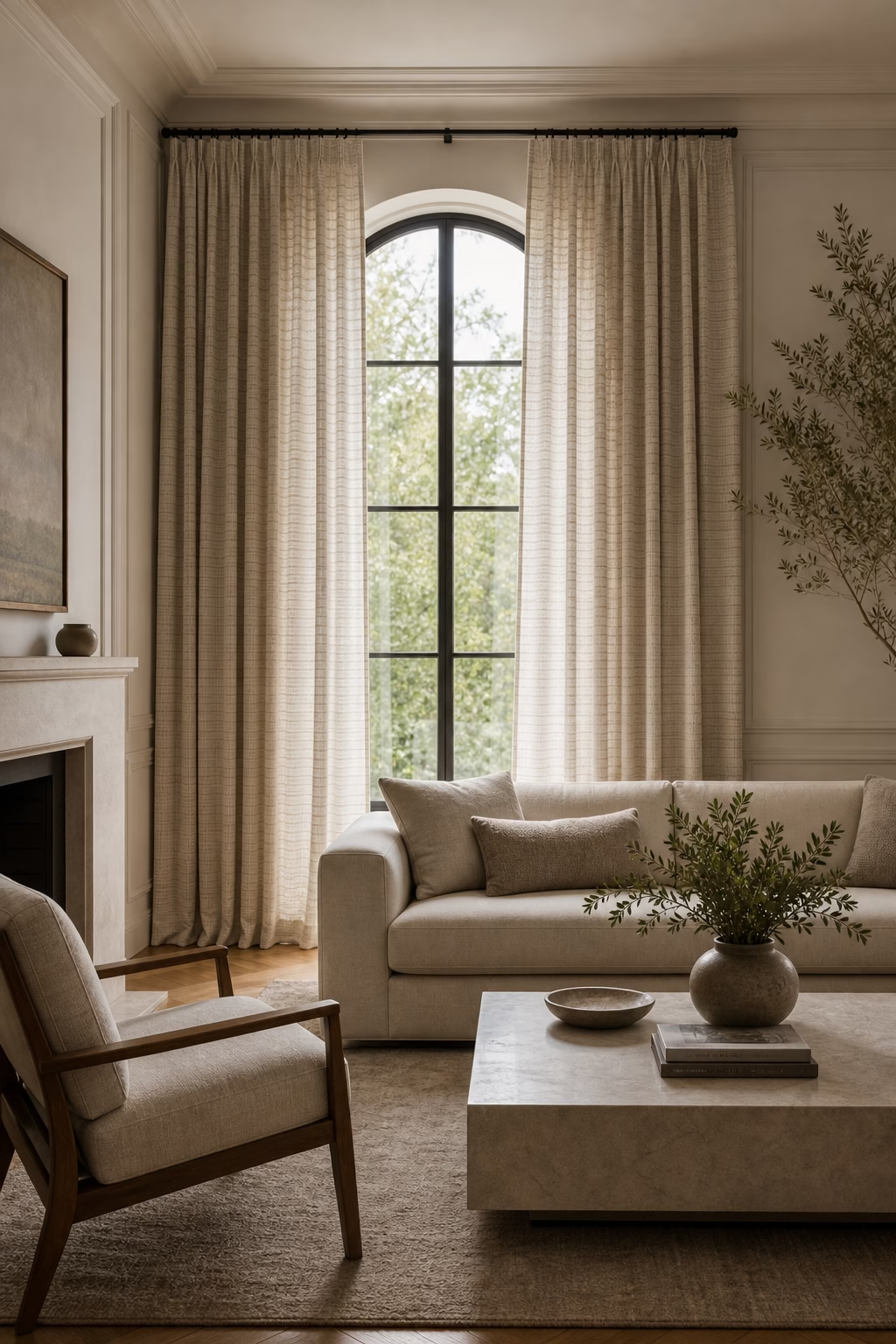
Add Roman Shades Under Curtain Panels
Roman shades and side panels make a living room feel tailored without requiring full curtain coverage across every window. The shade handles privacy, glare, and daily function, while the panels add height, softness, and color. This combination is especially useful when furniture sits close to the window or when radiators, built-ins, or narrow walls limit a full drapery stack. Choose a flat or relaxed Roman shade depending on the architecture: flat reads cleaner, relaxed feels softer. Matching the shade and panel fabric creates calm, while a woven shade under plain linen adds texture. Keep cords or lift systems discreet so the composition stays polished.

Let Cafe Curtains Soften a Lower Window
Cafe curtains are not only for kitchens. In a living room with street-facing windows, they can provide privacy at seated eye level while leaving the upper glass open to daylight. The key is choosing fabric that feels intentional rather than quaint. Fine linen, cotton voile, or a subtle stripe can look refined when paired with simple hardware and clean hemming. Cafe curtains are especially good beside a reading chair, bay window, or small urban sitting area where full panels would feel too heavy. Keep the top line level and the fullness moderate. The effect should be light, practical, and quietly charming.

Install a Ceiling Track for Wall-to-Wall Softness
A ceiling track can turn a plain wall of windows into a continuous architectural feature. Instead of treating each opening separately, the fabric moves in one generous plane, which makes the room feel calmer and often larger. This is particularly effective in apartments, sliding-door living rooms, and spaces with awkward window spacing. Choose a track that disappears into the ceiling or matches the paint color, then use ripple-fold or simple pleated panels for consistent movement. Wall-to-wall curtains also help with acoustics, glare, and evening privacy. Keep the fabric color restrained so the scale feels elegant, not like a stage curtain.
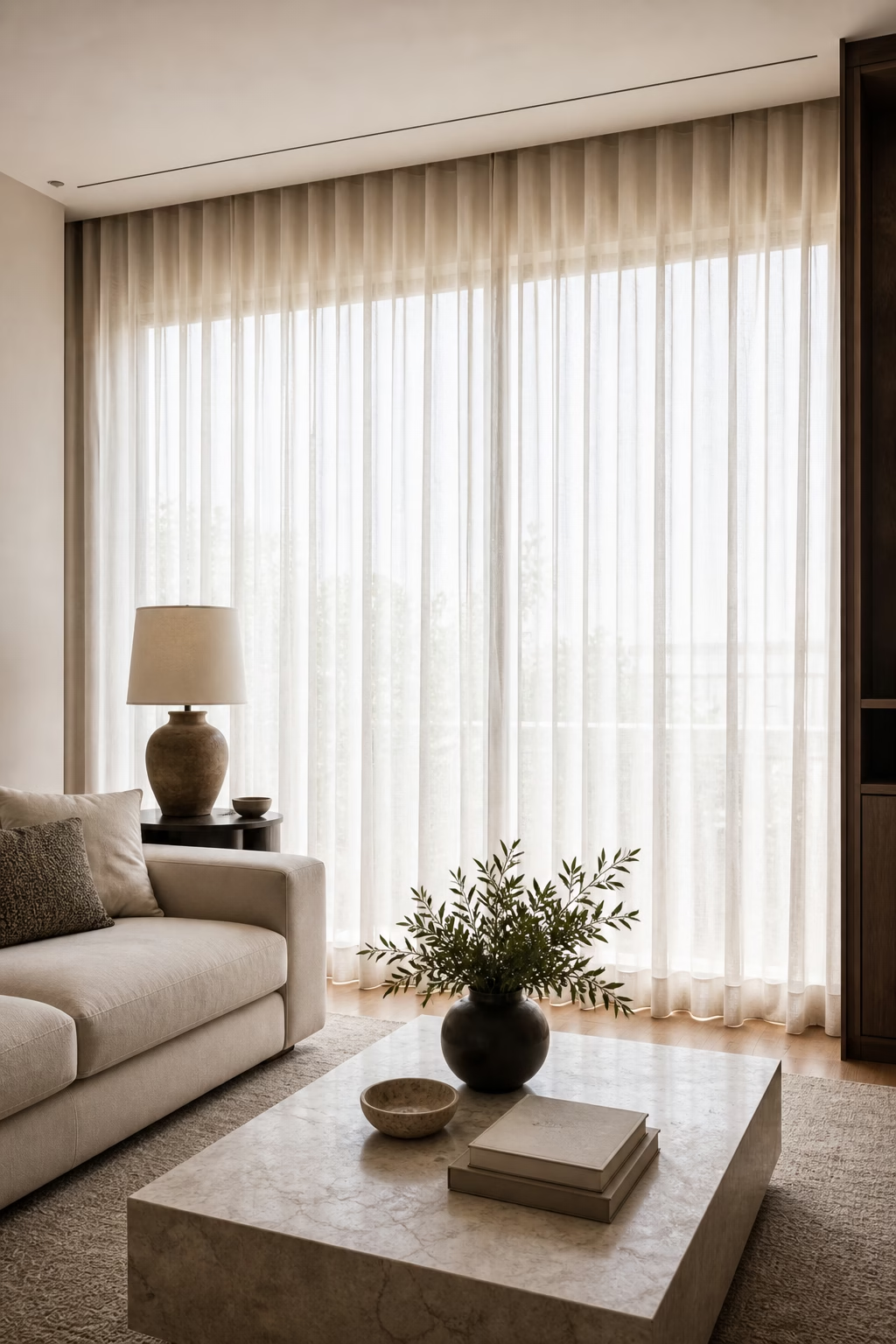
Use Trim to Make Plain Panels Feel Custom
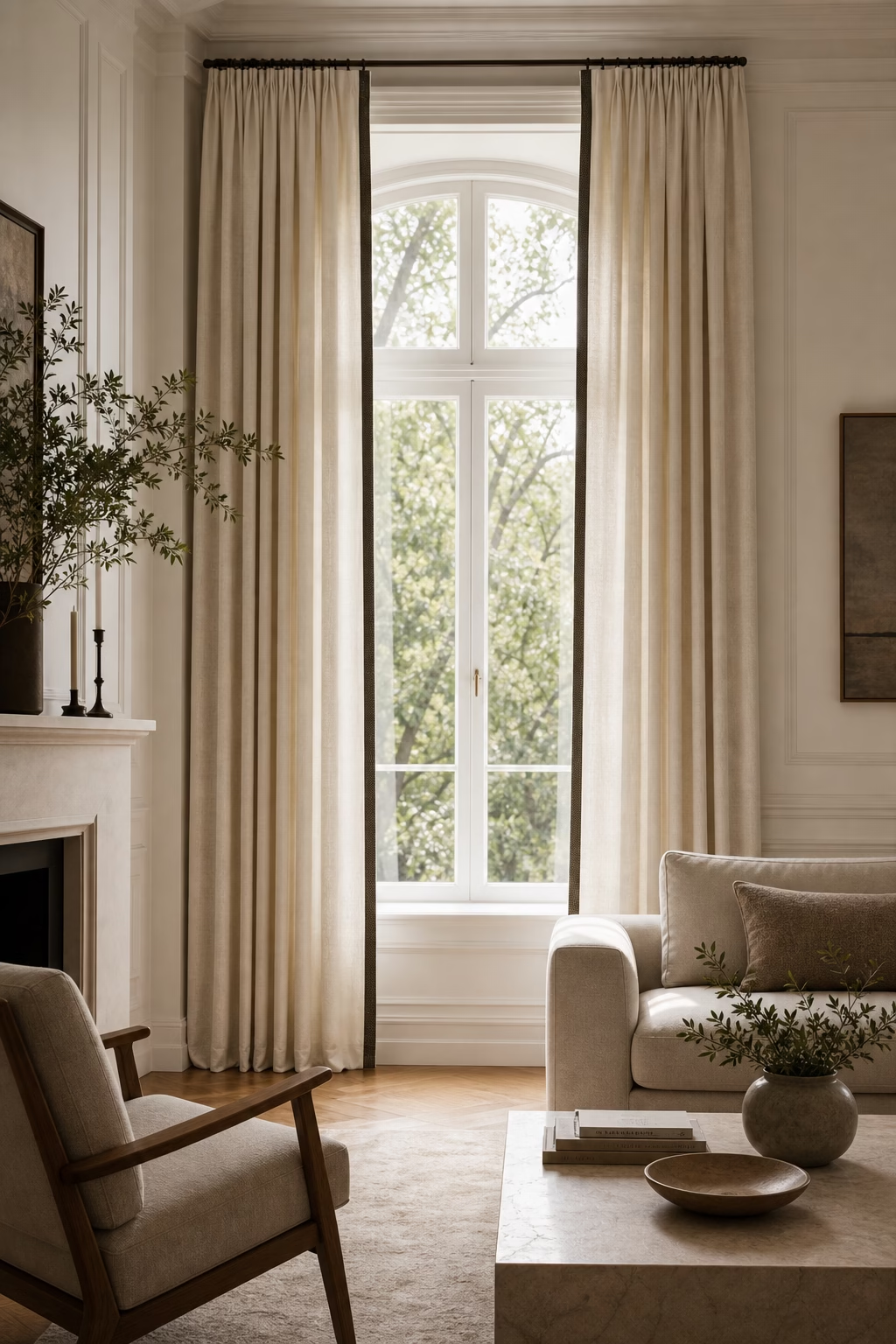
A simple trim can make plain curtain panels feel considered without overwhelming the room. Add a narrow tape, braided border, or contrast band along the leading edge where the curtains meet. This small detail draws attention to the fabric's vertical line and can connect the window treatment to upholstery, piping, or rug colors elsewhere. Keep the trim width modest unless the room is large and formal. Black, chocolate, olive, rust, or navy can sharpen natural linen beautifully. For the most tailored look, repeat the trim on every panel at the same height and edge. It should read as craftsmanship, not decoration added at the end.
Choose Woven Shades for Texture Behind Drapes
Woven shades add texture where flat fabric might feel too smooth. Installed behind curtain panels, they bring a natural layer that works especially well with wood floors, stone tables, leather chairs, and relaxed upholstery. Bamboo, grasscloth, jute, and fine reed shades all filter light differently, so order samples and hold them against the window during the brightest part of the day. A privacy liner may be necessary in city homes or bedrooms that open to a living area. Keep the side panels plain if the shade already has strong texture. The combination feels warm, practical, and more finished than either treatment alone.

Make Bay Windows Feel Like One Gesture
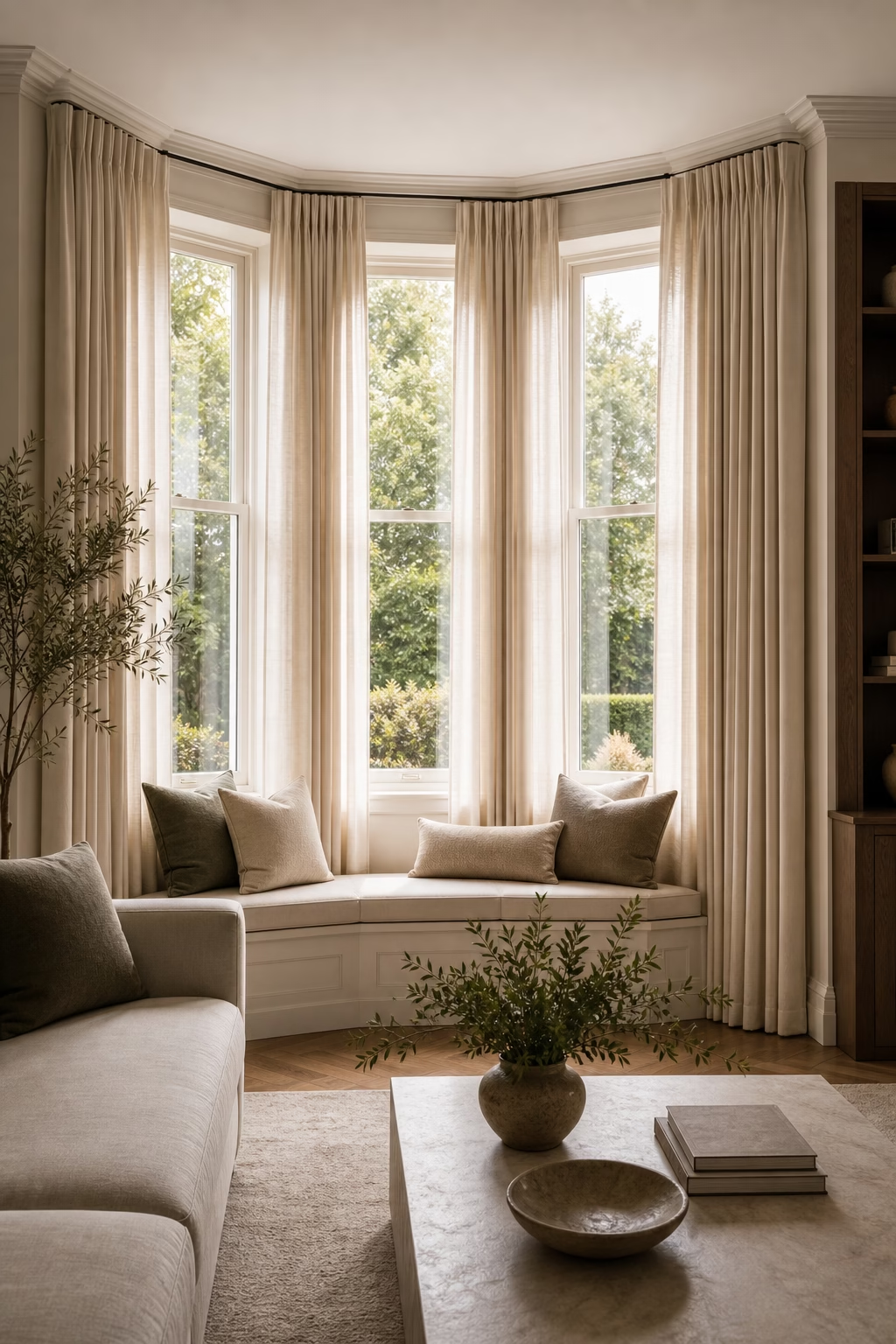
Bay windows can look busy when each pane is treated as a separate problem. A better approach is to make the entire bay feel like one gesture. Use a flexible track, angled rods, or individual panels planned with matching heights and fullness. If the bay has a built-in seat, keep the curtains just clear of cushions so fabric does not bunch awkwardly. Roman shades are another strong option when floor-length panels would interfere with seating. The window treatment should support the bay's architecture and make the nook feel usable. Done well, a bay window becomes a soft destination rather than a complicated corner.
Soften Sliding Doors Without Losing Function
Sliding doors need curtains that look beautiful but still move out of the way easily. A ceiling-mounted track is often cleaner than a bulky rod because it allows panels to glide smoothly across the opening. Let the fabric stack on the fixed side when possible, keeping the traffic path clear. Performance linen, washable blends, or lined sheers are practical choices for doors used daily. Avoid heavy puddling where people walk; a precise floor kiss is safer and neater. If the doors face strong sun, consider a double layer so the room can shift from bright daytime openness to protected evening privacy.

Use Black Hardware as a Fine Architectural Line
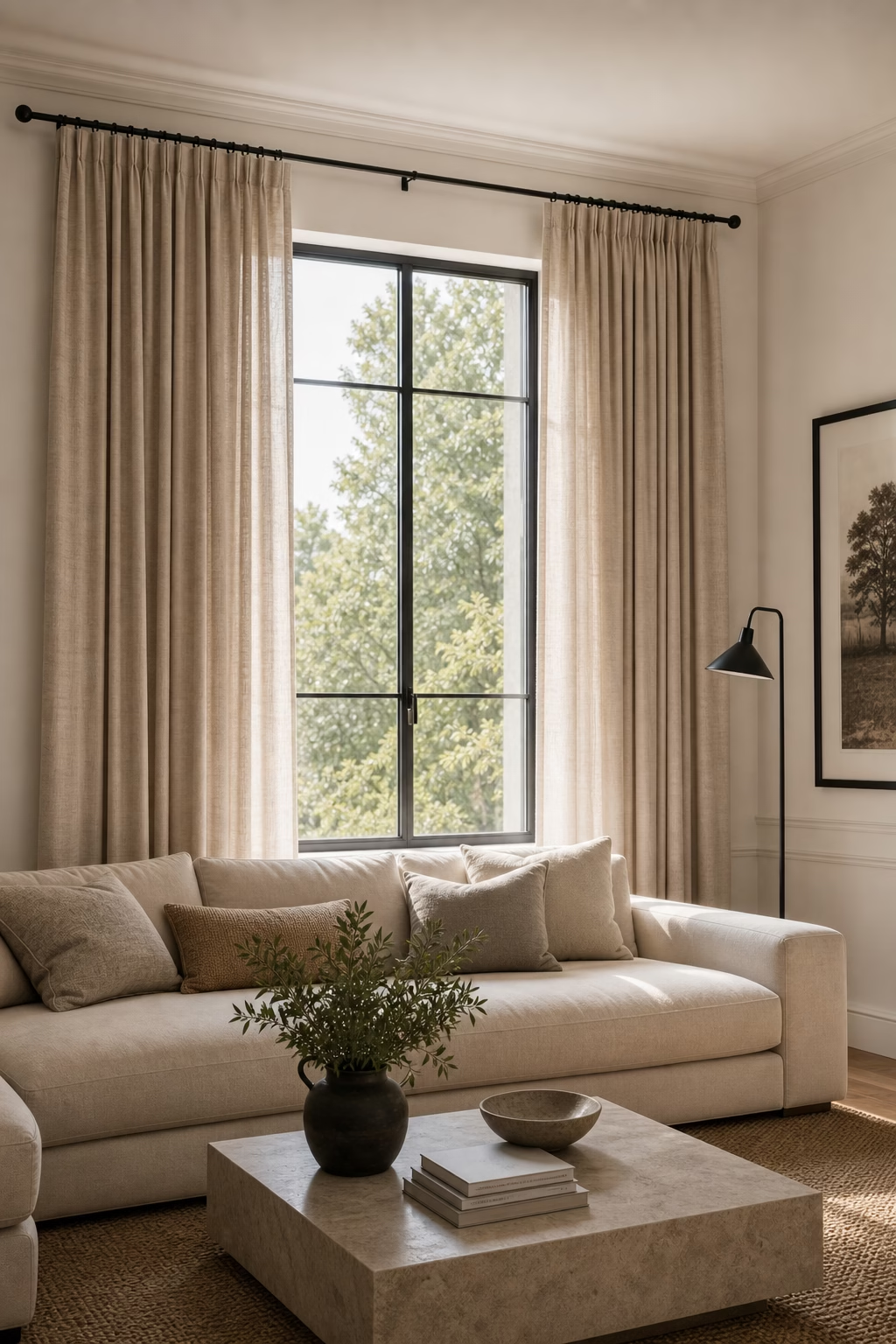
Curtain hardware should support the room rather than compete with the fabric. Slim black rods and rings create a crisp architectural line, especially against pale walls and warm neutral curtains. The contrast is useful in rooms that need definition around the windows but not a heavy decorative rod. Keep finials simple, or skip them entirely if the style allows. Black hardware works best when it repeats somewhere else, such as a lamp, picture frame, fireplace detail, or table leg. That small repetition makes the choice feel integrated. Use sturdy brackets so long rods do not sag across wide living room windows.
Let Brass Hardware Add a Warmer Finish
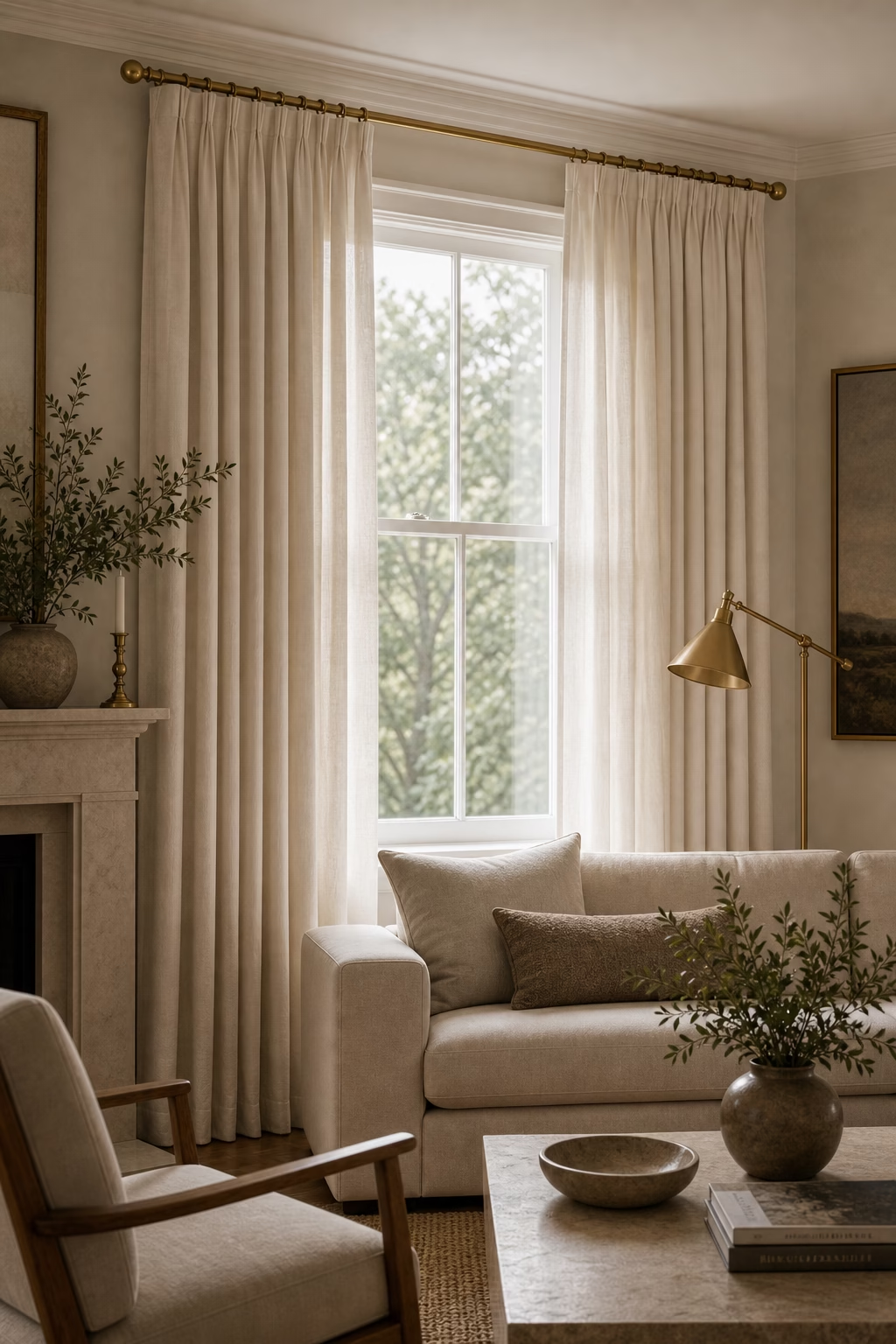
Brass hardware gives curtains a warmer, more decorative presence without needing bold fabric. It works beautifully with cream, camel, olive, rust, and soft gray panels, especially when the room already includes aged metal lighting or warm wood. Choose unlacquered, aged, or satin brass over a very shiny finish if you want a softer luxury feel. The rod diameter should suit the window scale; too thin can look fragile, too thick can feel formal. Brass is most successful when it appears in small repeated notes rather than everywhere. Let it glow at the window, then echo it quietly in a lamp or side table.
Create Drama With a Deep Neutral
Deep neutral curtains can make a living room feel intimate without introducing a strong color story. Taupe, cocoa, charcoal, olive brown, and tobacco add depth while staying flexible with seasonal styling. Use them in rooms with good daylight, pale walls, or generous ceiling height so the fabric does not make the space feel compressed. The surrounding palette should include lighter upholstery, a textured rug, or reflective accents to balance the weight. This idea is especially effective for evening rooms, libraries, and living spaces that connect to dining areas. Deep curtains frame the view by day and make the room feel settled at night.
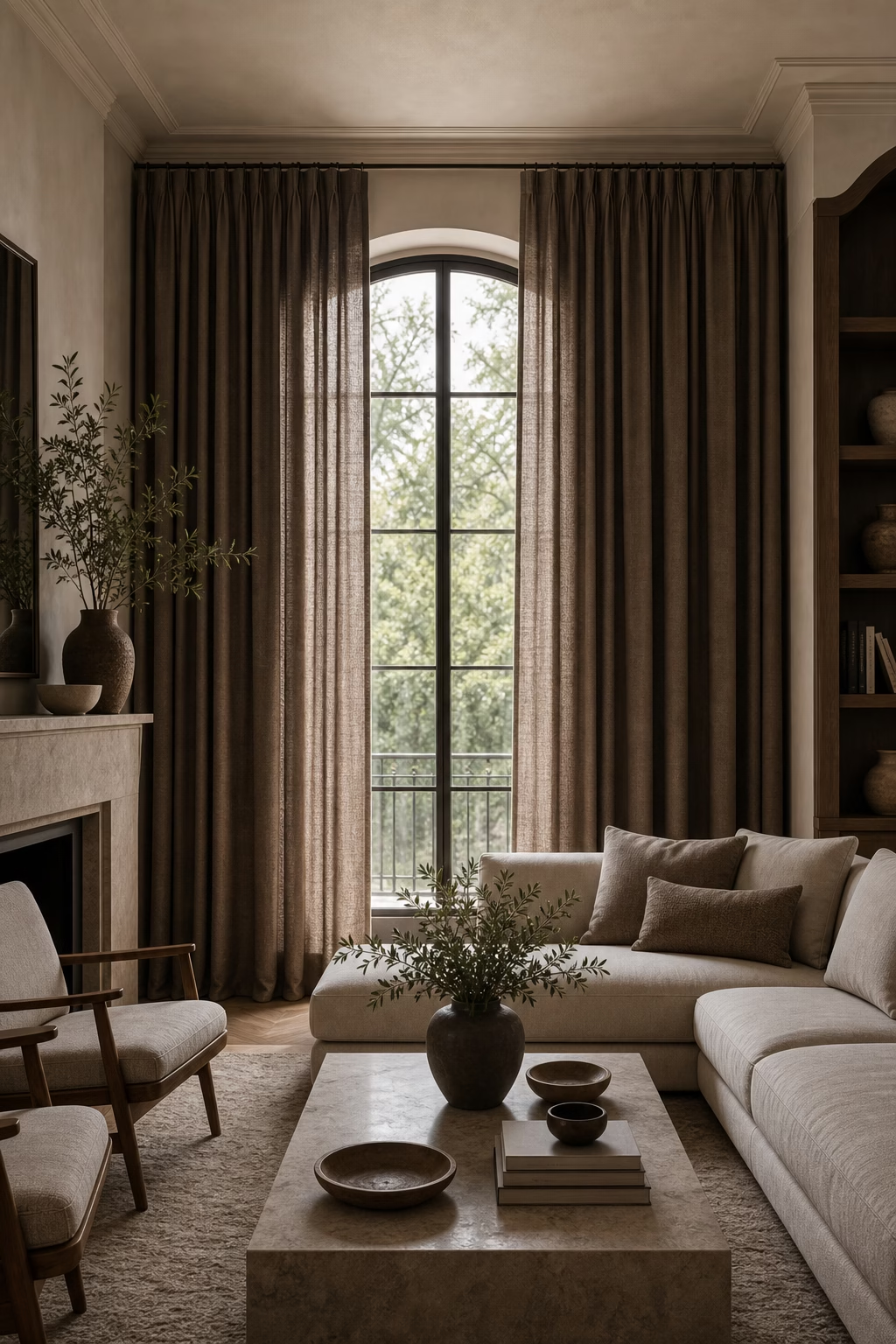
Keep Sheer White Curtains From Looking Thin
White sheers can look ethereal or unfinished depending on fullness and fabric quality. Use generous width so the panels gather softly even when closed; flat sheer fabric often reads like a temporary screen. Look for linen voile, cotton voile, or a fine polyester sheer with a natural hand rather than a shiny synthetic surface. Hemming matters because light fabric reveals uneven lengths quickly. Sheers are strongest when paired with solid architecture: clean trim, a good ceiling line, and furniture that feels grounded. They are excellent for diffusing hard sun, softening city views, and giving a living room daylight privacy without visual heaviness.

Use Curtains to Divide an Open Living Space
Curtains can do more than cover windows; they can soften an open-plan room. A ceiling-mounted fabric divider can separate a reading corner, media zone, guest sleeping area, or home office without building a wall. Choose a fabric that looks good from both sides and hangs in clean folds when open. The color should relate to the main window curtains or wall finish so the divider feels architectural. This is especially useful in apartments where flexibility matters. Keep the track placement aligned with furniture edges or ceiling beams, not randomly in the middle of the room. The divider should improve flow, not interrupt it.

Choose Thermal Lining Without Adding Bulk
Lining is invisible when the curtains are open, but it has a major effect on comfort. Thermal or interlined curtains can reduce drafts, protect upholstery from sun, and make a living room feel quieter. The challenge is keeping the panels graceful rather than bulky. Choose a face fabric with enough structure to handle the lining, and avoid overly narrow panels that become stiff columns. In colder climates, interlining can be worth the investment for tall windows or older homes. In brighter rooms, a lighter privacy lining may be enough. The best lined curtains still move naturally and show soft, regular folds.
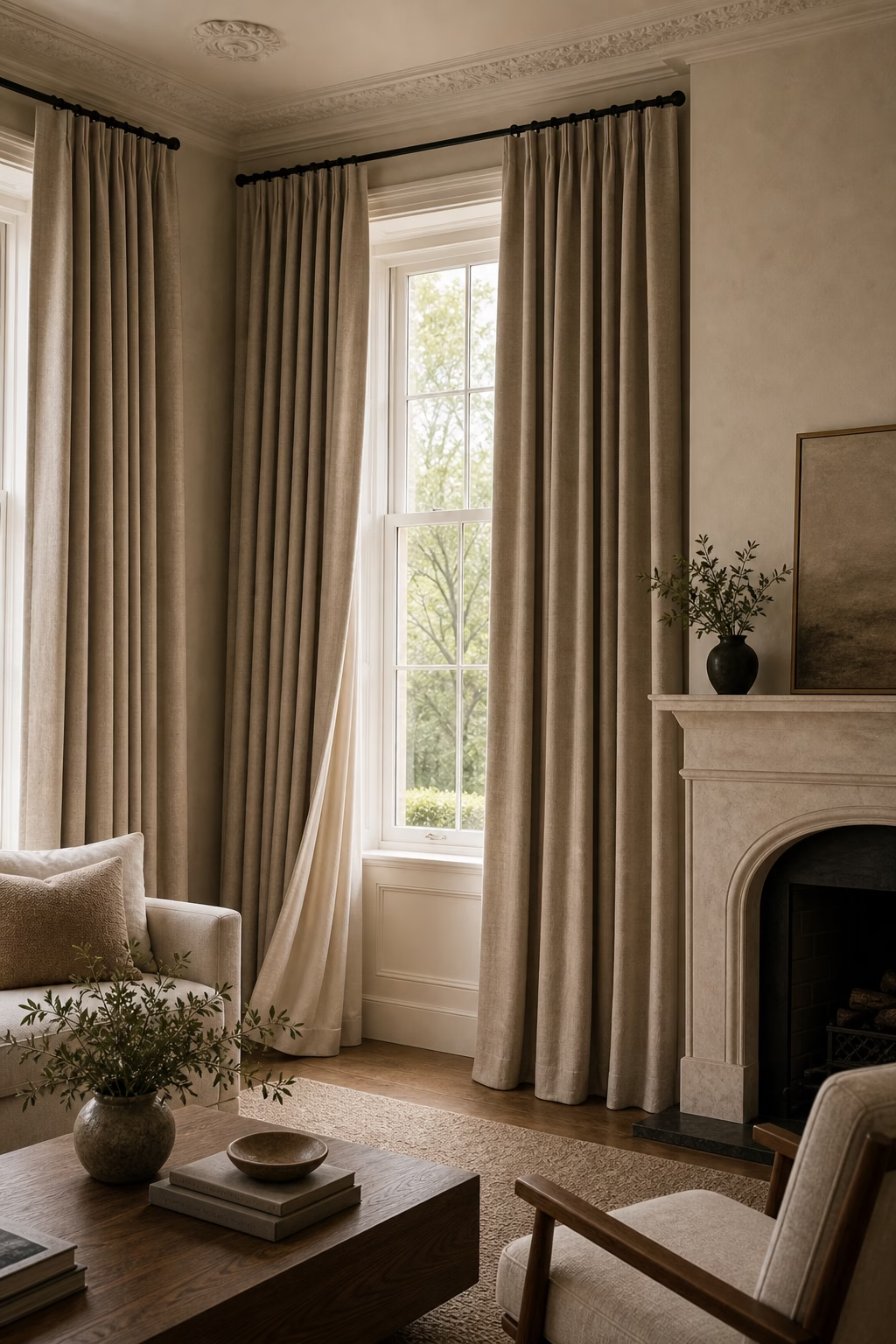
Finish the Hem With Intention
The hem is where curtain quality becomes obvious. For most living rooms, panels should just touch the floor or break very slightly, creating a clean line without gathering dust. A tailored floor kiss looks modern and easy to maintain, while a small break feels softer in traditional spaces. Full puddling can be romantic, but it needs low-traffic rooms and disciplined cleaning. Always measure after hardware is installed, because even a small change in rod height affects the final length. If floors are uneven, ask the workroom to account for it. A precise hem makes simple fabric look expensive and keeps the whole window treatment composed.

Style Curtains for Evening Light Too
Curtains change after sunset, so judge them in evening light before considering the room finished. A fabric that looks airy by day may become flat at night, while a deeper panel can create beautiful enclosure once lamps are on. Test how the curtains look with table lamps, sconces, and the television off, then adjust bulbs or dimmers if the fabric appears harsh. Warm white light usually flatters linen, velvet, and woven shades more than cool bulbs. The evening version matters because living rooms are often used most after dark. Good curtains should frame the room gently in daylight and make it feel protected at night.
