
Dining room lighting in 2026 is sculptural, warmer, more comfortable, and carefully layered around the way people actually gather.
Choose Sculptural Pendants That Read Like Art
In 2026, dining room lighting is moving beyond simple illumination and becoming part of the architecture. A sculptural pendant can give the table a clear focal point without filling the walls with extra decor. Look for curved ceramic shades, folded metal forms, linen-wrapped silhouettes, or asymmetrical glass clusters that feel interesting from every seat. The fixture should be bold enough to anchor the room, but not so large that guests look around it during conversation. Keep the table, chairs, and rug quieter when the light is expressive. A dimmable warm bulb lets the piece shift from practical dinner lighting to a softer evening glow.

Use Natural Woven Shades With Cleaner Shapes
Woven lighting remains strong, but the freshest versions feel edited rather than beachy. Cane, rattan, abaca, seagrass, and paper rope all bring texture above a dining table, especially when the room has smooth plaster, stone, or painted cabinetry nearby. For a current look, choose a drum, dome, cone, or elongated lantern shape with a crisp outline. The weave should filter light gently, not cast harsh shadows across plates. Pair it with simple chairs and a grounded wood table so the room feels relaxed but polished. This trend works especially well in breakfast rooms and casual open-plan dining areas. Measure shade diameter against the table width so the texture feels generous, not oversized.

Try Oversized Lanterns in Modern Materials
Lantern shapes are returning with slimmer frames and lighter materials. Instead of heavy traditional cages, 2026 versions use bronze, blackened steel, white oak, linen panels, or clear glass with careful proportions. An oversized lantern can make a dining room feel gracious, particularly under a high ceiling or in a room with classic trim. The key is transparency. Choose a fixture that frames the table without blocking sightlines, and make sure the bulbs are shielded or softened. This style bridges old and new beautifully, giving a formal dining room structure while still feeling fresh beside modern chairs, neutral walls, and tailored window treatments.

Layer Linear Fixtures Above Long Tables
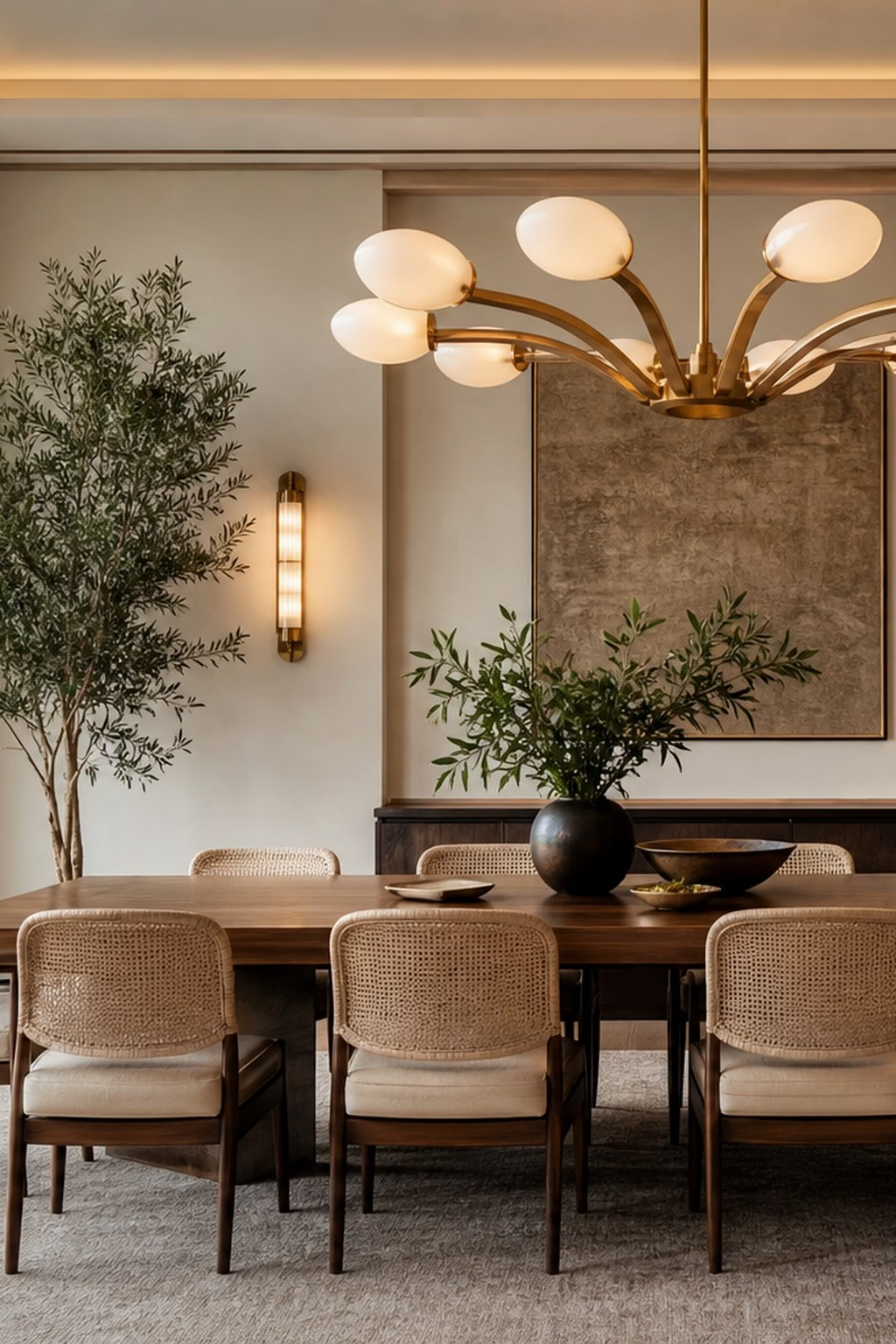
Long rectangular tables need light that respects their shape. A single round pendant can leave the ends feeling dim, while a linear fixture spreads glow more evenly across place settings. Look for slim bars with opal glass globes, paired shades, warm brass arms, or sculptural ceramic modules. The fixture should follow the length of the table without matching it exactly; leaving breathing room at both ends keeps the composition elegant. This approach is especially useful in open kitchens where the dining table doubles as homework zone, serving station, and gathering spot. Add dimming so the practical layout can still feel atmospheric.

Mix Smart Dimming With Warm Decorative Bulbs
Smart lighting is becoming less visible and more useful. The best dining rooms hide the technology behind a simple wall control or app scene, then use warm bulbs that flatter food, faces, and finishes. Set one bright scene for cleaning and arranging flowers, another for family meals, and a lower amber scene for dinners that linger. Avoid cool white bulbs, which can make wood, brass, and textiles look flat. If the fixture has exposed bulbs, choose frosted or filament styles with a controlled color temperature. The result is a room that feels responsive without looking like a gadget showcase. Save the preferred settings after testing them with actual place settings and glassware.

Hang Clusters Instead of One Predictable Pendant
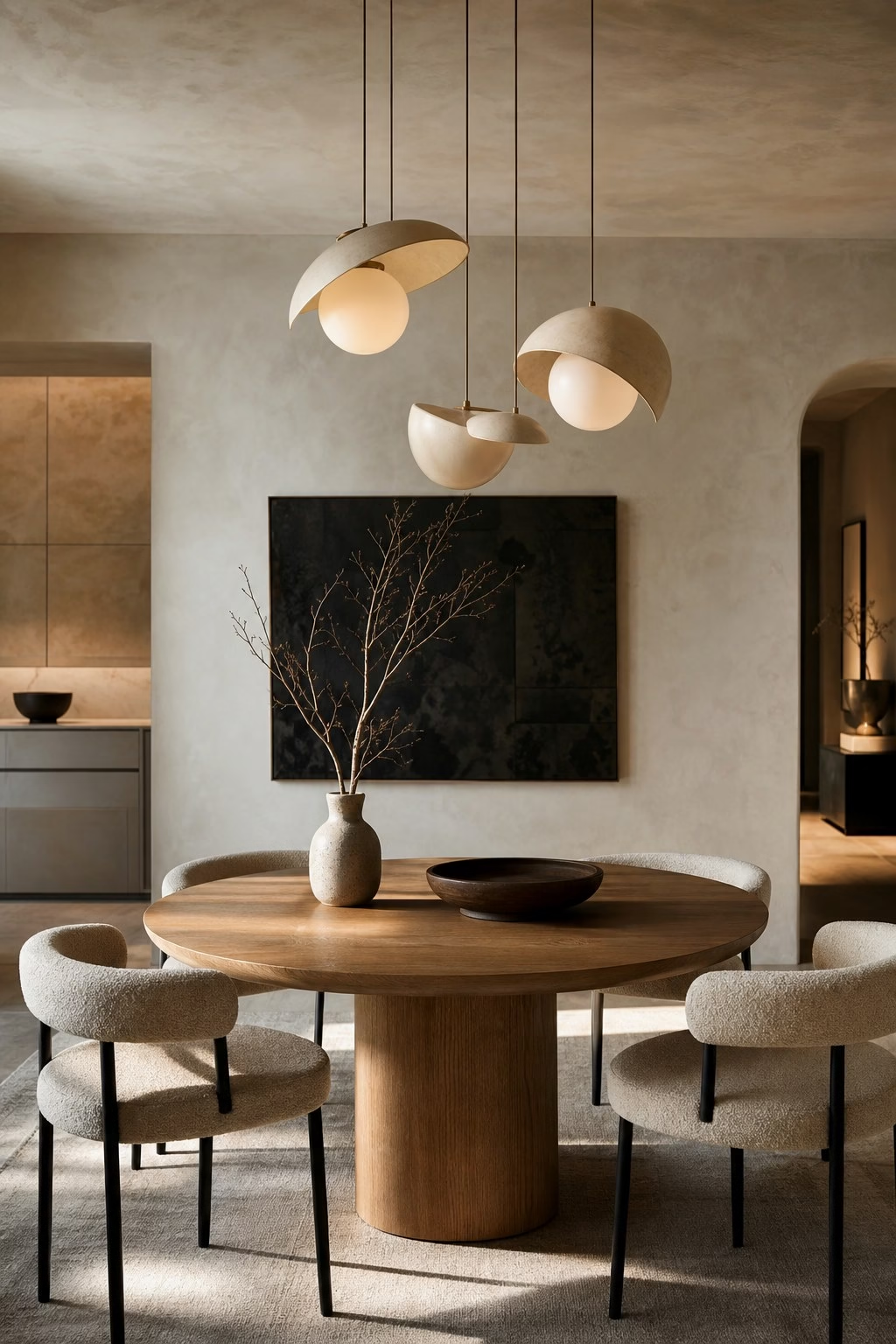
Clustered pendants create movement over a dining table without requiring a massive chandelier. Three small globes, staggered ceramic bells, or mixed glass shades can feel collected and personal when the spacing is deliberate. Keep the materials related so the grouping looks designed, not random. A cluster works best over round or oval tables, where the arrangement can echo the softer table shape. Use adjustable cords or stems to fine-tune the drop after the furniture is in place. The most successful clusters leave negative space between each shade, allowing the composition to feel airy and dimensional rather than crowded. Keep the lowest shade above direct eye level for comfortable conversation.
Pair Picture Lights With Dining Room Storage
Dining room lighting does not have to stop at the ceiling. Picture lights mounted above built-in storage, framed art, or a drinks cabinet add a quiet hospitality layer. They highlight the perimeter of the room, making the table feel less isolated after sunset. Choose a finish that relates to the main fixture, but do not force an exact match. Aged brass, bronze, and matte black all work when repeated with restraint. Keep the beam soft and focused so it grazes objects rather than glaring into diners' eyes. This secondary lighting makes everyday dinners feel more intentional and gives serving areas real function.

Let Plaster and Ceramic Shades Soften the Room
Plaster and ceramic lighting is a natural fit for the warmer, quieter dining rooms expected in 2026. These finishes diffuse light gently and add handmade texture without introducing busy pattern. A plaster cone, ceramic dome, or clay-like pendant can balance polished stone floors, lacquered cabinets, or glass doors. Because the material is matte, scale becomes important; choose a silhouette with enough presence to avoid looking flat. Warm white and chalky taupe shades are especially versatile, while terracotta or charcoal can create a stronger mood. The effect is calm, tactile, and architectural rather than decorative for decoration's sake. Repeat the matte finish once nearby so the fixture belongs to the larger palette.

Use Twin Pendants for Balanced Symmetry
Two matching pendants can solve rooms where one fixture feels too small and a long chandelier feels too formal. Hang them evenly over a rectangular table, leaving enough space between shades for the arrangement to breathe. This is a practical choice for dining areas that sit beside kitchen islands, because the repeated rhythm can connect open-plan zones without copying the island lights exactly. Choose shades that are simple from the side view, since diners will see them up close. Twin pendants work beautifully in linen, metal, glass, or woven materials, especially when the table setting remains unfussy. Align both pendants from the table centerline before judging them from the doorway.
Bring Back Chandeliers With Simpler Arms
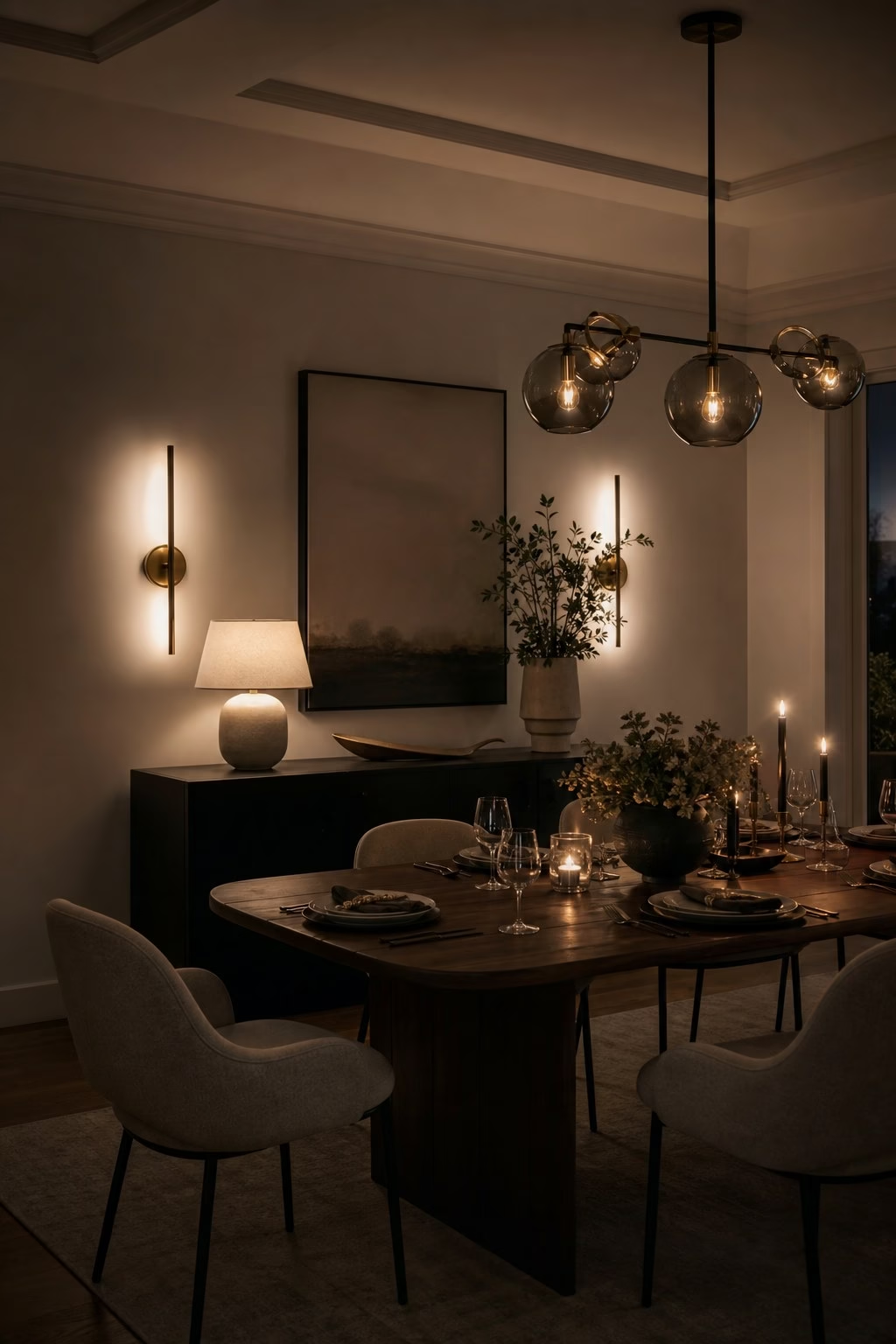
Chandeliers are not disappearing; they are becoming cleaner. Instead of ornate scrolls and crystal overload, the newer dining room chandelier has slim arms, fewer details, and better light quality. Think aged brass branches, blackened steel curves, or soft white candle sleeves with small fabric shades. This keeps the familiar form but removes the visual weight. A simplified chandelier is ideal when the room has traditional molding, a vintage table, or a formal layout that still needs freshness. Install it low enough to connect with the table, but high enough that guests can see across comfortably. The simpler outline also makes seasonal table styling easier to layer beneath it.
Try Smoked Glass for a Subtle Moody Glow
Smoked glass is a useful middle ground between clear glass and opaque shades. It softens visible bulbs, adds depth, and gives a dining room a little evening drama without making the fixture feel heavy. The 2026 version is warmer and more transparent than older dark glass, often paired with bronze, brass, or walnut. Use it in globes, cylinders, or gently fluted shades. Because smoked glass changes with daylight, test the finish beside your wall color and table. It can look refined over a dark wood dining set, but it also brings contrast to pale oak and cream rooms. Use dimmable bulbs so the glass reads atmospheric rather than murky after dark.
Choose Low-Glare Shades for Comfortable Dinners
A beautiful fixture can still fail if it shines directly into guests' eyes. Low-glare design is becoming a priority as dining rooms become more flexible and more frequently used. Look for fabric shades, opal glass, recessed bulbs, baffles, or downlights with diffusers. Sit at the table before finalizing height and check the view from each chair, not just from the doorway. The light should brighten the tabletop while keeping faces soft. This detail matters even more with marble, glossy lacquer, or glassware, which can reflect harsh bulbs. Comfort is what makes a dining room feel expensive over time. A quick nighttime test with seated guests will reveal glare immediately.

Add Small Table Lamps to Sideboards
Table lamps in dining rooms are having a quiet revival. A small lamp on a sideboard, bar cabinet, or buffet brings the kind of low, residential light that ceiling fixtures cannot provide alone. Choose a ceramic, stone, or metal base with a shade that feels proportional to the furniture. The lamp should leave room for serving platters and should not block art or mirrors. This layer is especially helpful in apartments and older homes where ceiling wiring is limited. When the chandelier is dimmed and the sideboard lamp glows, the whole room feels warmer and more relaxed. Cord placement matters, so hide wiring before styling the surface.

Use Black Fixtures as Thin Lines, Not Heavy Blocks
Black dining room lighting still works, but the trend is shifting toward thinner, more graceful profiles. A slender black chandelier, narrow linear pendant, or delicate metal frame can define the table without overpowering the room. Avoid bulky matte black shades if the dining area is small or already has dark furniture. Pair black metal with pale walls, warm wood, stone, or woven chairs so the contrast feels intentional. The fixture should read like a drawing in space. Repeating black in chair legs, cabinet pulls, or framed art can make the choice feel connected rather than isolated. This lighter approach keeps black accents graphic instead of visually dominant.

Pick Aged Brass With a Muted Finish
Aged brass remains popular because it warms a dining room without feeling shiny or overly new. The 2026 direction is muted, brushed, or unlacquered rather than bright yellow. This finish pairs well with oak, walnut, cream walls, green cabinetry, and natural stone. Use it on a chandelier, wall sconces, or picture lights, then repeat the tone lightly in hardware or candlesticks. The goal is glow, not glitter. A softer brass finish also photographs beautifully because it catches light without creating sharp reflections. It is a practical way to make a simple dining room feel layered and considered. Choose the same undertone for nearby hardware to keep the warmth consistent.

Let Ceiling Height Decide the Fixture Shape
The right trend still has to fit the room. Low ceilings usually need shallow drums, close-to-ceiling lanterns, or wide fixtures with minimal drop. Tall ceilings can handle tiered chandeliers, oversized pendants, or fixtures with more vertical movement. Measure from the tabletop, not just the floor, and leave a clear sightline across the table. In most rooms, the bottom of the fixture should feel connected to the dining surface without hovering at eye level. Respecting ceiling height makes even a simple light look custom. Ignoring it can make an expensive fixture feel awkward from the first dinner. Mock up the drop with string before ordering a hardwired fixture.

Combine Ceiling Lights With Candlelight
Candlelight is influencing fixture choices, even in very modern dining rooms. Slim chandeliers with candle sleeves, small shaded bulbs, and warm dimming all echo the flattering quality of real flames. The table can then use actual taper candles or hurricanes for special meals without competing with the main light. Keep the fixture simple if you plan to style the table often, because too many vertical elements can feel cluttered. This trend is less about nostalgia and more about atmosphere. Dining rooms are social spaces, and warmer layered light makes food, flowers, ceramics, and faces look better. Keep flames safely away from shades, greenery, and low-hanging decorative elements.

Use Statement Sconces on Feature Walls
Sconces can make a dining room feel designed even when the central fixture is restrained. Place them on either side of a cabinet, mirror, fireplace, or large artwork to create a composed wall. In 2026, the best sconces have distinctive shapes: fluted glass, curved metal, ceramic cones, or small fabric shades. They should support the room instead of fighting the chandelier. Put each sconce on a dimmer if possible, because wall light that is too bright can flatten the mood. This is a strong move for narrow dining rooms, where ceiling fixtures alone rarely provide enough visual depth. Wire placement should be planned around the furniture elevation, not guessed later.

Repeat Shapes From the Table or Chairs
The most cohesive dining rooms repeat shapes without becoming obvious. A round table can support globe pendants, curved arms, or a domed shade. A rectangular table may look better with a linear fixture, paired pendants, or a lantern that follows the room's geometry. If the chairs have arched backs, a softly curved chandelier can connect the composition. This kind of repetition helps a bold fixture feel inevitable rather than imported. It also makes mixed materials easier to manage. You can combine wood, metal, fabric, and glass when the underlying shapes speak to each other. That quiet echo gives eclectic pieces a shared visual language.

Choose Sustainable Materials With Real Longevity
Natural and sustainable lighting is strongest when it avoids disposable styling. Look for fixtures made from responsibly sourced wood, paper, linen, recycled glass, ceramic, or repairable metal frames. The design should feel durable enough to outlast a trend cycle. Replaceable bulbs, standard sockets, and accessible shades matter because dining lights are used for years. A simple paper lantern, well-made woven pendant, or ceramic shade can be both environmentally thoughtful and visually rich. Choose materials that relate to the furniture already in the room so the sustainability story feels integrated, not like a separate decorative statement. Longevity is the most sustainable choice when the fixture can be maintained.

Center the Fixture on the Table, Not the Room
The most practical lighting trend is better placement. In many homes, the table is not perfectly centered in the room because of traffic flow, built-ins, or an open-plan layout. The fixture should center over the table rather than blindly follow the ceiling box. A canopy with a swag, a longer linear mount, or a small electrical adjustment can make the room feel intentional. Before installing, place the table and chairs exactly where they will live, then mark the true center. Good alignment makes every fixture look more expensive and prevents the dining area from feeling slightly off every day. This small correction often matters more than buying a larger statement light.
