
An earthy living room should feel grounded, not themed. The best versions bring nature indoors through light, texture, mineral surfaces, wood grain, softened color, and a few living elements that have room to breathe. These ideas are designed for rooms that feel restorative and polished, with practical choices that work beyond a single season.
Start With Warm Plaster or Limewash Walls
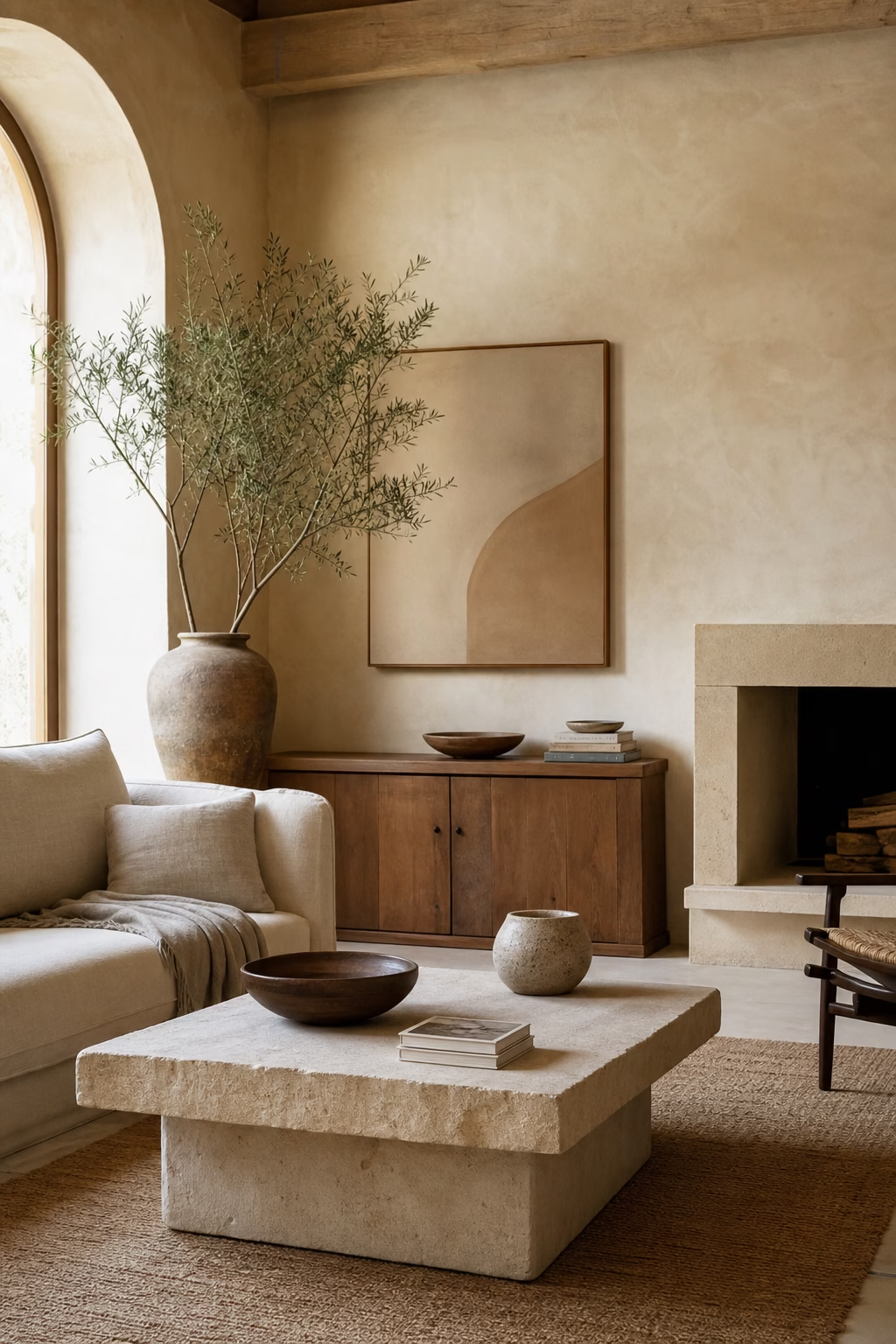
Warm plaster and limewash create the kind of quiet movement that makes an earthy room feel alive. Unlike flat paint, these finishes catch daylight softly and give walls a mineral quality without adding pattern. Choose warm white, bone, clay, mushroom, or pale sand, then test the color beside your floor and upholstery. The finish should feel subtle enough to support art, shelving, and furniture. If a full room is too much, use it on one fireplace wall or alcove. This backdrop makes wood, linen, stone, and plants feel connected, which is the foundation of an earthy living room that still feels refined.
Choose Wood With Visible Grain
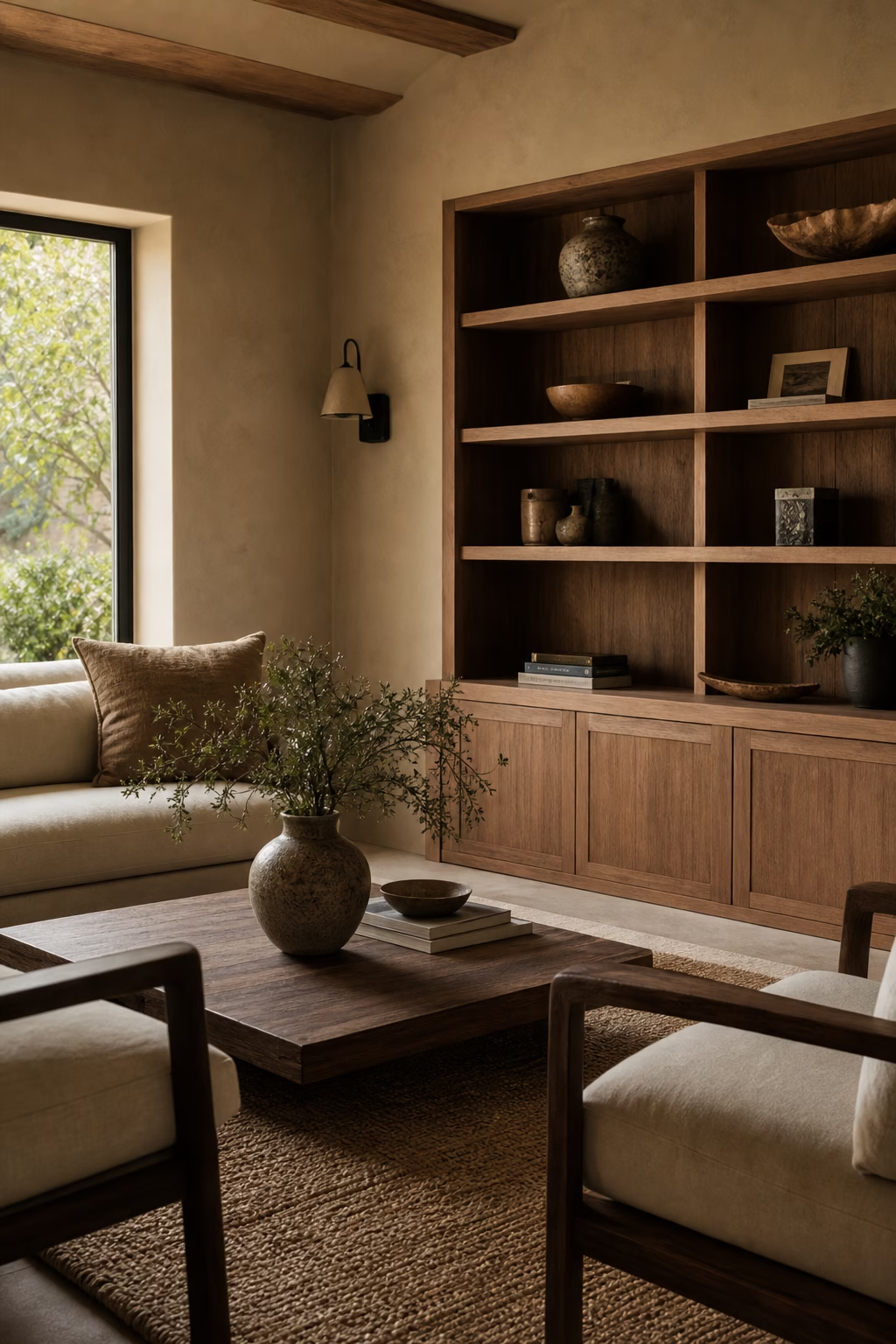
Wood brings nature indoors most convincingly when the grain is visible and the finish is not too glossy. Oak, walnut, ash, elm, and reclaimed pine can all work, depending on the architecture. Use wood where it has presence: shelving, a coffee table, chair arms, ceiling beams, or a low cabinet. The tone should repeat at least twice so it feels intentional rather than isolated. Pair deeper woods with lighter upholstery and walls, or pale woods with stronger stone and darker accents. A satin or matte finish lets the material read honestly. In an earthy room, wood should feel structural, not merely decorative.
Anchor the Room With a Natural Fiber Rug
A natural fiber rug gives the living room a grounded base before any decor is added. Jute, sisal, seagrass, wool, and flatweave blends all bring texture underfoot, but they behave differently. Jute feels soft and relaxed, sisal is more tailored, and wool is warmer for lounging. Choose a size that holds the seating group, not a small rug floating in the center. If the fiber is too rough for bare feet, layer a softer wool rug on top where people sit. The rug should connect the sofa, chairs, and tables into one zone while adding the tactile quality that earthy rooms need.

Use Stone as a Quiet Centerpiece
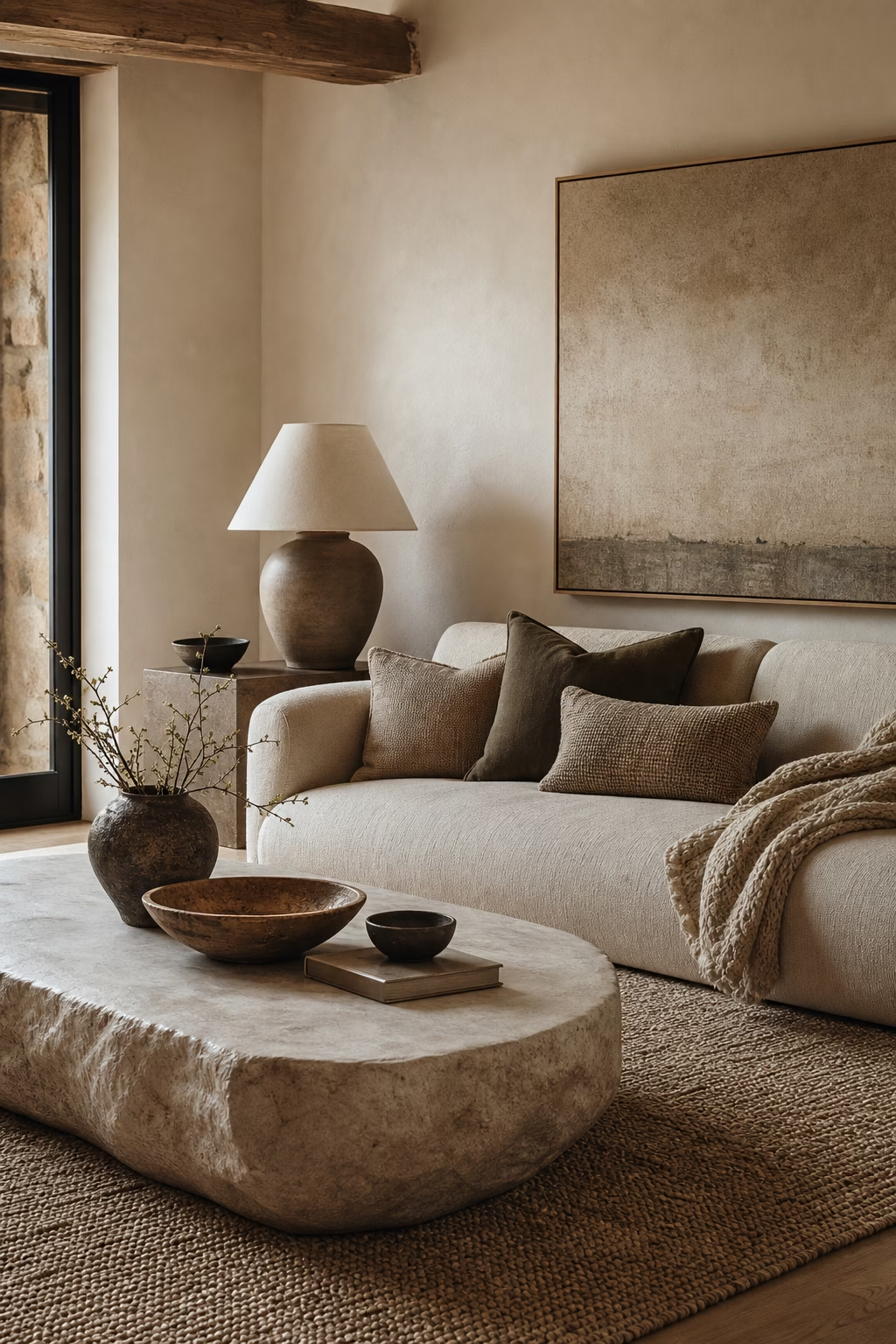
Stone adds permanence to an earthy living room, but it should be balanced with softer materials. A travertine coffee table, limestone fireplace, marble side table, or slate hearth can become a quiet centerpiece. Honed and leathered finishes usually feel more natural than high polish because they absorb light gently. Repeat the stone tone in a smaller detail, such as a lamp base or bowl, so the material belongs to the room. Keep the edges practical and the scale comfortable for daily use. The contrast between mineral surface, wool rug, and linen upholstery is what makes the room feel grounded rather than cold.

Bring in Clay, Olive, and Mushroom Tones
Earth tones work best when their undertones are disciplined. Clay, olive, mushroom, tobacco, ochre, and warm taupe can feel rich, but too many strong colors at once can become muddy. Choose one dominant neutral, one deeper earth tone, and one small accent. Mushroom walls, an olive chair, and clay pillows are enough to establish the mood. Test colors in daytime and evening light because earthy shades change dramatically after sunset. Keep the trim, ceiling, or largest upholstery slightly lighter if the room is small. A controlled palette feels natural, sophisticated, and easier to live with than a theme built from every brown object available.

Select One Sculptural Indoor Tree
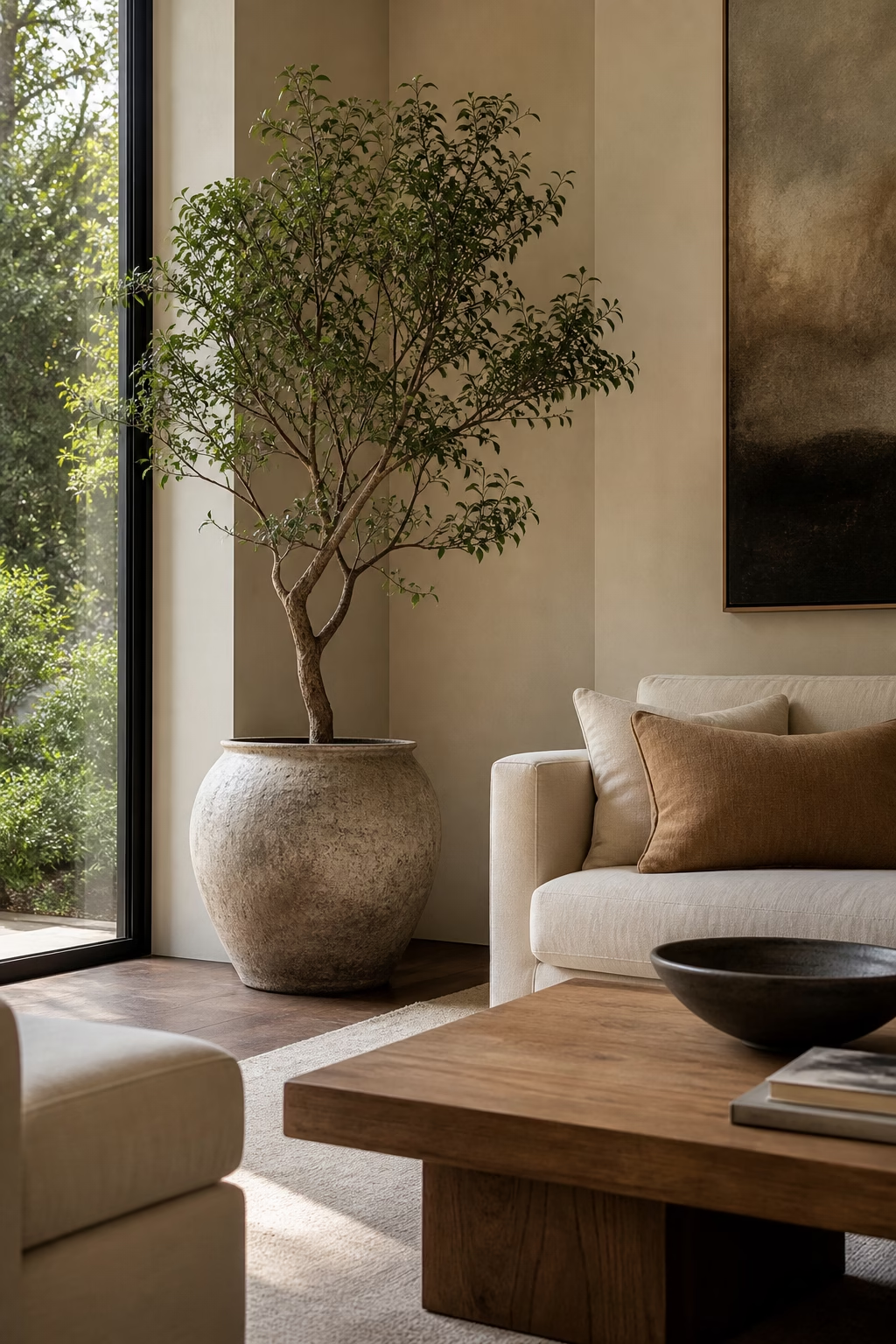
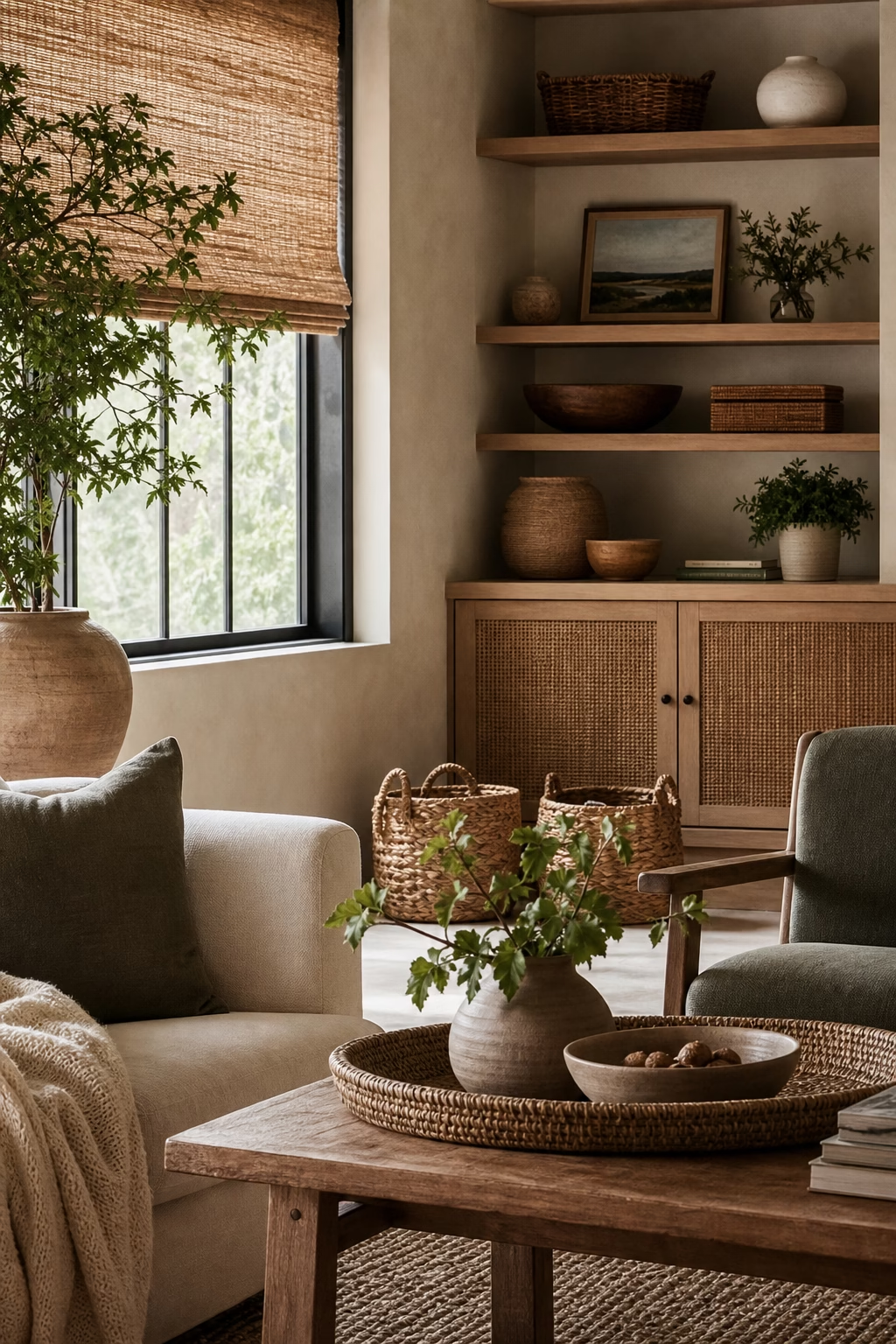
Plants make an earthy living room feel alive, but one sculptural specimen often looks better than many small pots. An olive tree, ficus, rubber plant, dracaena, or large philodendron can add height and organic movement. Place it where the light is plausible and where the leaves do not block circulation. The planter should be part of the room: terracotta, stone, ceramic, or woven fiber all work if the scale is generous. Give the plant breathing room rather than surrounding it with tiny accessories. A single healthy tree beside a window can shift the whole atmosphere of the room toward nature.
Layer Linen and Wool for Softness
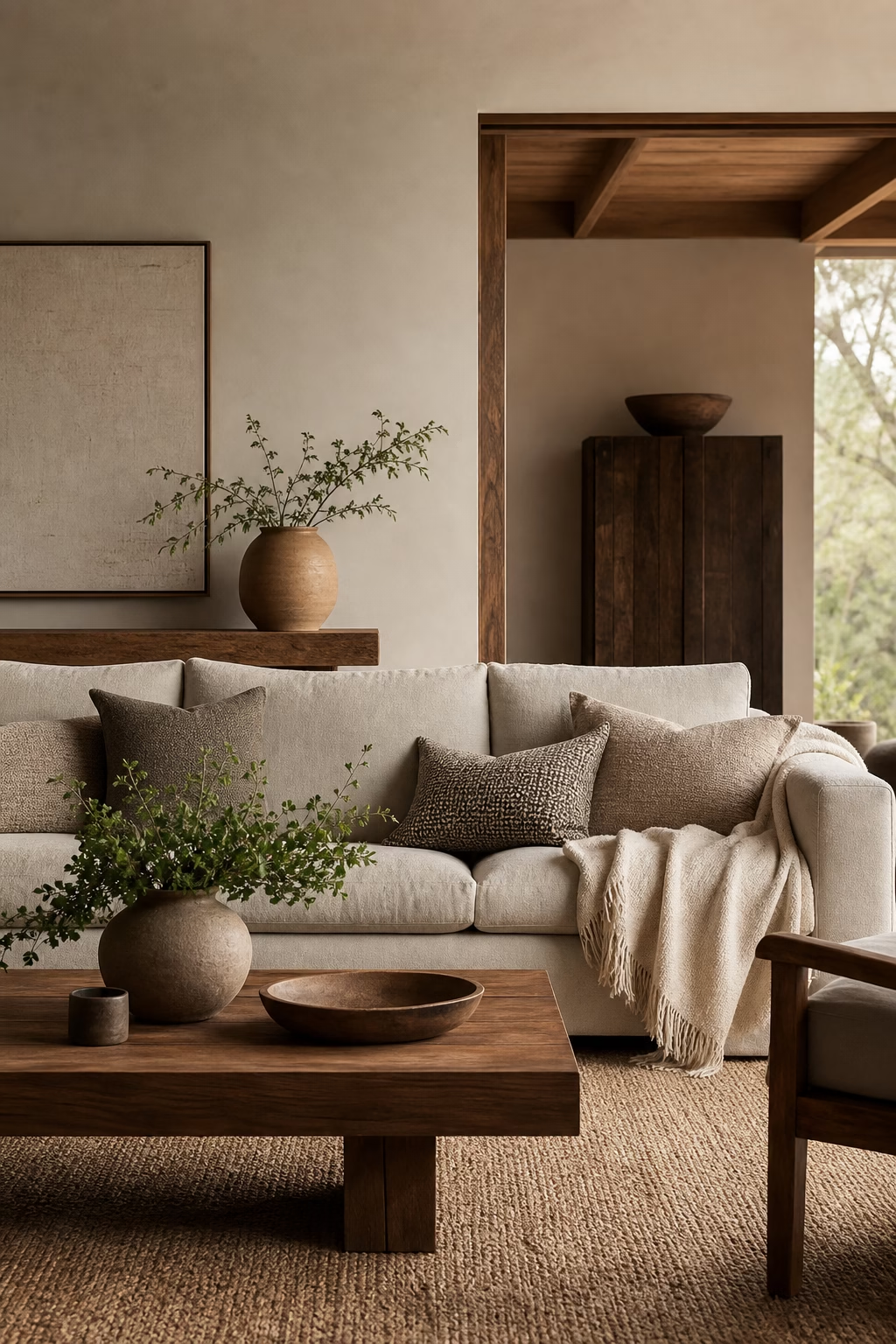
Earthy design depends on materials that feel good to touch. Linen and wool are a natural pairing because one feels relaxed and breathable while the other adds warmth and weight. Use linen on upholstery, curtains, or pillows, then bring wool through a rug, throw, or heavier cushion. Keep the colors related so the texture does the work: oatmeal, flax, stone, olive, rust, and warm gray. Avoid too many novelty textures in one room. A few honest fabrics will age better and feel more expensive. These layers also improve acoustics, making a living room with hard floors or large windows feel calmer.
Add Woven Texture Where It Works Hard
Woven texture should do more than decorate. Use it where it solves a real need: roman shades that filter light, baskets that hold blankets, a cane cabinet door that hides storage, or a rattan tray that corrals remotes. Repeating woven fibers in two or three places gives the room warmth without making it feel coastal by default. Keep the weave color close to the wood tone if you want a calm effect. In a polished earthy room, woven pieces should have clean shapes and sturdy construction. They bring the hand-made quality of natural materials while keeping the living room practical.
Keep the Fireplace Mineral and Simple
A fireplace can become the grounding element of an earthy living room if the materials are simple. Limestone, plaster, brick, clay tile, or honed stone will feel more natural than glossy tile or overly ornate millwork. Keep the mantel styling restrained: one large artwork, a vessel, branches, or a few stacked books. Firewood can be beautiful if it is stored neatly and safely. The surround should relate to the room's palette rather than shouting as a feature wall. A quiet mineral fireplace gives the space a center of gravity and makes the seating arrangement feel more settled and intimate at night.

Use Branches Instead of Formal Flowers
Branches bring a more natural rhythm than tight floral arrangements. Olive branches, eucalyptus, beech, foraged stems, or bare winter branches can add height, shadow, and movement without looking precious. Place them in a ceramic, stone, or glass vessel with enough weight to balance the scale. The arrangement should be loose, not symmetrical, and positioned where it will not block conversation. Branches also last longer than many flowers, which suits a room designed around ease. On a coffee table, console, or mantel, they connect the interior to the season outside without turning the room into a literal garden display indoors year-round.

Choose Low, Grounded Seating
Low seating gives an earthy room a relaxed profile and keeps the eye connected to windows, art, and material surfaces. A low sofa, lounge chair, or ottoman can make the room feel grounded, but comfort still matters. Check seat depth, cushion support, and back height before choosing a piece for looks alone. Pair low seating with a coffee table at the right height so daily use feels natural. Heavier fabrics, wood frames, and broad rugs help the pieces feel settled instead of temporary. The result is casual in posture but still polished in proportion and comfortable for long evenings with guests.

Let Shelving Feel Like Natural Architecture
Shelving can make an earthy living room feel architectural when it is built from warm wood or painted to blend with the wall. Use it for books, ceramics, baskets, and a few objects with organic form. Avoid packing every shelf evenly; variation and empty space matter. Closed lower cabinets are useful because they hide practical items while allowing the open shelves to stay beautiful. If the room lacks built-ins, a substantial freestanding bookcase can create the same effect. Shelving should feel like part of the room's structure, not a display unit pushed against a wall after every other decision was made.

Mix Matte Ceramics With Rougher Textures
Matte ceramics are one of the easiest ways to add earthy character without clutter. Look for bowls, lamps, vases, and vessels with slight irregularity, then place them beside rougher textures like woven fiber, stone, and wood grain. Keep the palette controlled: cream, charcoal, rust, olive, and clay usually work well. A single handmade lamp can bring more depth than several small decorative pieces. The matte surface absorbs light, which gives the room a softer mood. Use ceramics where they can be seen clearly, not crowded in a corner. Their quiet imperfection helps a modern living room feel human and tactile.
Use Natural Light as a Design Material
Natural light is part of the earthy palette. Arrange furniture so windows remain visible and daylight can move across textured surfaces. Avoid blocking a view with tall furniture unless privacy requires it. Sheer linen, woven shades, or unlined curtains can filter harsh sun while keeping the room connected to the outdoors. Notice where light lands during the morning and afternoon, then place stone, wood, or plants where the texture will be revealed. This kind of planning costs nothing but changes the mood completely. An earthy living room should feel responsive to the day, not sealed off from it visually inside.

Add Leather in a Weathered Finish
Leather can warm an earthy living room when it looks supple rather than shiny. Choose cognac, tobacco, olive-brown, or deep espresso in a chair, ottoman, sling seat, or small bench. A weathered finish with natural variation will sit more comfortably beside linen, wool, and wood than a glossy perfect surface. Use leather as an accent, not necessarily the main sofa, unless the room has enough softness elsewhere. It adds durability and a note of age, especially when paired with a woven rug and matte ceramics. The best leather pieces look better as they mark and soften over time naturally.

Ground Open Plans With a Material Change
Open-plan rooms need definition if they are going to feel grounded. Use a material change to mark the living area: a large rug, a wood ceiling beam, a plaster fireplace wall, a darker built-in, or a shift in lighting. The boundary should feel architectural, not like a decorative border. Keep the seating arranged for conversation rather than simply facing the kitchen. Natural materials help the living zone feel settled within a larger space. When the floor plan has clear cues, the earthy palette can spread into nearby rooms without making everything look like one long, undefined lounge area.

Choose Art Inspired by Landscape
Landscape-inspired art can bring the outdoors in without relying on obvious botanical prints. Look for abstract works, tonal photography, charcoal drawings, or textured canvases that suggest horizon lines, stone, trees, water, or weather. The colors should relate to the room's materials: clay, sand, olive, charcoal, cream, and muted blue are natural choices. Scale matters more than detail. One large piece above the sofa or mantel can create a view where the architecture does not provide one. Keep the frame simple, in wood, bronze, black, or linen. The art should deepen the atmosphere rather than announce a theme directly to visitors.

Let Imperfect Wood Add Age
Perfectly smooth furniture can make an earthy room feel too new. One imperfect wood piece adds age and tactility: a vintage coffee table, reclaimed bench, antique stool, or weathered cabinet. Look for honest marks, visible joinery, and a shape that still suits the room. The piece should not look damaged or unsafe; it should look used in a way that adds depth. Balance it with cleaner upholstery and good lighting so the room stays polished. This contrast is powerful because it brings nature's irregularity indoors without creating a rustic set. A single aged piece can make the whole room feel more grounded.

Use Blackened Metal Sparingly
Blackened metal gives an earthy palette structure. Use it in slim notes: window frames, lamp stems, picture frames, fireplace tools, or table legs. The finish should be matte or softly aged rather than glossy. Too much black can make the room feel industrial, but a few dark lines sharpen all the warm materials around them. This is especially useful in rooms with cream walls, pale upholstery, and natural wood because the black detail gives the eye a place to land. Repeat it lightly across the room so it feels intentional. The result is grounded, modern, and not overly sweet or heavy.

Keep Styling Low and Relaxed
Earthy styling should feel gathered, not arranged for a catalog. Keep coffee table and shelf objects low, useful, and tactile: a bowl, a book stack, a stone tray, a ceramic lamp, or a branch-filled vessel. Avoid shiny clutter and too many tiny items. The arrangement should leave room for daily life, because a natural room loses its ease when every surface becomes precious. Use asymmetry and varied heights, but keep the palette close. Low, relaxed styling lets the materials carry the mood and makes the living room feel comfortable enough to actually use every day without fuss or rearranging.

Add a Reading Corner Near the Window
A reading corner turns an earthy living room into a place of retreat. Place a comfortable chair near natural light, then add a small table, warm lamp, textured throw, and perhaps a plant or basket. The chair can be linen, leather, cane, or wool, as long as it invites a long sit. Keep the corner connected to the room through color or material, but give it enough separation from the main traffic path. This small zone supports the slower rhythm that earthy interiors suggest. It also makes use of corners that might otherwise collect random decor without purpose or comfort.

Balance Organic Shapes With Clean Lines
Organic shapes are important, but they need clean lines nearby to stay sophisticated. Pair a freeform wood table with a tailored sofa, a rounded clay vase with straight shelving, or a curved chair with a rectangular rug. This balance keeps the room from feeling overly soft or novelty-driven. Nature is full of irregular forms, but interiors still need structure. Let one or two organic pieces lead, then use simpler architecture and furniture to hold the composition. The result feels earthy and modern at the same time, with enough discipline to age well beyond the current organic decor trend cycle.

Choose Closed Storage in Natural Finishes
A grounded room still needs places to hide everyday clutter. Choose closed storage in natural finishes: wood cabinets, woven-front consoles, plaster-toned built-ins, or low sideboards with quiet hardware. This keeps remotes, chargers, games, and extra blankets from becoming part of the decor. Open shelves can hold books and ceramics, while closed doors handle the less beautiful necessities. The storage should look like furniture or architecture, not office equipment. When practical items have a calm home, the natural materials in the room can remain visible. Earthy style works best when it supports real living instead of pretending life is always perfectly edited.

Finish With Fewer Pieces That Feel Collected
The final layer should feel collected, not purchased as a set. Choose fewer pieces with material honesty: a handmade vessel, a carved wood bowl, a wool throw, a landscape artwork, a stack of books, or a stone object from a meaningful place. Give each item space so its texture and story can register. Avoid filling gaps with generic decor simply because the surface looks empty. In an earthy room, emptiness can be part of the calm. The most refined spaces let natural materials, light, and a few personal objects carry the feeling, which is why they remain beautiful after trends move on.
