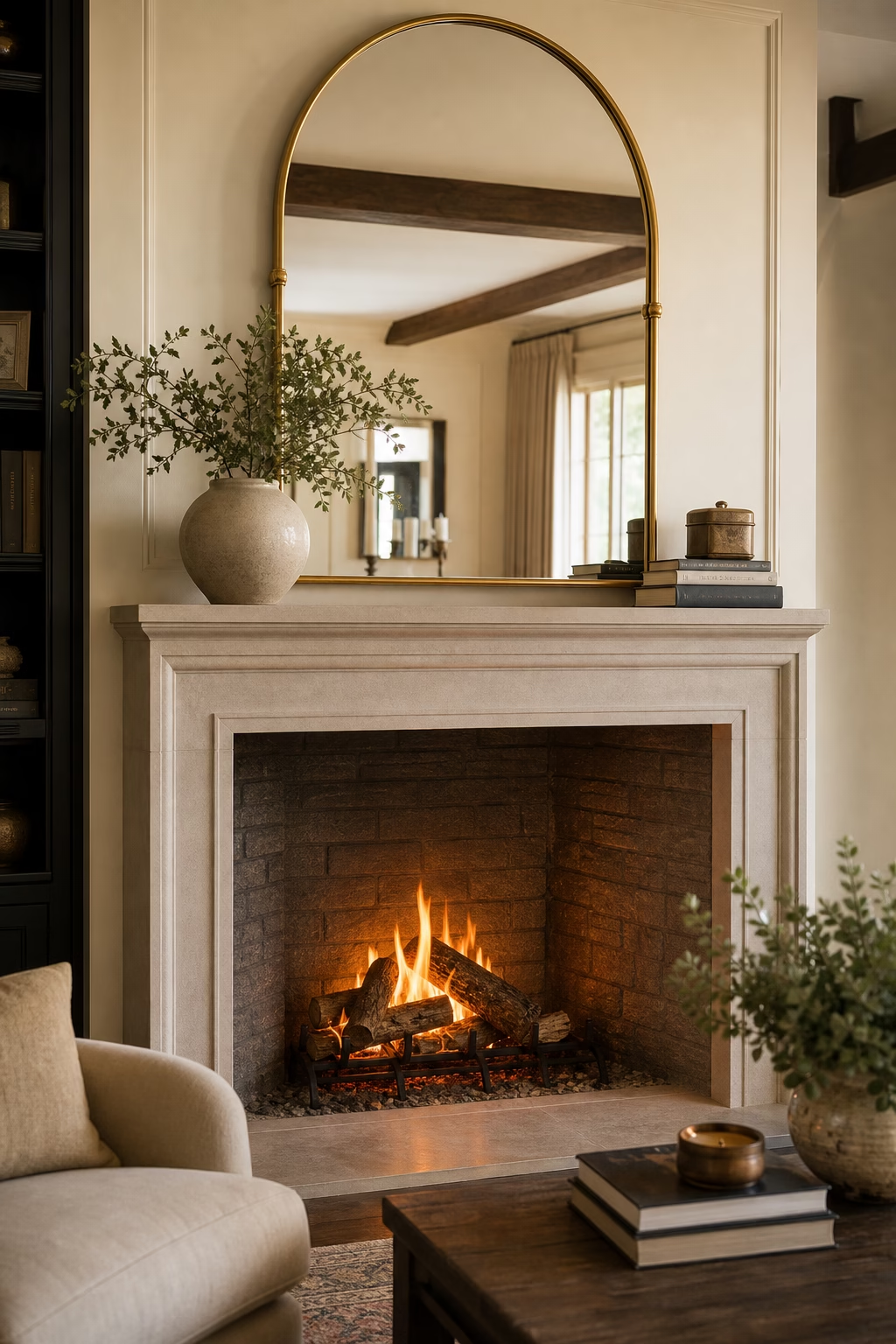
Warmer Neutrals Take Over
The strongest neutral palettes for 2026 are moving away from cold gray and toward shades that flatter skin, wood, and daylight. Think oat, mushroom, clay, soft taupe, warm white, and pale caramel. These colors are still flexible, but they give rooms a more enveloping quality than stark white. Use warmer neutrals on walls, sofas, rugs, or curtains, then add contrast through blackened metal, dark wood, or stone. The trick is undertone control. A room can feel calm and current when every neutral sits in the same temperature family rather than fighting across cool and warm directions. Layering several close tones gives the palette depth instead of dull sameness.

Sculptural Table Lamps
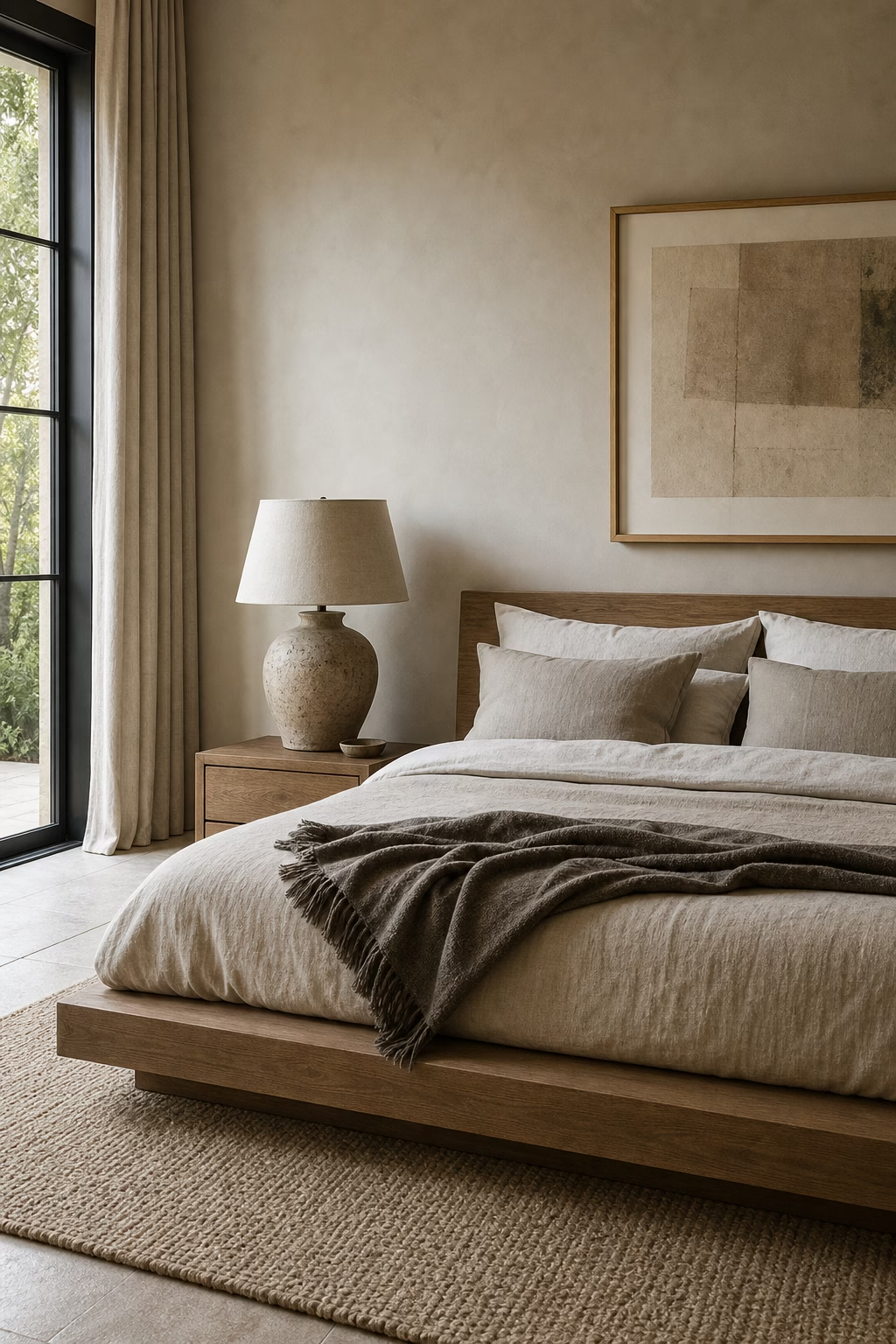
Table lamps are becoming small sculptures, especially on consoles, nightstands, kitchen counters, and bookshelves. Ceramic bases, carved wood, alabaster, smoked glass, and pleated shades can add personality without needing much extra decor. Scale matters: a lamp should have enough presence for the surface but still leave room for practical use. Warm bulbs and dimmers make the trend functional, not just pretty. Use one sculptural lamp as a focal point and let nearby objects stay quieter. This trend works because it improves atmosphere after sunset while adding shape and texture during the day. The shade shape should be as carefully chosen as the base.

Vintage Wood in Modern Rooms
Vintage wood pieces are being used to loosen up clean modern rooms. A pine chest, oak table, walnut chair, or old cabinet can make new upholstery and plaster walls feel less perfect. The piece should bring real grain, weight, and patina, not a faux-distressed finish. Give it enough space so the age reads as intentional. A single vintage item is often more effective than an entire room of antiques because the contrast stays fresh. Repeat its wood tone once, perhaps in a frame or bowl, so it belongs. This trend gives interiors soul without sacrificing modern clarity. Leave a little visual space around the piece so its patina can breathe.

Textured Walls Replace Flat Paint
Walls are becoming more tactile. Limewash, Roman clay, plaster, grasscloth, and mineral paints give rooms depth before any artwork is added. The best versions are subtle, with movement that appears in changing light rather than heavy pattern. Use textured walls in bedrooms, entries, powder rooms, and living rooms where softness matters. Keep trim and window treatments simple so the surface does not compete. This trend is popular because it makes new homes feel less thin and older homes feel more cared for. It also photographs beautifully, since real texture creates shadows that flat paint cannot imitate. It also lets simple furniture feel more integrated with the architecture.

Natural Stone Beyond the Kitchen
Stone is moving into more rooms, not only kitchens and baths. Travertine coffee tables, limestone fireplace surrounds, marble lamps, soapstone shelves, and quartzite consoles bring permanence to soft furnishings. Honed and leathered finishes feel especially current because they look tactile rather than glossy. Use stone where touch and weight make sense, then balance it with fabric, wood, and warm light. The trend can become cold if every surface is hard, so restraint is important. One substantial stone element can make a room feel expensive, grounded, and architecturally considered. A small repeat of the stone tone elsewhere helps the choice feel connected.
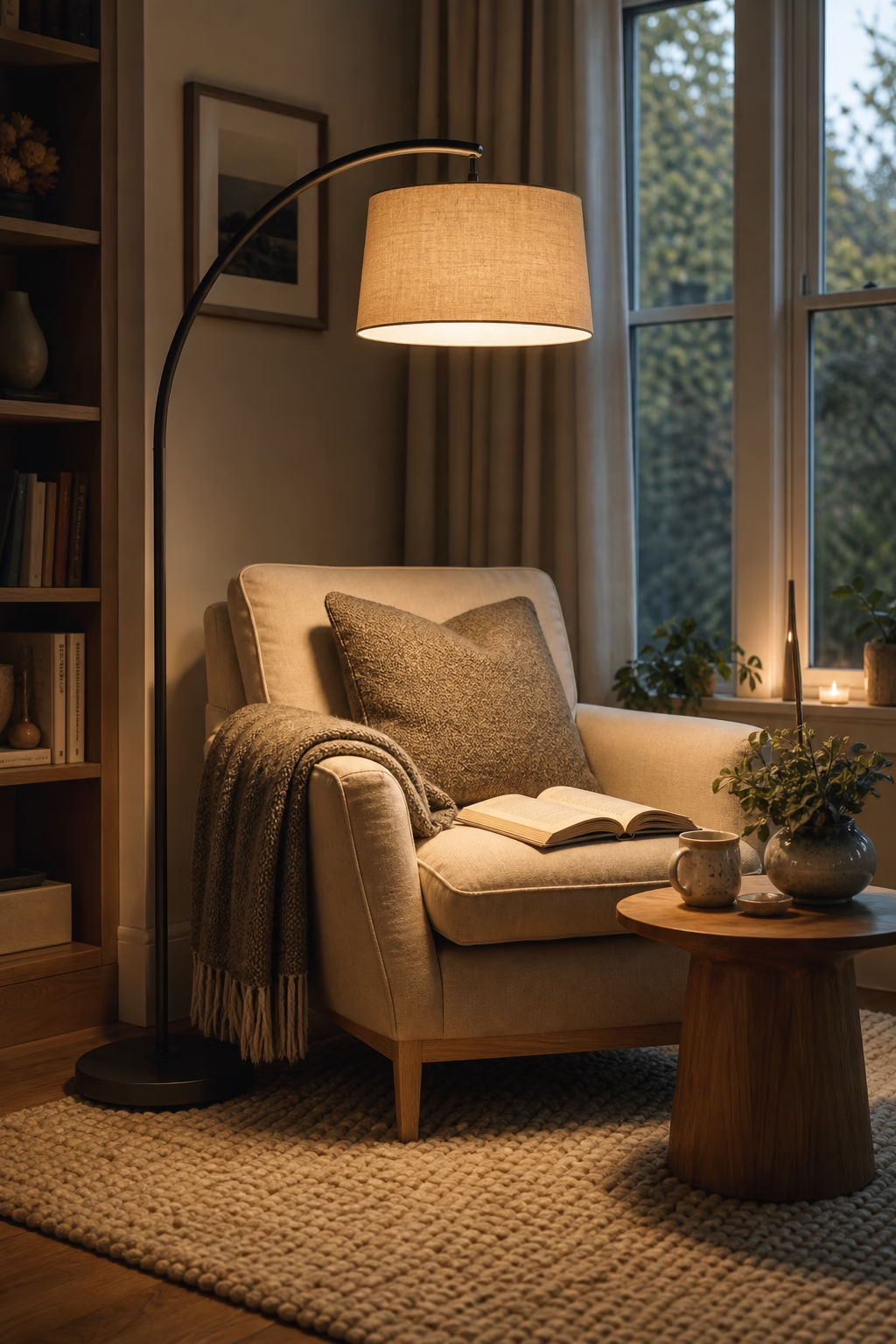
Darker Accent Woods
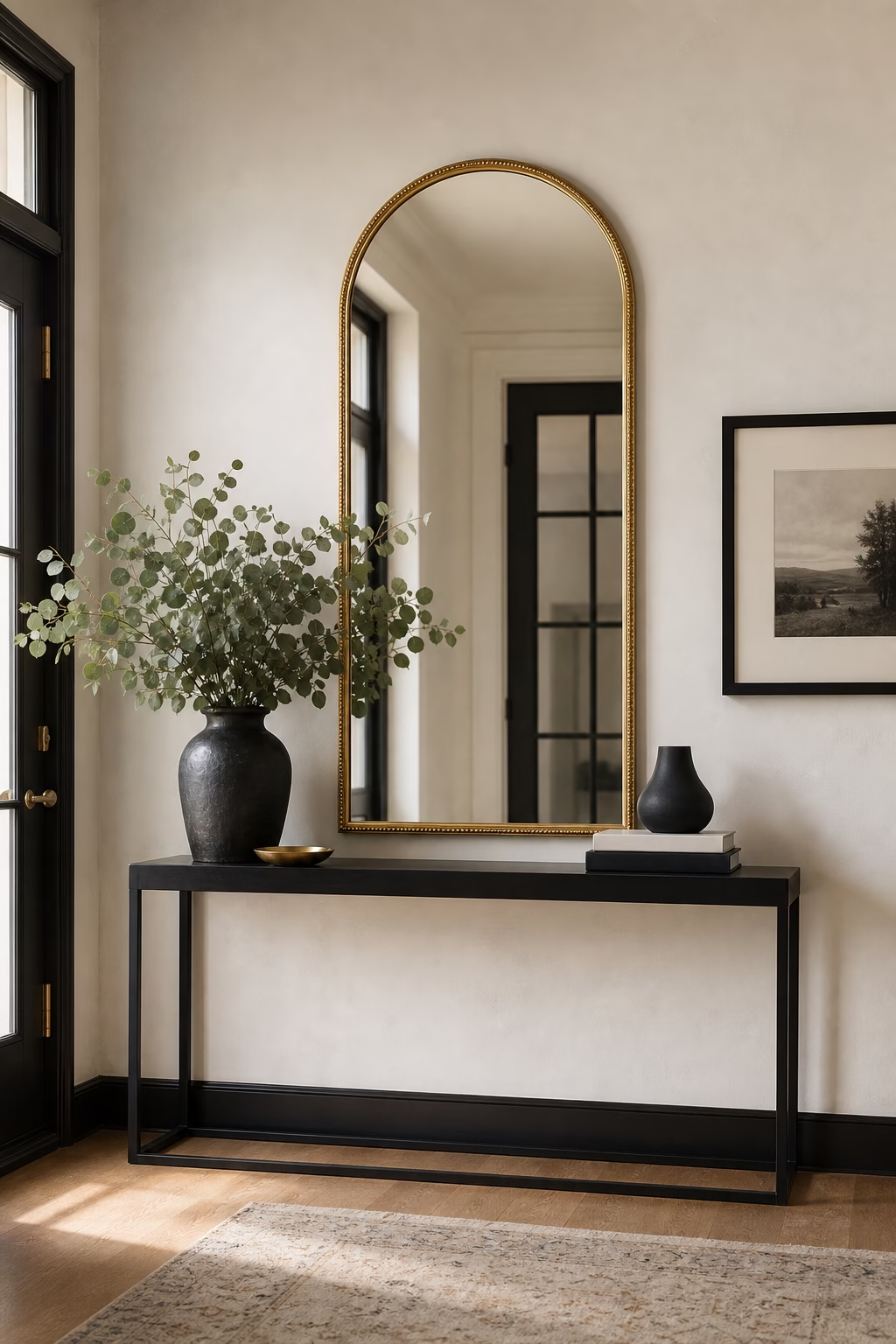
Pale oak is still important, but darker accent woods are returning to give rooms more contrast. Walnut, smoked oak, ebonized finishes, and deep stained side tables can keep light interiors from feeling washed out. Use dark wood in measured places: a dining chair, console, mirror frame, cabinet, or sculptural stool. The finish should show grain and depth, not a flat black coating. Pair it with warm neutrals and stone for balance. This trend makes rooms feel more grown-up and collected, especially when the rest of the palette is soft. One dark piece can anchor a pale room without making it heavy.
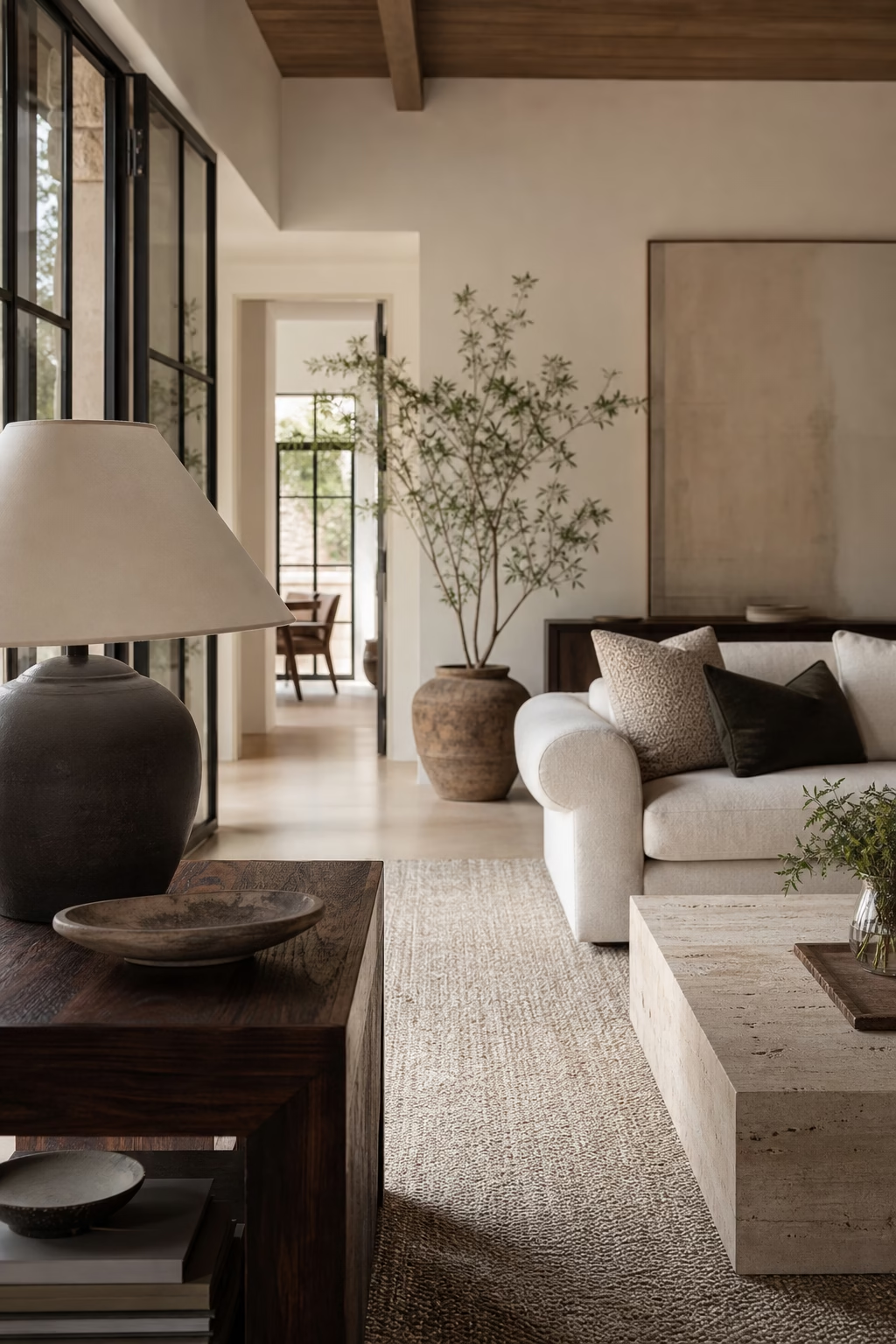
Rooms With Better Hidden Storage
Hidden storage is a decor trend because it changes how a room looks every day. Benches with drawers, built-in cabinets, skirted tables, closed media consoles, and storage ottomans help homes stay calm without pretending real life is minimal. The storage should be close to the mess it solves, whether that means toys near the sofa, shoes near the entry, or chargers beside the desk. Choose pieces with good proportions and finishes so the storage looks intentional. This trend favors beauty that works. A room feels more luxurious when clutter has somewhere logical to disappear. Interior fittings matter because storage only works when objects return easily.
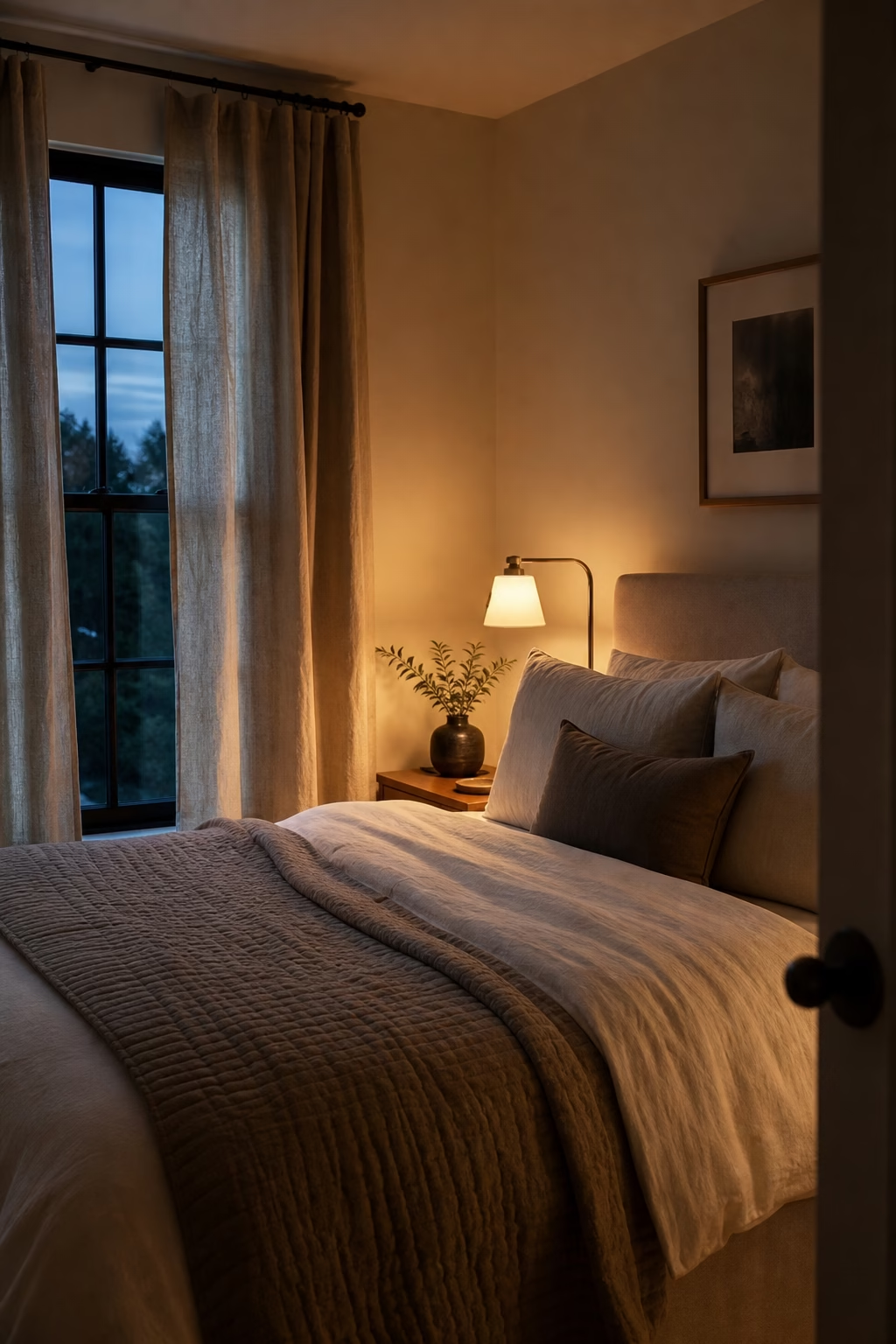
Pattern in Smaller Doses
Pattern is returning, but in controlled doses rather than full-room excess. A striped cushion, checked cafe curtain, patterned ottoman, vintage rug, or framed textile can add rhythm while keeping the larger room serene. Choose patterns that feel woven, block-printed, or naturally faded instead of overly sharp. Repeat one color from the pattern elsewhere so it does not feel random. This trend is useful for people who want personality without visual clutter. Small pattern moments bring movement and charm, especially in neutral rooms where texture alone may not be enough. Keep the scale readable from across the room, not only up close.
Artisan Ceramics on Display
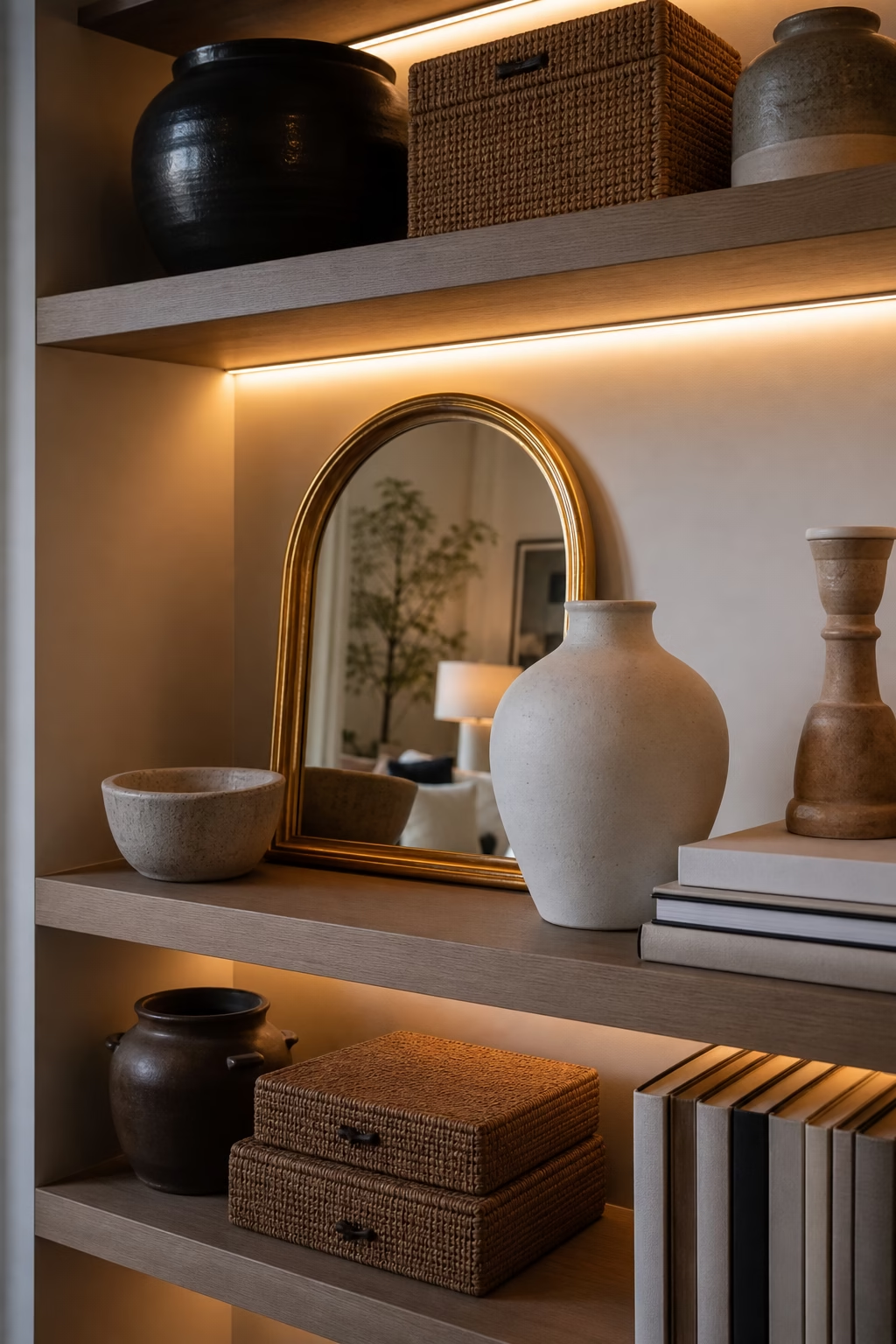
Ceramics are becoming more expressive, with handmade forms replacing generic accessories. Large bowls, sculptural vases, irregular lamps, and stoneware vessels add texture without requiring bright color. Display fewer pieces, but choose ones with weight, shape, and interesting glaze. A single oversized vessel on a console can look more refined than a crowded shelf of small objects. Ceramics work in kitchens, dining rooms, entries, and living rooms because they connect decoration to useful domestic objects. The trend feels lasting because it values hand, material, and imperfection rather than novelty. Let the silhouette do the work instead of crowding it with companions.

Layered Rugs in Relaxed Rooms
Layered rugs are becoming a practical styling tool, not just a bohemian gesture. A broad jute, sisal, or wool base can solve scale, while a smaller vintage or patterned rug adds character where people gather. Keep the top rug aligned with the main furniture group and use proper pads so the layers stay flat. This works especially well in living rooms, bedrooms, and offices where one rug alone feels too plain or too expensive at the required size. The look feels relaxed, but the measurements must be deliberate. Layering makes rooms warmer, softer, and more collected. Align the layers carefully so the informality still feels designed.
Personal Collections, Tightly Edited
Collections are becoming more visible again, but the styling is more disciplined. Books, pottery, travel objects, framed sketches, shells, or small sculptures can make a home feel specific when they are edited by color, scale, or material. Leave negative space on shelves and group objects with intention. A collection should tell the eye where to pause, not cover every surface. Closed storage nearby helps rotate pieces seasonally so the display stays fresh. This trend moves homes away from anonymous styling and toward rooms that reveal the owner's taste slowly and confidently. The edit is what turns sentiment into a polished design feature.
Softly Framed Mirrors
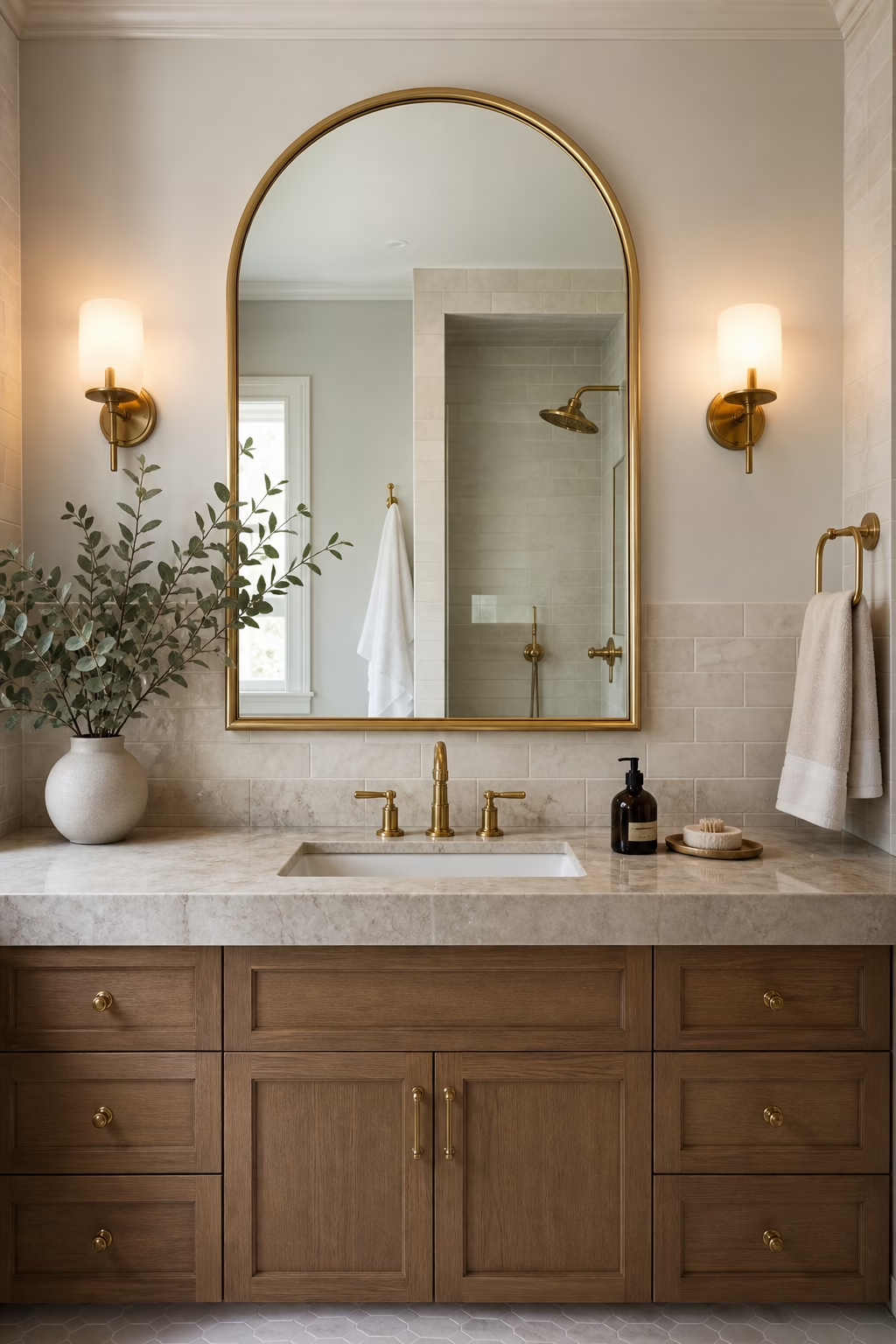
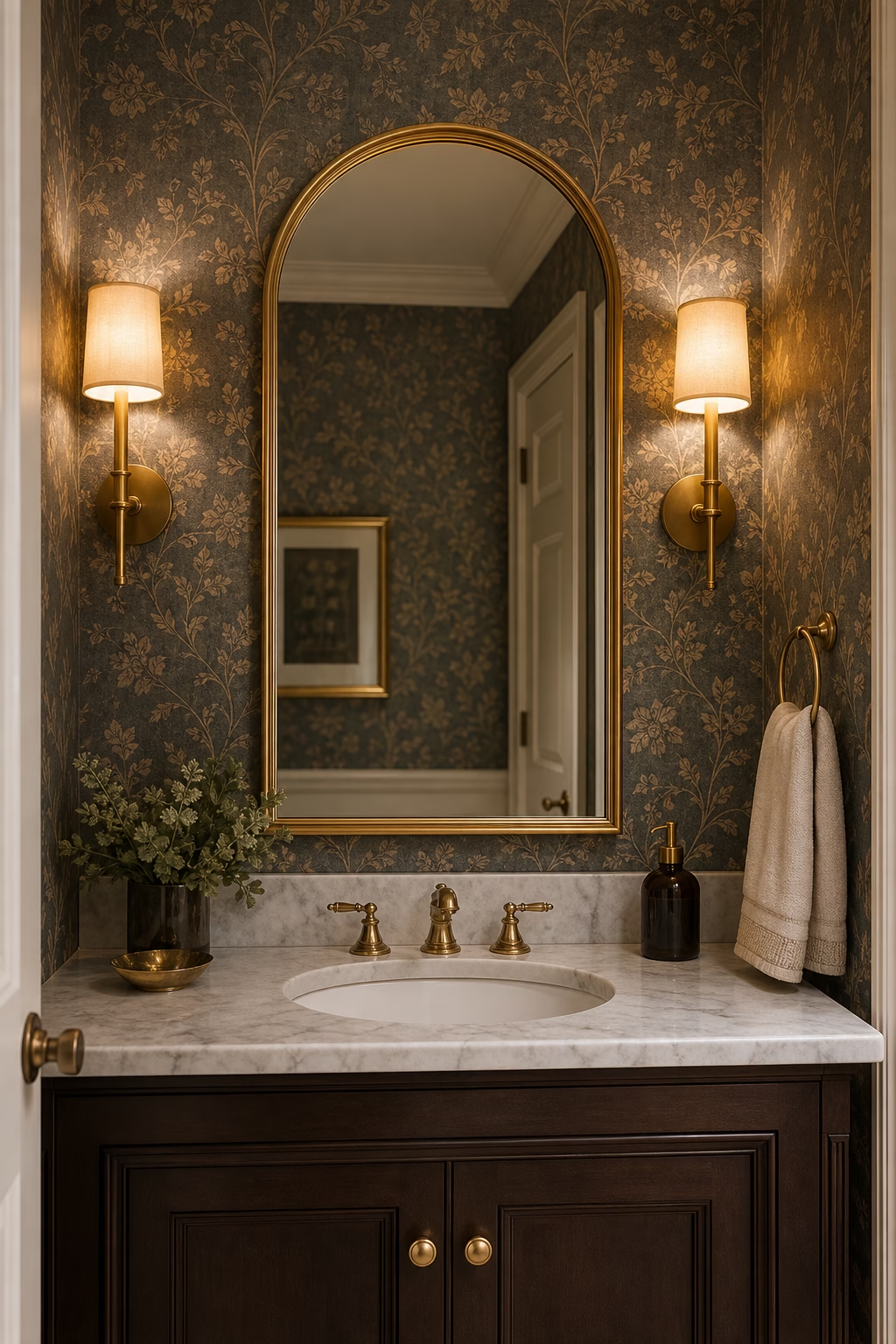
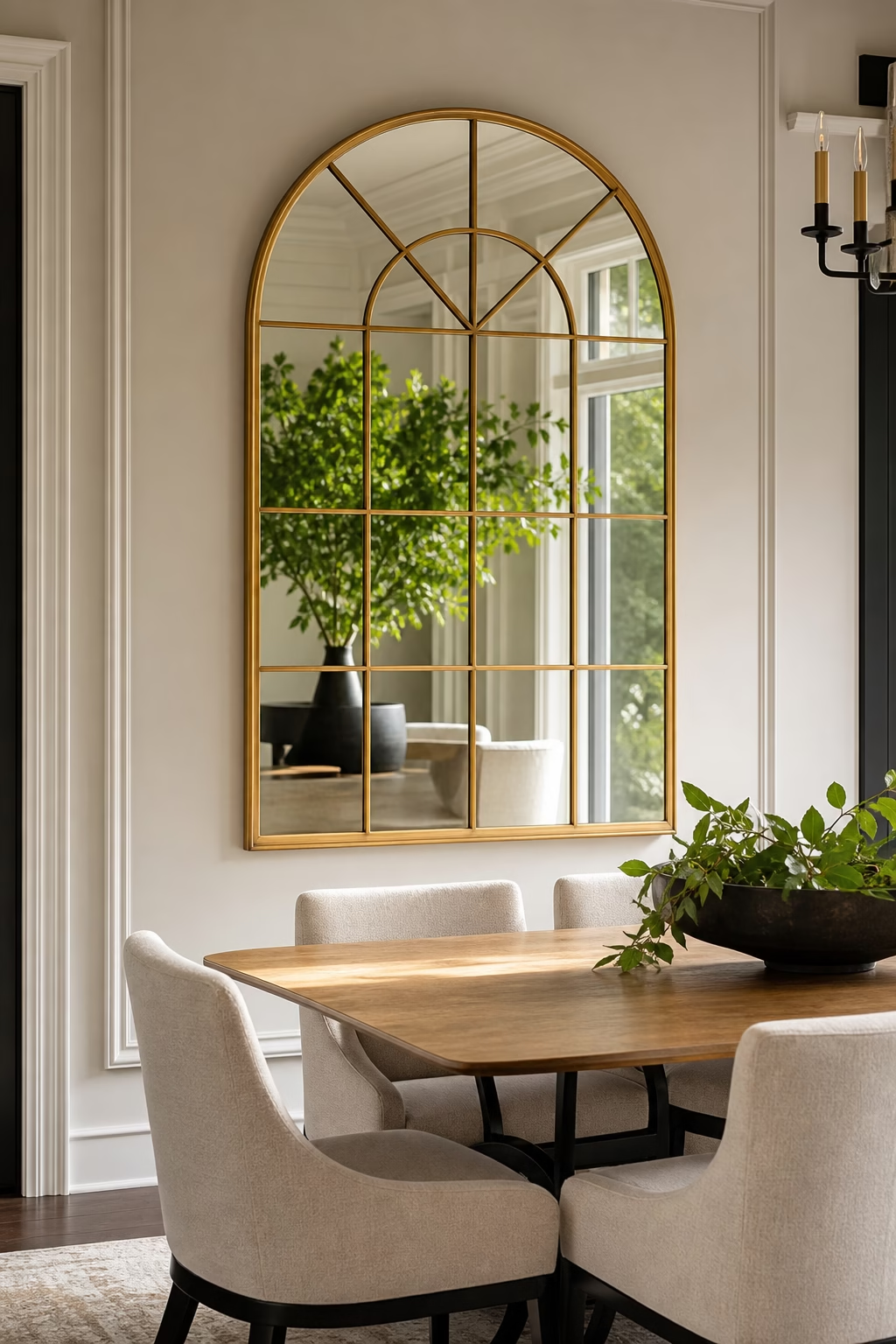
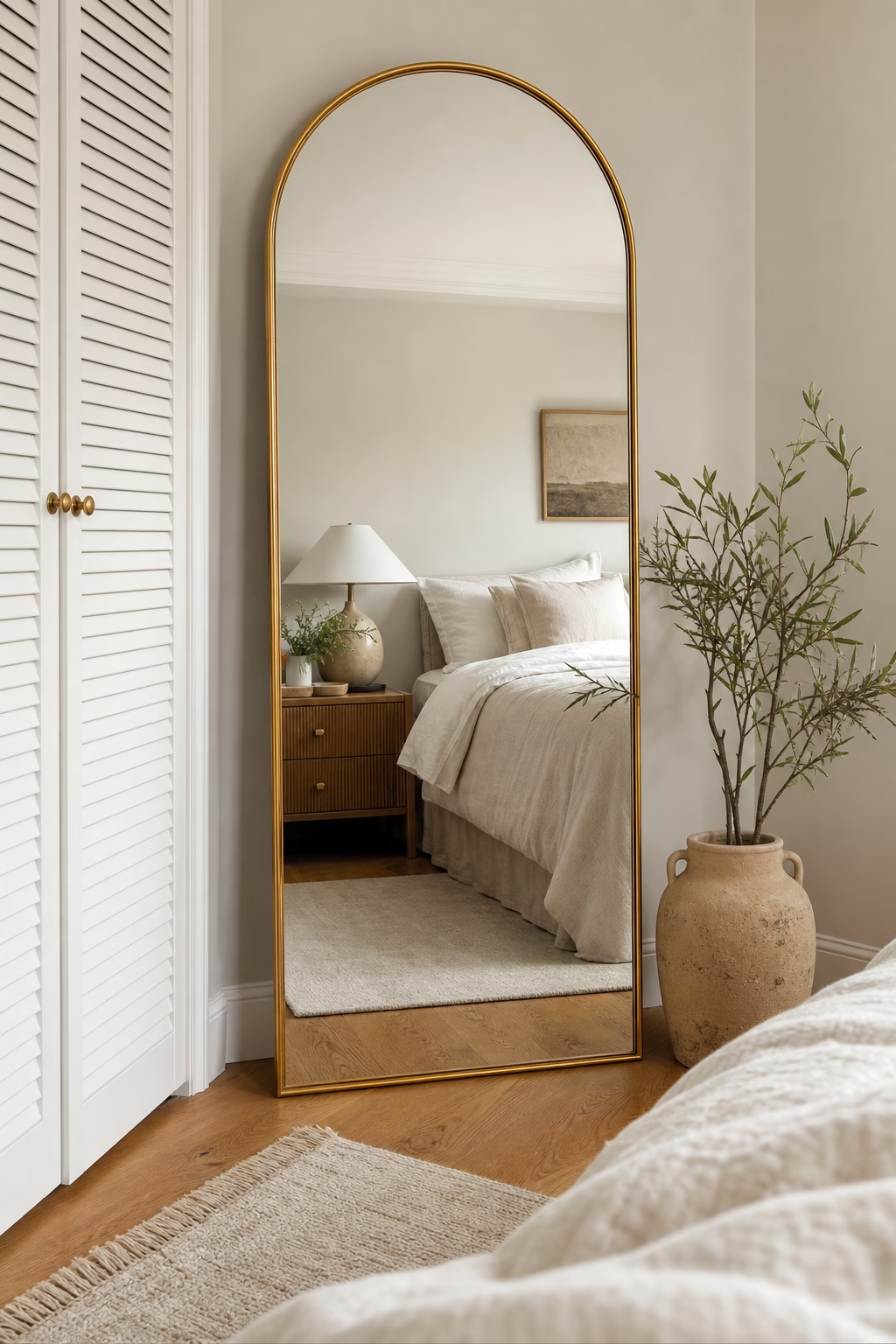
Mirrors are getting softer in shape and richer in frame material. Arched, oval, pill-shaped, and irregular mirrors bring light without the hard edges of a plain rectangle. Frames in aged brass, warm wood, plaster, leather, or dark metal help the mirror act like decor rather than a purely functional object. Placement matters because a mirror doubles whatever it faces. Aim it toward a window, artwork, lamp, or green view. This trend is especially useful in entries, bedrooms, dining rooms, and small living spaces where brightness and depth are valuable. Secure mounting is essential, especially for heavy frames above consoles and vanities.
Low, Lounge-Like Living Rooms
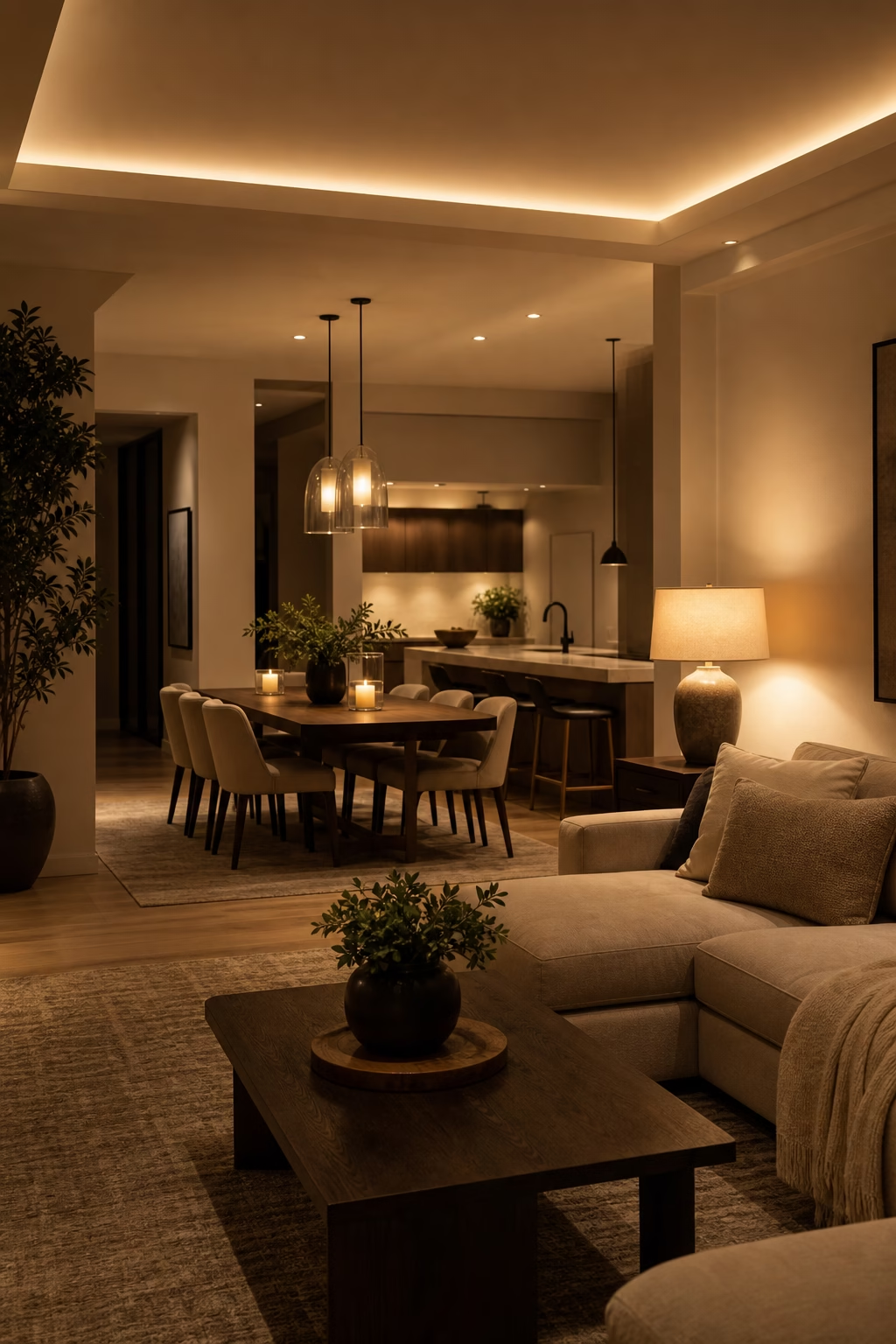
Living rooms are becoming lower, softer, and more lounge-like. Low sofas, broad coffee tables, floor cushions, generous rugs, and warm lamps create a sense of ease without losing polish. The room still needs structure, so include one vertical element such as a tall lamp, tree, artwork, or shelving. Keep seat heights compatible so conversation feels natural. A lounge-like layout works best when tables are close enough to use and pathways remain open. This trend reflects how people actually spend time at home: reading, talking, streaming, resting, and gathering in a room that feels relaxed but considered. Side tables should still be reachable from every main seat.
Decorative Hardware With Weight
Hardware is being treated as jewelry, but the best choices still feel substantial and useful. Heavier pulls, backplates, knobs, latches, and appliance handles in aged brass, bronze, or blackened metal can elevate cabinetry immediately. The scale should suit the drawer or door, with enough grip for daily use. Avoid overly ornate pieces unless the room has the architecture to support them. Repeating hardware finishes through lighting or mirror frames creates cohesion. This trend works because small contact points influence the whole experience of a room. Quality hardware makes even simple cabinetry feel more permanent. Test the feel in hand before committing across an entire room.
Bedrooms With Hotel-Level Layering
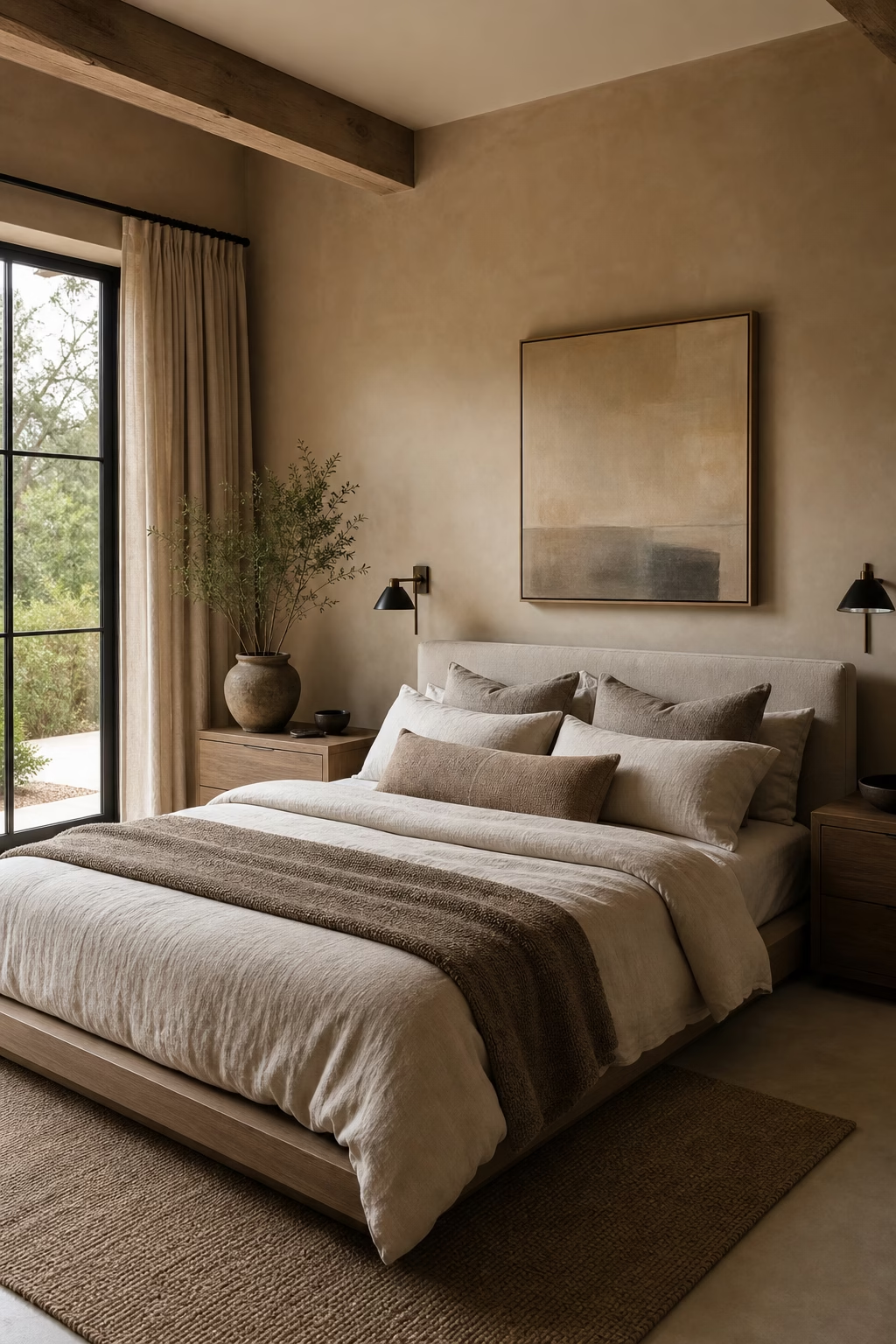
Bedroom decor is becoming more layered, but not busier. The hotel influence appears in generous bedding, proper curtains, bedside lighting, upholstered headboards, quiet rugs, and storage that keeps surfaces clear. Use texture to create comfort: linen sheets, cotton coverlets, wool throws, boucles, and soft plaster walls. Keep pillows edited so the bed still feels usable. A bedroom should also have good nighttime lighting, not only pretty daylight styling. This trend makes the room feel cared for and restorative, which matters more than adding decorative objects that have no purpose. Keep one surface clear so the room still feels restful and personal.
Outdoor Rooms Styled Like Interiors
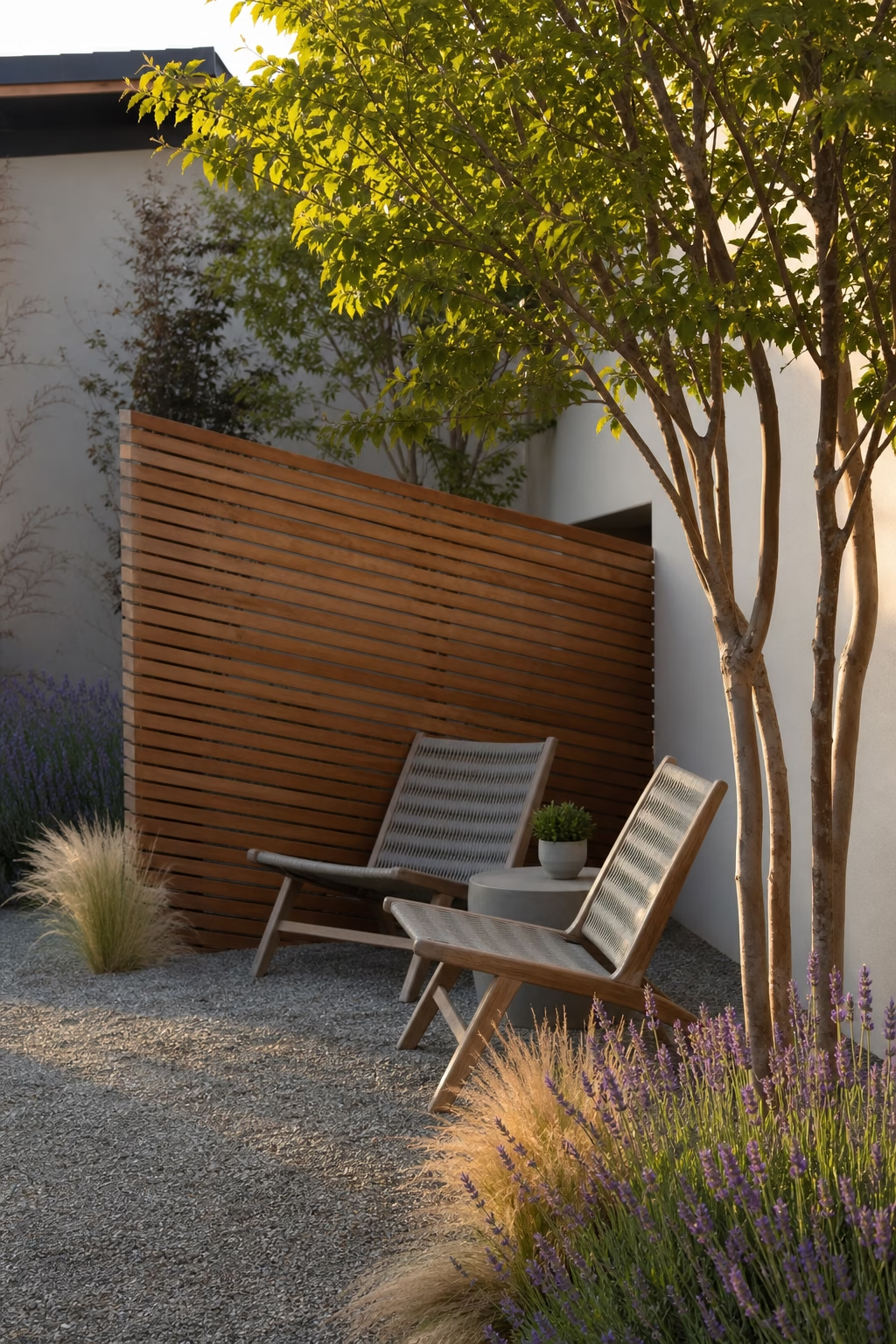
Outdoor spaces are being styled with the same care as interior rooms. Covered patios, balconies, and garden corners now use proper rugs, side tables, lanterns, cushions, planters, and durable seating arranged for conversation. Materials need to be weather-appropriate, but the composition can still feel layered. Repeat colors from the adjacent room so the transition through the door feels natural. Avoid overcrowding a small patio with too many accessories. A few substantial pieces work better than many fragile ones. This trend makes outdoor living feel less seasonal and more integrated with daily home life. Storage for cushions and lanterns keeps the setup easy to maintain.
Bolder Powder Rooms
Powder rooms remain the safest place to take a stronger design risk. Wallpaper, saturated paint, stone sinks, antique mirrors, picture lights, and dramatic sconces can all work because the room is small and used briefly. The boldness should still be coherent. Choose one main idea, then support it with good hardware, proper lighting, and a clean vanity. Ventilation and wipeable surfaces matter more than people admit. A successful powder room feels memorable without becoming impractical. This trend gives homes a moment of surprise while keeping the larger living spaces calmer. A strong ceiling color can make the small space feel intentionally wrapped.
Shelf Styling With Fewer Objects
Shelf styling is becoming quieter and more architectural. Instead of filling every shelf, use fewer objects with better scale: stacks of books, one vessel, a framed work, a lidded box, or a small sculpture. Vary heights and leave open space so each piece has room. If shelves hold everyday items, use closed boxes or baskets to control the less attractive categories. This trend makes built-ins and bookcases feel calmer, especially in open-plan rooms where shelves are always visible. The result looks more expensive because it shows restraint, proportion, and confidence. Larger pieces also make dusting and seasonal editing much easier.
Timeless Pieces Over Fast Decor
The most important 2026 trend is a slower attitude toward buying. Instead of filling a room with fast decor, invest in fewer pieces that improve the way the home feels and functions. A better lamp, real rug, quality chair, framed art, handmade vessel, or useful storage piece will outlast novelty accessories. This does not require everything to be expensive. It requires choosing with more patience and editing what no longer serves the room. Homes feel more luxurious when objects have purpose, proportion, and material integrity. The trend is less about a look and more about lasting judgment. The room becomes easier to update because the foundation is stronger.