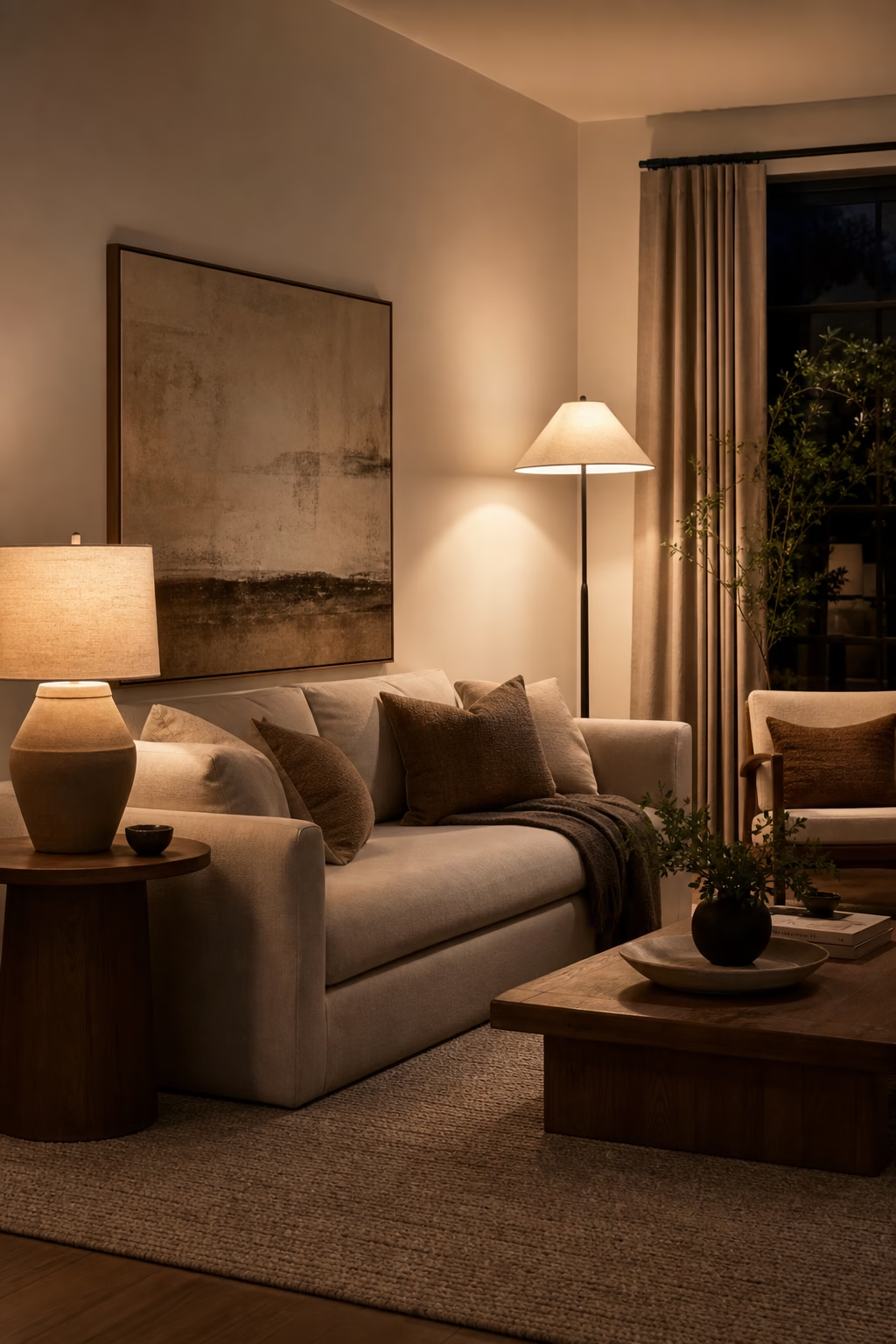
A neutral living room only feels warm when the palette, texture, light, and furniture scale are doing real work. The goal is not a room without color; it is a room where every quiet tone has depth, every material has touch, and the layout feels easy to live in.
Choose Neutrals With Warm Undertones
A neutral living room starts to feel inviting when the undertones are chosen deliberately. Warm white, oatmeal, stone, mushroom, flax, greige, and soft taupe sit more comfortably together than a random mix of bright white and cool gray. Test fabrics and paint in the same daylight the room actually receives, because a shade that looks creamy in a store can turn flat at home. Keep the lightest tones on larger surfaces, then add deeper neutrals through pillows, rugs, lampshades, and ceramics. The palette should still have movement. When every neutral carries a little warmth, the room feels calm without feeling cold.
Layer Texture Before Adding More Decor
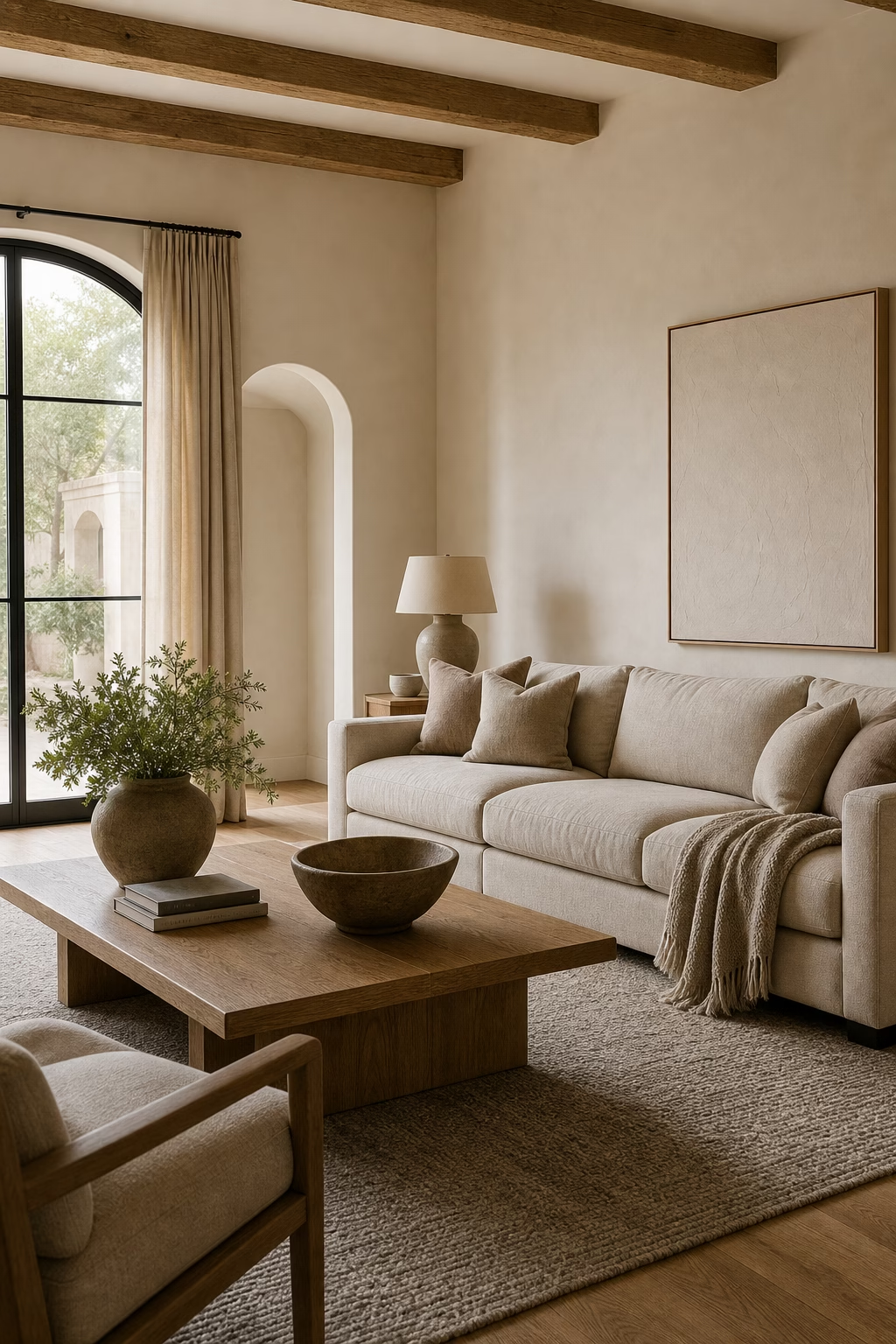
Texture is what keeps a neutral room from looking unfinished. Instead of adding more small accessories, build a mix of touchable materials: linen upholstery, a wool rug, boucle or velvet on one chair, woven baskets, plaster walls, matte ceramics, and visible wood grain. Keep the colors related so the contrast comes from surface rather than clutter. A smooth stone table beside a nubby rug, or a crisp cotton curtain beside a slubby sofa, gives the eye something to read. This approach works especially well when the room has simple architecture. Texture makes quiet colors feel layered, expensive, and lived in.
Anchor the Room With Natural Wood
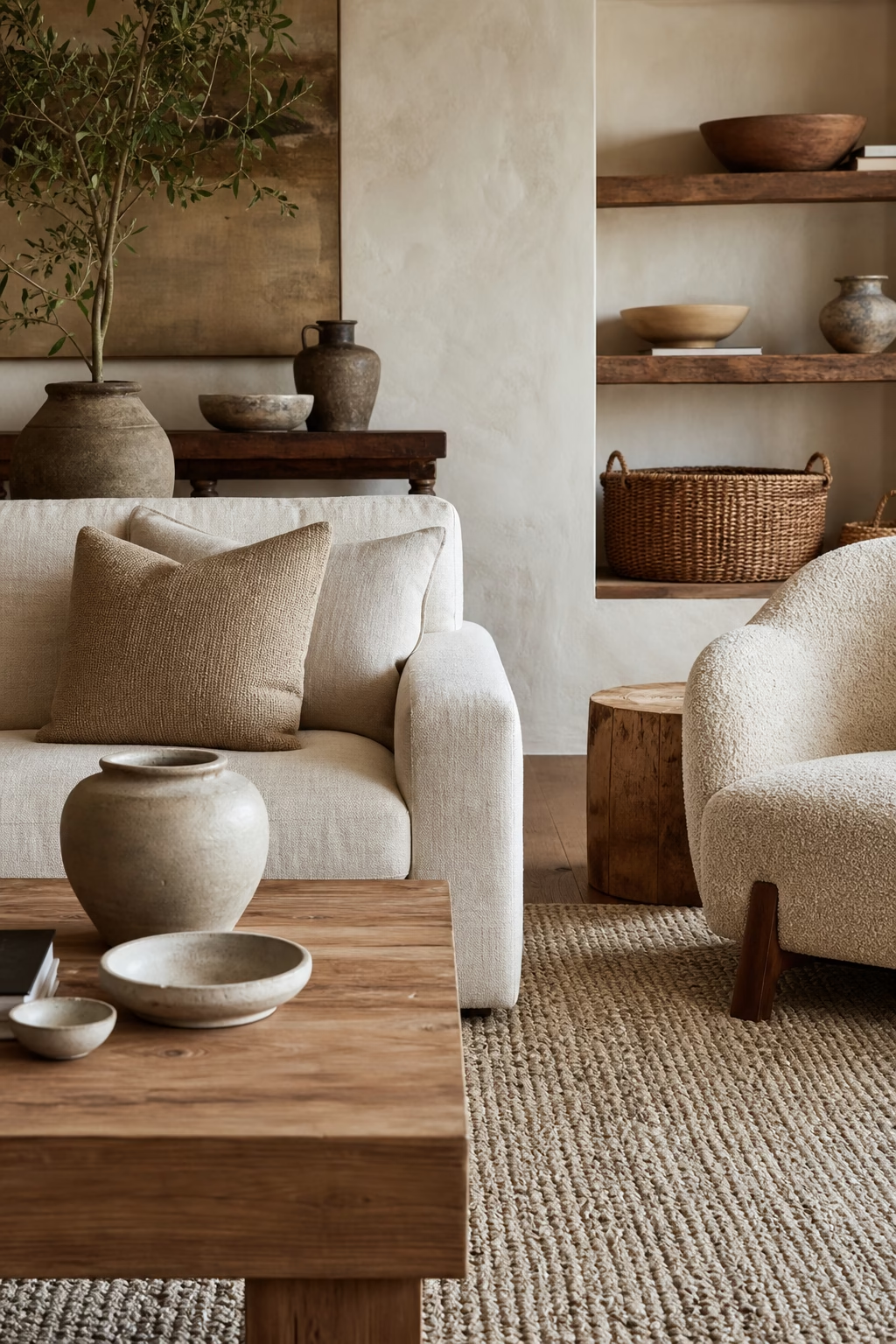
Wood brings warmth into a neutral living room because it adds grain, weight, and a human scale. Use it where it will be noticed: a coffee table, sideboard, picture frames, stool, shelving, or the legs of a lounge chair. The pieces do not need to match, but their undertones should speak to each other. Pale oak, honey ash, and walnut can coexist when repeated thoughtfully instead of appearing once as an accident. Matte and satin finishes usually look softer than glossy varnish. Natural wood also prevents pale rooms from floating away, giving the seating area a grounded, settled feeling. Repeat it at eye level and low level.
Use Quiet Contrast to Define the Space
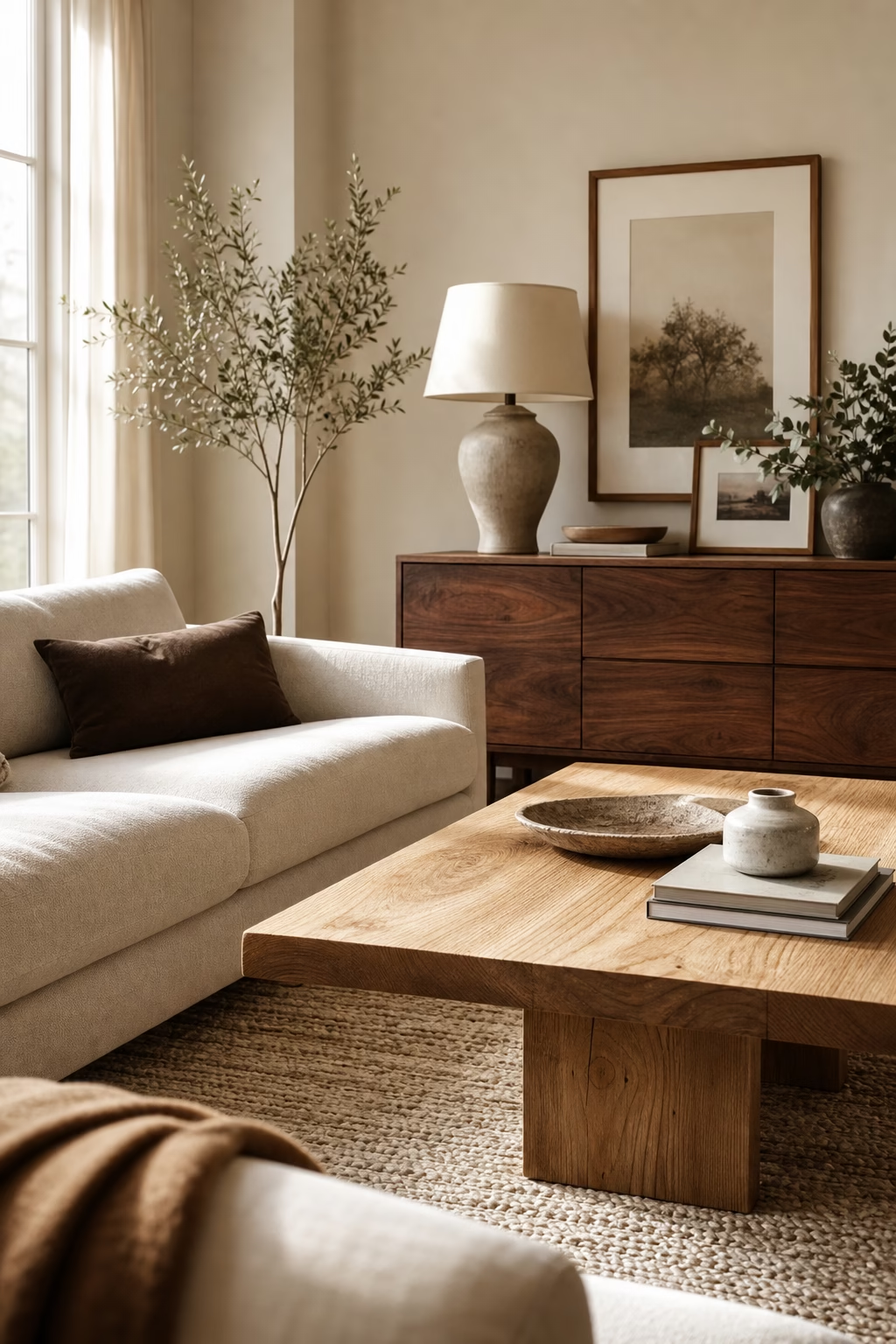
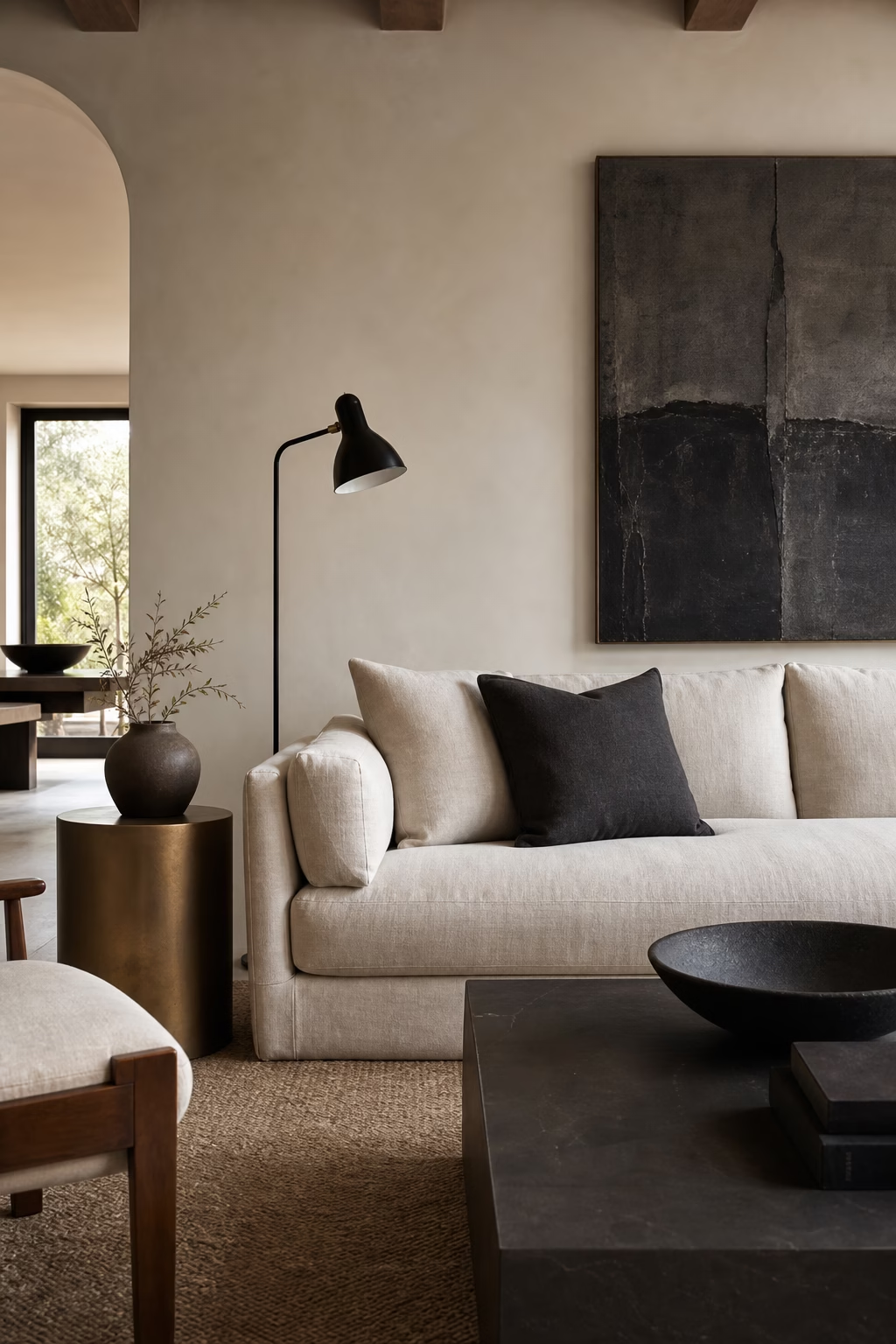
A room can stay neutral and still have contrast. The trick is to use small, controlled dark notes rather than heavy blocks of color. A black metal floor lamp, charcoal artwork, dark stone bowl, bronze side table, or deep wood frame can sharpen a pale living room without changing its mood. Place these accents at different heights so the eye moves around the space. If every object is the same pale value, the room can feel washed out; if the contrast is too strong, it stops feeling restful. A few quiet anchors make the soft palette look intentional. Keep their shapes simple and useful.
Pick Seating That Looks Relaxed, Not Saggy
Warmth is partly visual, but it is also physical. A neutral living room should offer seating that invites people to stay without looking overstuffed. Choose a sofa with enough depth for real comfort, then balance it with a lounge chair, ottoman, or bench that keeps the room open. Rounded arms, loose but tailored cushions, and soft upholstery help the room feel relaxed. Leave clear space around the coffee table and between seats so the layout does not feel squeezed. The best neutral rooms look calm because the furniture is scaled correctly, not because every surface is empty. Comfort should still look tailored.

Soften the Windows With Full-Length Fabric
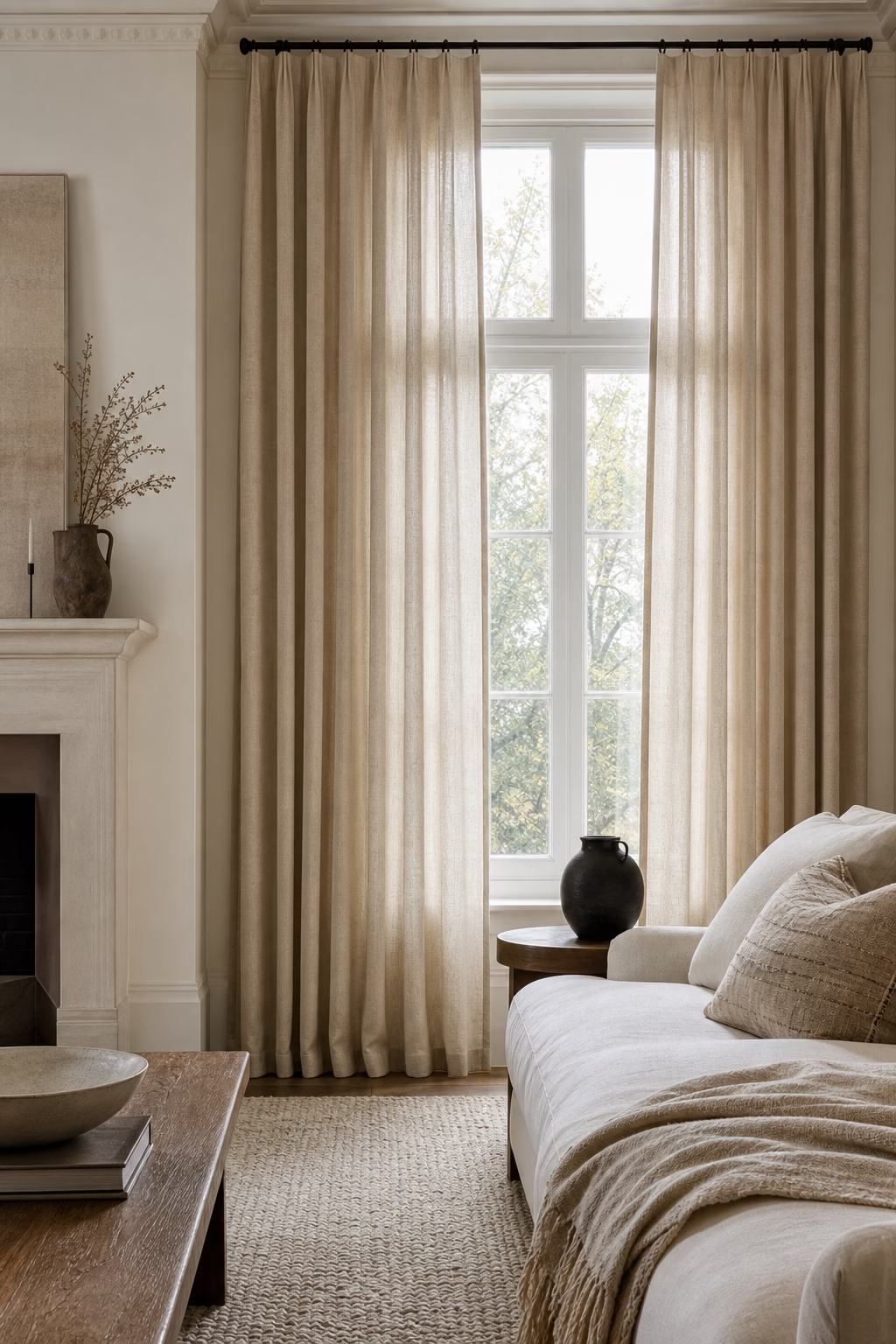
Bare windows can make a neutral living room feel sharp, even when the furniture is soft. Full-length curtains add vertical movement, privacy, acoustic comfort, and a more finished edge to the architecture. Hang the rod high and wide so the panels frame the glass and let in as much light as possible. Linen, cotton, wool blend, or textured sheers all work, depending on how much privacy the room needs. In a small space, keep curtains close to the wall color; in a larger room, a slightly deeper neutral can add structure. Let the hem meet the floor cleanly. Use generous fullness, not skimpy panels.
Edit Accessories Into Stronger Groups
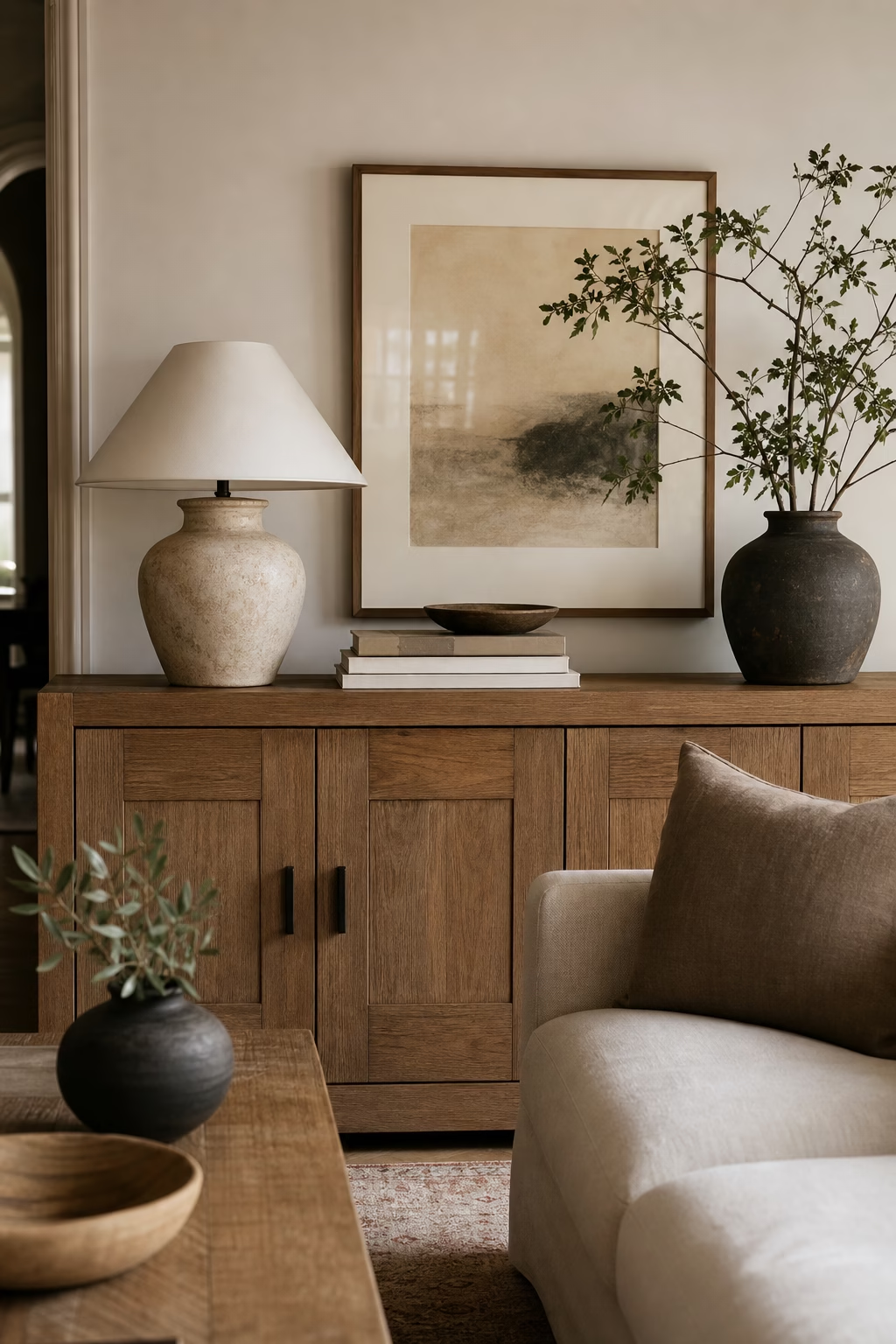
Neutral rooms often fail when every surface carries a scattering of small objects. Edit accessories into fewer, stronger groups so the room feels personal but not busy. On a console, try a ceramic lamp, two stacked books, a low bowl, and one framed piece of art. On a coffee table, leave open space for daily use and keep decorative objects low enough for conversation. Repeat materials from the room, such as oak, stone, linen, black metal, or cream pottery. The goal is not emptiness; it is rhythm. A handful of well-placed pieces can do more than a crowded collection.
Finish With Lighting That Warms the Edges
Lighting is the final test for a neutral living room. During the day, pale surfaces may look calm, but at night they can turn flat unless the room has light at several heights. Use a floor lamp near a chair, table lamps beside the sofa, and a small glow on shelves or artwork. Warm bulbs and fabric shades are usually more flattering than exposed bright fixtures. Dimmers help the room shift from practical to relaxed without rearranging anything. When the corners glow softly, texture becomes visible and the neutral palette feels warmer, deeper, and more welcoming after sunset. Avoid glare from bare bulbs.