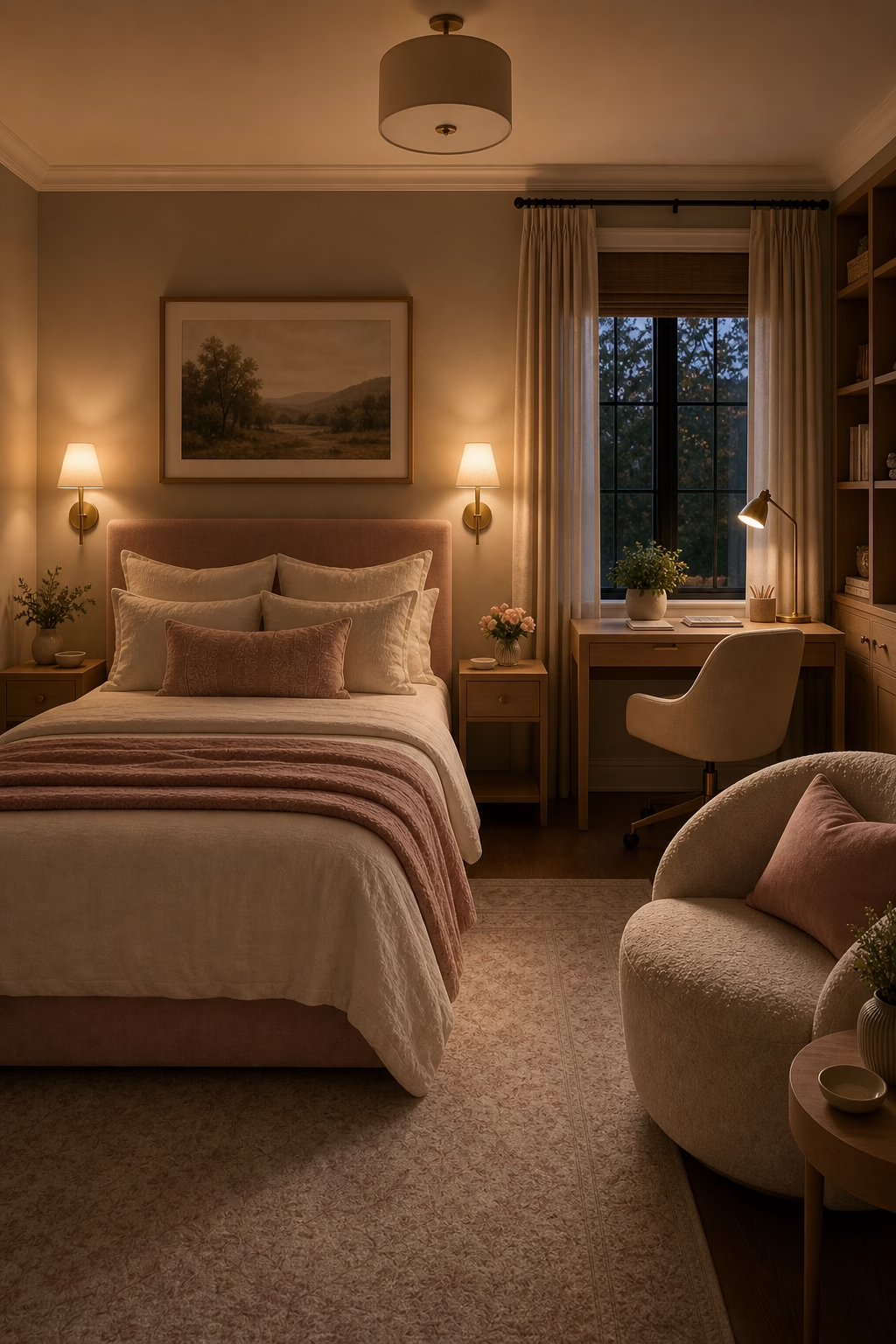
Start With a Bed That Feels Anchored
The bed should look settled into the room, not pushed against a wall as an afterthought. A properly scaled upholstered, wood, or slipcovered headboard gives the retreat its first layer of architecture. Choose a height that relates to the ceiling and bedside lamps, then leave enough width for nightstands that can actually hold a book, water glass, and small tray. In a calm bedroom, the bed frame does not need to shout; it needs proportion, texture, and a finish that works with the flooring. Add a bench only if there is generous clearance at the foot. When the bed feels anchored, every softer detail around it looks more intentional.
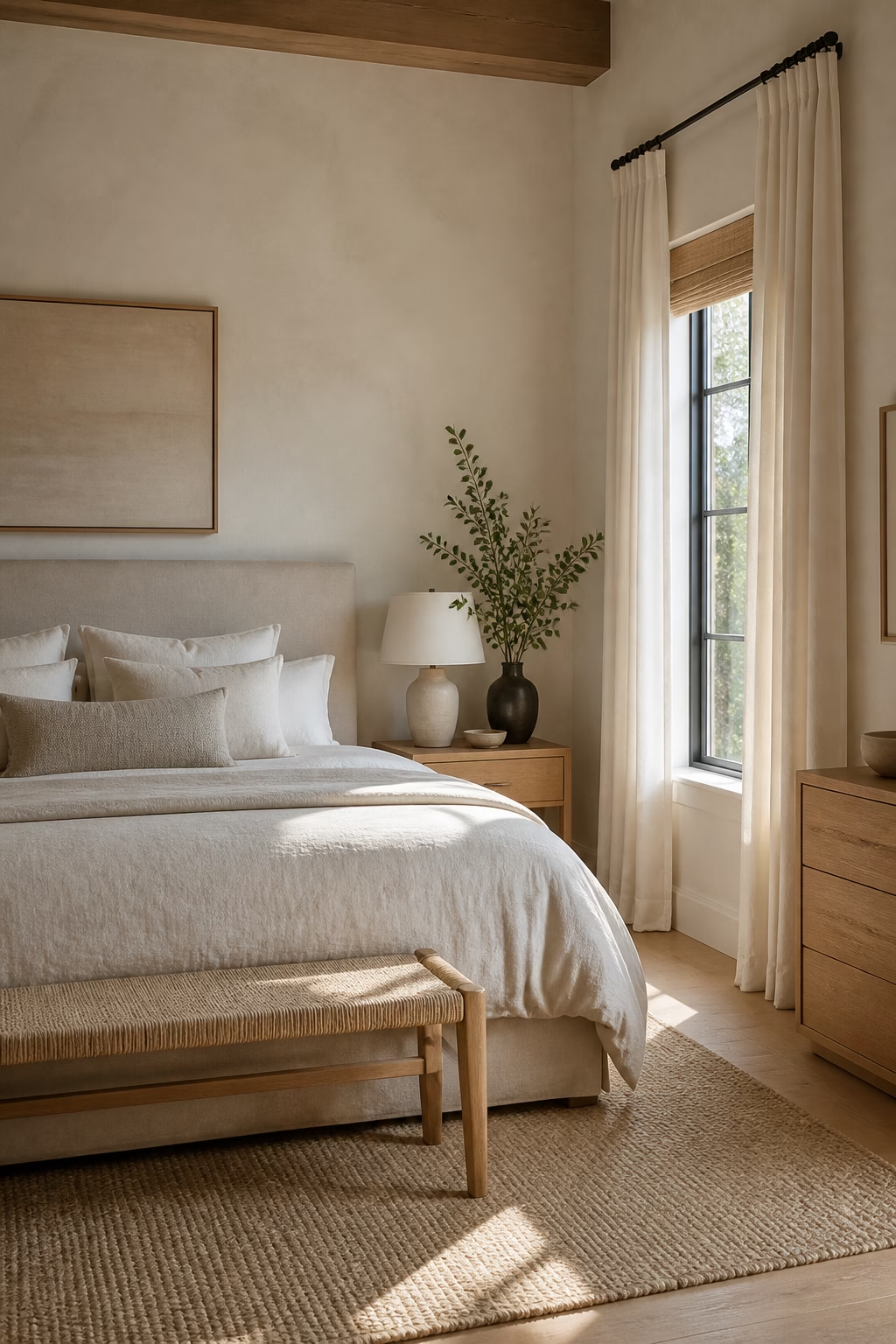
Layer Bedding Like a Hotel Suite
Layered bedding is what makes a bedroom feel indulgent before anything decorative is added. Start with breathable sheets, then add a duvet or coverlet that drapes generously over the mattress. Two sleeping pillows, two supportive shams, and one long lumbar pillow usually look more refined than a mountain of small cushions. Mix textures instead of loud patterns: crisp cotton, washed linen, matelasse, wool, or a light quilt. The palette can stay quiet if the tactile contrast is strong. Fold the top layer back slightly so the bed looks inviting rather than staged. Good bedding gives the room softness, volume, and an everyday sense of care.
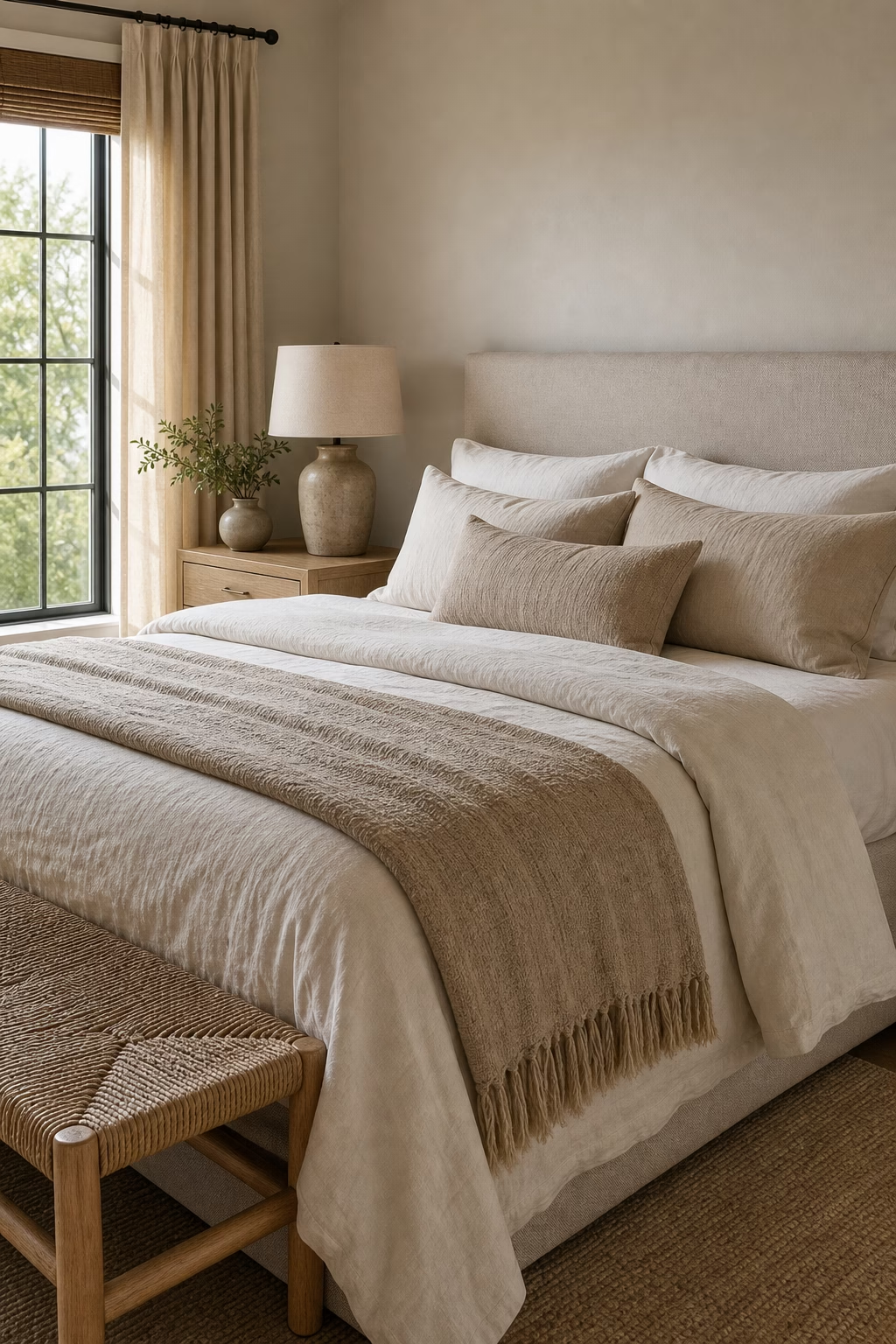
Use Nightstands With Real Storage
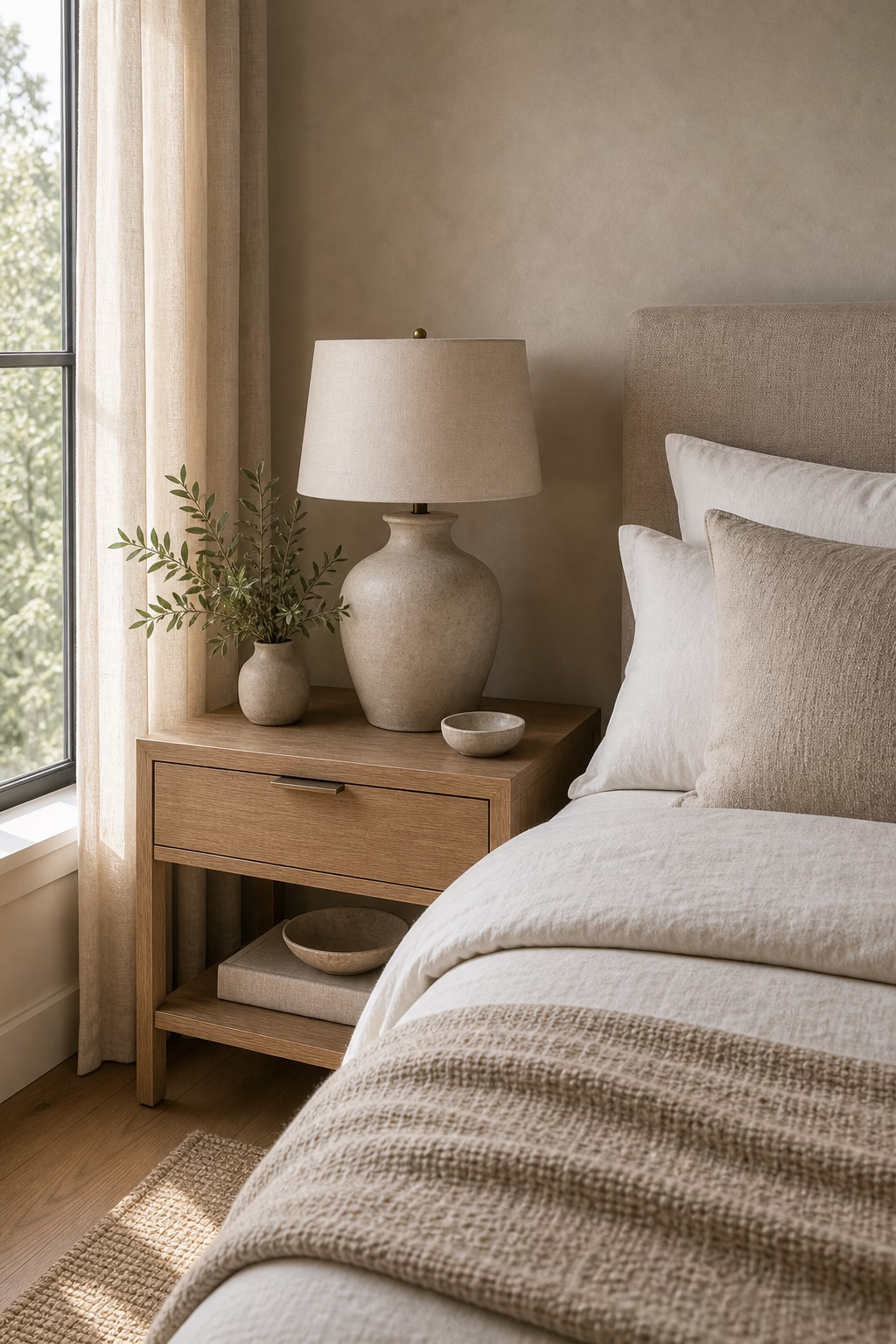
A personal retreat works better when the visible surfaces stay calm. Nightstands with drawers or closed shelves hide chargers, lip balm, reading glasses, and the small practical things that make bedside life easier. The size should relate to the mattress height, with the top close enough to reach from bed. If the room is narrow, choose a floating drawer or slim oval table with a concealed shelf rather than forcing a bulky cabinet. Matching nightstands give symmetry, but complementary pieces can feel collected if their heights align. Keep the top edited: lamp, water, a book, and one small object are usually enough.
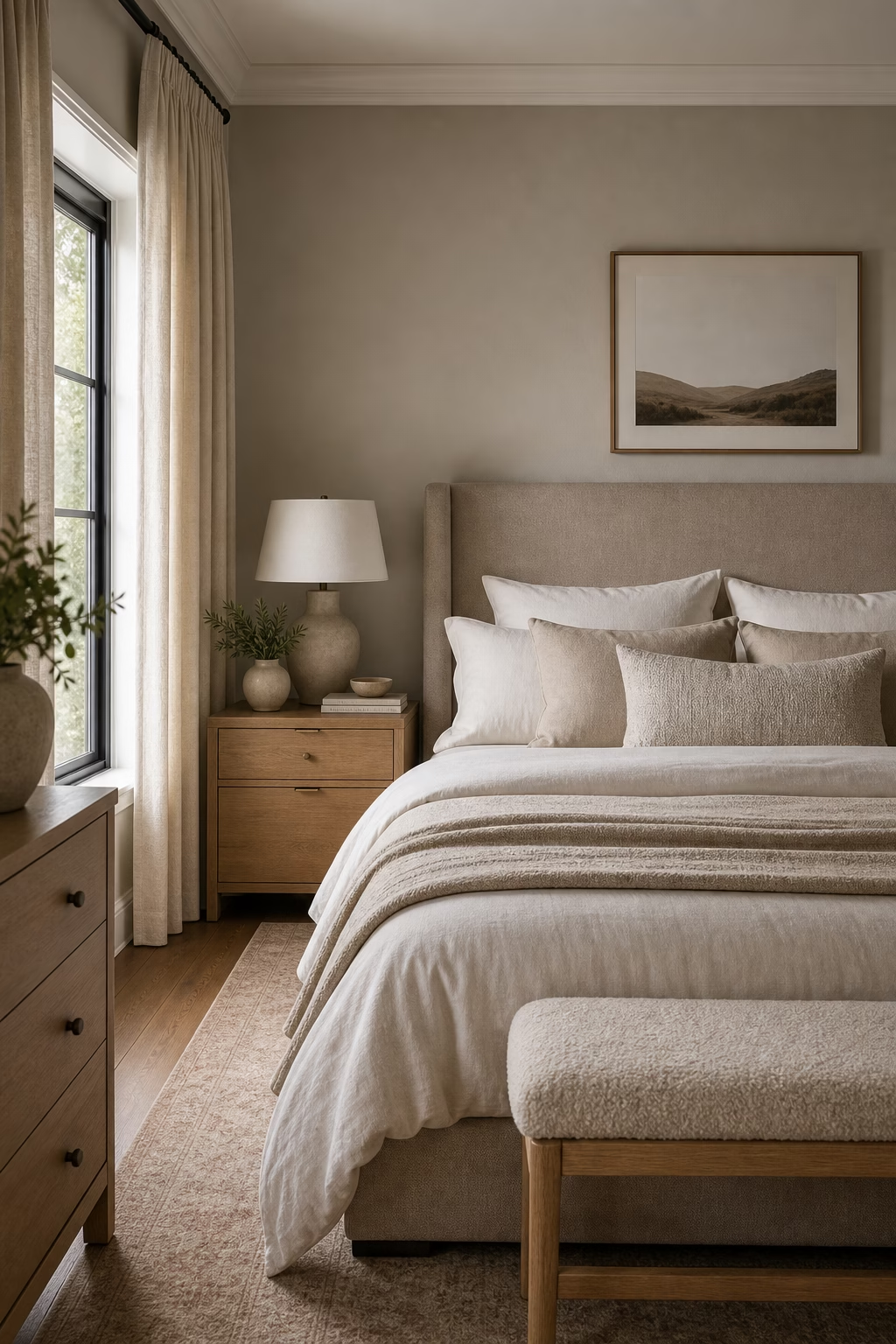
Choose Lamps That Warm the Room
Bedroom lamps should flatter the room after sunset, not only fill space on a nightstand. Look for ceramic, alabaster, wood, brass, or glass bases with shades that diffuse light softly. The shade bottom should sit around shoulder height when you are in bed, so reading feels comfortable and the bulb is not exposed. Warm dimmable bulbs are essential; a retreat needs brighter light for reading and softer light before sleep. If the nightstand is small, wall sconces free the surface and add architecture. Repeat the lamp finish elsewhere in the room once, perhaps in a frame or handle, so the choice feels connected.
Add a Reading Chair With a Purpose
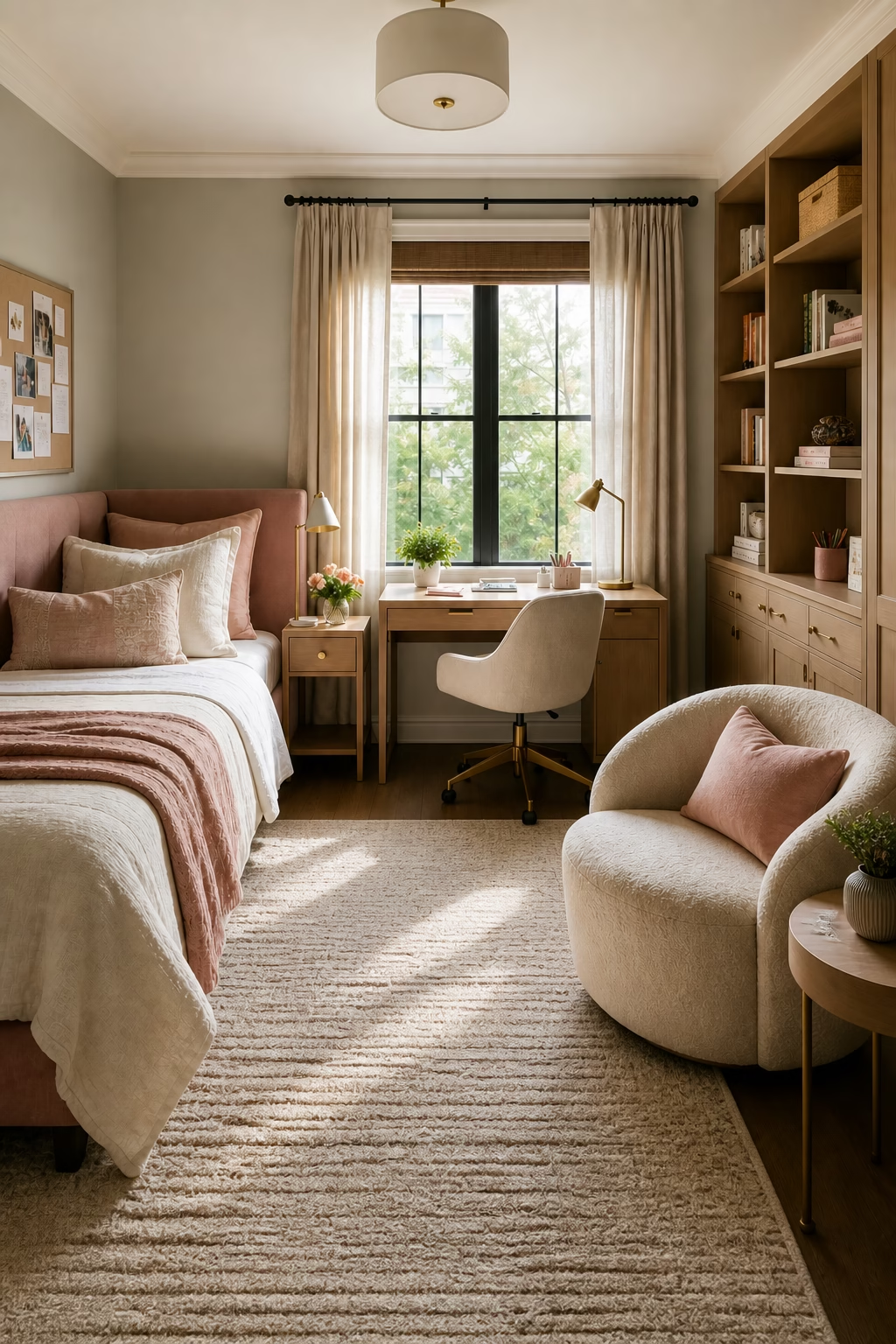
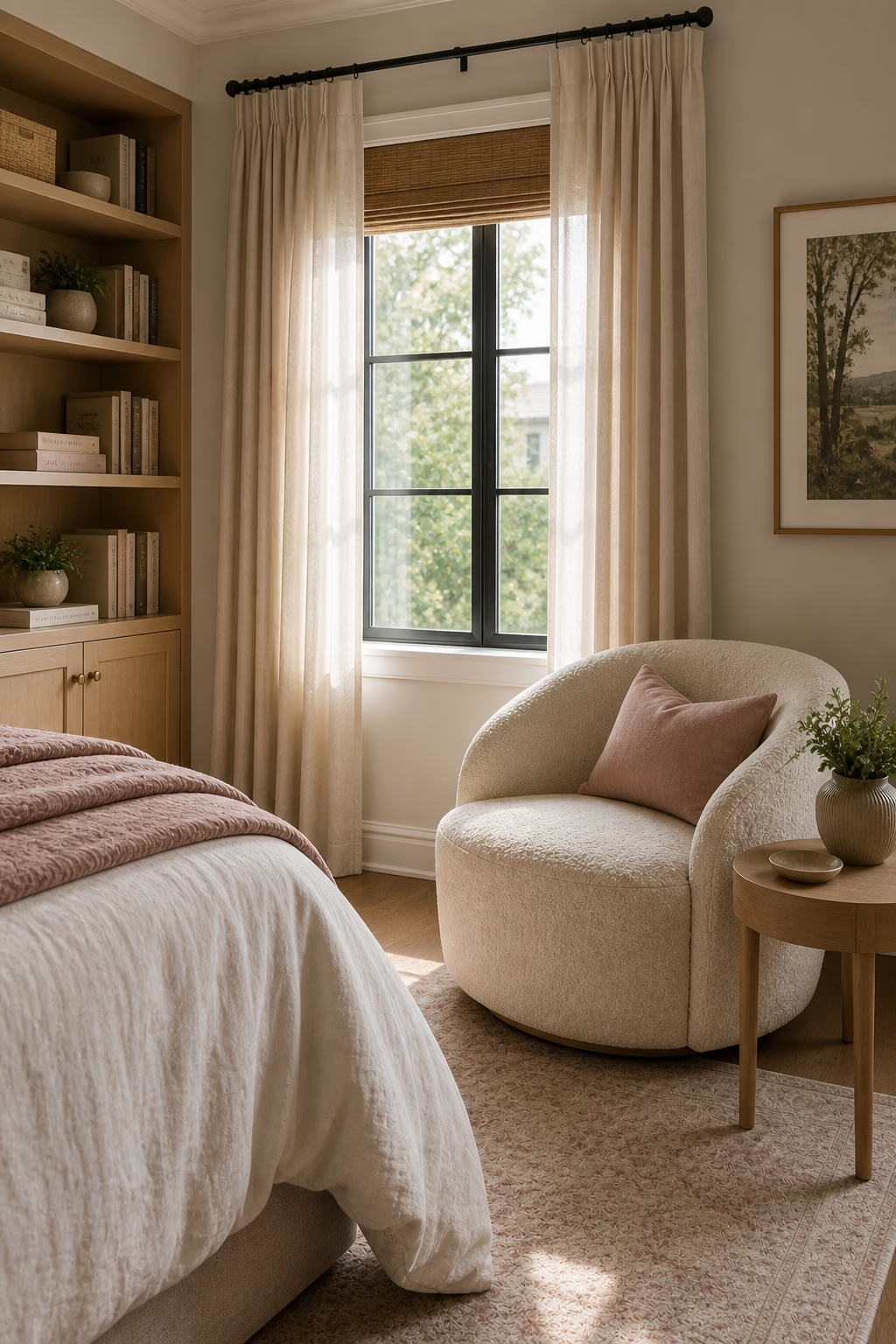
A bedroom chair becomes meaningful when it has a reason to exist. Place it near a window, beside a small table, or under a floor lamp so it forms a genuine reading corner rather than a place for laundry. The chair should be comfortable but not oversized; bedrooms still need quiet circulation around the bed. Boucle, linen, mohair, or soft leather can add texture without demanding attention. A small ottoman is useful if space allows, but a compact stool can do the same job more lightly. This corner turns the bedroom into more than a sleeping room, giving it a private daytime ritual.
Let Curtains Soften the Architecture
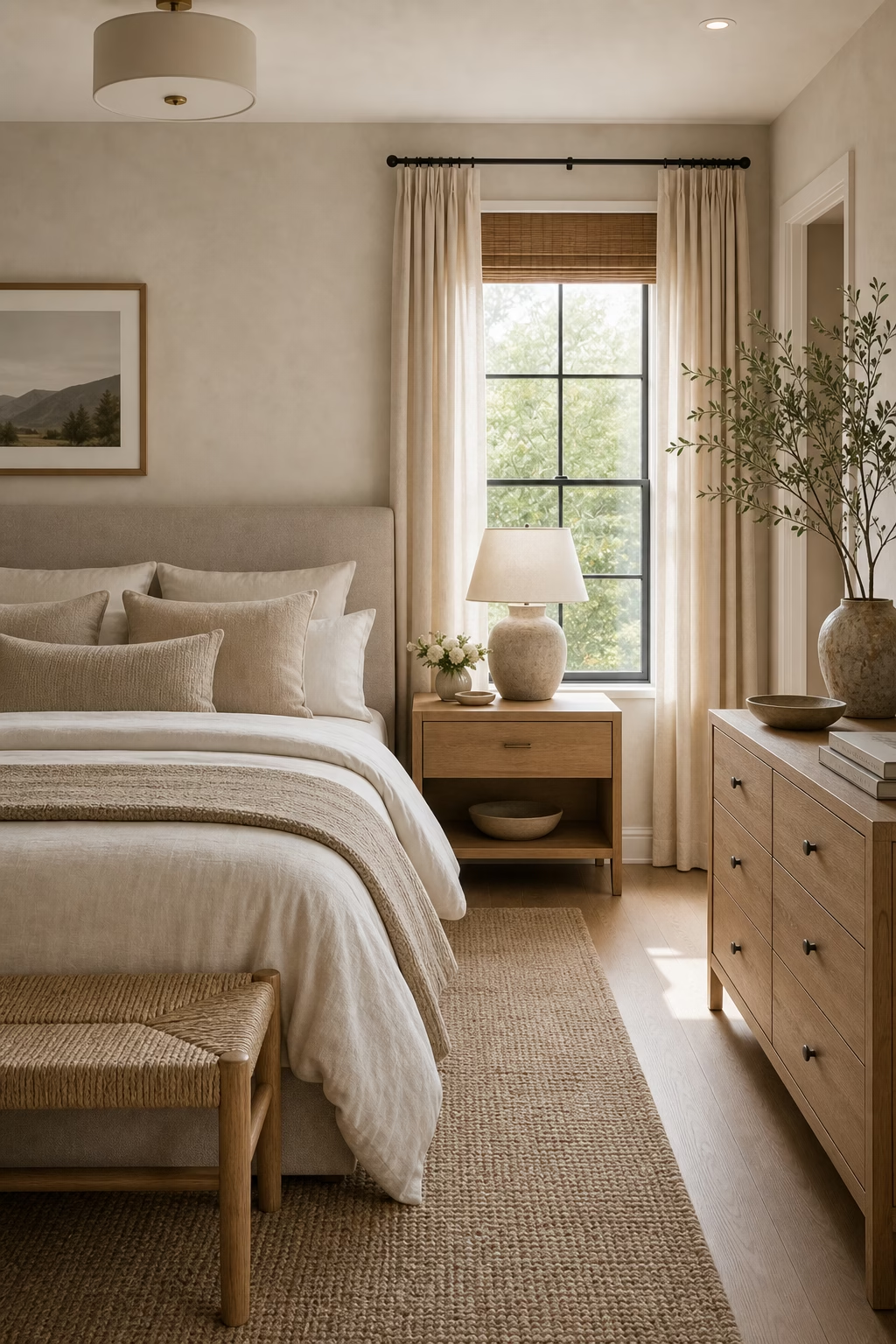
Curtains can change the whole mood of a bedroom because they control light, sound, and the sense of height. Hang the rod wider than the window and close to the ceiling so the fabric frames the glass rather than blocking it. Linen, wool blend, or lined cotton panels bring softness without looking fussy. In a retreat, blackout lining is worth considering, especially behind a decorative face fabric. Keep the color close to the wall for a cocooning effect or slightly deeper for contrast. The key is fullness: skimpy panels make even expensive fabric look temporary. Proper curtains make the room quieter immediately.
Place a Rug Generously Underfoot
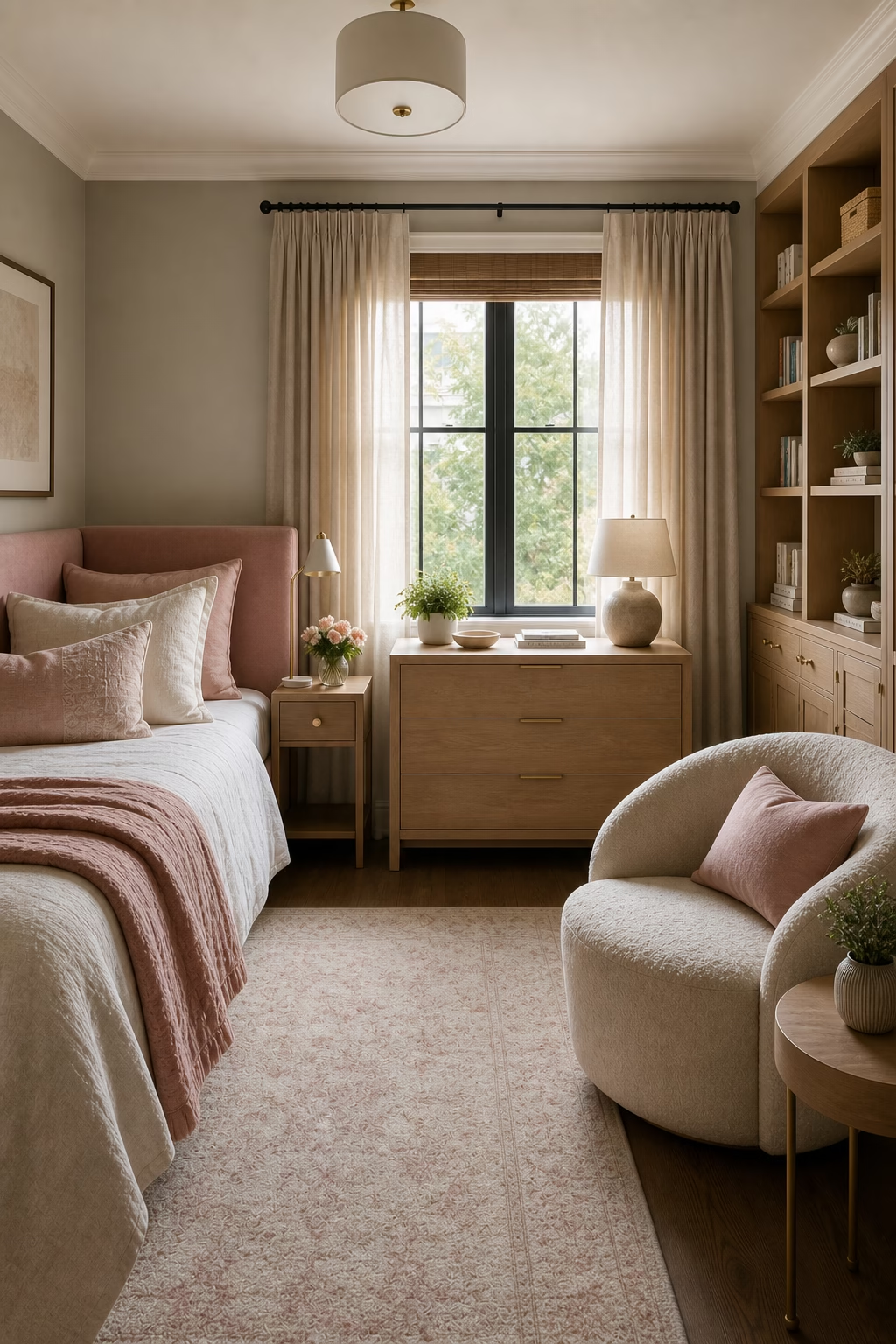
A bedroom rug should be sized for the bed, not for the leftover floor. Ideally, it extends well beyond both sides and the foot so the first step in the morning lands on softness. Wool, wool-silk, flatweave, or a low-pile patterned rug can all work, provided the texture feels good barefoot. Avoid tiny rugs floating beside the bed; they break the room into pieces and make the furniture look less grounded. If the budget is tight, layer a large natural-fiber rug under a smaller vintage or wool piece. A generous rug absorbs sound, warms the floor, and makes the retreat feel more complete.
Bring in Artwork That Feels Personal
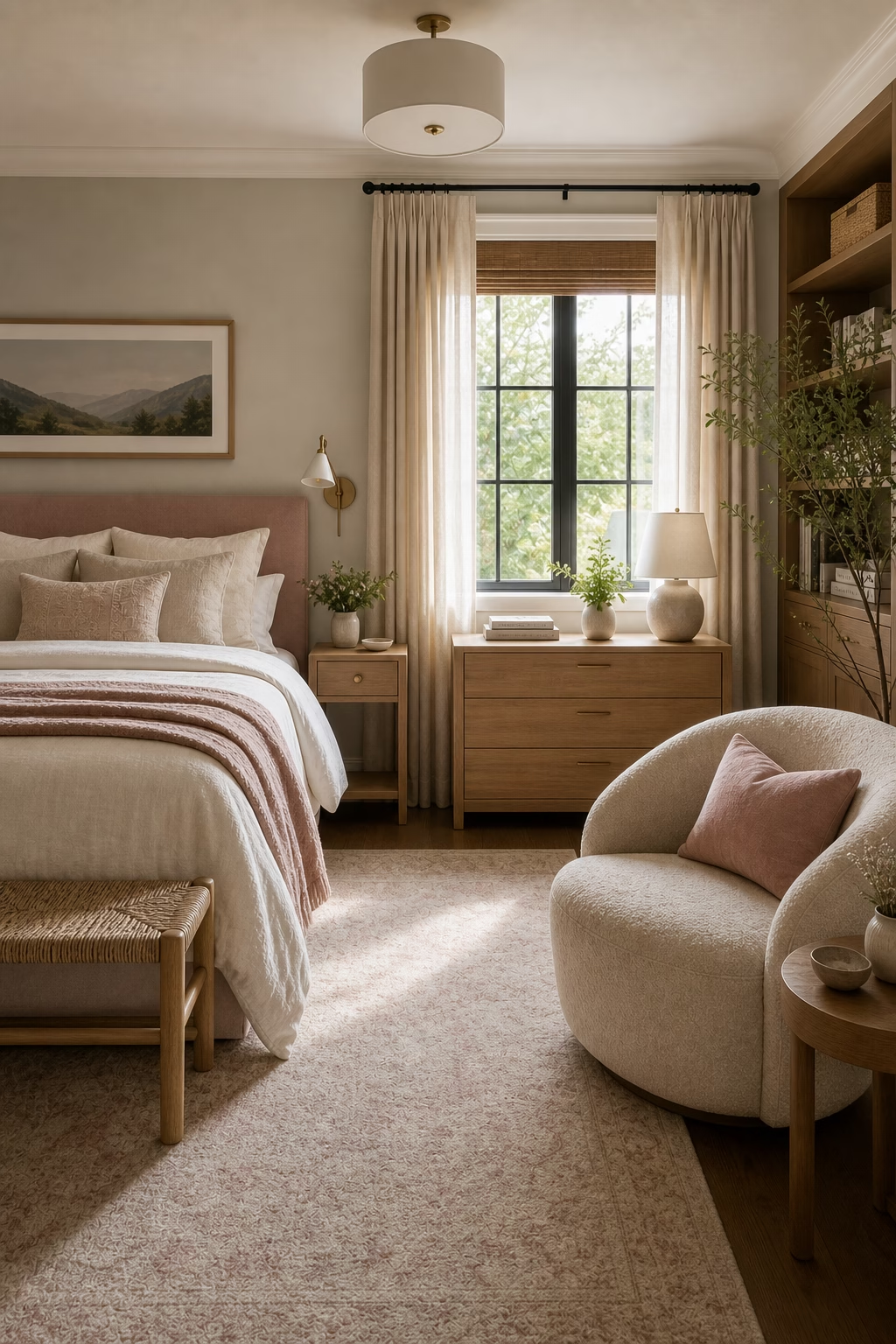
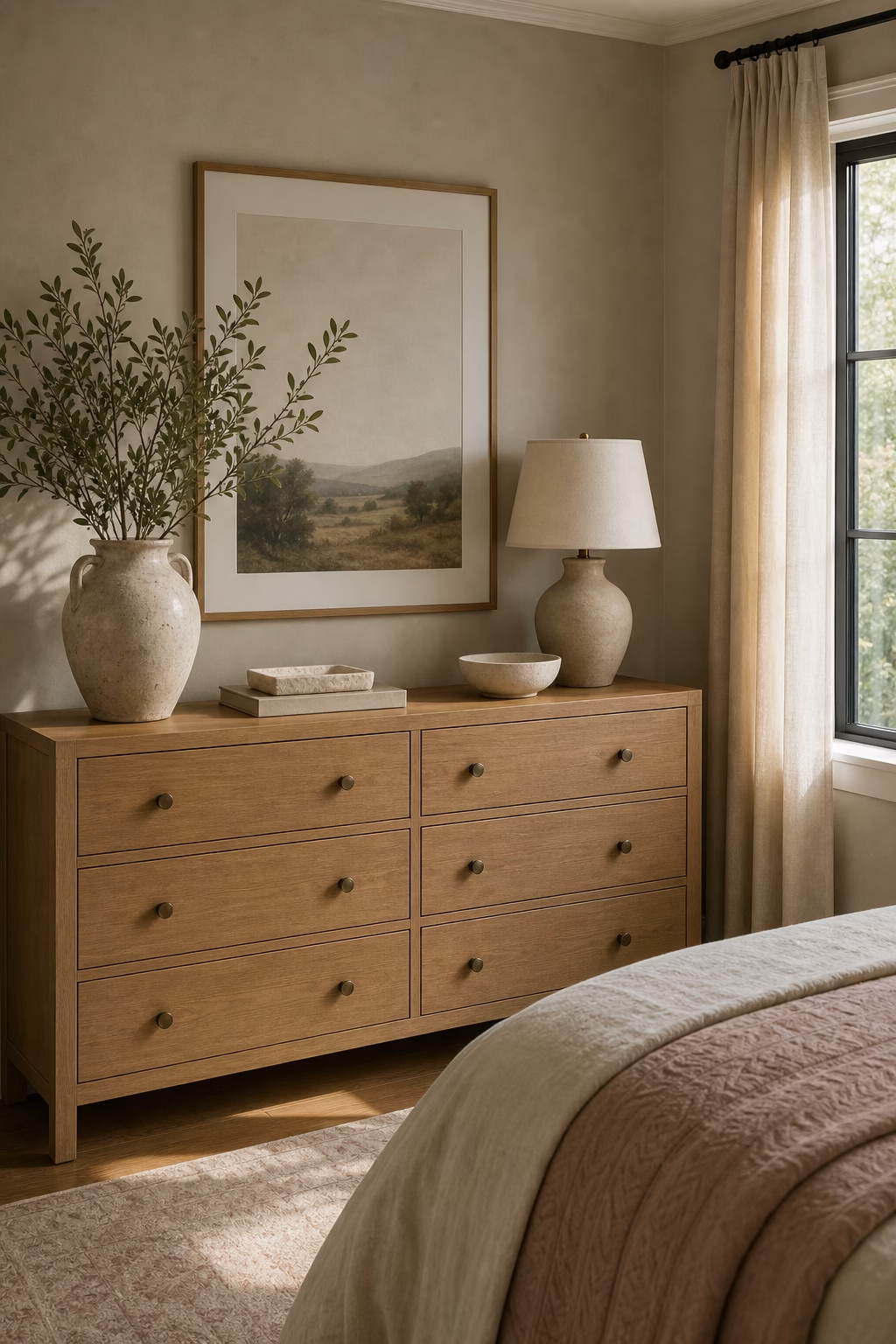
Bedroom art should slow the room down. Instead of choosing pieces only to match the bedding, look for work that suggests memory, landscape, texture, or quiet movement. A large tonal piece above the headboard can make the bed wall feel complete, while smaller framed works near a reading chair or dresser feel more intimate. Avoid loud typography or anything too busy for sleep. The frame should relate to the furniture: pale oak with light woods, aged brass with warm metals, or slim black when the room needs definition. Art gives the retreat a point of view, which is what keeps calm design from feeling anonymous.
Use a Bench for Texture and Function
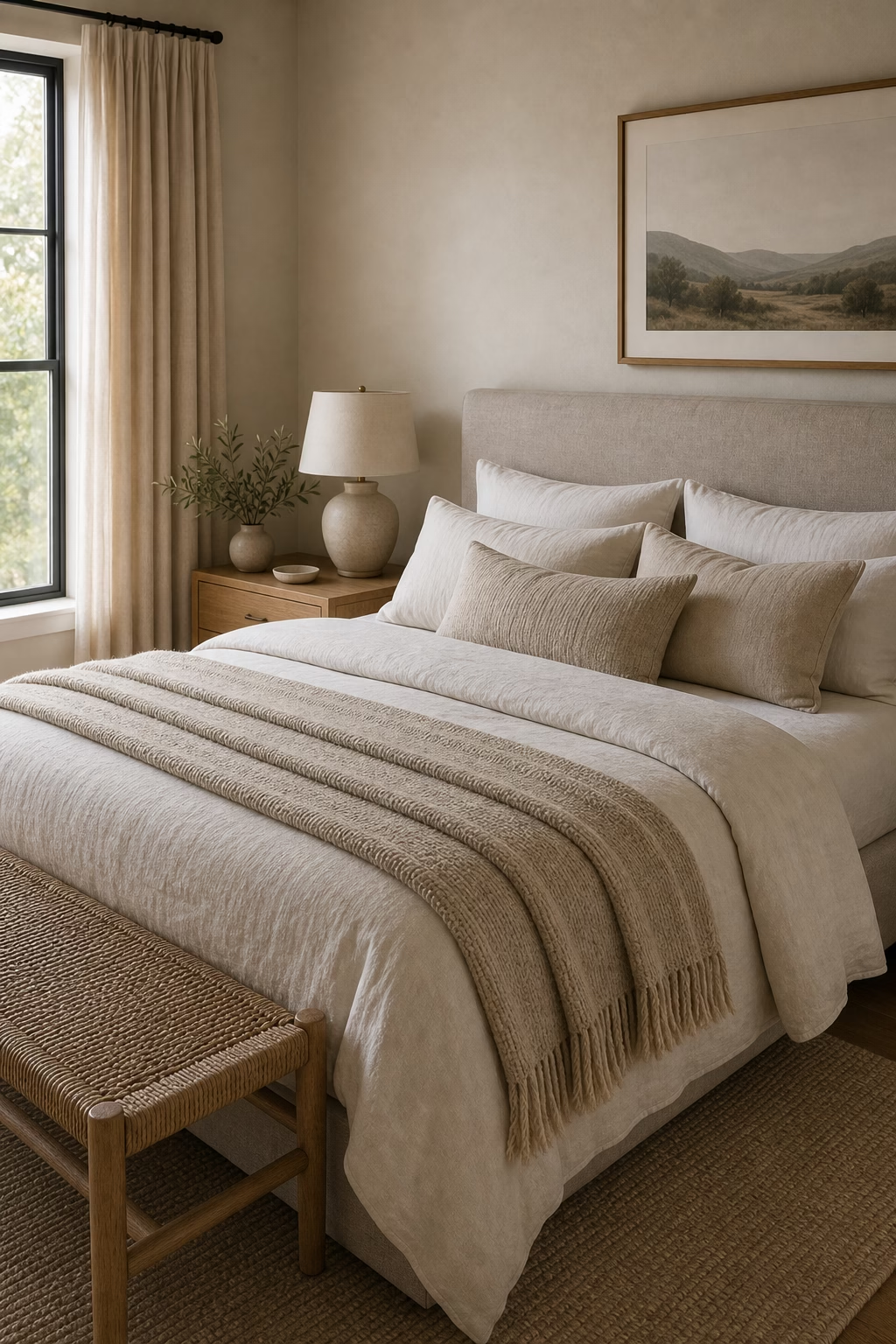
A bench at the foot of the bed can be beautiful, but only when the proportions are right. It should be narrower than the bed and leave a clear walkway so the room does not feel crowded. Upholstered benches add softness, wood benches bring structure, and woven pieces introduce a relaxed texture. Use the bench for a folded throw, a breakfast tray, or a place to sit while dressing, not as a permanent holding zone for clothes. In smaller bedrooms, a pair of stools may work better because they can move easily. The best bench feels useful and tailored, finishing the bed without cluttering it.
Create a Calm Dresser Moment
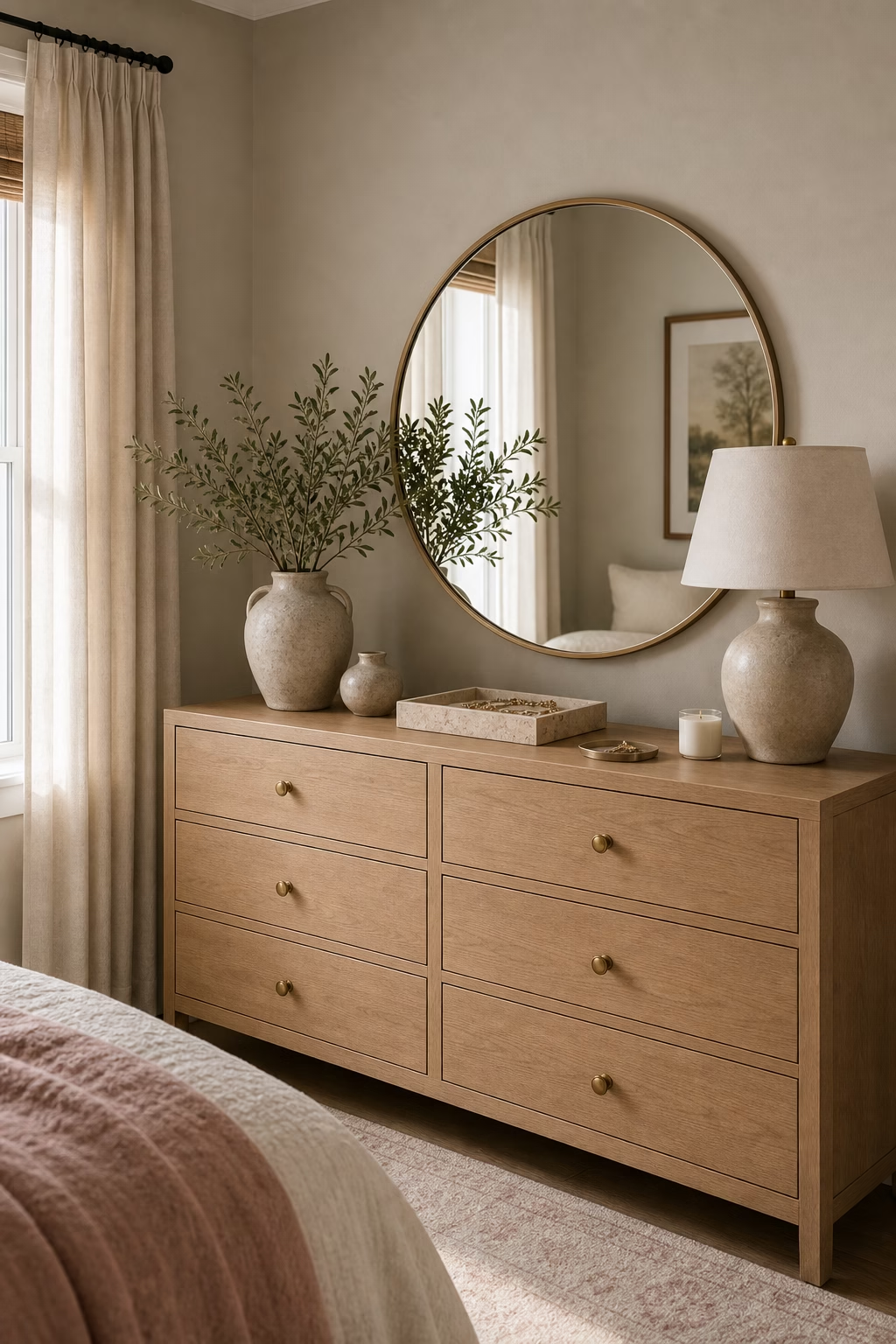
A dresser can either support the retreat or become the room's busiest surface. Treat it like a low console: one mirror or artwork, one lamp if needed, a tray for jewelry, and a sculptural vessel or branches. The storage inside should work hard so the top can breathe. Choose a dresser with quality hardware and a finish that balances the bed; too many matching pieces can feel like a furniture set, while one contrasting material can make the room more collected. Leave space around the dresser for drawers to open fully. A calm dresser moment gives the bedroom polish without feeling decorative for decoration's sake.
Add Built-In or Freestanding Books
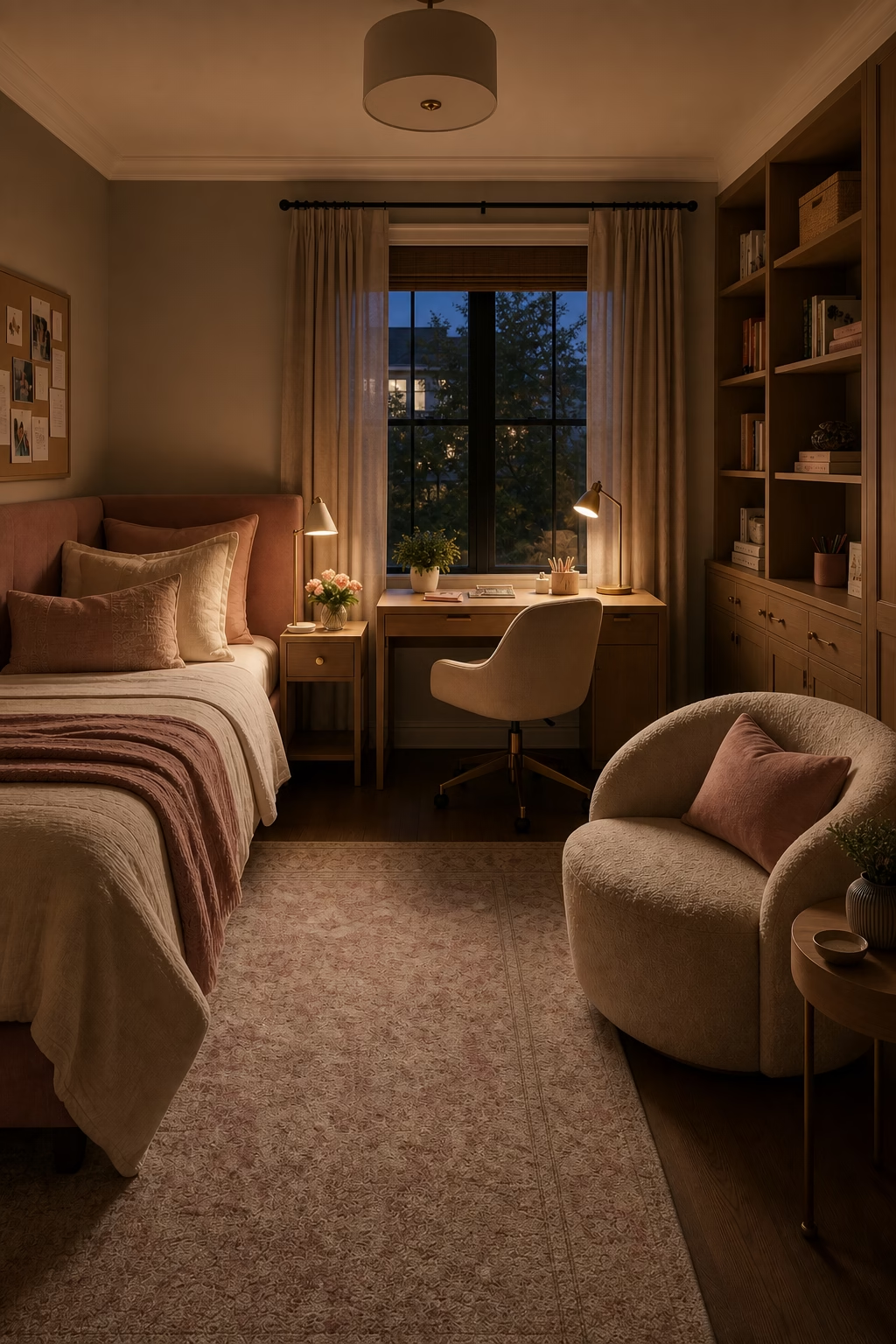
Books make a bedroom feel personal, but they need editing so the room still rests. A slim shelf beside a chair, a low bookcase under a window, or a small stack on the nightstand is usually enough. If the bedroom has built-ins, mix books with boxes, ceramics, and negative space instead of filling every shelf edge to edge. Turn loud jackets inward or remove them if the colors disturb the palette. The point is not to create a library; it is to give the room intellectual warmth and a private rhythm. A few chosen books can make the retreat feel genuinely lived in.
Use Scent as a Quiet Layer
Scent belongs in a retreat, but it should be restrained. A reed diffuser, linen spray, small candle, or dried lavender bundle can add atmosphere without overwhelming sleep. Choose notes that feel clean and grounded, such as cedar, fig leaf, vetiver, soft citrus, or lavender in a very light concentration. Keep candles away from curtains, bedding, and books, and use a tray to protect wood or stone surfaces. The vessel matters visually; ceramic, glass, or simple metal looks more elevated than loud packaging. A subtle scent layer makes the bedroom memorable in a way guests may not name but will instantly feel.
Control Clutter With Beautiful Trays
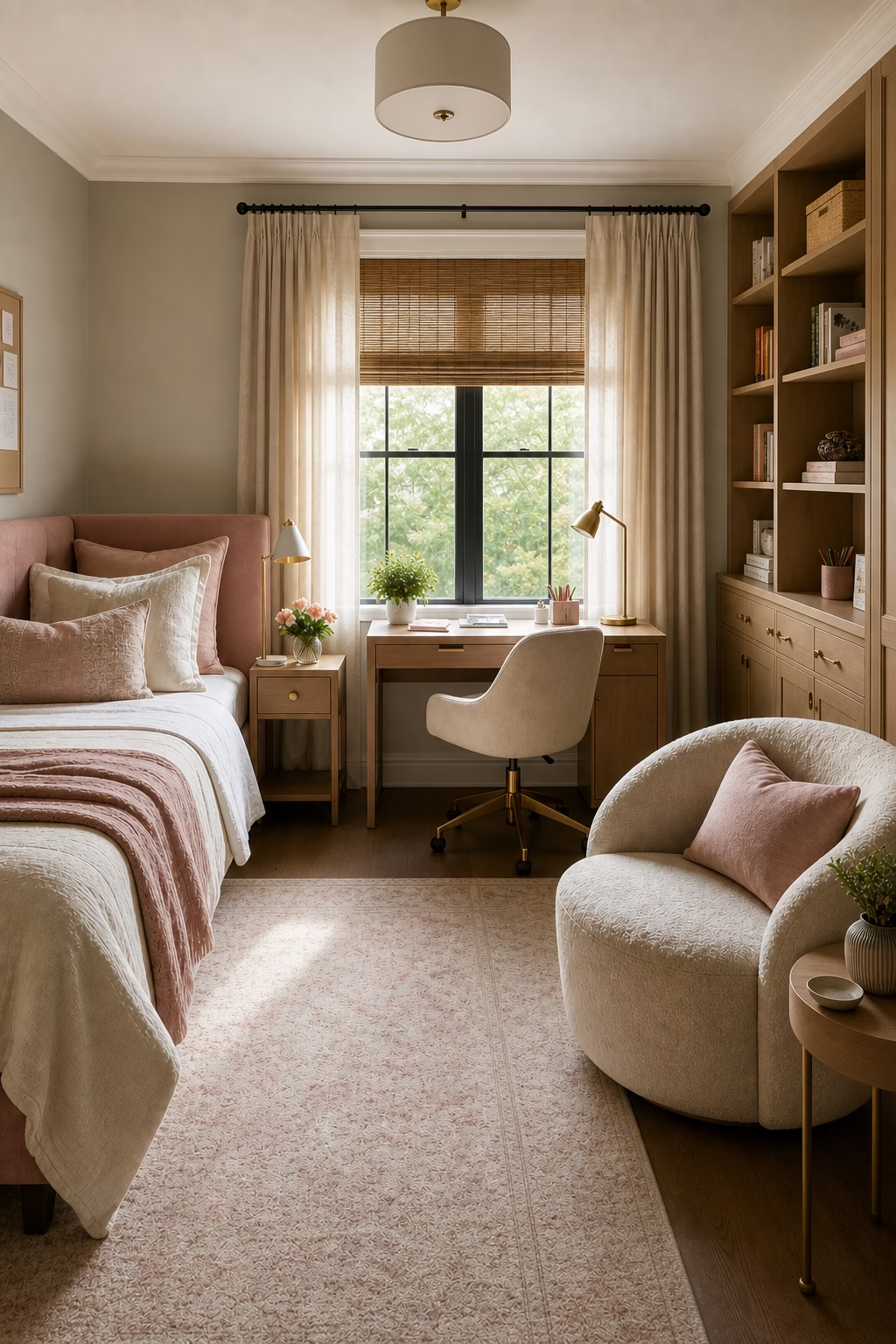
Small loose objects are what make a bedroom feel unfinished. Trays create boundaries for the things that need to stay visible: jewelry, a watch, hand cream, a matchbox, or a water carafe. Use stone, lacquer, woven leather, brass, or wood depending on the room's mood. A tray on the dresser can handle daily accessories, while a smaller one on the nightstand keeps bedtime essentials from spreading. The trick is to leave part of the tray empty so it still feels intentional. This simple layer makes maintenance easier, because objects have somewhere to return at the end of the day. Choose one material that repeats elsewhere so the tray feels integrated.
Paint the Ceiling for Enclosure
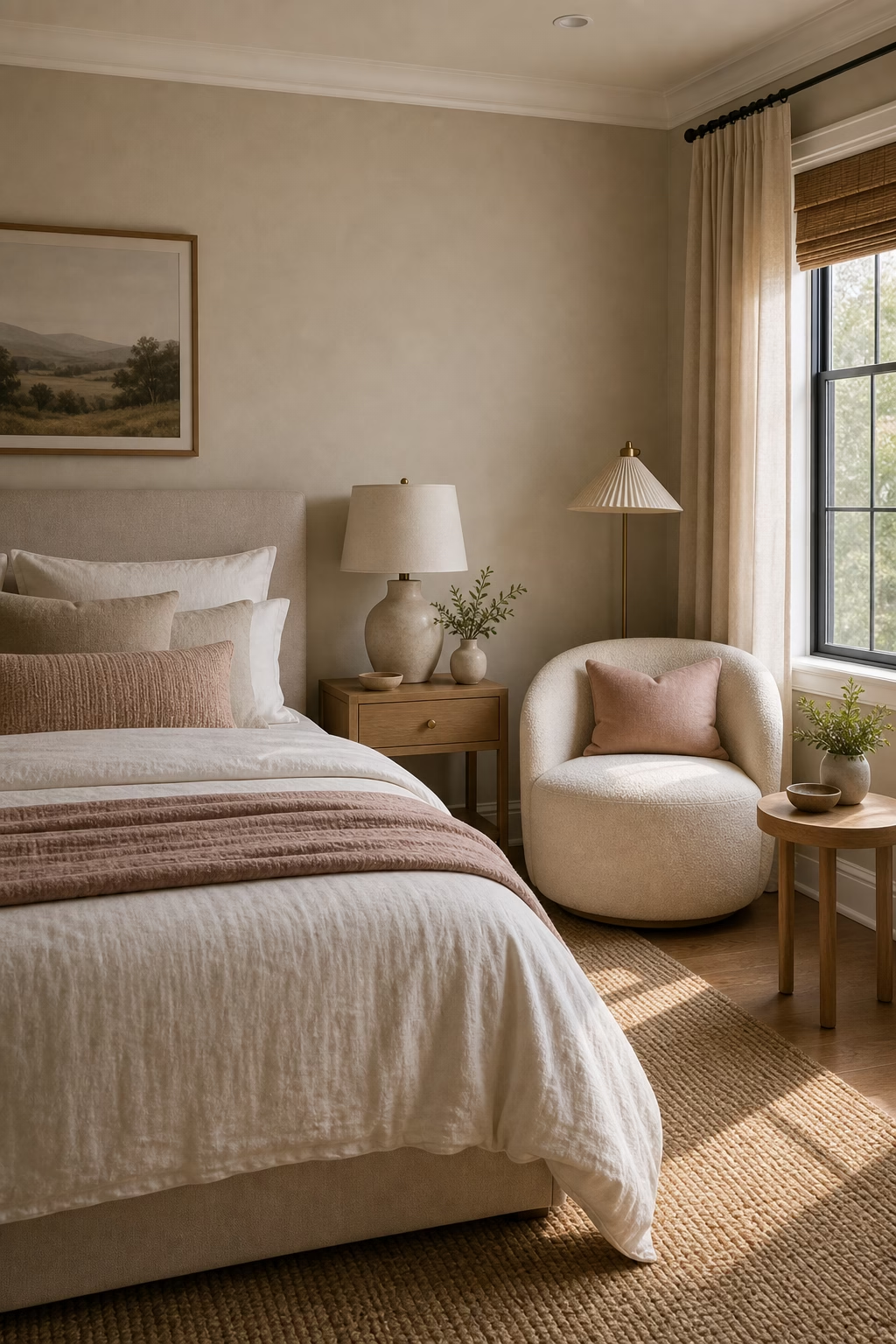
Painting the ceiling can make a bedroom feel more enveloping, especially when the walls are already soft and quiet. A slightly warmer or deeper version of the wall color brings the plane overhead into the design rather than leaving it stark white. In small rooms, carrying one color over walls, trim, and ceiling can blur the corners and create a cocoon. Matte finishes are best because they hide imperfections and soften light. Test the color at night and in morning light before committing, since ceilings can read darker than expected. Done carefully, this move makes the retreat feel custom and deeply calm.
Mix Old and New Pieces
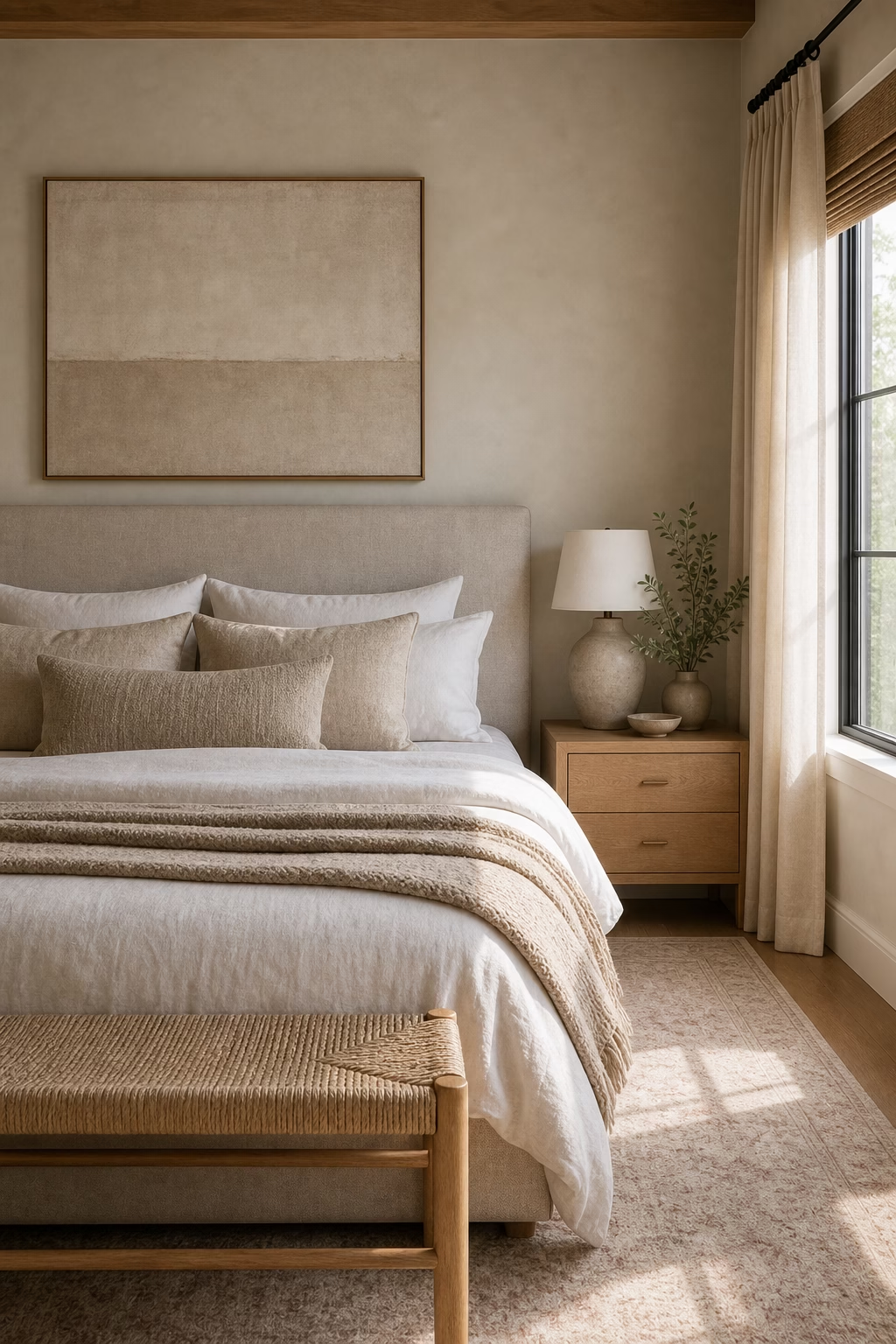
A bedroom feels personal when it is not assembled from one catalog. Combine one vintage or antique element with cleaner modern pieces: a carved mirror over a simple dresser, an old bench at the foot of a contemporary bed, or patinated lamps beside crisp bedding. The older piece should be functional and in good condition, not merely distressed. Let its color or material repeat once elsewhere so it belongs in the room. This tension between old and new gives the retreat depth, suggesting a life beyond the current trend cycle. It also keeps quiet palettes from becoming flat or overly perfect.
Add Greenery With Restraint
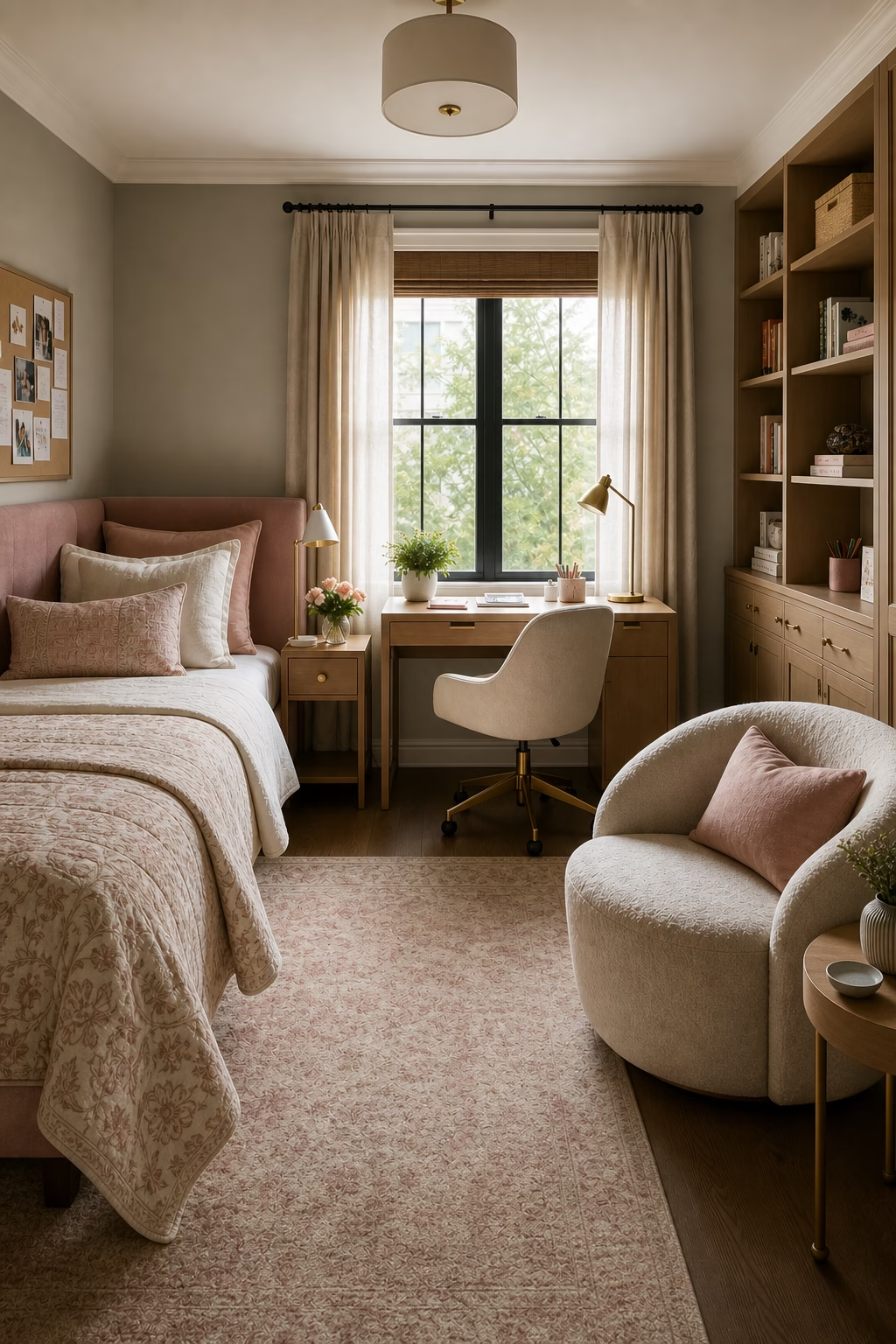
Greenery can freshen a bedroom, but the retreat should not feel like a conservatory unless the room can support it. Choose one healthy plant with a graceful shape, such as an olive tree, ficus, fern, or trailing pothos, and place it where it receives proper light. The planter should relate to the room's materials: terracotta for warmth, stoneware for softness, or woven fiber for texture. Avoid crowding the nightstand with many tiny pots. A single living element introduces movement and a connection to the outside, which is especially helpful in rooms with neutral bedding and plaster walls. A saucer or liner protects the floor and keeps the detail practical.
Design a Better Closet Edge
The closet affects the bedroom even when the doors are closed. If the closet wall is visible from bed, upgrade the edge with painted doors, discreet hardware, full-height curtains, or a clean mirror panel. Inside, good lighting and matching hangers make daily routines easier and reduce visual noise when the doors open. A small valet hook or chair nearby can keep outfits from landing on the bed. The goal is to make storage feel integrated rather than separate from the retreat. When the closet zone is calm, the bedroom stays restful during the busiest parts of the morning and evening.
Layer the Walls With Subtle Texture
Walls do not have to stay flat for a bedroom to feel peaceful. Grasscloth, limewash, Roman clay, plaster, or a softly textured paint can make the room feel finished before any artwork is hung. The surface should be quiet enough to support rest, with movement that appears as light changes rather than a busy pattern. Use texture behind the bed for focus, or wrap the whole room if the palette is gentle. Keep trim, curtains, and bedding in related tones so the wall treatment feels architectural. This layer is especially useful in new homes where the bedroom needs softness and character.
Finish With One Signature Detail
A personal retreat needs one detail that feels specific to the person who sleeps there. It might be a framed textile, a favorite ceramic lamp, a handmade quilt, a small writing desk, a sculptural mirror, or a travel photograph in a beautiful frame. Let that piece have room instead of burying it among many accents. The rest of the decor can stay quiet so the signature detail carries emotional weight. This is what separates a polished bedroom from a memorable one. The room should reveal taste slowly: calm at first glance, then increasingly personal as the eye settles. That restraint is what lets the personal note feel elevated.