
Create a polished kids closet that children can actually use, with reachable rods, smart cubbies, baskets, drawers, and calm storage zones.
A successful children's closet is not just a smaller version of an adult wardrobe. It needs clear zones, forgiving storage, and details that make independence feel natural. These ideas combine designer polish with the practical routines of real family life.
- Start With Low Double Hanging Rods
- Give Every Activity Its Own Open Cubby
- Use Soft-Close Drawers for Small Daily Pieces
- Choose Adjustable Shelves That Grow Up Gracefully
- Make Bins Easy to Understand Without Overlabeling
- Add a Mini Mudroom Drop Zone
- Build In a Hamper They Can Actually Reach
- Create a Reachable Shoe Library
- Use Pull-Out Baskets for Toy-Like Accessories
- Divide a Shared Closet Into Equal Zones
- Move Off-Season Pieces Up High
- Add a Tomorrow Outfit Station
- Try a Montessori-Inspired Open Wardrobe
- Let Books and Toys Share One Polished Shelf
- Tuck Tiny Accessories Into a Divided Drawer
- Reserve a Slim Column for Sports Gear
- Refresh a Reach-In Closet With Wallpaper Backing
- Keep Dress-Up Clothes Visible but Contained
- Finish With Hooks and Peg Rails for Fast Resets
Start With Low Double Hanging Rods
A child-friendly closet begins with the simple act of bringing everyday pieces down to a comfortable height. Low double rods let dresses, shirts, cardigans, and uniforms stay visible without becoming a tangle on the floor. The upper rod can hold less-used dress clothes or the next size up, while the lower rod becomes the daily dressing zone. Use slim, matching hangers so small garments do not slide into bulky gaps, and leave a few inches between categories so children can return items without forcing them into place. This layout works especially well in reach-in closets because it doubles hanging capacity without adding visual clutter. Keep the most frequently worn pieces in the easiest position, then edit seasonally so the closet always feels manageable rather than overstuffed.
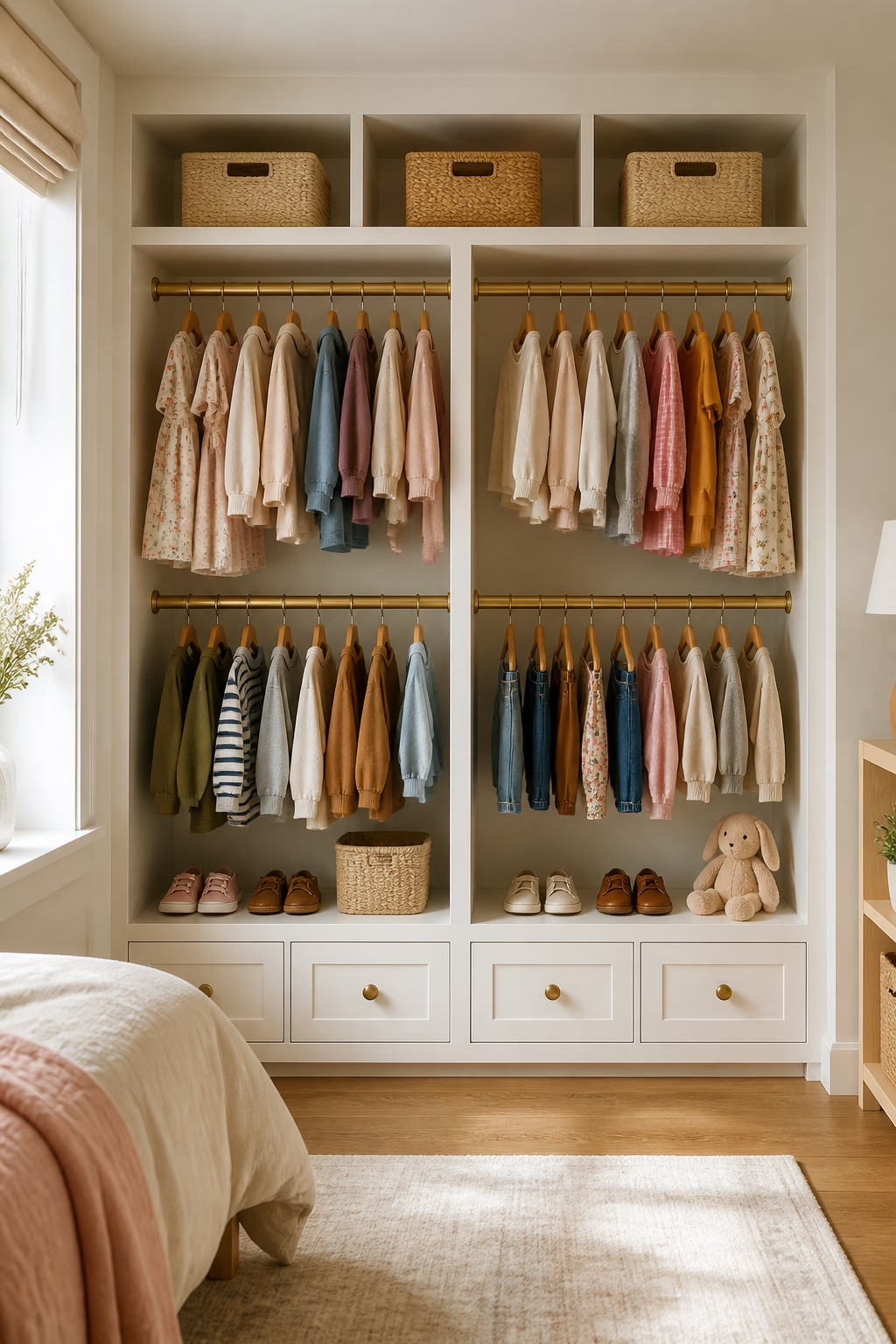
Give Every Activity Its Own Open Cubby
Open cubbies are more forgiving than deep shelves because they create small, obvious homes for the items children use most. Instead of one large shelf for everything, divide the closet by activity: school clothes, sports gear, pajamas, dress-up pieces, and weekend layers. The goal is not perfection; it is fast recognition. When each zone is visible, a child can find what they need without emptying a bin or calling for help. Keep heavier cubbies at the bottom and reserve upper spaces for backup bedding, outgrown sizes, or seasonal accessories. Matching baskets can make the closet feel polished, but leave at least a few open shelves for folded pieces. Visibility is what turns organization into a habit.
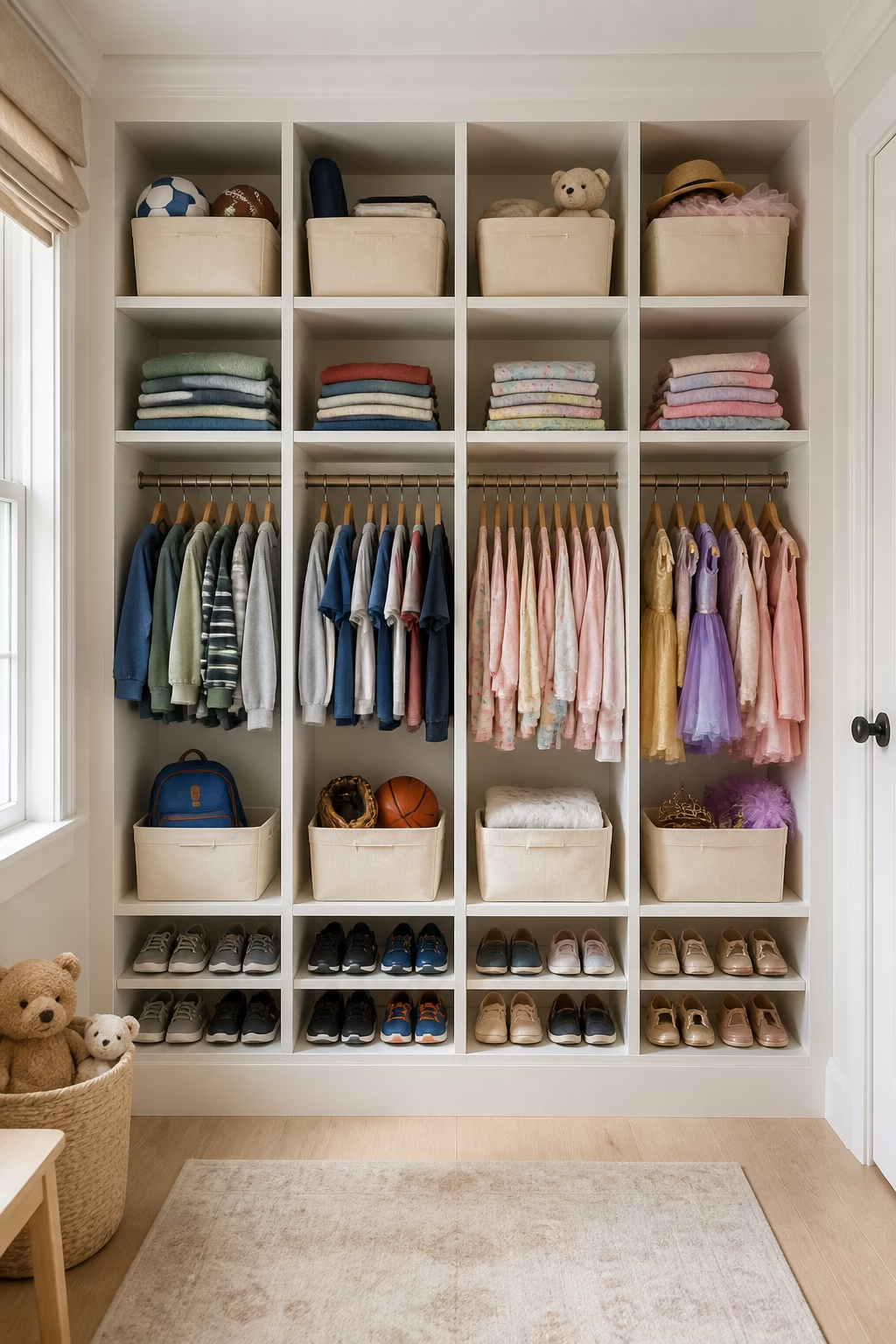
Use Soft-Close Drawers for Small Daily Pieces
Drawers are essential in a kids closet because small items become messy fastest. Socks, underwear, leggings, pajamas, and hair accessories all need boundaries, and a soft-close drawer gives them a contained place without the visual noise of too many baskets. For younger children, keep the lowest drawer for the category they use independently every day, such as socks or pajamas. Drawer dividers are worth adding because they keep categories from drifting together after one rushed morning. Choose simple pulls that are easy for small hands to grip, and avoid drawers so deep that clothes disappear below the top layer. A shallow drawer with neat compartments often performs better than a large drawer that invites digging.

Choose Adjustable Shelves That Grow Up Gracefully
The best kids closets are designed for change. Toddler shoes, preschool costumes, school uniforms, sports bags, and preteen denim all require different shelf heights, so fixed shelves can become frustrating quickly. Adjustable shelving lets the closet evolve without a renovation. Start with lower shelves spaced for baskets and folded clothing, then raise or remove shelves as longer garments and larger shoes enter the rotation. Keep the holes or shelf pins discreet so the millwork still looks elevated. If you are planning custom cabinetry, ask for at least one tall bay that can shift from toy storage to hanging space later. Flexibility is the difference between a closet that looks good for one year and one that works for a decade.

Make Bins Easy to Understand Without Overlabeling
Labels can help adults, but children often respond better to visual logic. Use a small set of bin styles, then separate categories by location, color, or contents that are visible from above. A soft bin for hats, a woven basket for plush toys, and a canvas cube for sports socks can be easier to maintain than a wall of identical containers. If you do use labels, keep them subtle and durable, but do not rely on words alone for young readers. The most important decision is bin size. Oversized bins swallow small items; tiny bins overflow immediately. Choose containers that fit one real category, then leave a little room for the category to breathe.
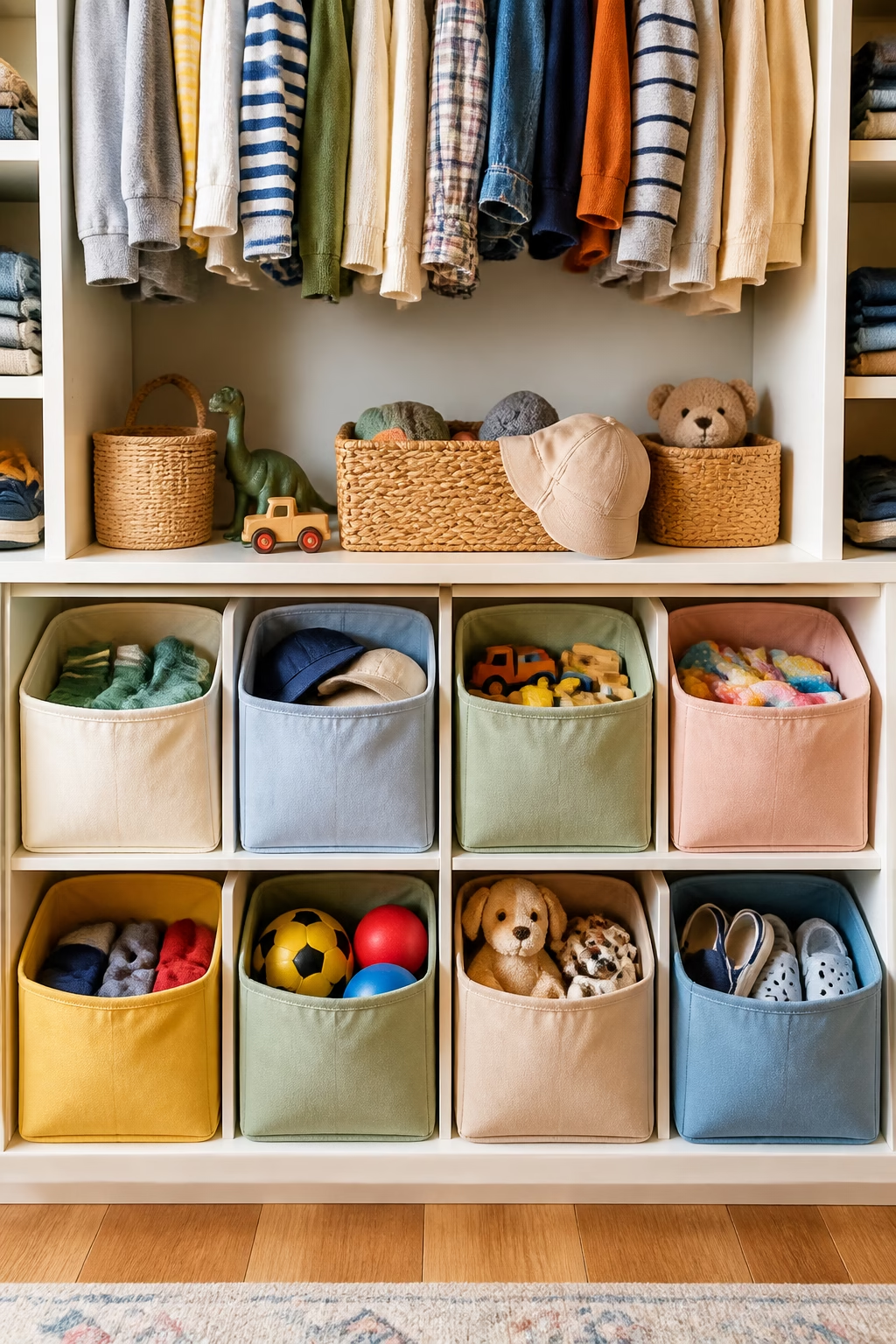
Add a Mini Mudroom Drop Zone
If backpacks, jackets, and shoes land on the bedroom floor, the closet needs a drop zone rather than more nagging. A mudroom-inspired section inside the closet can solve the school-morning rush beautifully. Install hooks at child height for the current jacket and backpack, add a low tray for shoes, and tuck a small bench or open shelf beneath if space allows. Keep this area intentionally simple. One backpack, one jacket, and one pair of shoes are enough; extras should live in nearby baskets or upper storage. The drop zone should be near the closet opening so a child can use it without navigating the entire system. Done well, it becomes a daily reset point.
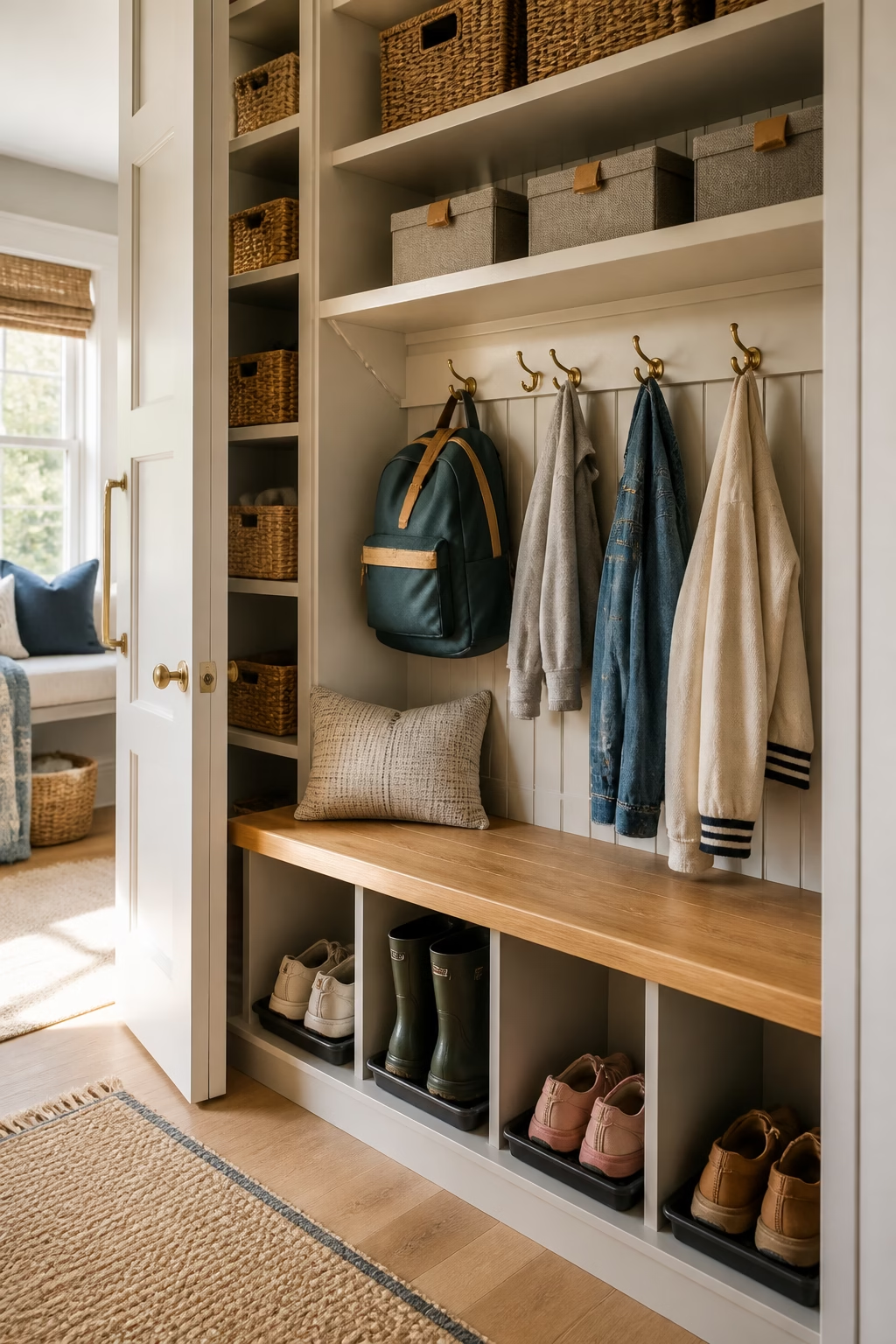
Build In a Hamper They Can Actually Reach
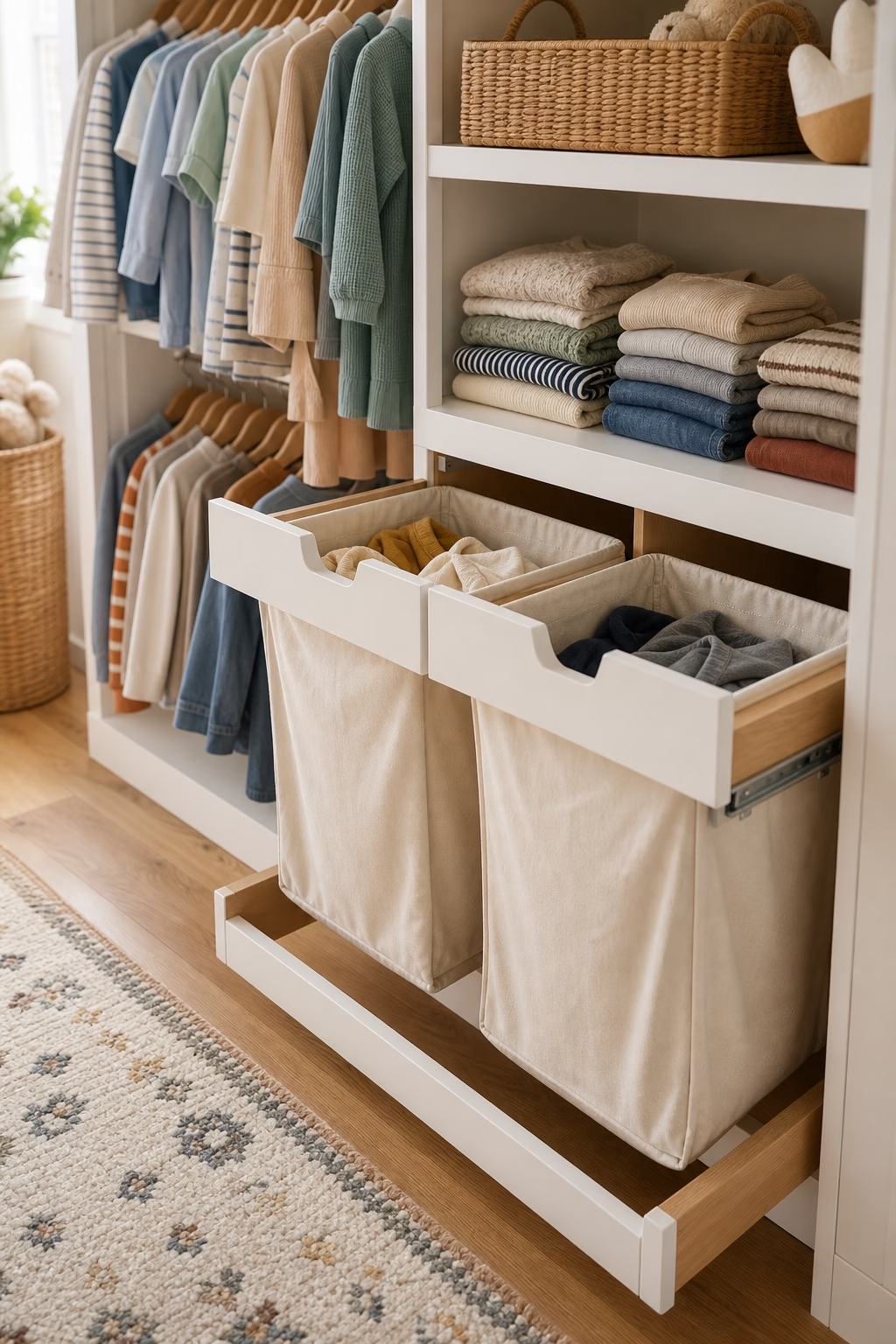
Laundry systems fail when the hamper is too tall, too hidden, or too far from where clothes come off. A built-in hamper at child height turns cleanup into one motion. Pull-out canvas hampers work especially well because they look neat when closed and can be lifted out on laundry day. If siblings share a closet, two smaller hampers are often better than one large one, especially for separating lights and darks or clean-up zones. Place the hamper near pajamas, socks, or the closet entrance so the routine feels natural. The goal is not a complex laundry station; it is a clear place for worn clothes that prevents the closet floor from becoming the default basket.
Create a Reachable Shoe Library
Shoes are easier to maintain when children can see every pair at once. Low angled shelves, shallow cubbies, or a simple two-tier shoe rail can all work, as long as pairs do not have to stack on top of each other. Keep current shoes in the lower zone and move occasional footwear higher or into a basket. For toddlers, open floor-level cubbies are usually more successful than narrow shoe slots. For older children, angled shelves feel boutique and make dress shoes, sneakers, sandals, and boots easy to compare. Leave one empty slot if you can. That small bit of breathing room makes the entire closet feel intentional and gives wet or newly worn shoes a place to land.

Use Pull-Out Baskets for Toy-Like Accessories
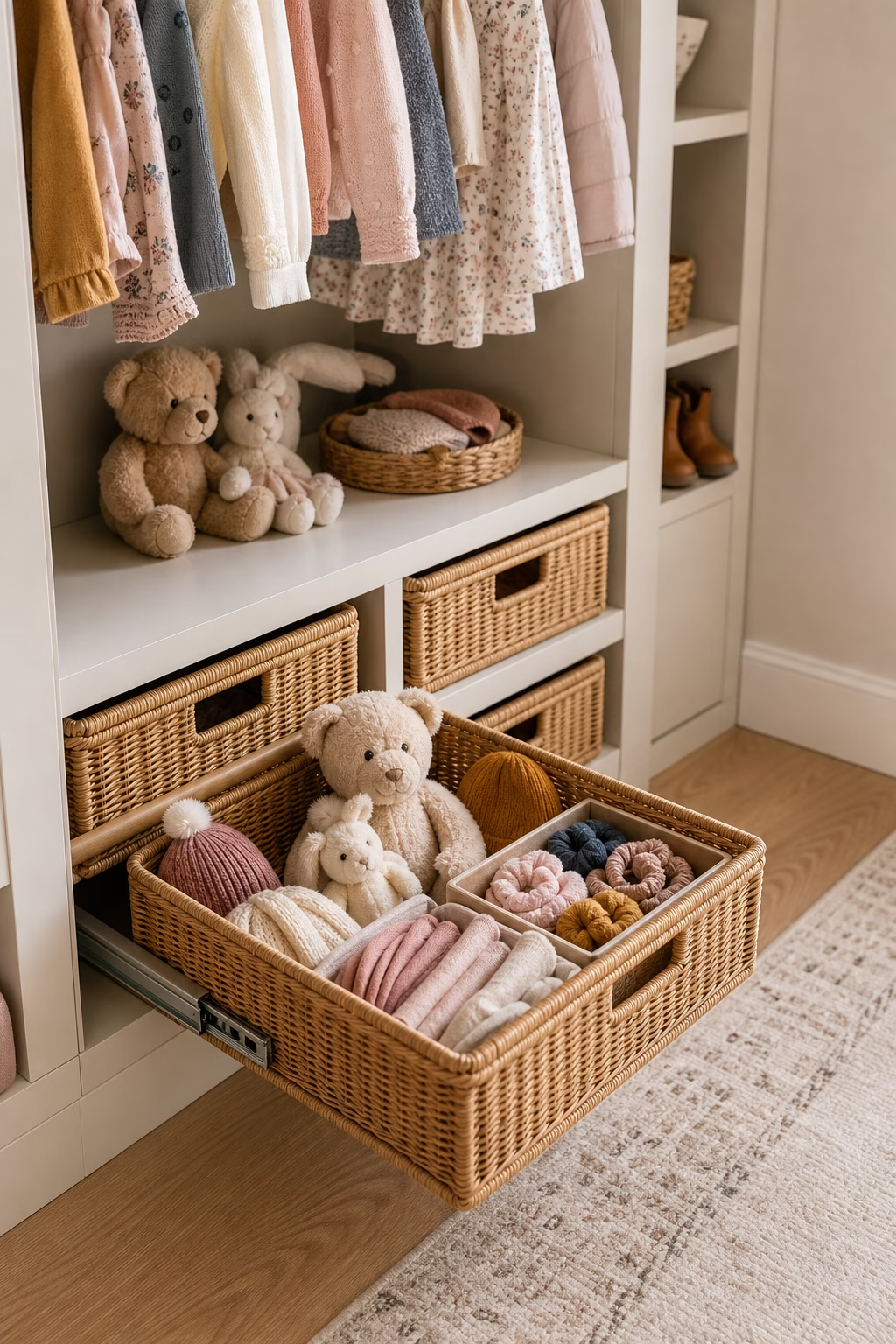
Some closet categories behave more like toys than clothes: scarves, hats, swim goggles, dance shoes, costume pieces, and plush accessories all need quick containment. Pull-out baskets are perfect because they let children bring the category forward, choose what they need, and push the mess back into a structured place. Choose baskets with smooth glides or open shelves that allow the basket to slide easily. Avoid heavy lids, which become obstacles during cleanup. This idea is especially useful in closets that double as room storage, where accessories and play items share space with clothing. Keep the baskets low, durable, and not too precious. A kids closet should be beautiful, but it still has to survive real use.
Divide a Shared Closet Into Equal Zones
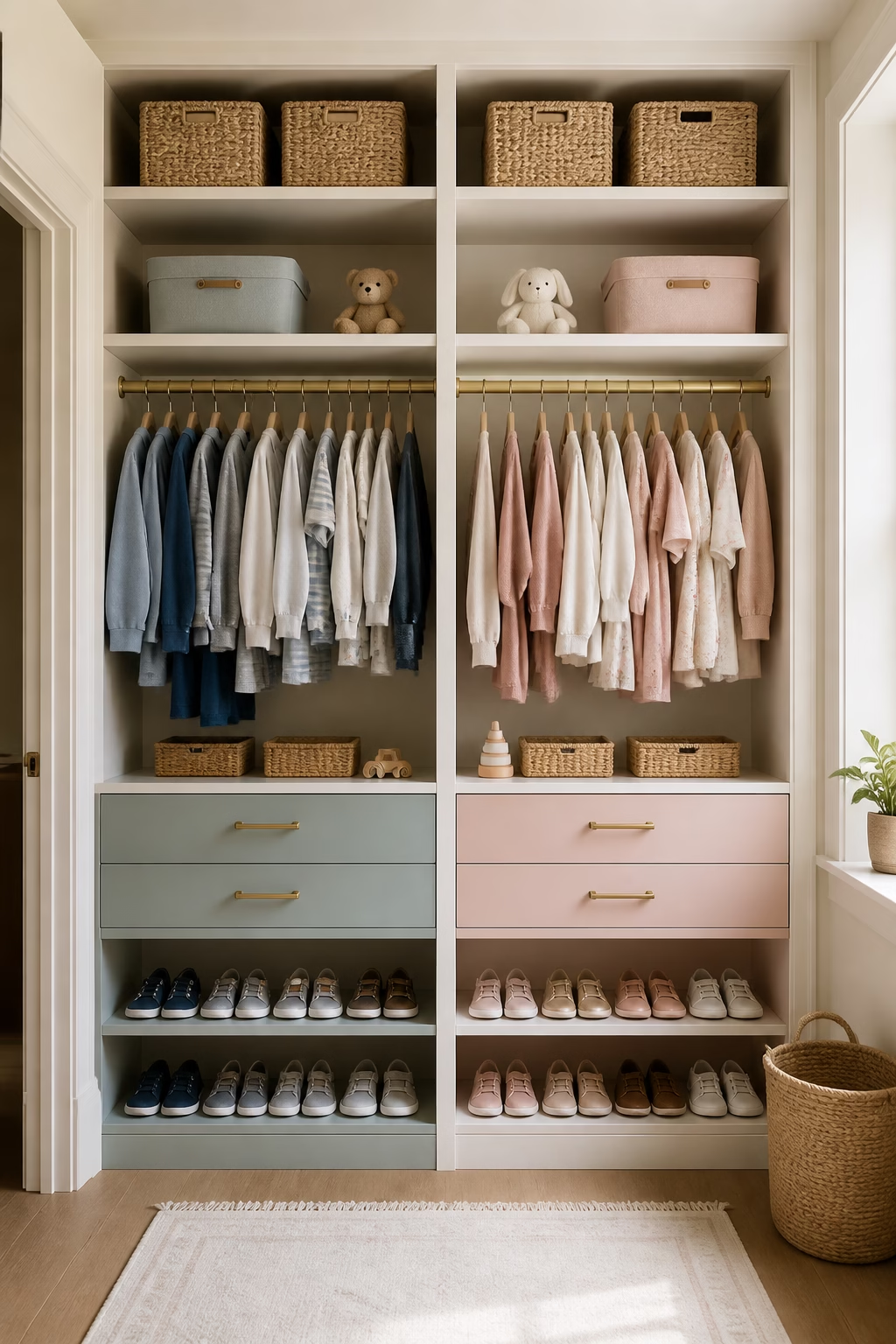
A shared kids closet works best when fairness is visible. Instead of blending everything together, give each child a defined side, drawer, or vertical bay. Symmetry helps: two lower drawers, two hanging rods, two shoe rows, and a shared upper shelf for rarely used items. The zones do not have to be identical in color, but they should feel equal in function. If one child is younger, keep their daily storage lower and use the upper area for outgrown sizes or sibling hand-me-downs. Shared baskets can be useful for bedding or costumes, but everyday clothes should stay separate. Clear boundaries reduce arguments and make it easier for each child to learn responsibility for their own space.
Move Off-Season Pieces Up High
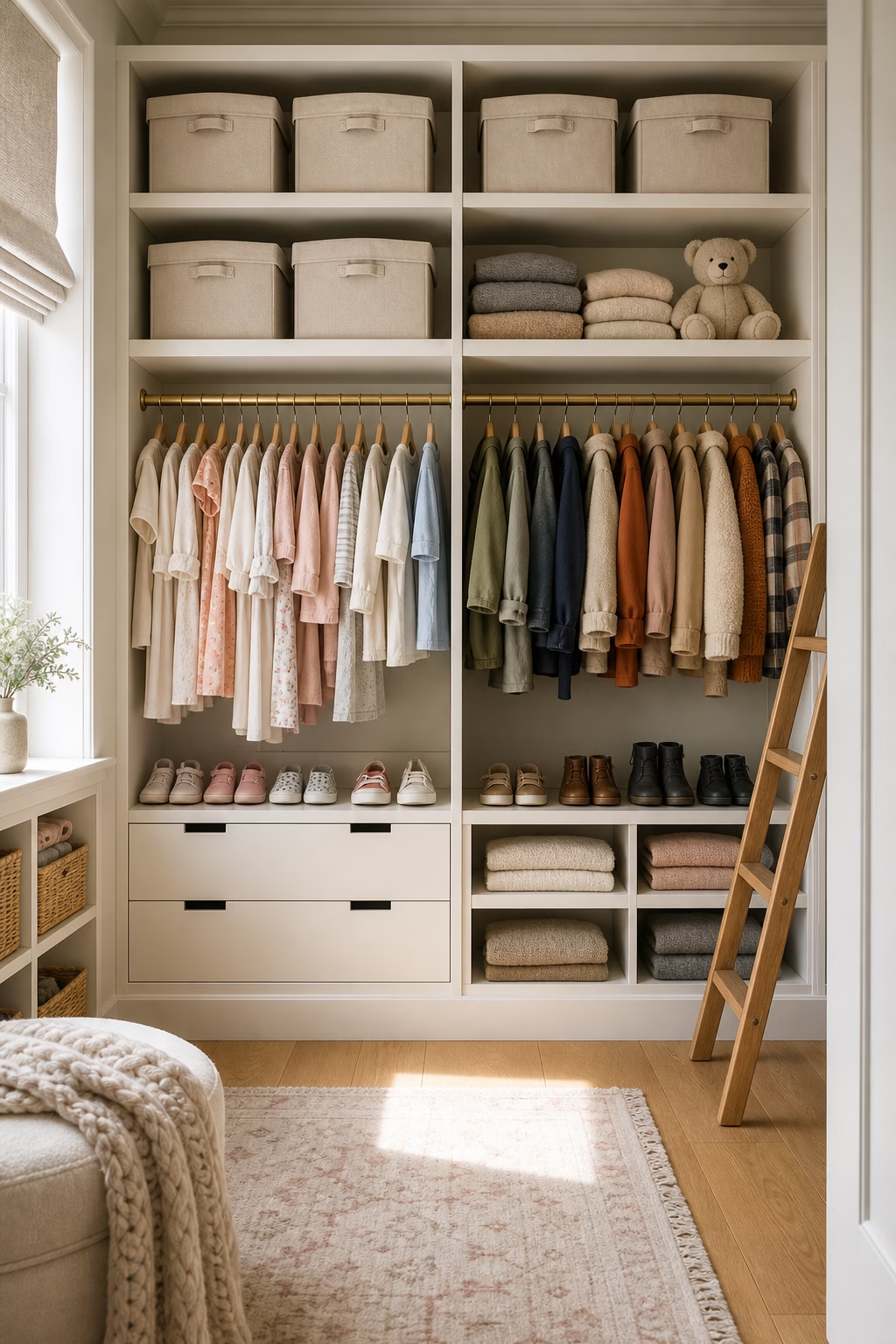
A kid's closet becomes easier overnight when only the current season is within reach. Keep everyday clothing at child height, then move bulky coats, next-size clothing, holiday outfits, and off-season shoes to upper shelves in lidded boxes or structured bins. This keeps the daily zone simple and prevents children from pulling down items they cannot use yet. The upper storage should still be organized, not forgotten. Group by season or size, and use matching containers so the closet reads as designed rather than crammed. When the weather changes, rotate the closet like a boutique display: edit, launder, store, and bring forward only what fits now.
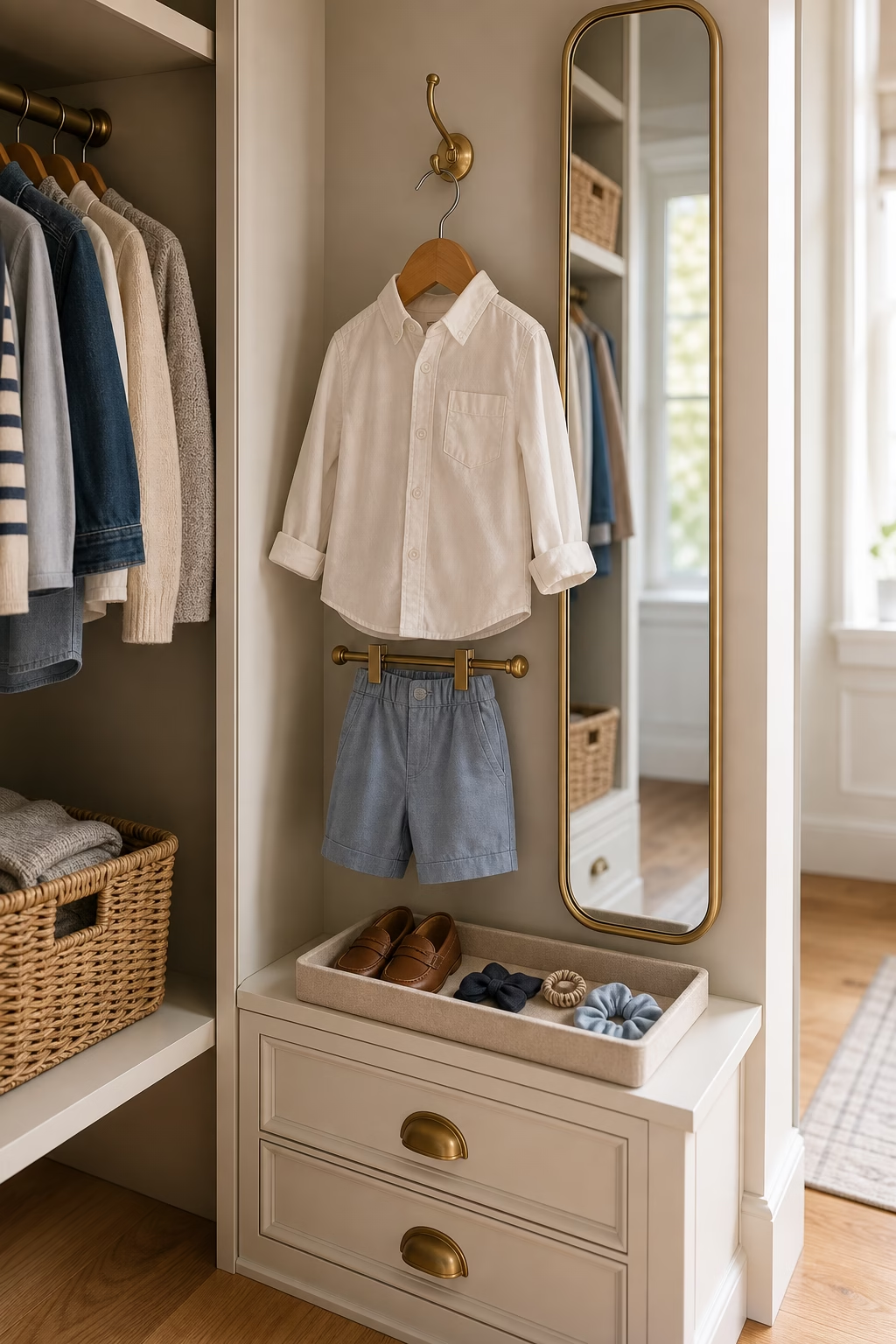
Add a Tomorrow Outfit Station
A single outfit station can make mornings calmer without requiring a large closet. Add one hook, a short valet rod, or a slim pull-out rail where the next day's outfit can hang. Beneath it, place a small tray for shoes, socks, hair accessories, or a belt. This creates a visual checklist that even young children can follow. The station should hold only one outfit, not become another crowded hanging area. It is especially helpful for school uniforms, picture days, travel mornings, and children who struggle with decisions before breakfast. In design terms, it adds a boutique moment; in real life, it saves time.
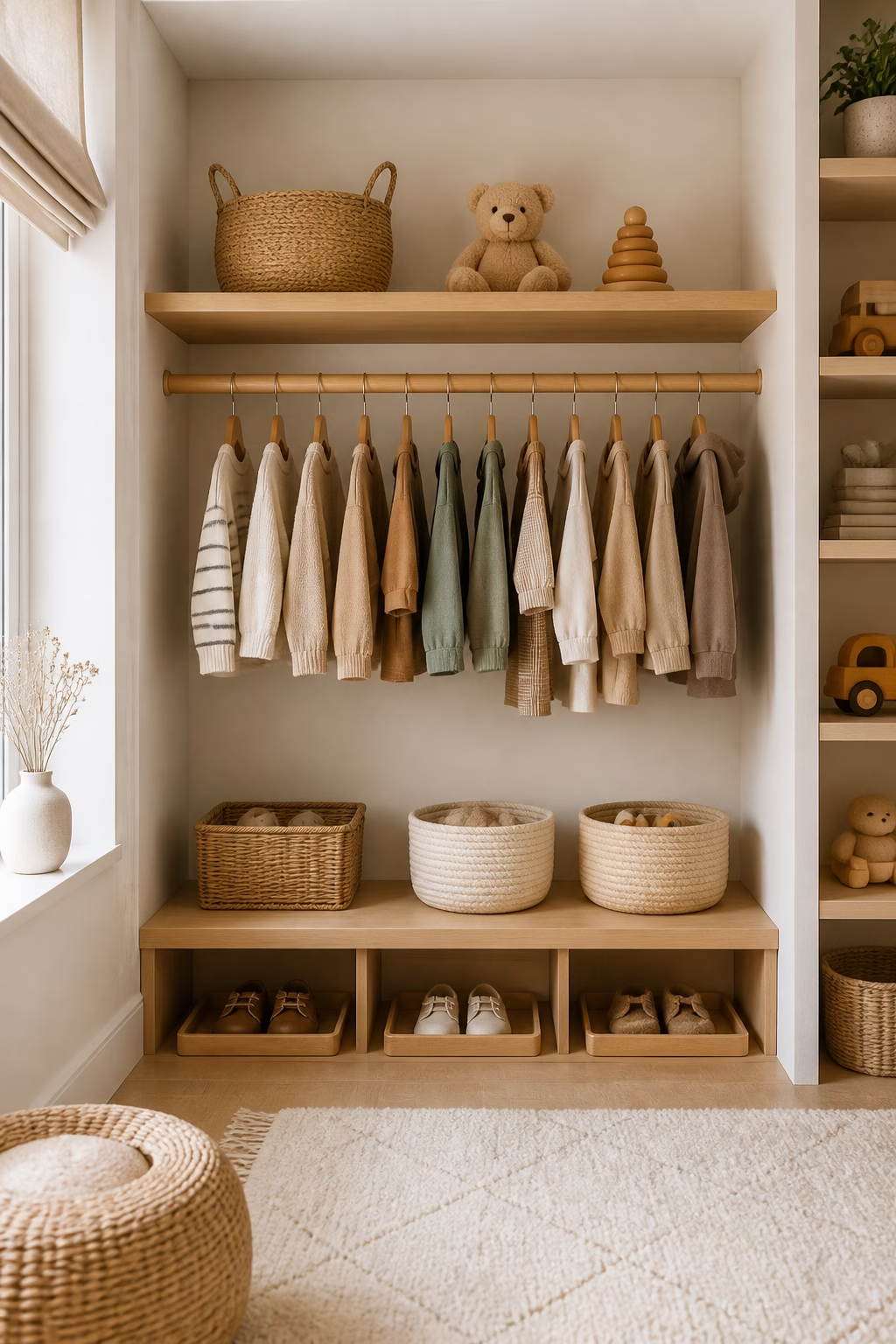
Try a Montessori-Inspired Open Wardrobe
A Montessori-inspired closet is less about a specific style and more about independence. Keep a limited number of choices visible on a low rail, add a few baskets for folded pieces, and resist the urge to fill every inch. Children make better decisions when the wardrobe is edited. This setup is ideal for small bedrooms because it can replace a bulky dresser or make a reach-in closet feel calmer. Choose natural materials and warm finishes if you want the space to feel elevated rather than classroom-like. The key is restraint: five to seven outfits, a basket for pajamas, a shelf for shoes, and enough open space for a child to put things back.
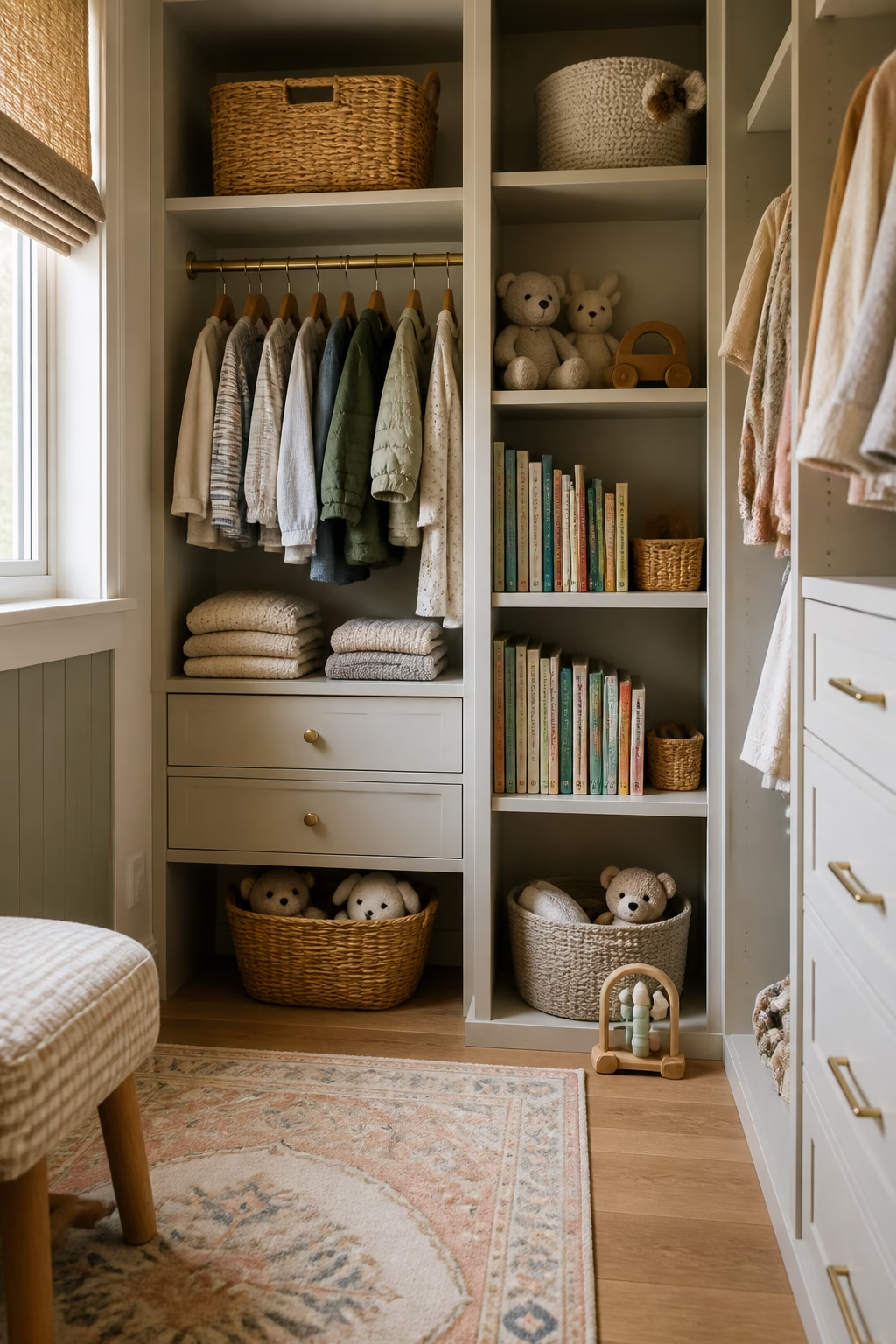
Let Books and Toys Share One Polished Shelf
Children's closets often need to hold more than clothes, especially in compact bedrooms. Rather than fighting that reality, dedicate one intentional shelf to books or small toys. The trick is to make it look deliberate. Use a vertical stack of picture books, a low basket for toys, and one styled object to soften the practical storage. Keep this shelf near the lower half of the closet so a child can use it without disturbing clothing above. This approach works beautifully in nurseries, playroom closets, and bedrooms without built-in bookcases. When the shelf has a clear limit, toys feel curated instead of scattered, and the closet can support the whole room.
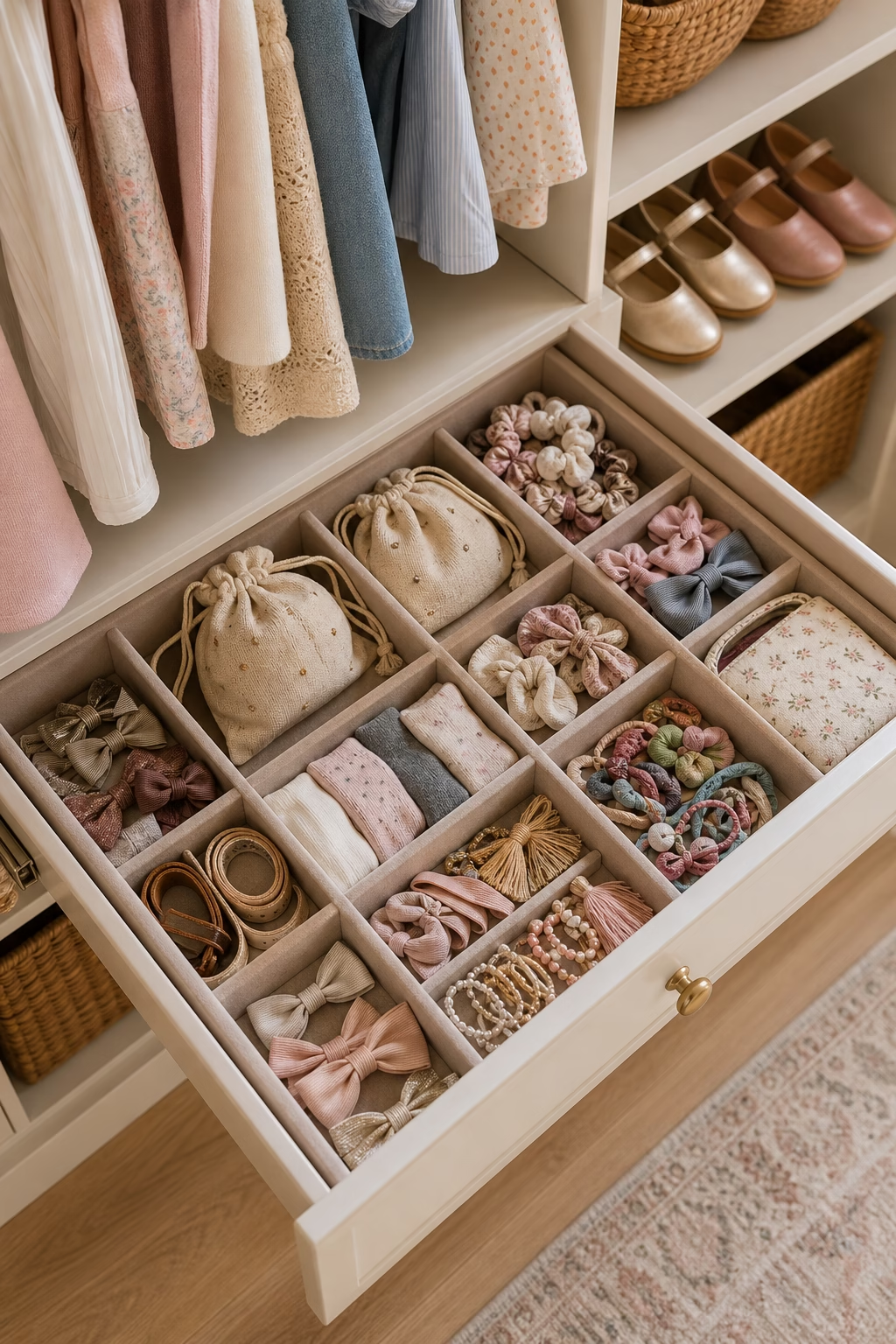
Tuck Tiny Accessories Into a Divided Drawer
Hair bows, belts, socks, bracelets, dance accessories, and small pouches can make a closet feel chaotic even when the clothing is tidy. A shallow divided drawer is the cleanest solution. It keeps delicate pieces visible, prevents duplicates, and turns getting dressed into a calmer ritual. Choose soft dividers if the drawer holds hair accessories or jewelry, and use washable bins for messier items like craft aprons or sports tape. Keep the drawer near the clothing it supports, not across the room. A divided drawer also teaches children that small things deserve specific homes. Without that structure, they tend to become the clutter that undoes the entire closet.
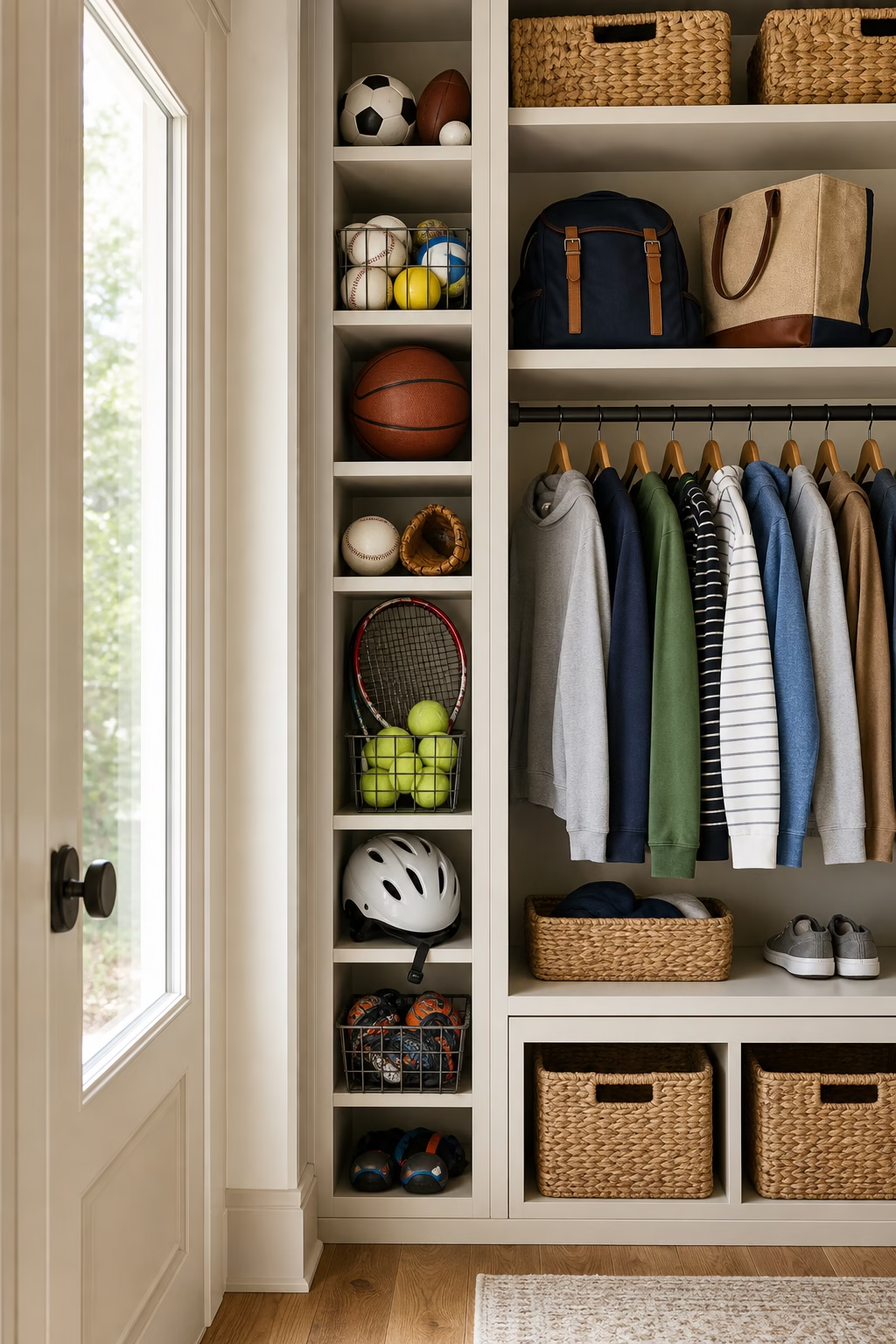
Reserve a Slim Column for Sports Gear
Sports gear is awkward because it is bulky, seasonal, and often dirty. A slim vertical column can keep it from taking over the closet. Use breathable baskets for balls or shin guards, hooks for helmets and small bags, and a tall cubby for rackets or practice gear. Place this column on one side so it does not interrupt the clothing system. If the child has multiple activities, rotate the current sport into the reachable zone and move the rest higher. This keeps the closet useful without pretending athletic gear behaves like folded sweaters. A dedicated sports bay also helps children pack for practice independently because the equipment lives in one predictable place.
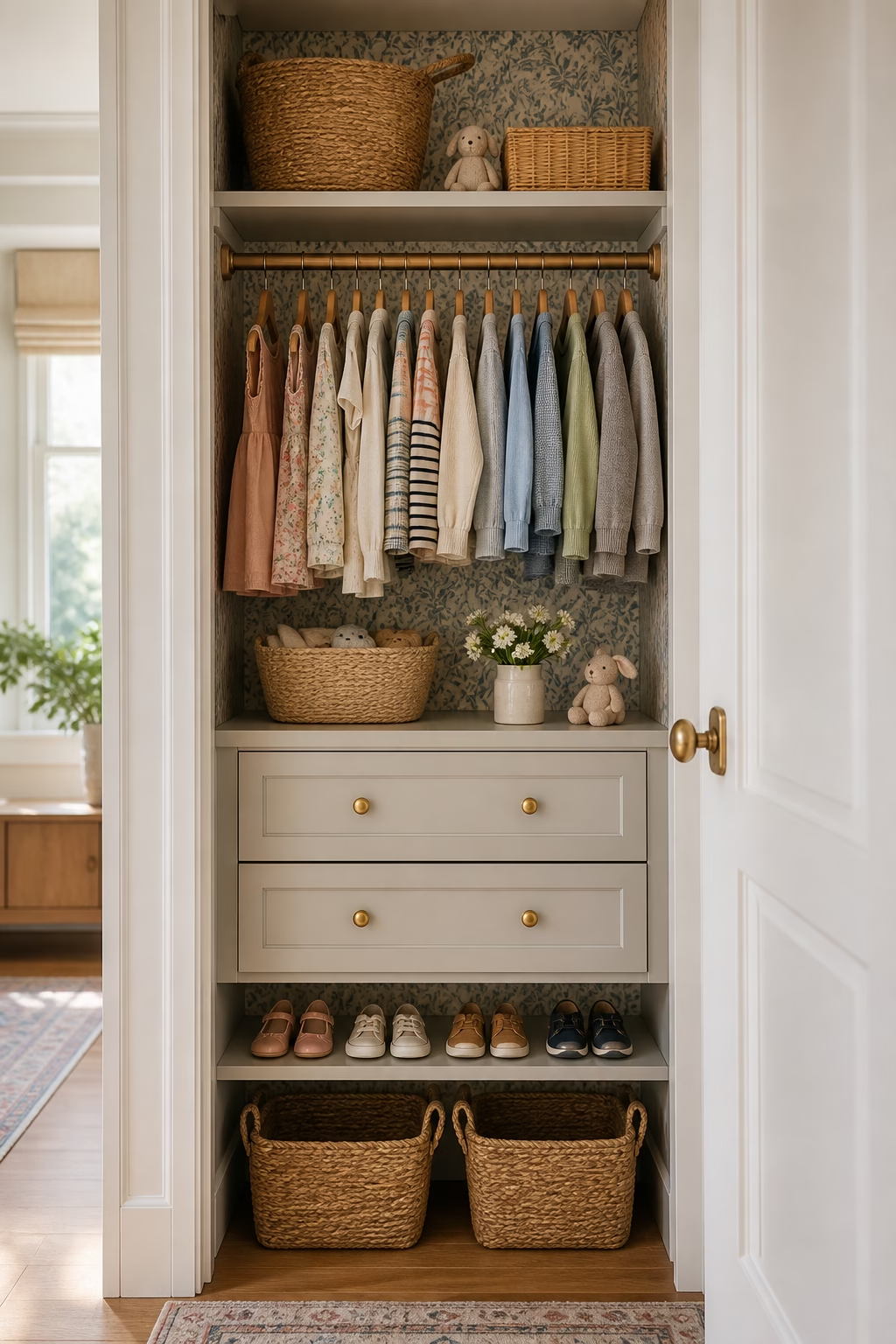
Refresh a Reach-In Closet With Wallpaper Backing
A small reach-in closet can feel custom with one high-impact design move: wallpaper or a painted backing. Because the pattern sits behind shelves and clothing, it adds charm without overwhelming the bedroom. Choose a print that still looks good when partially covered, such as a soft stripe, botanical, gingham, or small-scale motif. Pair it with practical upgrades like a low rod, two drawers, and baskets that fit the shelf depth. The decorative backing makes the closet feel cared for, which often encourages better maintenance. Keep the rest of the finishes quiet so the storage remains functional. In a child's room, a beautiful closet door opening can become a small daily delight.
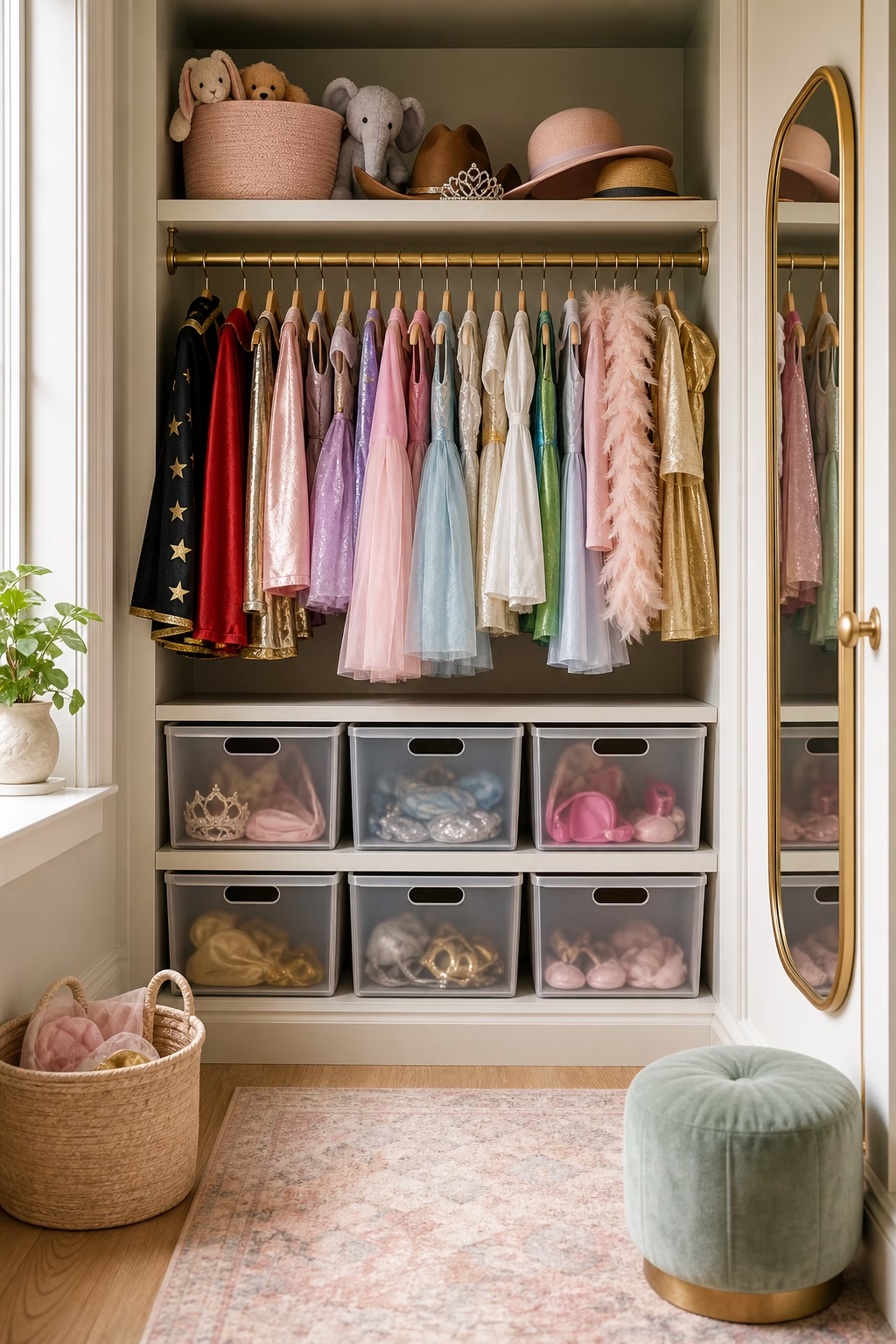
Keep Dress-Up Clothes Visible but Contained
Dress-up clothes are wonderful, but they can quickly swallow a child's closet. Treat them like a boutique category: a short hanging section for costumes, a clear-front bin for accessories, and one basket for soft pieces. Visibility matters because children forget what they cannot see, yet containment keeps tulle, capes, hats, and props from drifting into daily clothing. Place dress-up storage slightly apart from school clothes so playtime does not disturb the morning routine. If space is tight, use the inside edge of the closet for hooks or a narrow rail. The best version feels imaginative without looking chaotic, giving favorite costumes a place of honor and a clear return path.
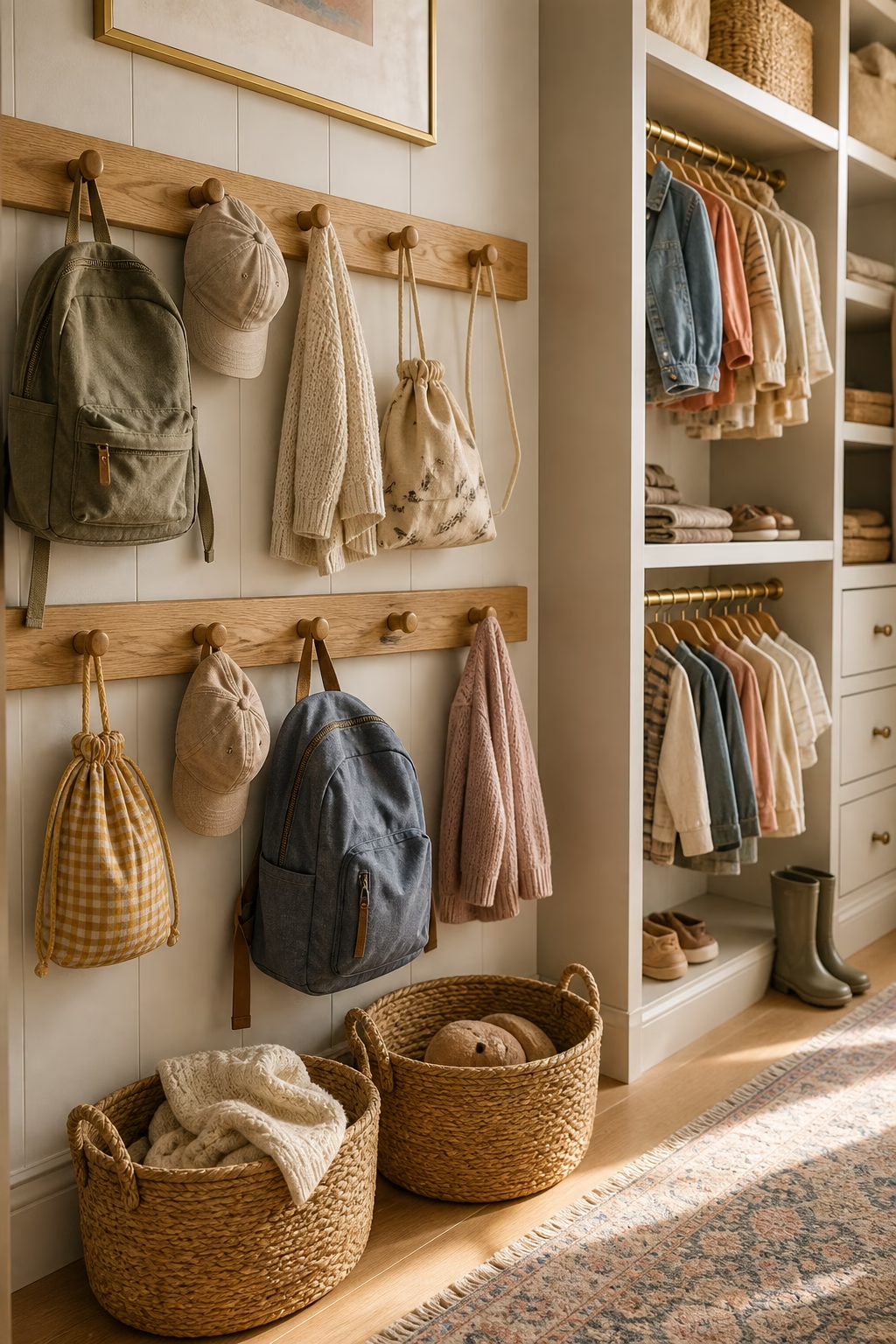
Finish With Hooks and Peg Rails for Fast Resets
Hooks are the quiet workhorses of a children's closet. They catch the items that rarely make it onto hangers: robes, cardigans, hats, backpacks, dance bags, and next-day layers. A low peg rail can be installed on a side wall, the back of a closet, or beneath upper shelves. Keep spacing generous so items do not overlap into one heavy mound. For a polished look, choose wood pegs or simple brass hooks that coordinate with the closet hardware. Hooks are especially useful for teaching independence because they require less precision than hangers. When the closet includes a few forgiving storage gestures, children are more likely to participate in keeping it beautiful.
The most beautiful kids' closet is the one a child can use without friction. Keep the daily zones low, make categories easy to recognize, and reserve the higher shelves for the pieces adults manage. With the right structure, order becomes part of the room's design rather than a separate chore.