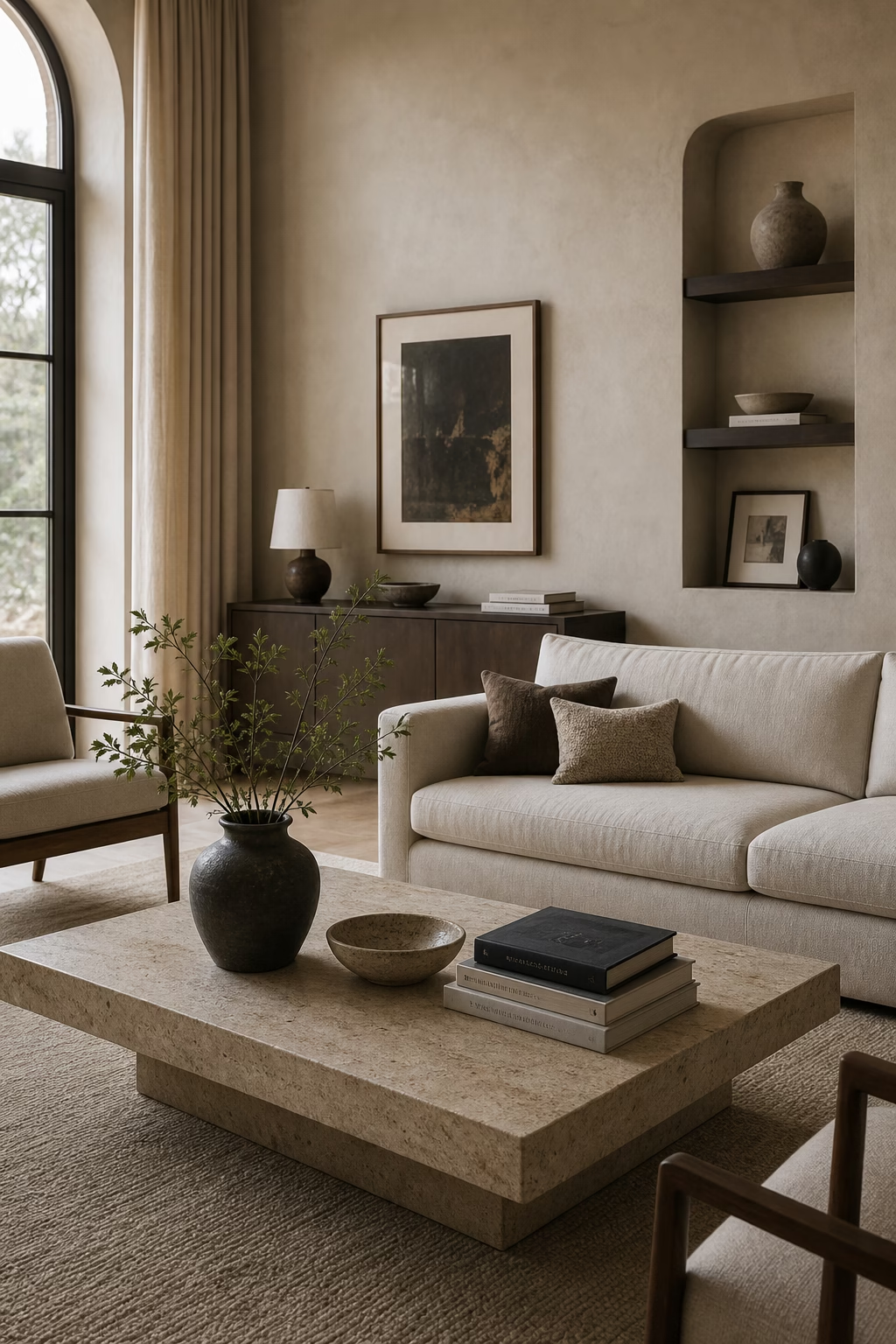
Living room trends are most useful when they improve the way a room feels every day. For 2025, the strongest ideas are warm, tactile, architectural, and personal: deeper woods, softer silhouettes, smarter storage, sculptural lighting, and materials that make a space feel considered rather than decorated in a hurry.
Choose Warm Minimalism Over Empty Minimalism
The most elevated living rooms in 2025 are edited, but not bare. Warm minimalism keeps the clean sightlines people love and adds texture where the room would otherwise feel thin. Think plaster walls, a low linen sofa, oak or walnut tables, a wool rug, and lighting with a soft shade rather than exposed glare. The palette can stay quiet, but every surface should offer something tactile. This works especially well in open-plan homes because it gives the room calm without making it look unfinished. Keep accessories intentional: one vessel with scale, a few books, and a lamp with a beautiful profile will do more than a crowded tray.
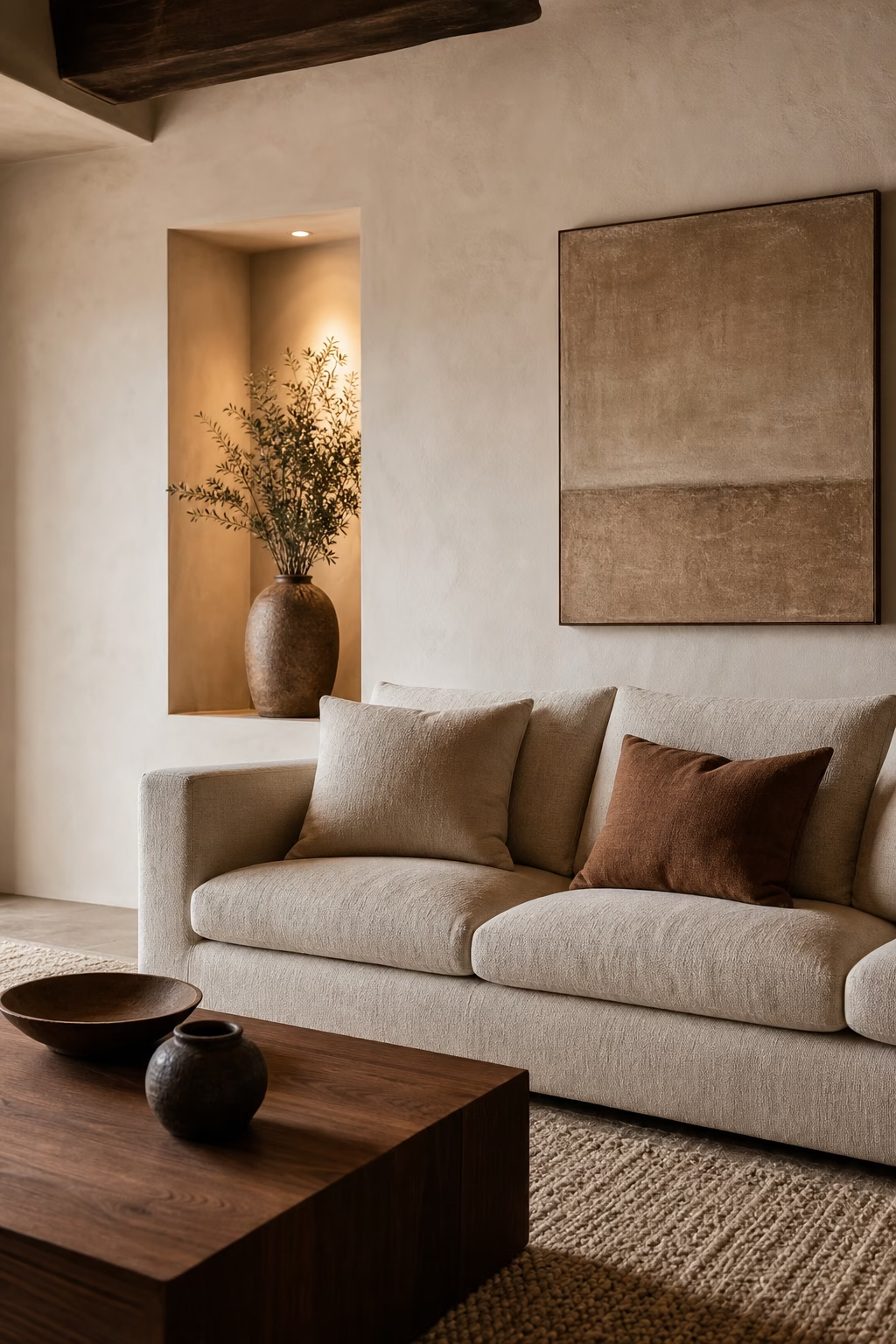
Bring in Deeper Woods for Architectural Weight
Pale oak is not disappearing, but deeper woods are giving living rooms a more grounded, architectural feeling. Walnut, smoked oak, and mahogany tones work beautifully on built-ins, coffee tables, sideboards, and frame details because they add depth without relying on bright color. The key is contrast. Pair darker wood with pale upholstery, warm walls, stone, and textured fabric so the room does not become heavy. A single substantial wood piece can make inexpensive accessories look more considered. If your floor is already dark, keep the larger furniture lighter and use rich wood in vertical elements such as shelving or a cabinet wall.
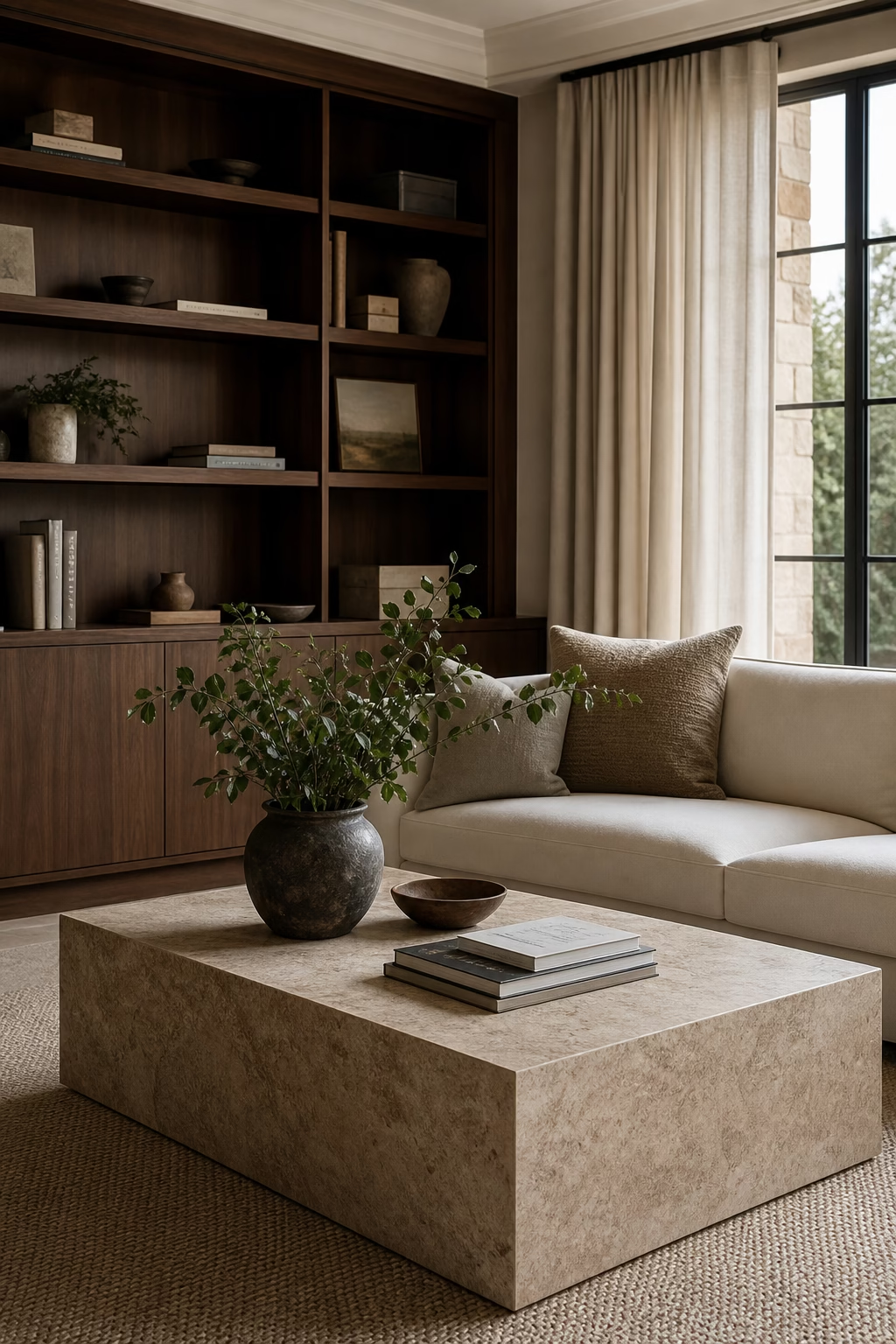
Use Curved Seating With Real Structure
Curves are still important, but the best versions are disciplined rather than novelty-shaped. A gently curved sofa, rounded lounge chair, or oval ottoman can soften a rectangular living room and improve conversation flow. Look for pieces with proper support, clean upholstery, and enough depth to sit comfortably; a sculptural shape should not feel like a lobby prop. Curved seating works especially well when balanced by straight architecture, a rectangular rug, or a linear console. Keep the surrounding pieces simpler so the curve has room to register. The result feels current because it changes the room's rhythm without overwhelming the plan.
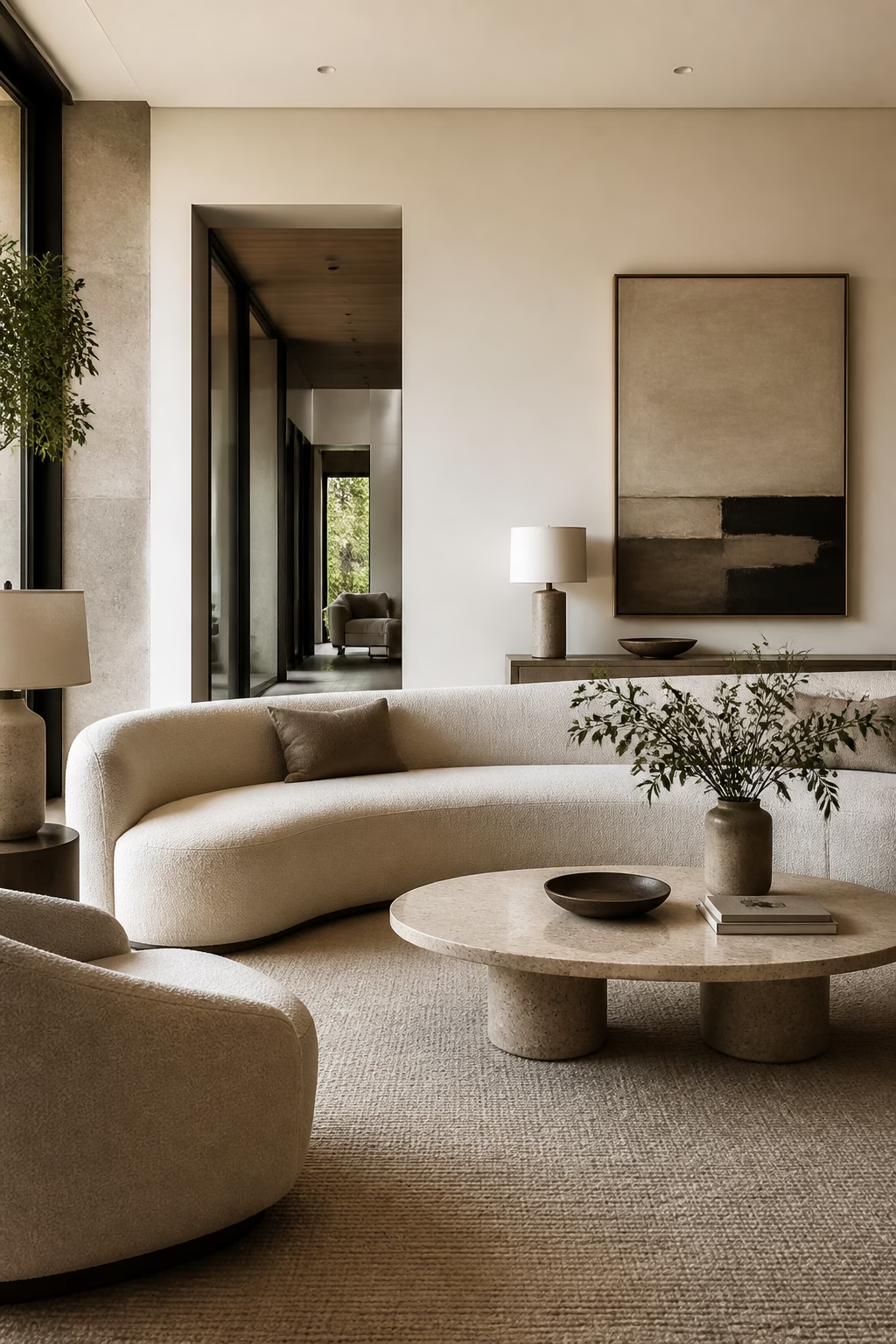
Let Sculptural Lighting Set the Mood
Lighting has moved from afterthought to centerpiece. A sculptural floor lamp, oversized paper shade, ceramic table lamp, or branching ceiling fixture can give a living room personality before any small decor is added. The best approach is layered: one statement light for shape, then quieter lamps and sconces for usable glow. Choose warm bulbs and dimmers so the room can shift from bright daytime living to a softer evening setting. Scale matters more than drama. A large shade can look elegant in a room with high ceilings, while a compact apartment may need a distinctive table lamp instead of a dominant overhead fixture.
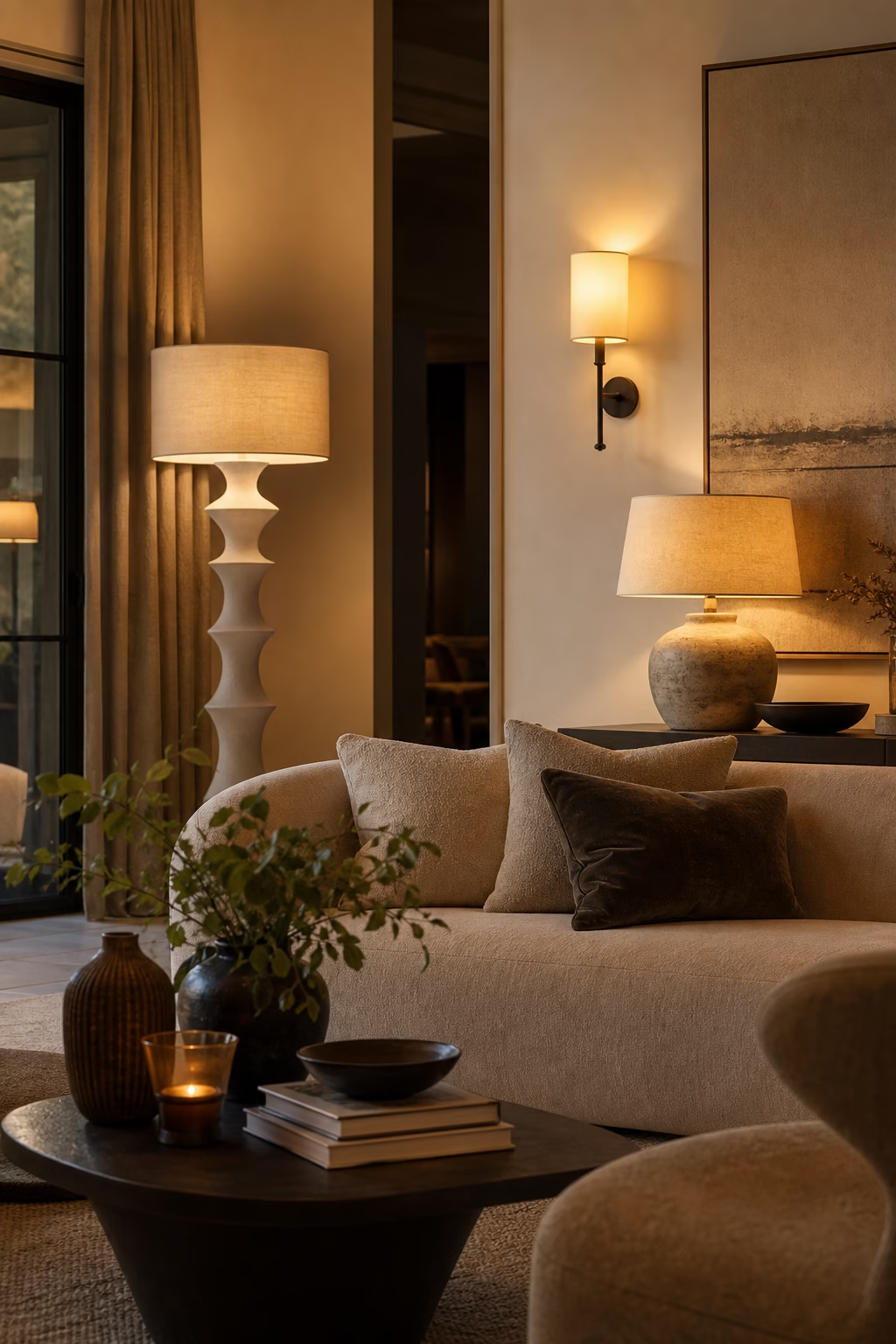
Make Stone Feel Soft, Not Cold
Travertine, limestone, marble, and honed quartzite are appearing in living rooms because they bring permanence and natural variation. To keep stone from feeling cold, use it in pieces that sit among softer materials: a coffee table on a wool rug, a side table beside boucle, or a fireplace surround framed by warm wood. Honed and leathered finishes usually feel more relaxed than high polish. Repeat the stone tone in small ways, such as a lamp base or tray, so it belongs to the room rather than reading as a single expensive object. The contrast between mineral surface and touchable fabric is what makes the trend livable.
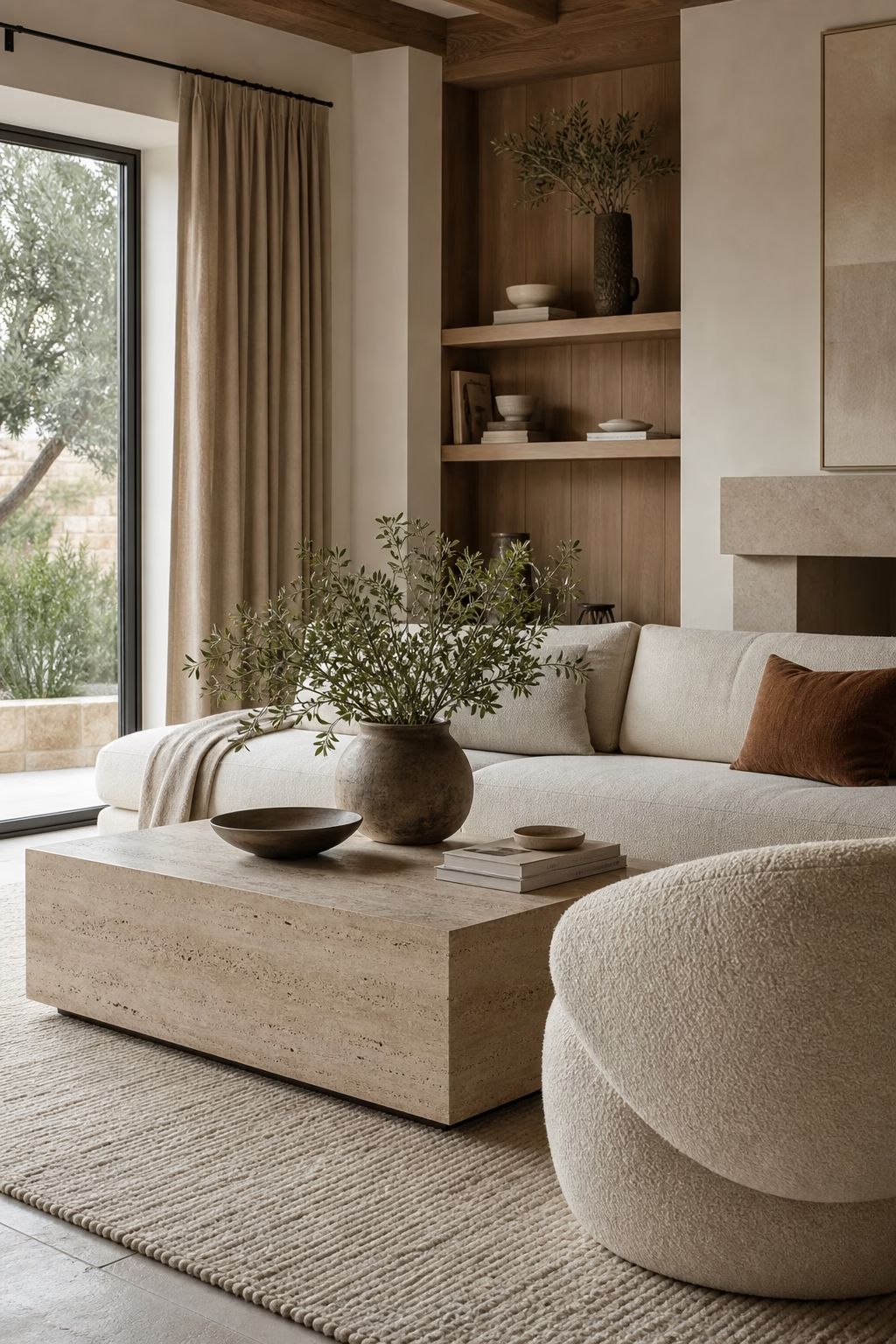
Choose Earth Tones With Clear Undertones
Earth tones are most sophisticated when their undertones are controlled. Clay, olive, tobacco, mushroom, ochre, and warm taupe can make a living room feel rich, but using all of them at once can look muddy. Start with one dominant neutral, add one deeper earth tone, then use a smaller accent for lift. For example, mushroom walls, an olive chair, and rust pillows can feel layered without becoming themed. Always test colors beside the floor and wood finishes; an olive that looks refined in daylight may turn brown at night. Good earth-tone rooms feel rooted, not dark, and they age best when the palette stays edited.
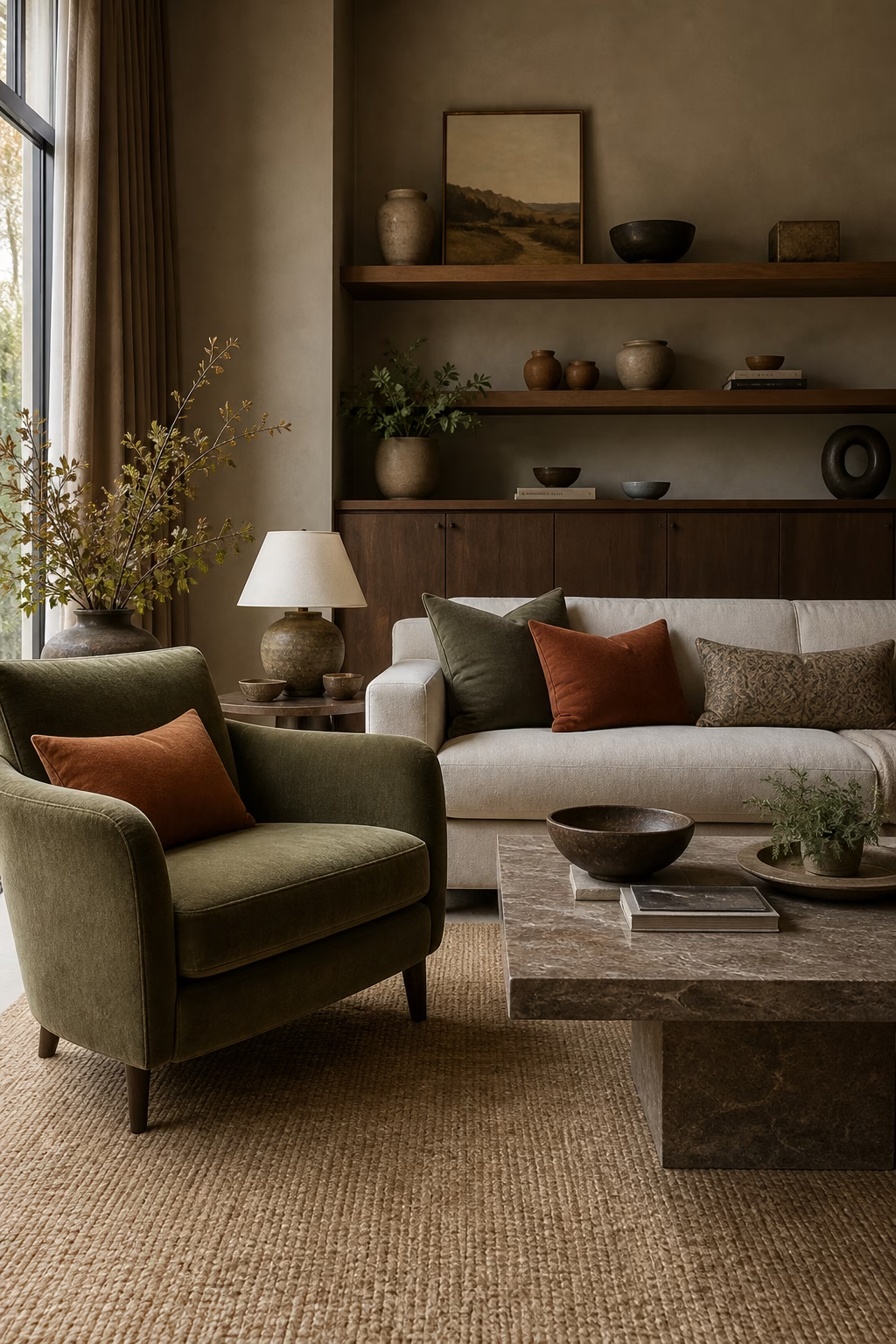
Layer Rugs for Texture and Zoning
Layered rugs are becoming less bohemian and more architectural. In a living room, a large natural fiber or flatweave base can define the seating zone, while a smaller wool or patterned rug adds softness where feet actually land. This approach is useful in rentals, open plans, and rooms where the existing floor feels too hard. Keep the lower rug simple and let the top layer carry pattern or pile. The edges should look deliberate, not like one rug failed to fit. Layering also helps large rooms feel furnished sooner, because the floor gains depth before every wall has been solved.
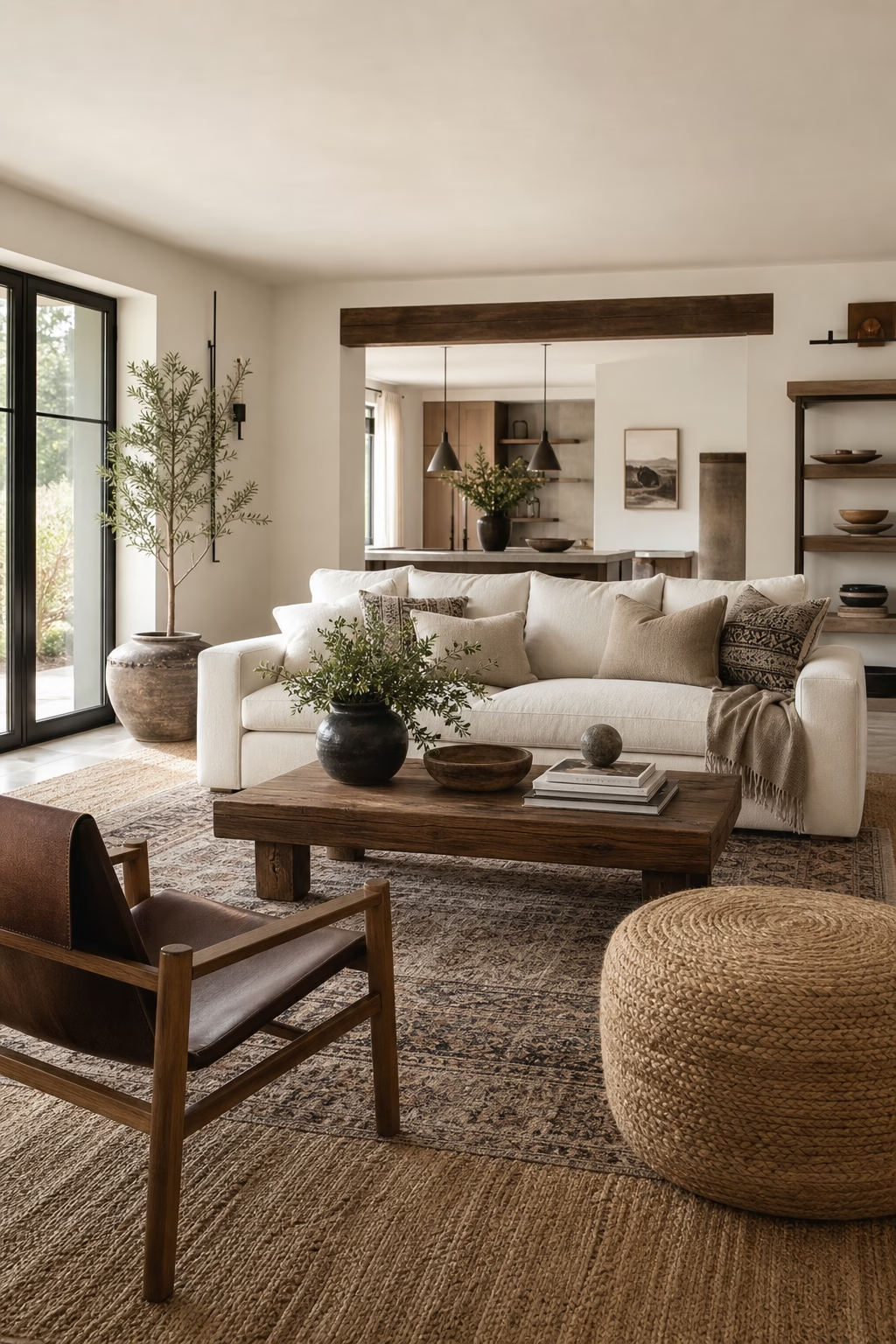
Add One Vintage Piece With Presence
The vintage trend works best when it is selective. One piece with presence, such as a credenza, lounge chair, side table, or framed textile, can make a new living room feel collected without turning it into a period set. Look for proportion, patina, and material quality rather than obvious nostalgia. A vintage wood cabinet below contemporary art often has more impact than a cluster of small thrifted objects. Repair what needs to function, but do not polish away every mark. Those small irregularities are what give the room history. Balance the piece with fresh upholstery and lighting so the overall mood stays current.
Use Art as the Strongest Color Moment
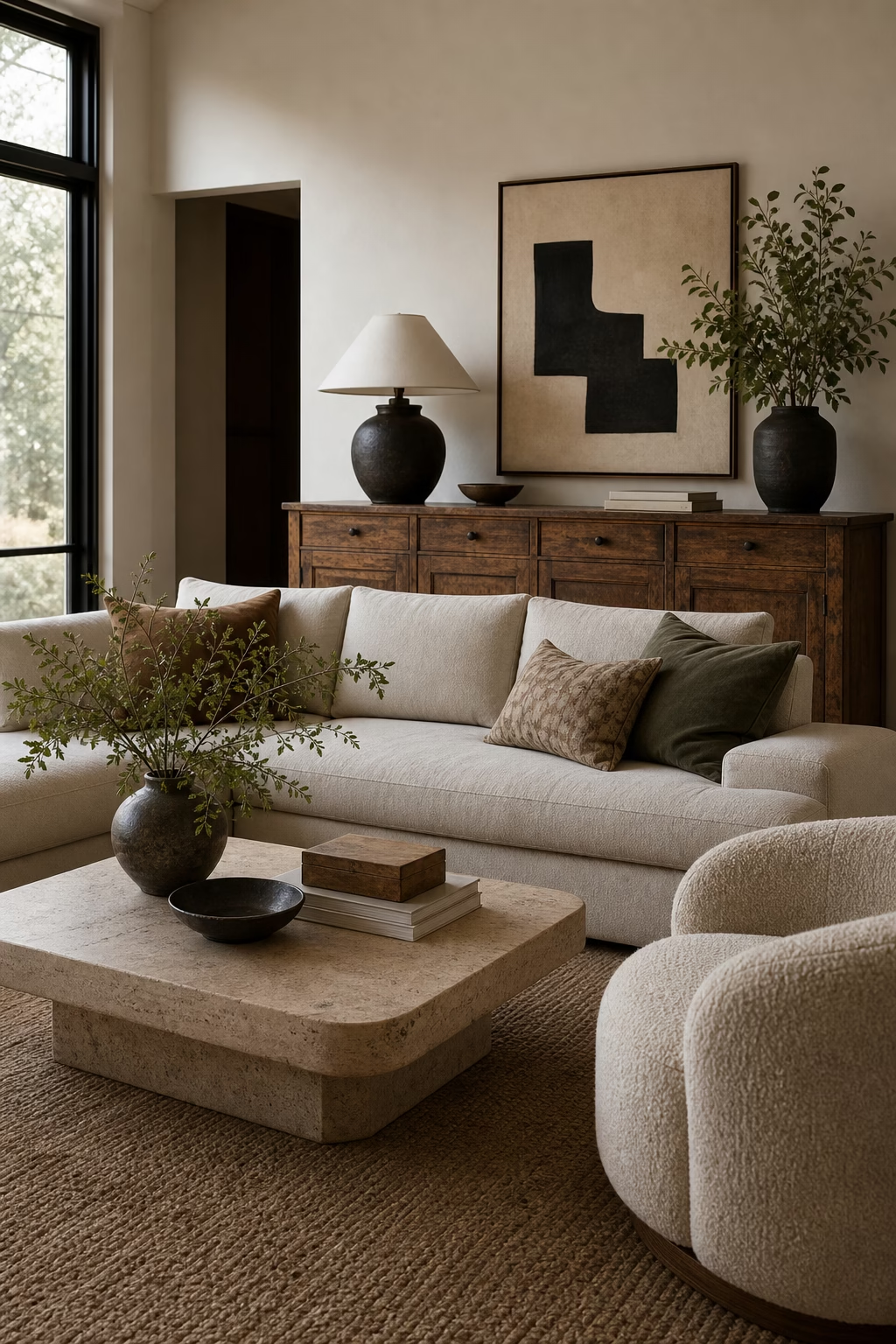
Instead of scattering color across every pillow and object, many elevated living rooms are letting art carry the strongest color moment. A large painting, textile, or framed print can introduce red, blue, green, or ochre while the furniture stays calm. This makes the room easier to update and more personal than buying trend-colored accessories by default. Scale is important. One generous artwork above a sofa or console usually feels more luxurious than several small pieces trying to fill the same wall. Pull only one or two colors from the art into the room so the connection feels deliberate but not overly matched.
Mix Boucle With Smoother Fabrics
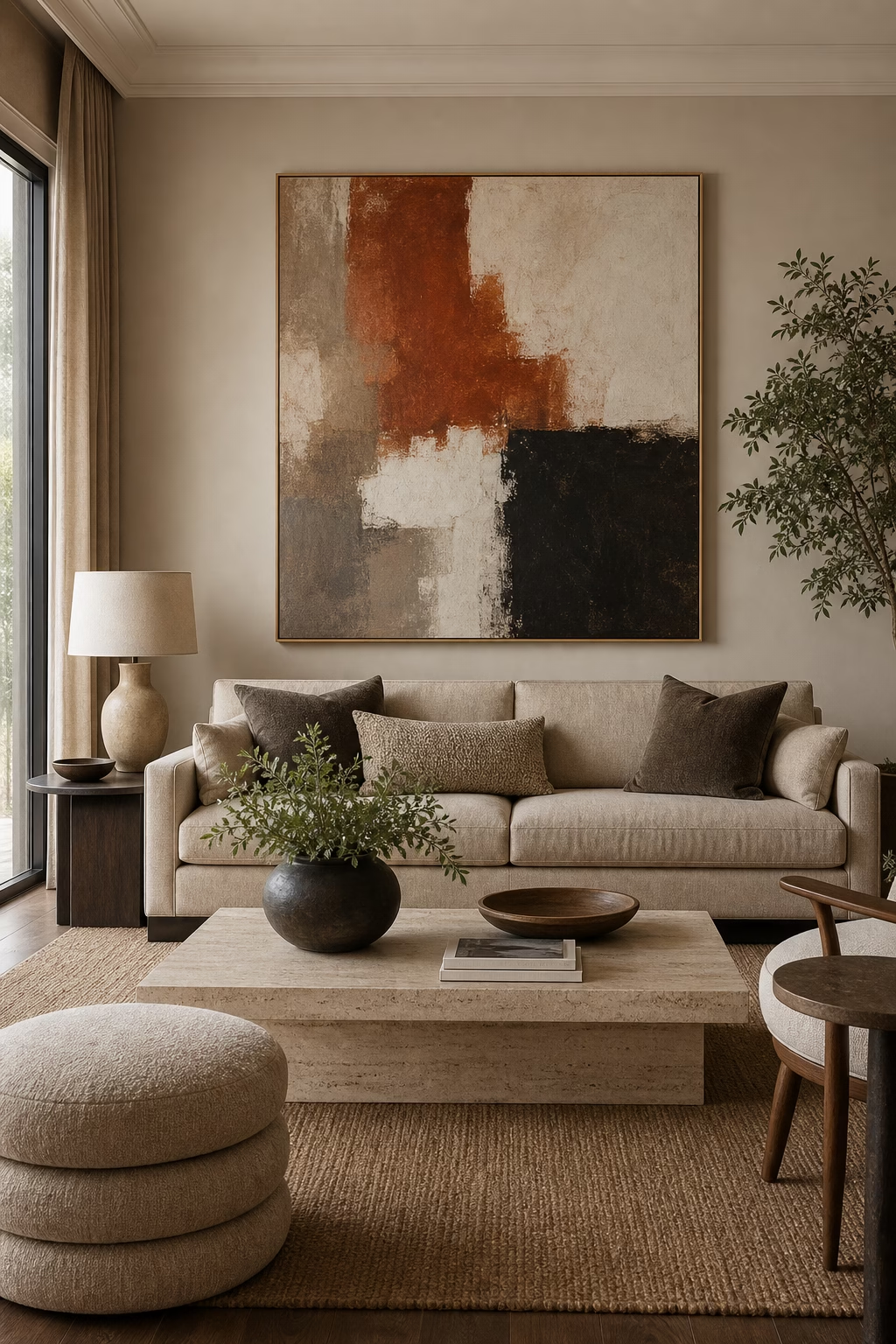
Boucle remains popular because it photographs beautifully and adds instant softness, but it looks more refined when mixed with smoother fabrics. Pair a boucle chair with a linen sofa, leather ottoman, velvet pillow, or flat woven rug so the room has contrast. Too much nubby texture can make a living room feel fuzzy and visually heavy. Use boucle where its sculptural quality matters, often on a chair or small sofa, and choose durable performance versions if the piece will get daily use. The goal is tactile range: some surfaces plush, some crisp, and some smooth enough to let light move across them.
Let Drapery Become Part of the Architecture
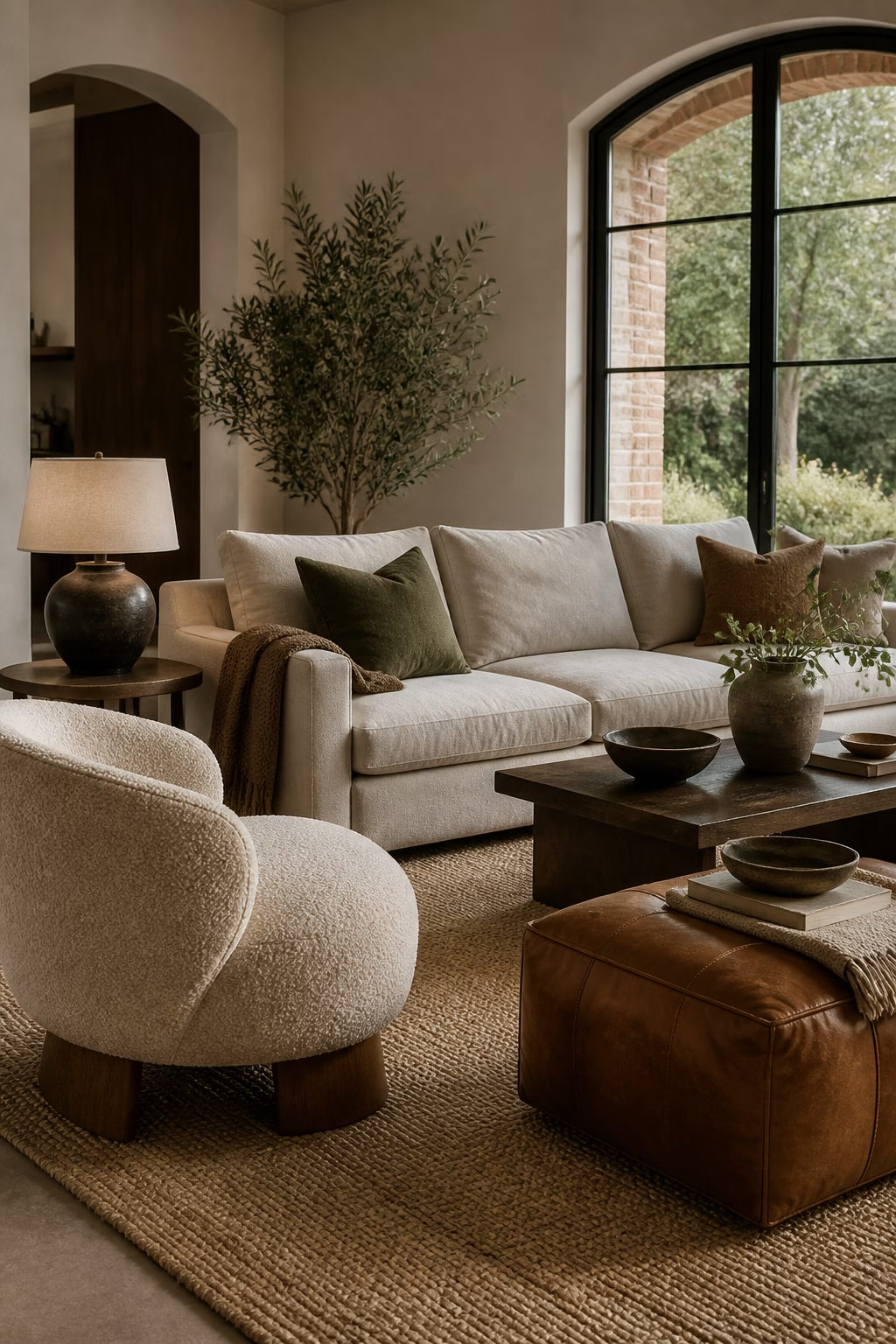
Curtains are becoming more architectural, especially when they run from ceiling to floor or wall to wall. Instead of treating windows as separate openings, a continuous track can soften an entire elevation, improve acoustics, and make the ceiling feel higher. Linen, wool blends, and substantial sheers all work if they hang with enough fullness. The fabric color should relate closely to the wall for a calm effect, or go slightly deeper if the room needs drama. Keep hems precise and avoid puddling in busy spaces. When drapery is planned this way, it reads as an architectural layer rather than an accessory.
Design the Coffee Table as a Working Surface
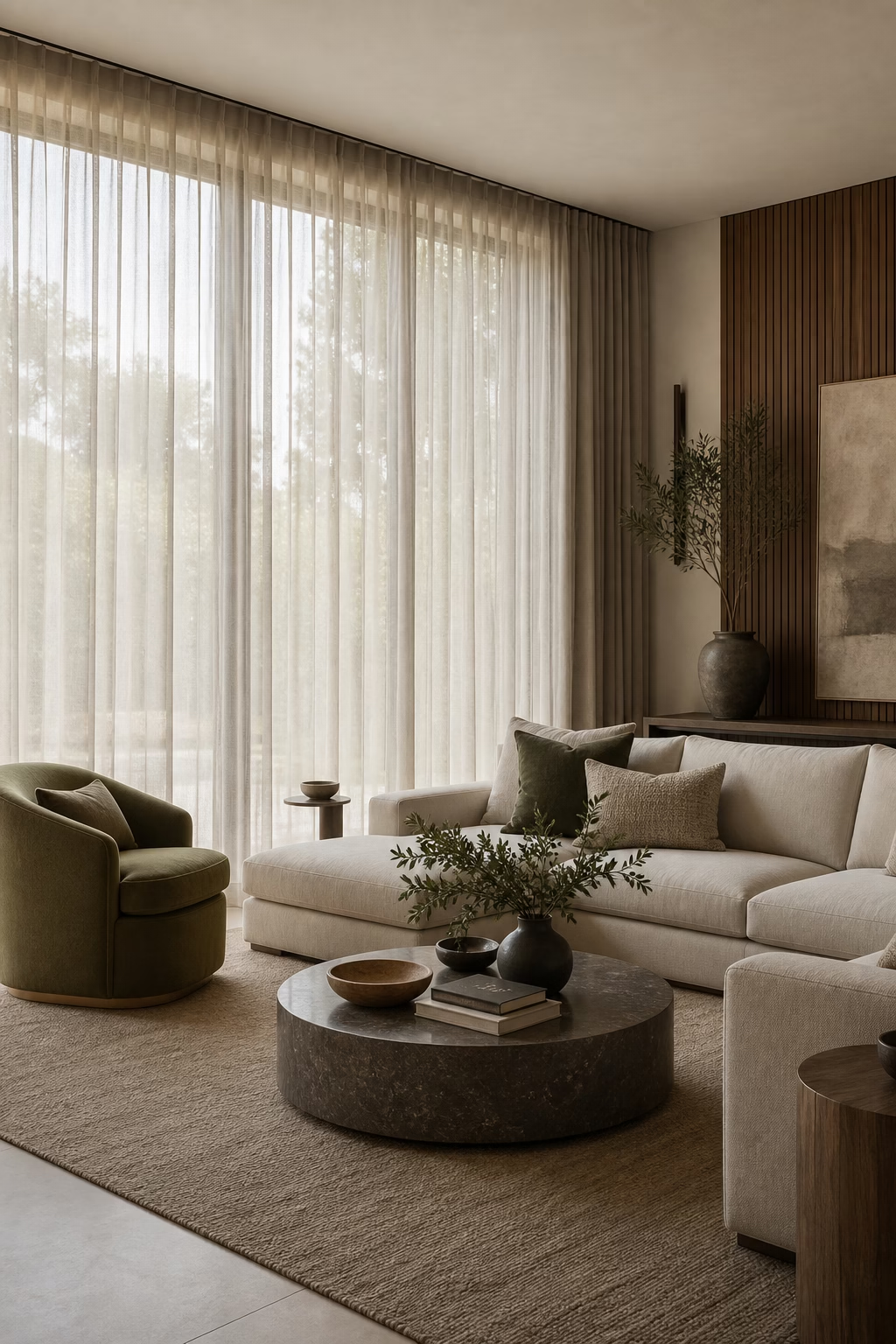
Coffee table styling is becoming more restrained because real living rooms need surfaces that function. Choose a table with enough scale for books, drinks, and a small decorative object without covering every inch. A tray can corral remotes or coasters, but it should not become a miniature display case. Vary height with one vessel or lamp nearby, then leave negative space so the material of the table remains visible. This trend is less about decoration and more about ease. A beautiful coffee table that can still host a cup, a plate, and a book will feel more luxurious than one that requires constant clearing.

Build in Storage That Looks Like Paneling
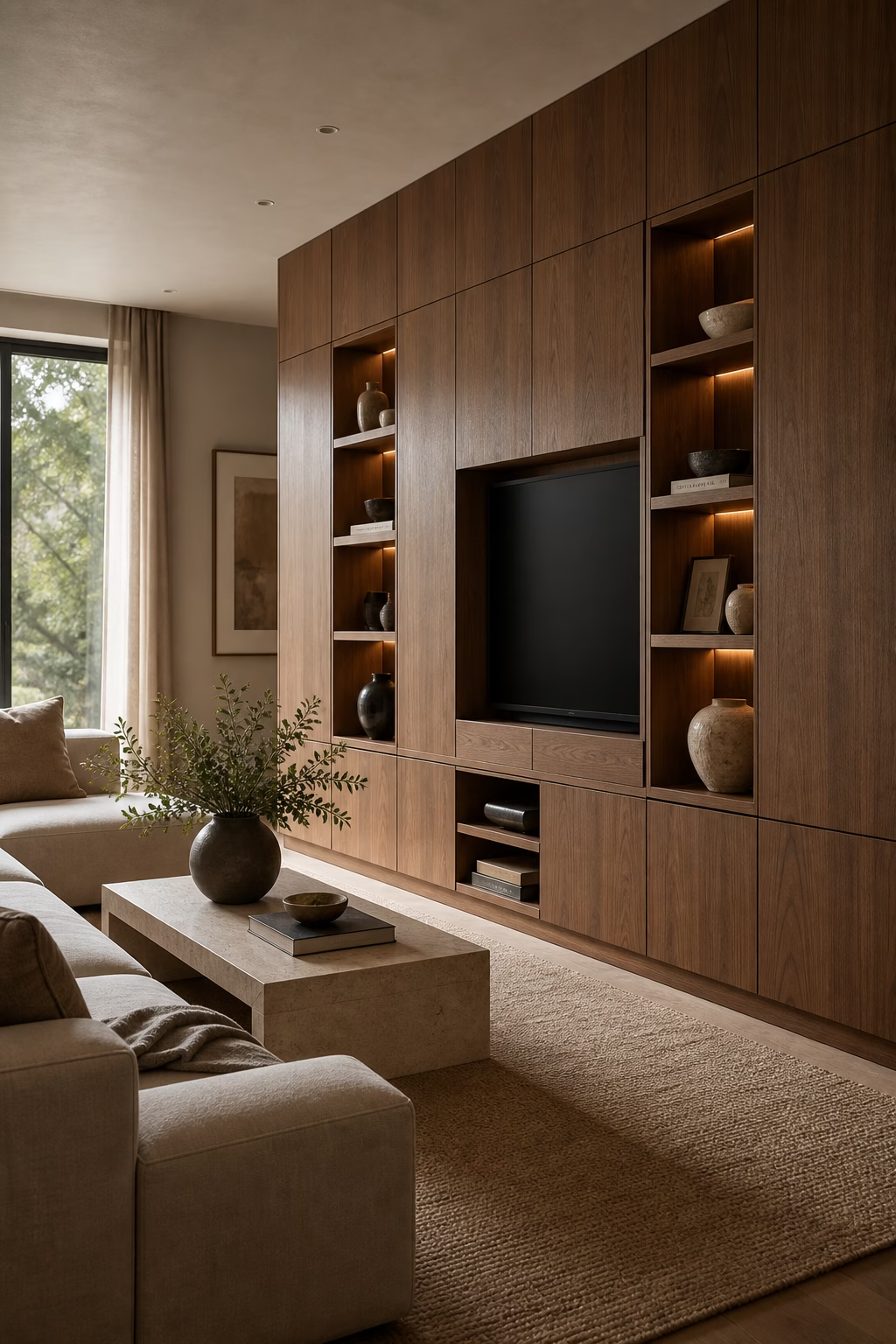
As living rooms handle media, toys, books, and work supplies, storage has become more discreet. Built-ins that look like paneling or furniture allow the room to stay calm without pretending life has no clutter. Flat-front cabinets, reeded doors, push latches, and integrated shelves can hide the practical pieces while keeping display areas edited. Plan outlets, cable paths, and ventilation before anything is built, especially around televisions and speakers. The most successful storage walls do not announce themselves as storage. They support the architecture, repeat a key material, and leave enough open space for art, books, or a single sculptural object.
Use Pattern in One Confident Place
Pattern is returning, but the premium version is controlled. Rather than mixing every print at once, choose one confident patterned element: a rug, pair of curtains, upholstered chair, or large textile. Let that piece establish the room's rhythm while the surrounding furniture stays quieter. This keeps the space from looking generic without sacrificing calm. Pattern scale should respond to the room size. A small apartment may benefit from a tonal stripe or check, while a large living room can handle a broader abstract rug. Repeat one color from the pattern elsewhere, but resist matching everything too closely or the room will lose ease.

Choose Low Seating for a More Relaxed Profile
Low seating is shaping many contemporary living rooms because it makes a space feel relaxed and expansive. A lower sofa, lounge chair, or ottoman allows art, windows, and architecture to remain visible. It also encourages a more conversational layout when paired with a properly scaled coffee table. Comfort still matters, so check seat depth, cushion support, and back height before choosing a piece purely for its silhouette. Low does not have to mean casual; tailored upholstery and high-quality fabric keep the profile sophisticated. This trend works best when the room has clear walkways and enough lighting to prevent the low forms from disappearing after dark.

Bring Biophilic Design Beyond Houseplants
Biophilic design is moving beyond simply adding more plants. The stronger approach is to create a living room that feels connected to nature through light, air, materials, and views. Use linen, wool, stone, wood, clay, and woven textures, then arrange furniture so windows and outdoor sightlines are not blocked. One healthy sculptural plant can be more effective than many small pots scattered around the floor. If the view is limited, artwork, natural fiber shades, and organic forms can still bring the mood inside. The room should feel restorative because its materials and light behave naturally, not because it has been filled with greenery.

Let Metallics Look Aged Instead of Shiny
Metallic finishes are warmer and less polished now. Aged brass, blackened steel, bronze, and patinated nickel add quiet depth without the glare of high-shine chrome. Use metal in small, repeated notes: lamp bases, picture frames, table legs, hardware, or a fireplace tool set. The finish should look like it belongs beside wood, stone, and fabric rather than sitting on top of the room as sparkle. Too many mixed metals can feel accidental, so choose one dominant finish and one supporting contrast. Aged metallics are especially useful in neutral rooms because they add richness without requiring more color or visual clutter.
Make the Television Wall Quietly Integrated
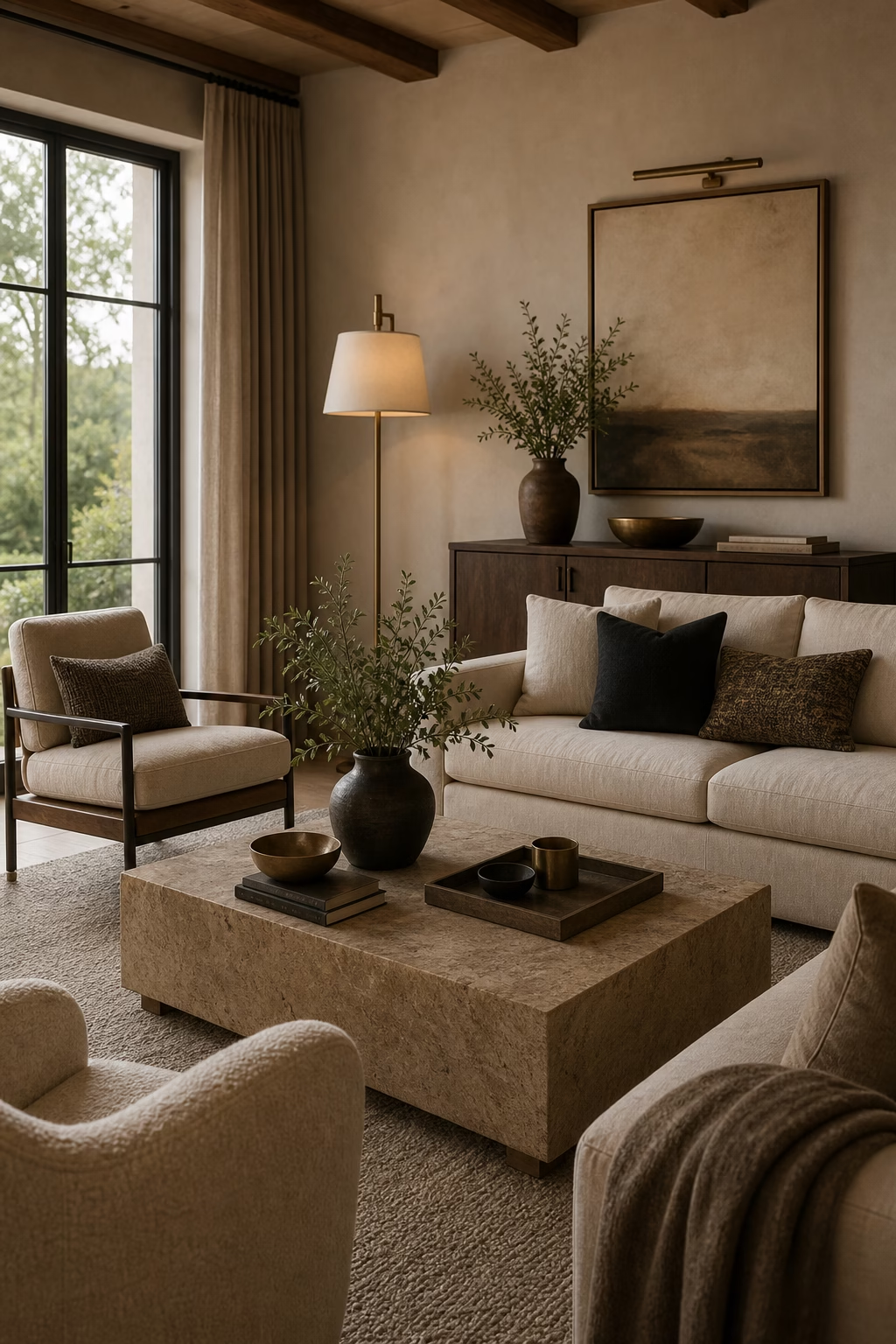
The television is not leaving the living room, but it is becoming less visually dominant. Dark paneling, built-in shelving, sliding doors, and low credenzas can help the screen sit inside a designed composition. Keep the wall balanced with art, books, or closed storage rather than letting the television float alone above a small console. Avoid mounting it too high; comfortable viewing height matters more than symmetry with the mantel. If a frame-style screen is used, surround it with real objects and proper lighting so it does not look like a gimmick. The goal is a room that works for watching without being designed only around the screen.

Use Modular Pieces Without Losing Elegance
Modular furniture is popular because living rooms now need to adapt quickly, but the pieces should still look tailored. Choose sectionals and ottomans with clean seams, supportive cushions, and fabric that holds its shape. Avoid overstuffed modules that make the room feel temporary. A modular sectional works best when anchored by a strong rug, a substantial coffee table, and lighting that defines the seating zone. Keep the configuration simple enough for daily life, then rearrange only when hosting requires it. Flexibility should feel invisible most of the time. When the proportions are right, modular seating can be both practical and polished.

Create a Reading Corner With Real Atmosphere
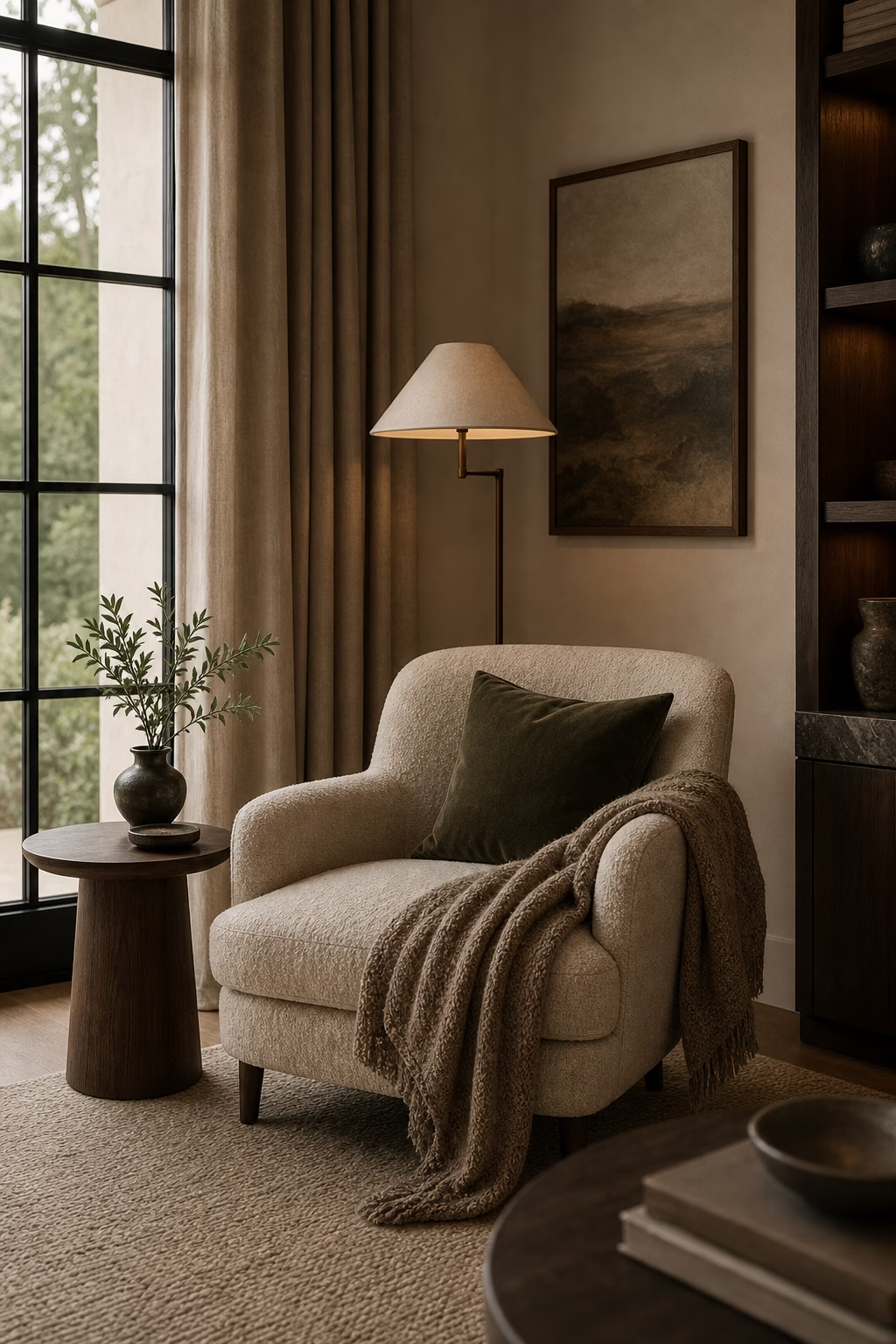
The return of the reading corner reflects a larger shift toward rooms that support slower rituals. A chair alone is not enough. Give the corner a proper lamp, a small table, a soft throw, and enough privacy from the main traffic path. Place it near a window if daylight is good, or use a warm shaded lamp if the corner comes alive at night. The chair can contrast with the sofa, but it should still share one material or color with the rest of the room. A successful reading corner feels like a destination within the living room, not leftover space filled with an extra seat.
Finish With Fewer, More Personal Objects
The most lasting trend is a move away from generic styling. A living room feels elevated when the final objects reveal taste, travel, craft, or memory without creating clutter. Choose a ceramic made by hand, a framed piece that matters, a stack of books you actually open, or a vessel with a strong silhouette. Give these objects space so they can be noticed. This is where luxury and personality meet: not in having more, but in choosing better. Edit seasonal decor aggressively and let the room's permanent materials carry the mood. A few personal pieces will make a trend-aware room feel human.