A living room worth coming home to has more than a pleasing palette. It supports the way the room is actually used: conversation, quiet nights, reading, hosting, and the everyday pause between work and rest. These ideas look at proportion, light, comfort, storage, art, and personal styling so the room feels composed without losing warmth.
Build the Room Around How You Actually Live
The best living room inspiration starts with use, not a saved image. Notice whether the room needs to support reading, movie nights, conversation, children, pets, working from a laptop, or weekend hosting. Then place the strongest furniture around those habits. A room used for conversation needs chairs that turn toward the sofa. A room used for quiet evenings needs lamps, a reachable table, and fabrics that feel good at the end of the day. When function leads, the decorative choices become easier. The room feels personal because it reflects real routines instead of copying a layout that may not fit the house.
Choose One Strong Seating Anchor
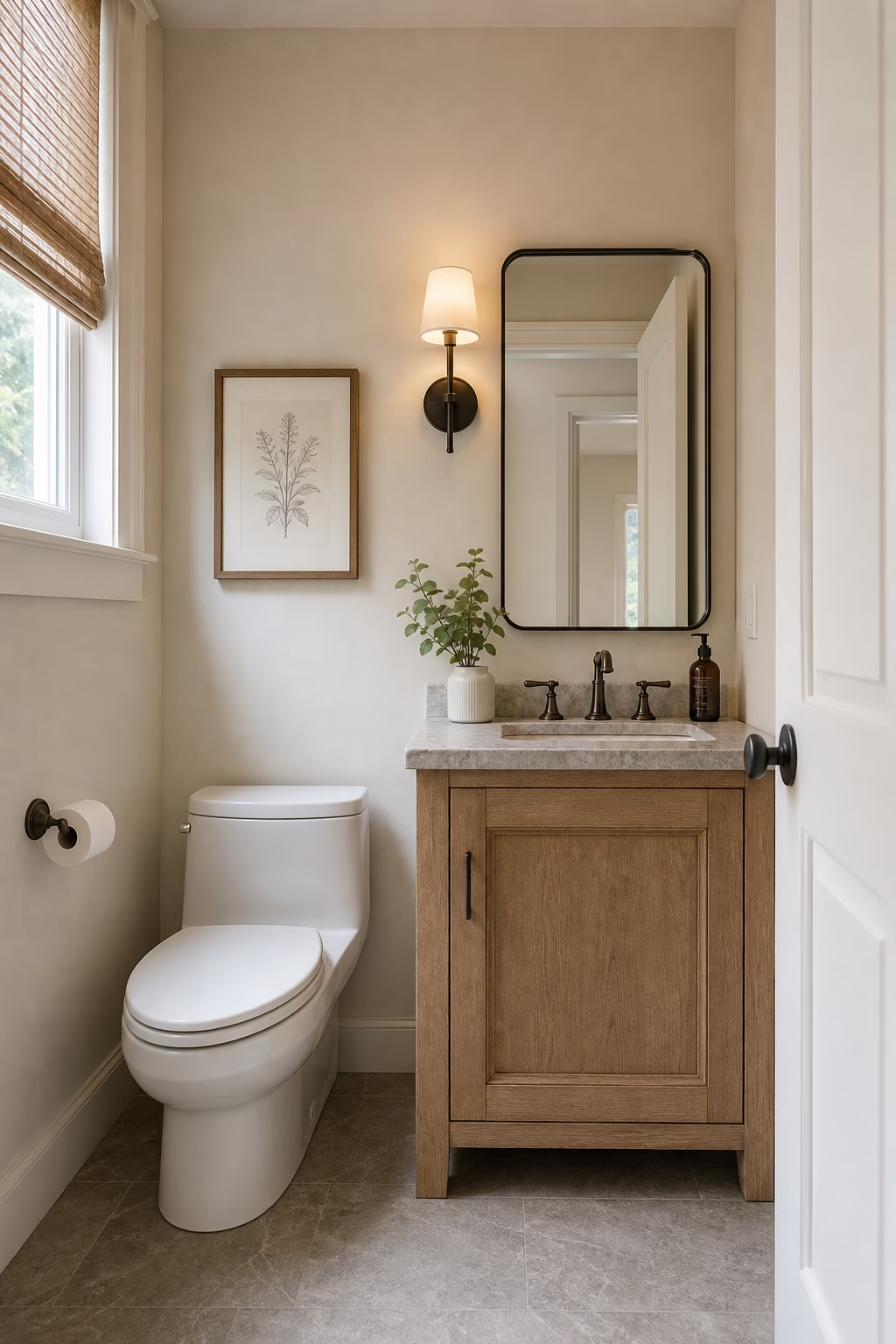
A living room usually needs one piece that steadies the entire arrangement. Often that is the sofa, but it might be a pair of lounge chairs in a smaller space. Choose an anchor with the right depth, height, and fabric for daily use, then let the rest of the room respond to it. A tailored linen sofa can feel relaxed but still polished. A deeper sectional works if the scale is right and walkways remain open. Avoid choosing the largest piece the room can physically hold. The better choice is the one that leaves space for light, tables, and movement.

Let the Rug Define the Conversation Area
A rug can make a living room feel intentional before the accessories arrive. It should be large enough to hold the seating group, with at least the front legs of the sofa and chairs on the rug. This makes the furniture feel connected rather than scattered around the perimeter. Texture is often more useful than a bold pattern, especially if the room already has art, books, or open shelves. Wool, jute, flatweave, and vintage-inspired rugs all bring different kinds of warmth. The rug color should quietly repeat something in the sofa, curtains, art, or wood tones so the whole room reads together.

Use Curtains to Make the Architecture Feel Taller
Curtains are one of the fastest ways to make a living room feel more finished. Hang them high, ideally near the ceiling, and wide enough that the panels rest outside the glass when open. This makes windows appear taller and lets more daylight into the room. Fabric fullness matters; thin panels can look temporary even when the fabric is beautiful. Linen, cotton, and wool blends create soft vertical lines that flatter modern and traditional rooms alike. If the room feels busy, choose curtains close to the wall color. If it needs structure, go slightly deeper for a tailored frame. Let the hem skim the floor cleanly.

Make Lighting Feel Like Part of the Furniture Plan
Lighting should be planned around where people sit, read, and move. Place a floor lamp beside a chair, table lamps near the sofa, and sconces or picture lights where they add depth. A central fixture can be beautiful, but it should not be the only source. Warm bulbs and dimmers allow the room to change mood without changing the furniture. Look for shades that diffuse light gently and avoid exposed bulbs aimed at eye level. When lighting belongs to the furniture plan, the room feels comfortable at night and more dimensional during the day because materials and corners are properly revealed.

Create a Focal Wall That Does More Than Display a TV
Many living rooms need a television, but the wall around it can still feel designed. Use a low credenza, built-in shelves, dark paneling, framed art, or closed cabinets to give the screen context. Keep the TV at a comfortable viewing height rather than forcing it over a mantel if that strains the neck. Hide cords and devices, then bring in lamps, books, and objects that soften the technology. The goal is balance. A focal wall can support entertainment while still contributing storage, texture, and architecture. When the screen is off, the room should still have something graceful to look at.

Choose Art Before Buying Extra Accessories
Art gives a living room emotional direction in a way small accessories rarely can. Choose one larger piece or a disciplined grouping that introduces the colors and mood you want in the room. Clay, olive, charcoal, cream, rust, or muted blue can all become anchors if they repeat subtly in pillows, books, or ceramics. Hang art at a comfortable height and give it enough space to breathe. When art leads, you need fewer decorative purchases because the room already has a point of view. This keeps the final design from feeling cluttered or assembled from trend-driven filler. A strong frame can sharpen the composition.

Mix Straight Lines With One Curved Piece
Living rooms often become rigid because most elements are rectangular: sofa, rug, shelving, windows, and coffee table. Add one curved piece to soften the geometry. A rounded lounge chair, oval table, arched mirror, drum stool, or curved floor lamp can shift the mood without overwhelming the room. The curved piece should still be useful and correctly scaled. Pair it with cleaner lines so the contrast feels intentional rather than whimsical. This is especially effective in modern rooms with strong architecture. A single curve can make the seating area feel more approachable and less like a collection of boxes. It also eases circulation in tight corners.

Give Shelves a Collected Rhythm
Shelves should feel collected, not packed. Start with books in horizontal and vertical groups, then add ceramics, small art, a bowl, or a natural element such as branches. Repeat a few materials from the room, like oak, black frames, cream pottery, or aged brass, so the shelves do not feel detached from the furniture. Leave negative space around the strongest objects. Closed lower cabinets are useful for games, cords, and anything that would weaken the visual calm. The shelves should reveal personality at a glance and reward a closer look without creating a busy wall. Step back often while editing.

Use Color in Repeated, Quiet Notes
A living room does not need a loud palette to feel memorable. Choose two or three colors and repeat them quietly across different materials. Rust might appear in a pillow, artwork, and ceramic bowl. Olive can show up in a chair, book spine, and plant. Cream may connect the walls, curtains, and upholstery. This repetition helps mixed pieces belong together without making the room look overly matched. Keep the larger elements calm if you want flexibility, then let color appear where it can be changed over time. The result feels layered, personal, and easier to live with. Repeat tones at different heights.

Let Storage Protect the Calm
A beautiful living room will not feel restful if every practical object is visible. Plan storage close to where the clutter happens: a media console for remotes and devices, a lidded basket for blankets, drawers for games, and a bench or cabinet near the entry side of the room. Closed storage should be easy to use, or it will not change daily habits. Choose finishes that belong with the furniture so storage feels like part of the design. When the less attractive necessities disappear, the room's textures, art, and lighting become easier to appreciate. Calm is often a storage decision.

Create a Coffee Table That Still Works
The coffee table is often the most photographed surface, but it still has to function. Use a tray to contain small items, two or three books for scale, a ceramic bowl, and one vessel or candle if it suits the room. Leave part of the surface open for drinks, snacks, remotes, or a laptop. Vary height gently without creating a display that must be dismantled every night. The table material should relate to the room, whether wood, stone, glass, or lacquer. Practical styling looks more luxurious because it acknowledges real life instead of pretending the room is never used. Keep edges clear for movement.

Add Plants for Shape and Height
Plants bring life to a living room, but their shape matters more than the number of pots. One indoor tree or large leafy plant can add height, softness, and movement where a corner feels empty. Place it where the light is realistic and where leaves will not block circulation. The planter should belong to the room's palette: ceramic, stone, woven fiber, or matte metal. Smaller plants can work on shelves, but only if they do not create clutter. A healthy, sculptural plant makes the room feel fresher and more connected to the outdoors without turning it into a greenhouse. Prune it so the silhouette stays elegant.

Balance New Furniture With Vintage Character
A living room feels more interesting when it includes a sense of time. Pair a clean modern sofa with a vintage wood cabinet, antique side table, aged lamp, framed textile, or inherited chair. The older piece should bring patina and proportion, not extra clutter. Keep surrounding shapes simpler so the vintage element feels intentional. This contrast prevents the room from looking as though it came entirely from one catalog. Even one piece with history can make new upholstery feel warmer and more grounded. The key is scale: the vintage object should support the layout, not interrupt it. Let its finish show some age.

Make a Small Living Room Feel Deliberate
A small living room can feel generous when every piece has a reason. Choose a compact sofa with slim arms, a round or oval table for easier circulation, and wall-mounted storage where floor space is limited. Keep the rug large enough to connect the seating, even if the room is modest. Use fewer accessories with more scale, such as one strong lamp or a larger artwork instead of many tiny objects. Clear walkways are nonnegotiable. When the furniture respects the footprint, the room feels deliberate rather than compromised, and comfort becomes possible without overcrowding. Measure door swings before buying furniture.
Soften Minimal Rooms With Tactile Materials
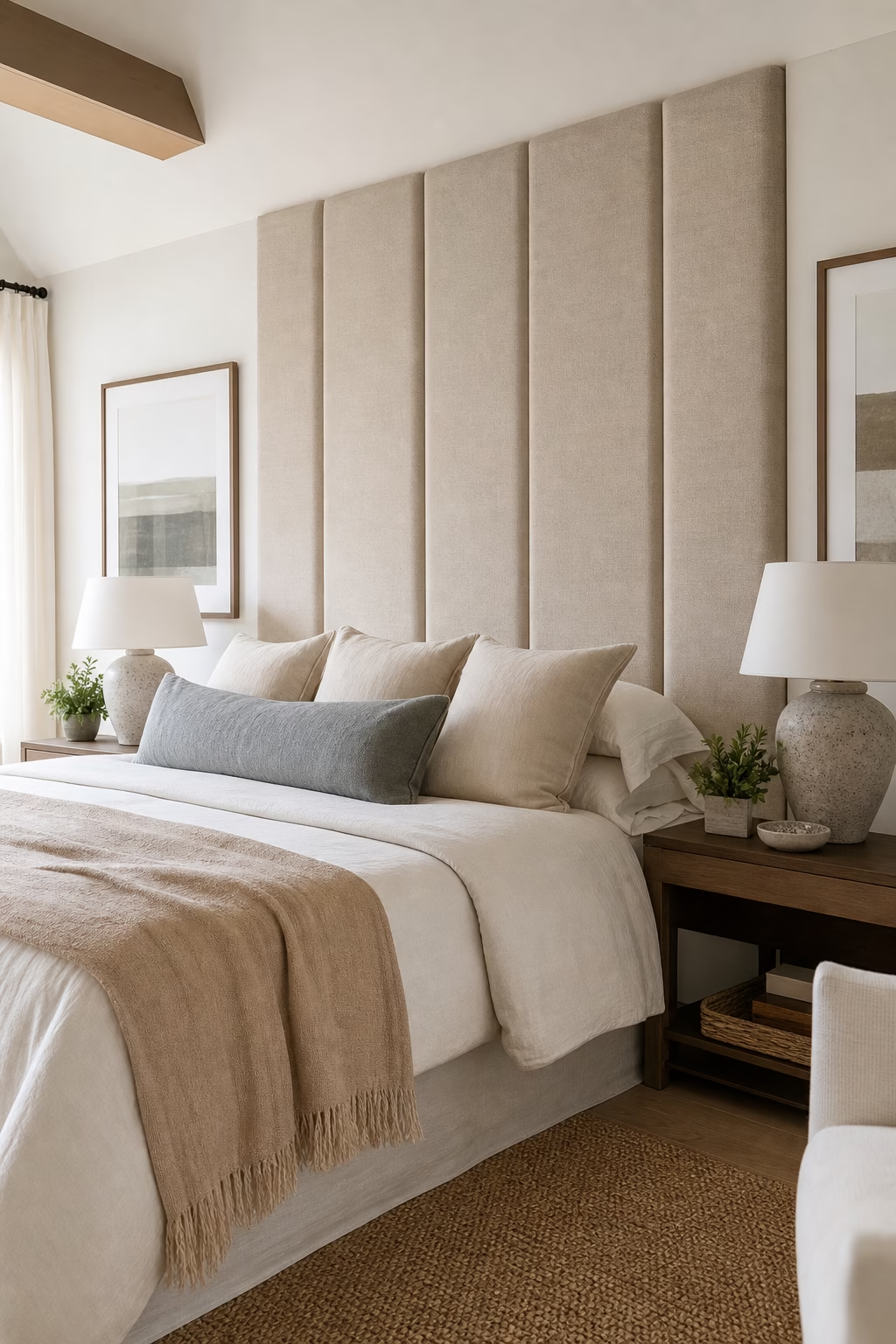
Minimal living rooms need texture so they do not become cold. Keep the forms simple, then layer linen, wool, wood grain, stone, matte ceramic, and woven fiber. A quiet palette can still feel rich if the materials have enough variation. Avoid relying on many small decorative items to create warmth. Let the large surfaces do the work: a wool rug, linen curtains, a stone table, a wood chair, and a ceramic lamp. The room stays visually calm, but it becomes more pleasant to touch and use. This is how minimalism becomes livable rather than severe. Soft lighting completes the restraint.
Design a Landing Place for Daily Life
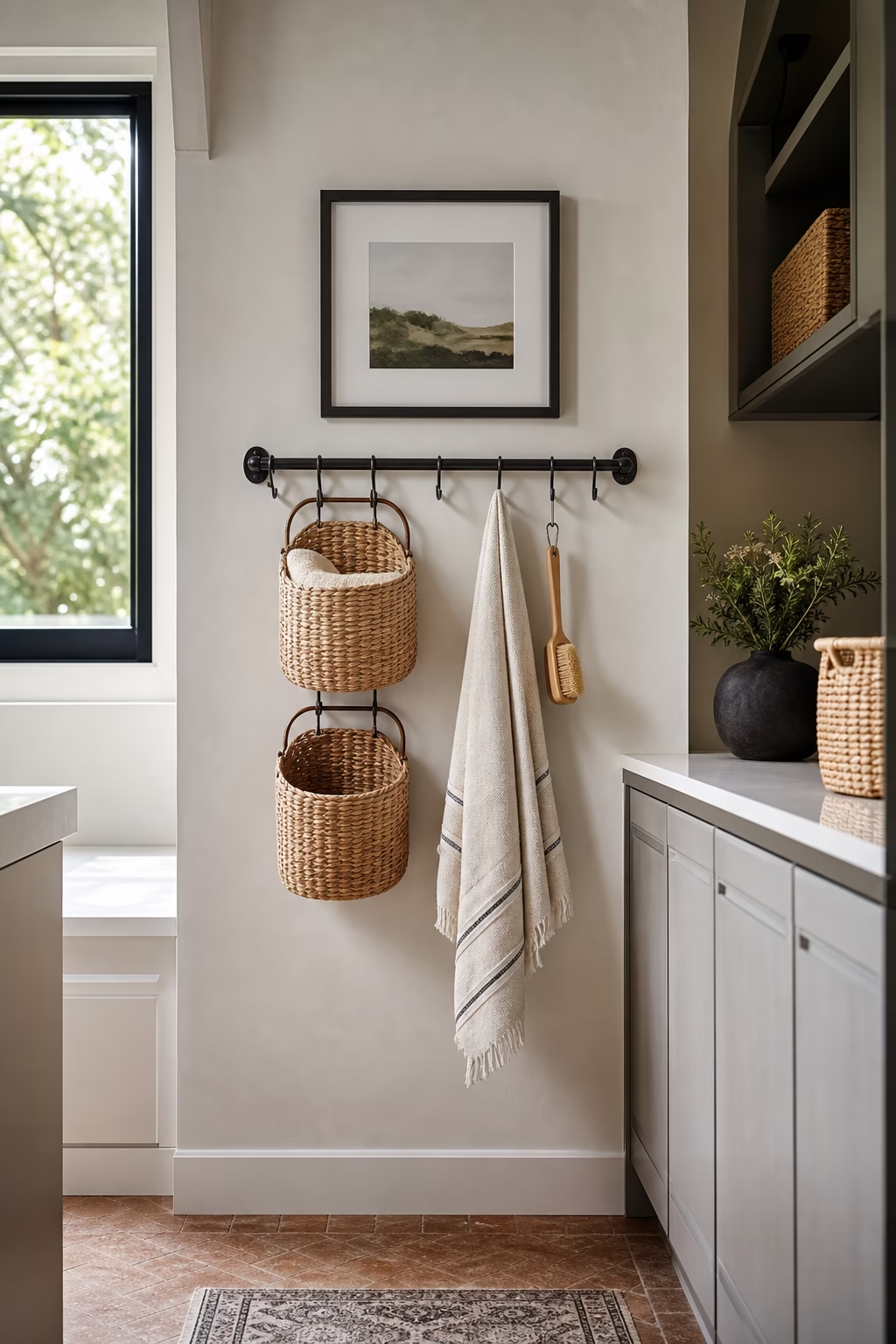
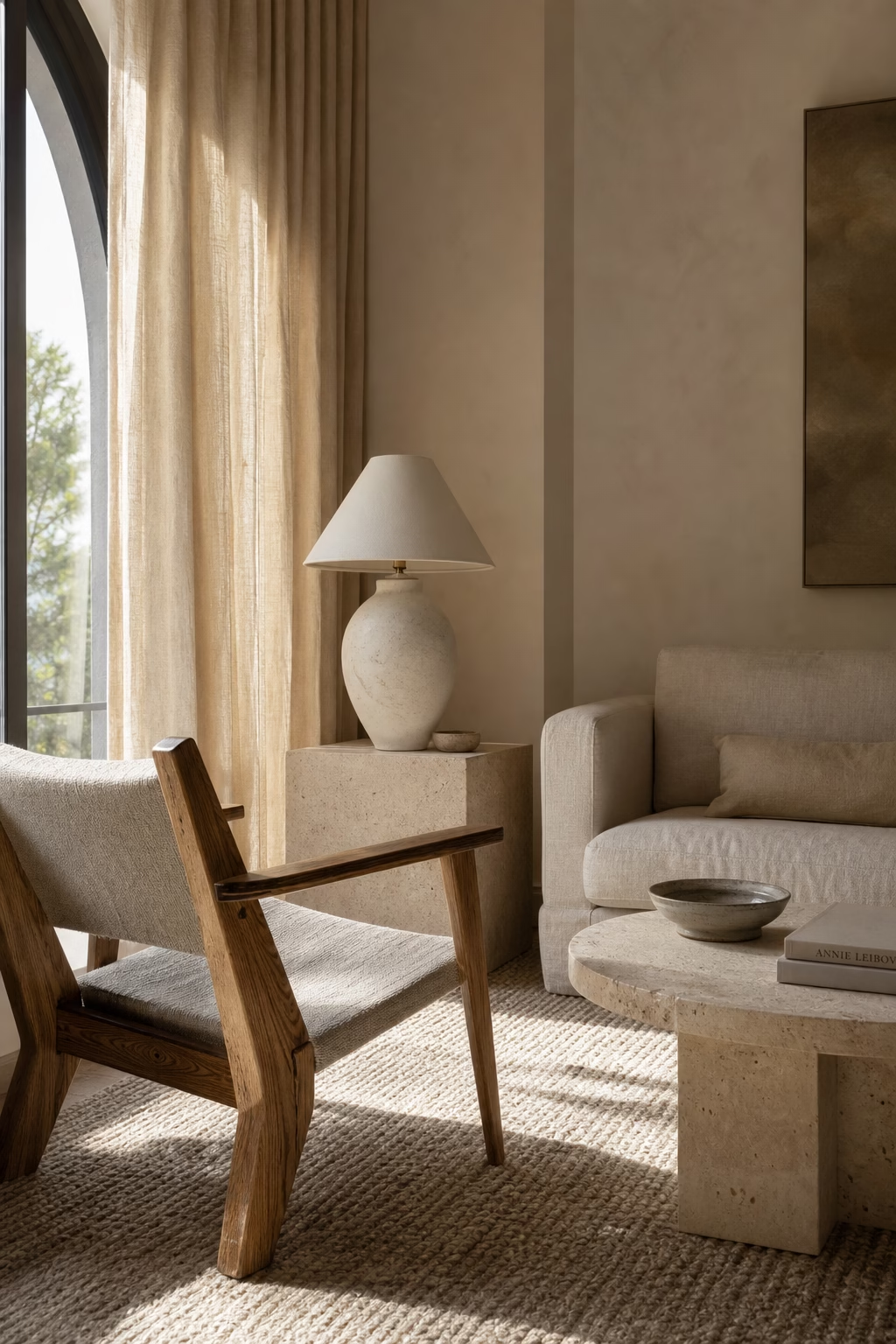
Living rooms often collect the evidence of daily life: mail, bags, keys, blankets, and half-finished books. Instead of fighting this, design a landing place at the edge of the room. A console, tray, basket, and lamp can turn that habit into an orderly vignette. If the living room connects to the entry, this detail is especially useful. Keep the surface edited and give practical items a defined place. The room will feel easier to reset at night because the everyday objects are not drifting across the coffee table, sofa, and floor. A nearby drawer keeps the surface from overflowing.

Finish With Details That Feel Personal
The final layer should make the living room feel unmistakably yours. Choose details with memory, craft, or material strength: meaningful art, a handmade ceramic, inherited books, a carved bowl, a framed photograph, or a textile from a trip. Give these pieces space instead of surrounding them with generic filler. Personal details look more elevated when they are edited and repeated through color or material. This last pass is where a beautiful room becomes a loved room. It should feel polished enough to admire and relaxed enough to use without hesitation. Edit once more after everything is placed. Let sentiment stay visible.