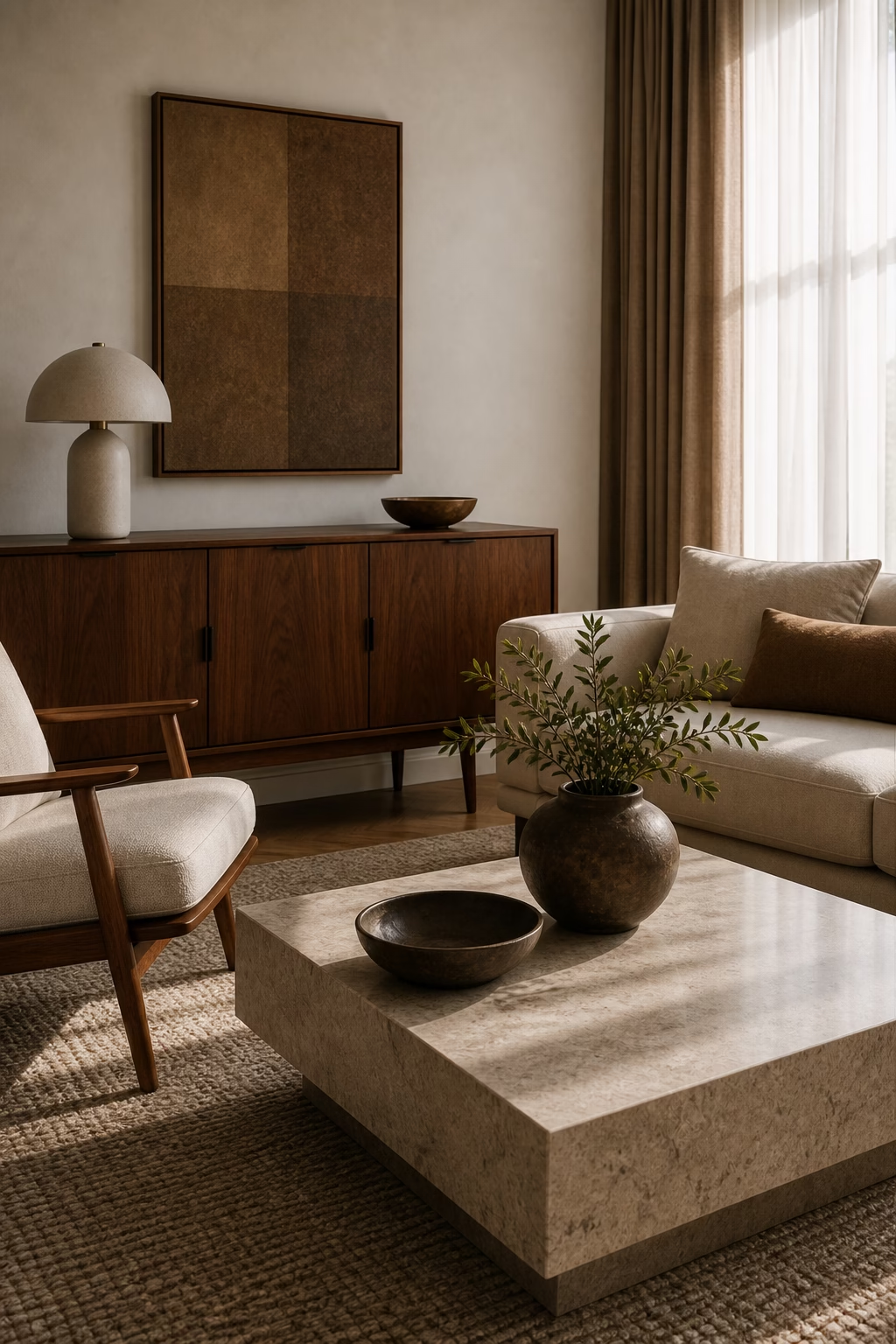
Mid-century modern living rooms remain compelling because the best ones are not nostalgic replicas. They rely on proportion, warm wood, honest materials, sculptural lighting, and enough restraint for every line to matter. These ideas show how to bring the style into a current home without losing its timeless elegance.
Start With a Low, Clean-Lined Sofa
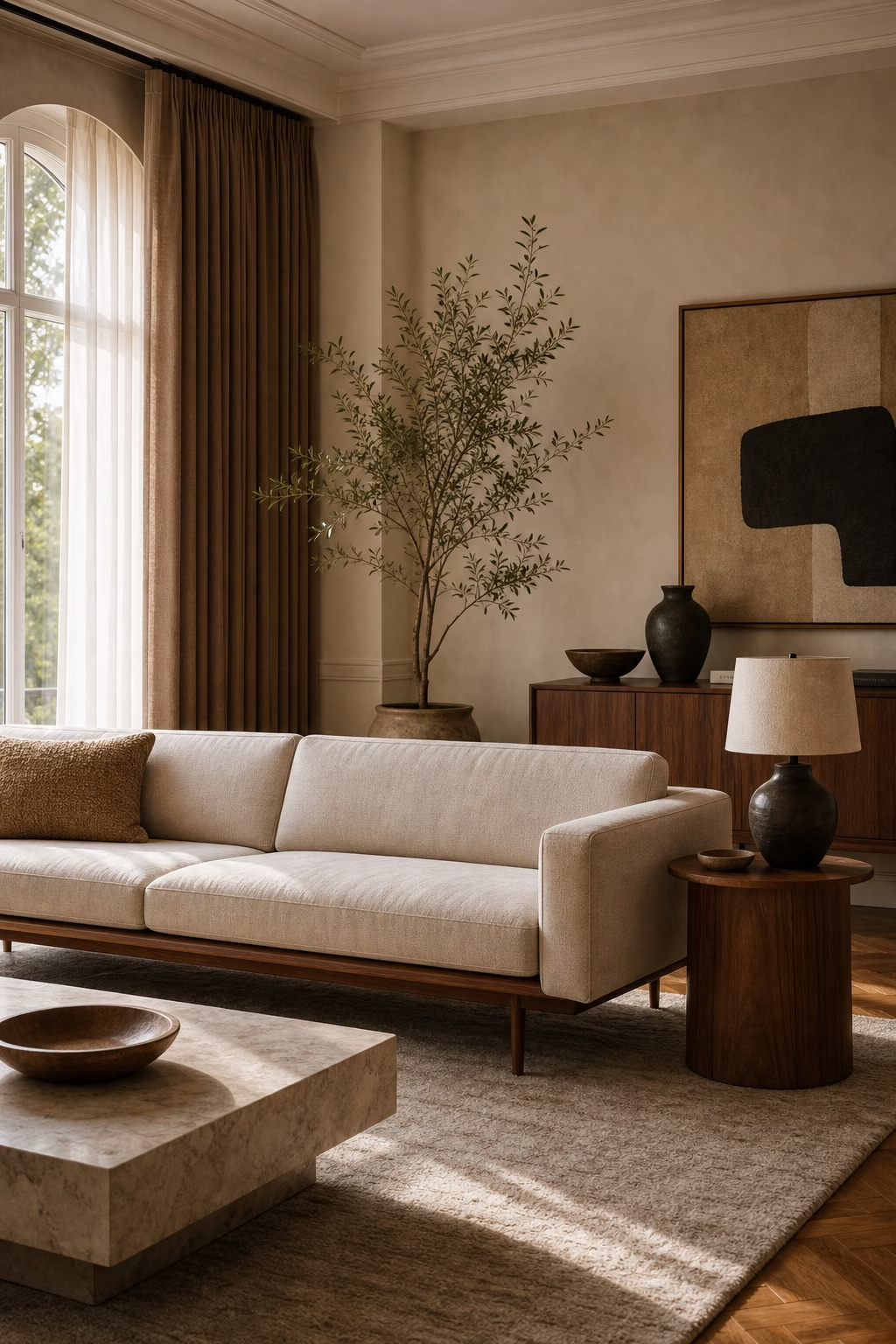
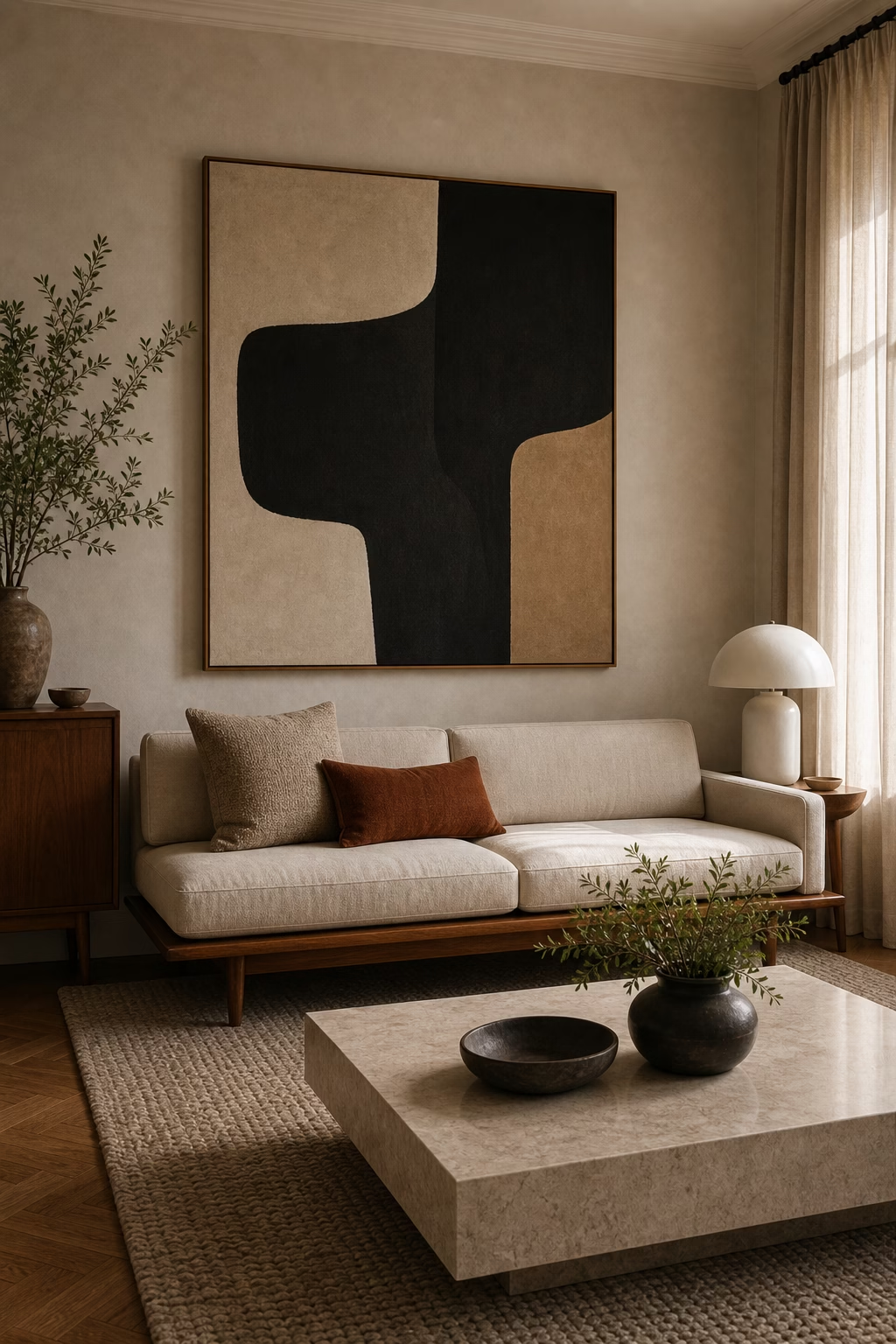
A mid-century living room begins with proportion. Choose a low sofa with slim arms, a tight back or disciplined loose cushions, and legs that lift the frame from the floor. That visible space underneath is what keeps the room feeling light, even when the seating is generous. Fabric can be textured linen, wool blend, boucle, or leather, but the silhouette should remain quiet. Avoid oversized rolled arms or bulky skirted bases because they fight the period's elegant geometry. Pair the sofa with a lower coffee table so the seating plane feels intentional. Once the main piece has the right line, every other detail becomes easier to edit.
Let Walnut Bring Architectural Warmth
Walnut is central to mid-century warmth because it adds depth without ornament. Use it on a credenza, wall unit, coffee table, sideboard, or slim shelving rather than covering every surface. The grain should read clearly, so choose satin finishes over high gloss and avoid stains that look orange or artificial. Walnut works especially well against cream plaster, stone, wool upholstery, and black metal details. If your room already has wood floors, vary the tone slightly so the furniture does not disappear. A single strong walnut piece can organize the room visually and make newer furniture feel more grounded, tailored, and permanent.
Choose a Sculptural Lounge Chair
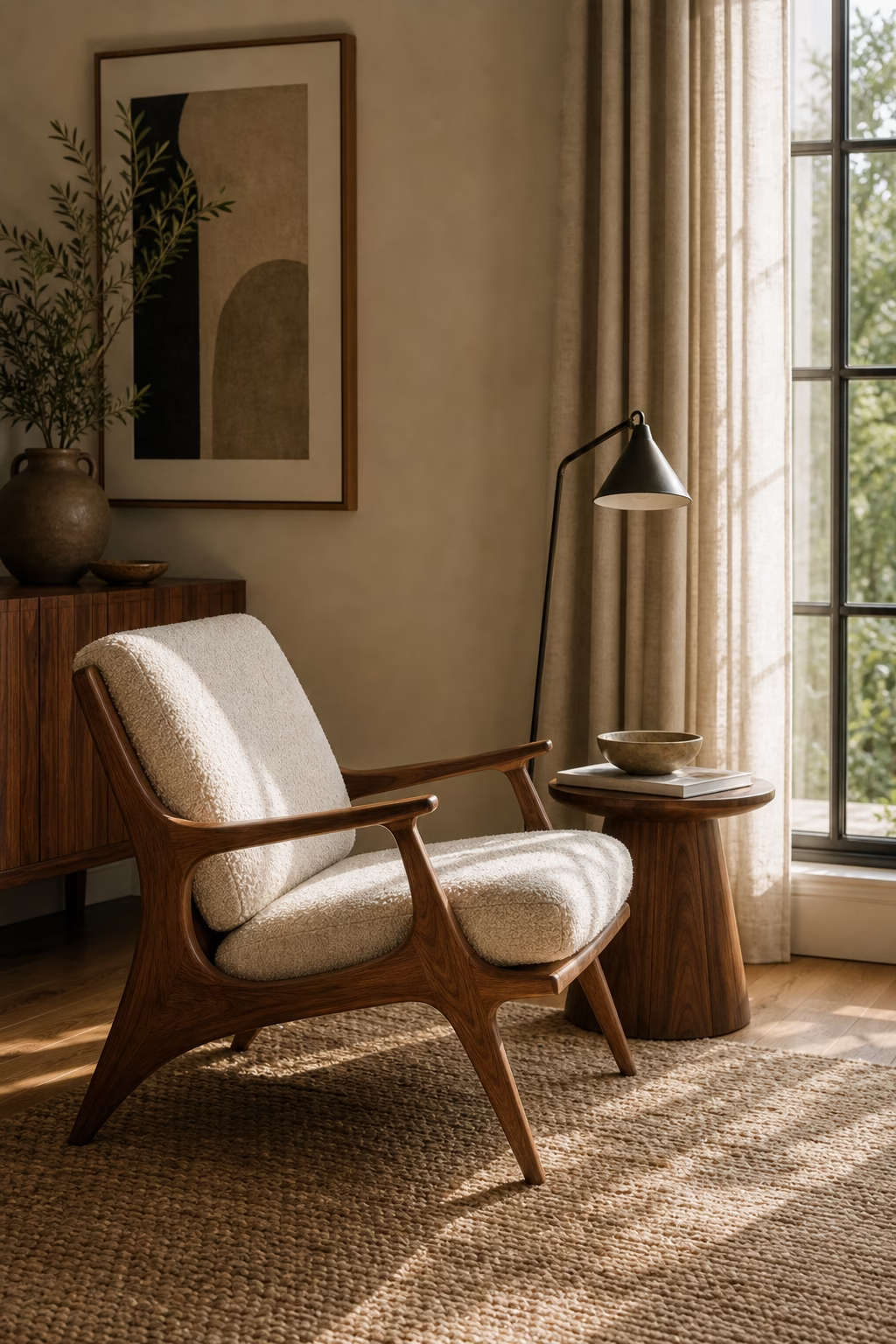
One sculptural lounge chair can carry the mid-century mood more convincingly than a room full of reproductions. Look for a shaped wood frame, angled legs, a leather sling, or a generous upholstered shell with clear structure. The chair should be comfortable from the side as well as the front because mid-century furniture is often appreciated in profile. Place it where it can create conversation with the sofa, not stranded as a display piece. A small side table and a low reading lamp make the chair useful. The goal is elegance through form, with enough comfort that the seat is actually used.
Ground the Room With a Graphic Rug
Mid-century rooms benefit from a rug that gives the furniture a clear field. A flatweave, low-pile wool, or hand-knotted rug with restrained geometry can echo the period without feeling like a costume. Choose broken grids, soft diamonds, abstract blocks, or a border with enough breathing room around it. The rug should be large enough for the front legs of the sofa and chairs, otherwise the furniture will look scattered. If the room already has dramatic art or patterned upholstery, keep the rug quieter. Pattern should organize the floor, not compete with every walnut leg and sculptural table above it.

Use a Credenza as the Room's Anchor
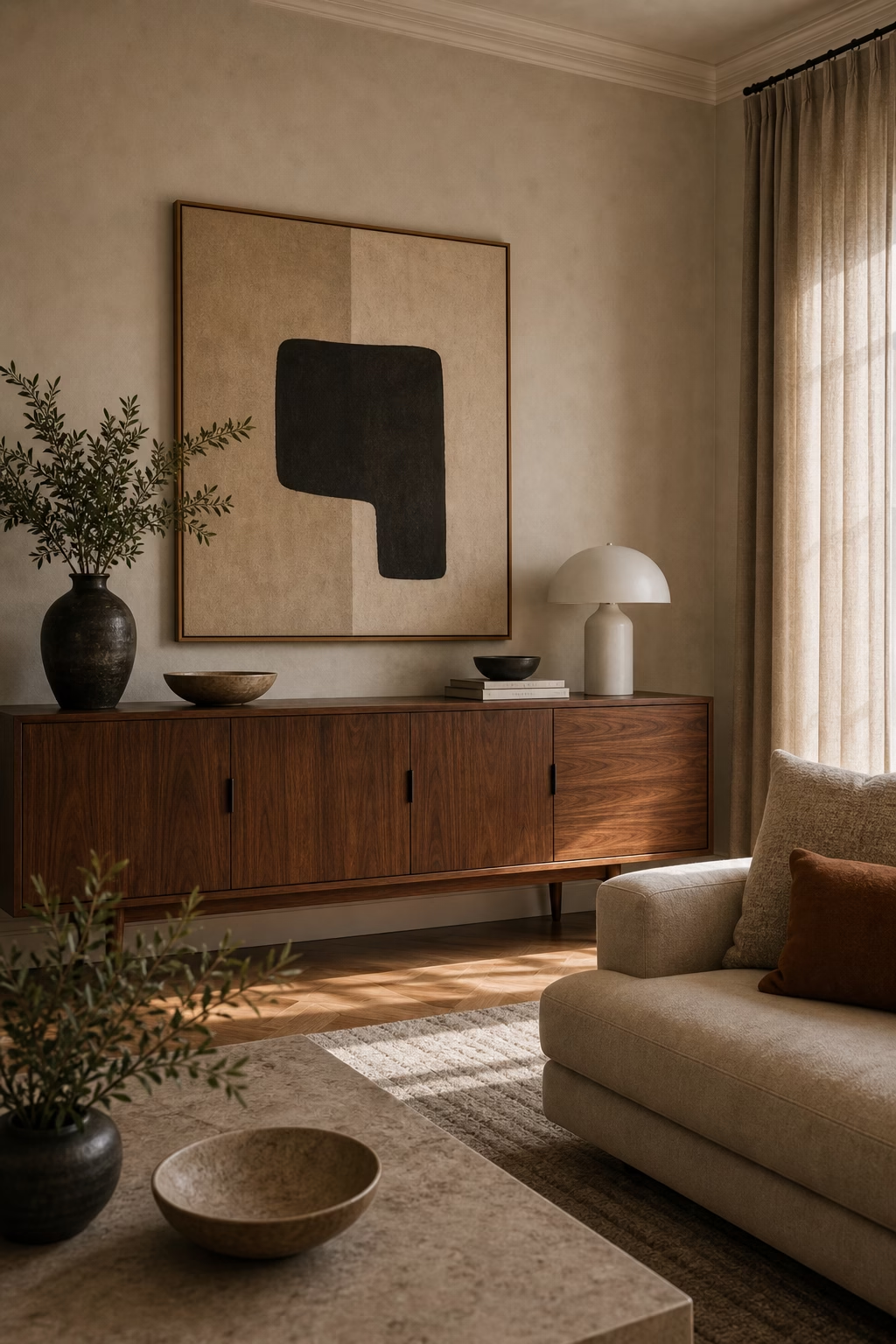
A long credenza is one of the most useful mid-century pieces because it combines storage, proportion, and visual calm. Place it under art, a television, or a pair of sconces, then let its horizontal line balance taller windows and seating. The best credenzas have slim legs, considered handles, and doors or drawers that hide everyday clutter. Style the top sparingly with a lamp, ceramic vessel, and one stack of books. If the credenza sits under a television, keep the screen centered and the accessories low. This piece should make the room feel ordered rather than decorated, with function hidden inside a beautiful silhouette.
Add a Stone or Terrazzo Coffee Table
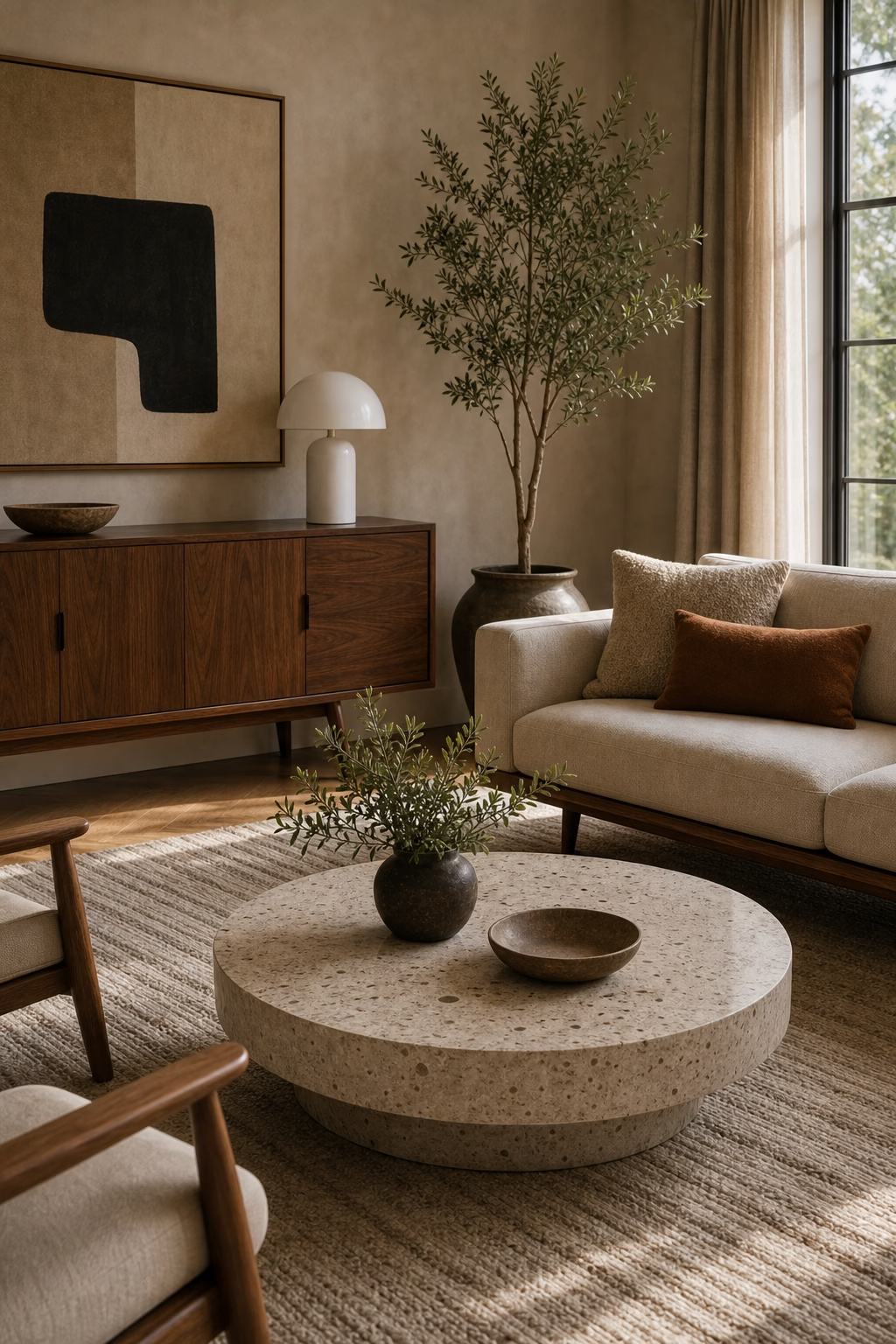
A stone or terrazzo coffee table adds a crisp counterpoint to warm wood and upholstered seating. Travertine, marble, limestone, and terrazzo all work when the shape is simple and the scale respects the sofa. A round or softly triangular table can break up straight lines, while a rectangular slab reinforces the period's low horizontal rhythm. Keep the surface practical, not precious; there should be room for a tray, books, and a drink. Stone also helps a room feel more current, especially when paired with vintage-inspired walnut. The contrast between mineral weight and raised wooden legs is where much of the elegance happens.
Keep the Palette Warm but Disciplined
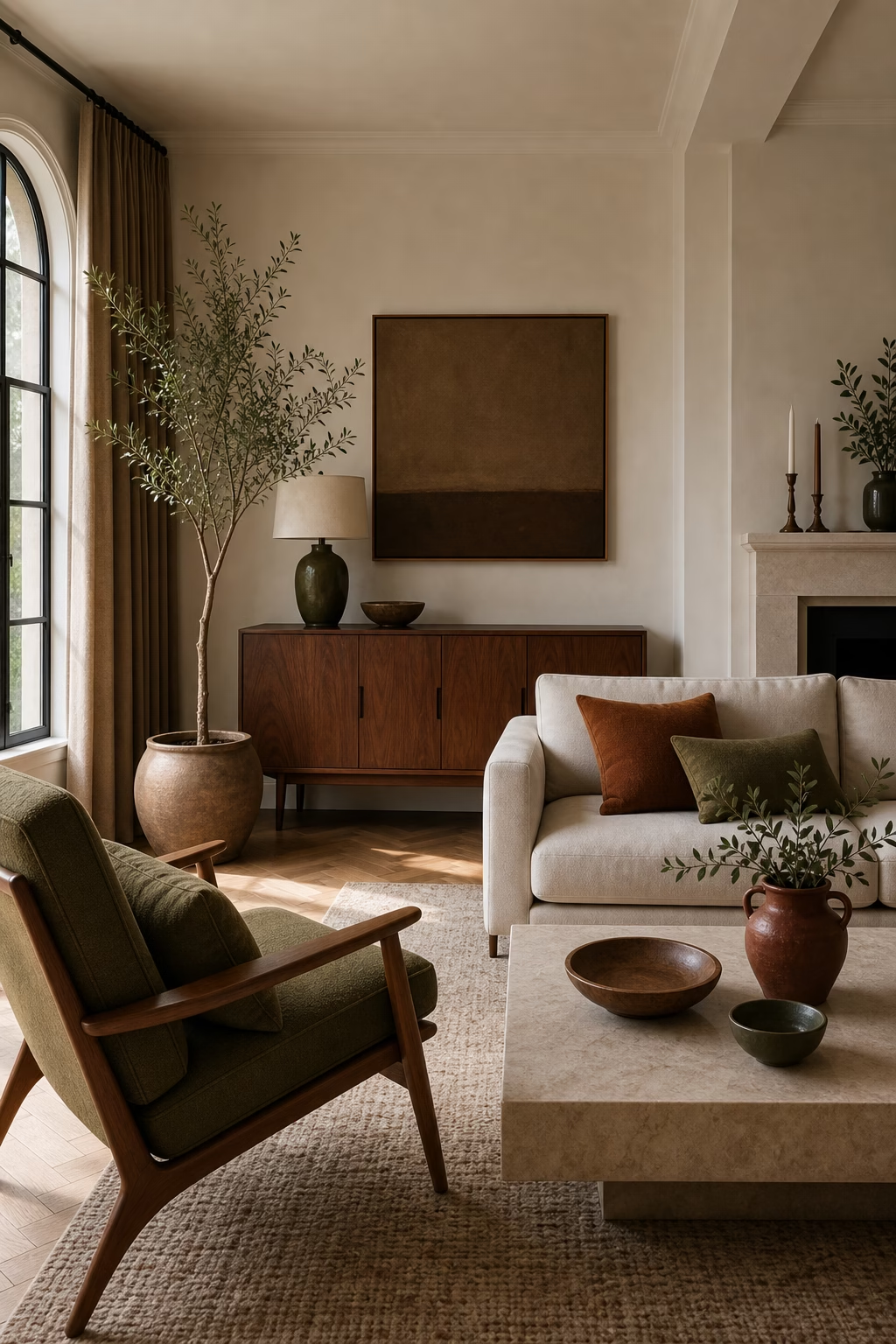
Mid-century color works best when it is warm and disciplined rather than loud. Start with cream, camel, tobacco, walnut, and warm white, then introduce olive, rust, ochre, petrol blue, or muted teal in controlled amounts. A pillow, chair, ceramic lamp, or artwork can carry the accent without turning the room into a theme. Avoid using every retro color at once; the most timeless rooms let one or two tones do the work. Undertones matter, especially near wood. If the walnut is rich and brown, dusty olive or cream may look more refined than bright orange. Restraint keeps the style enduring.
Mix Vintage Pieces With New Upholstery
A room filled entirely with vintage furniture can feel like a showroom, while all-new pieces may lack soul. The strongest mid-century living rooms mix one or two authentic vintage pieces with new upholstery, lighting, or rugs that meet modern comfort standards. A restored credenza, original lounge chair, or vintage side table can provide character without making daily life fragile. Balance older wood with fresh fabric, updated cushions, and properly scaled lighting. Check heights carefully; vintage seating is often lower than contemporary pieces. When the mix is right, the room feels collected over time while still functioning for real conversation, reading, and hosting.
Use Lighting as Sculpture
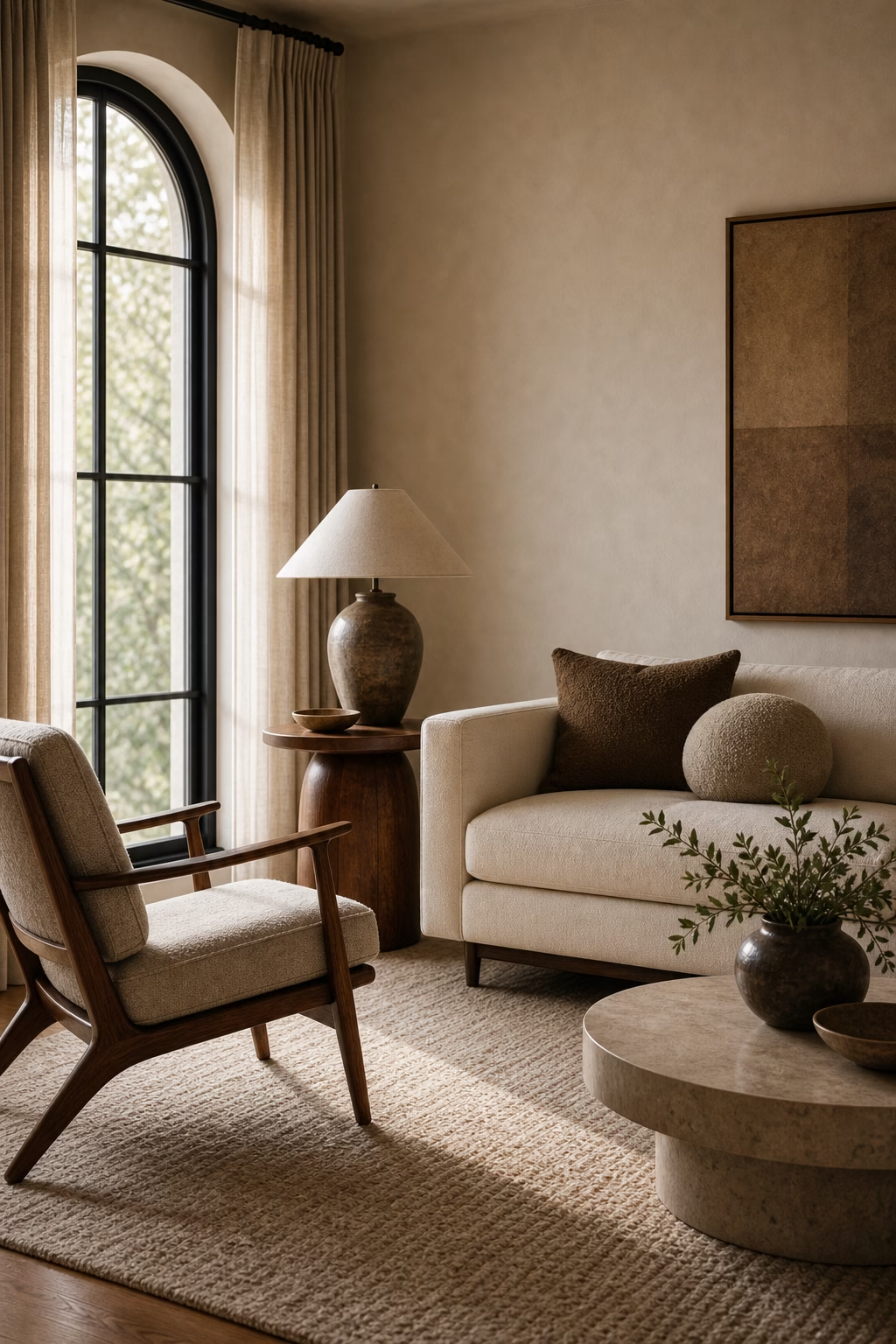
Mid-century lighting should be useful, but it can also act as sculpture. A tripod floor lamp, arched brass lamp, globe sconce, or multi-arm ceiling fixture adds form above the furniture's low lines. The trick is choosing one statement and supporting it with quieter layers. A dramatic floor lamp beside the sofa may only need a small table lamp across the room and a dim ceiling source. Warm bulbs are important because they flatter walnut, leather, and textured fabric. Avoid fixtures that throw glare directly into seated eyes. Good lighting gives the room graphic shape by day and a more intimate atmosphere after sunset.

Bring in Art With Strong Shape
Art gives a mid-century room its personality, especially when it has strong shape rather than decorative busyness. Large abstract pieces, color fields, line drawings, and relief works all pair well with clean furniture silhouettes. Scale matters more than quantity. One generous artwork above a sofa or credenza often feels more elegant than a crowded gallery wall. Choose frames in walnut, black, brass, or simple natural wood so they relate to the furniture. If the room already has a graphic rug, pick calmer art with deeper texture. The artwork should make the room feel edited and personal, not simply period-correct.
Choose Open Shelving With Negative Space
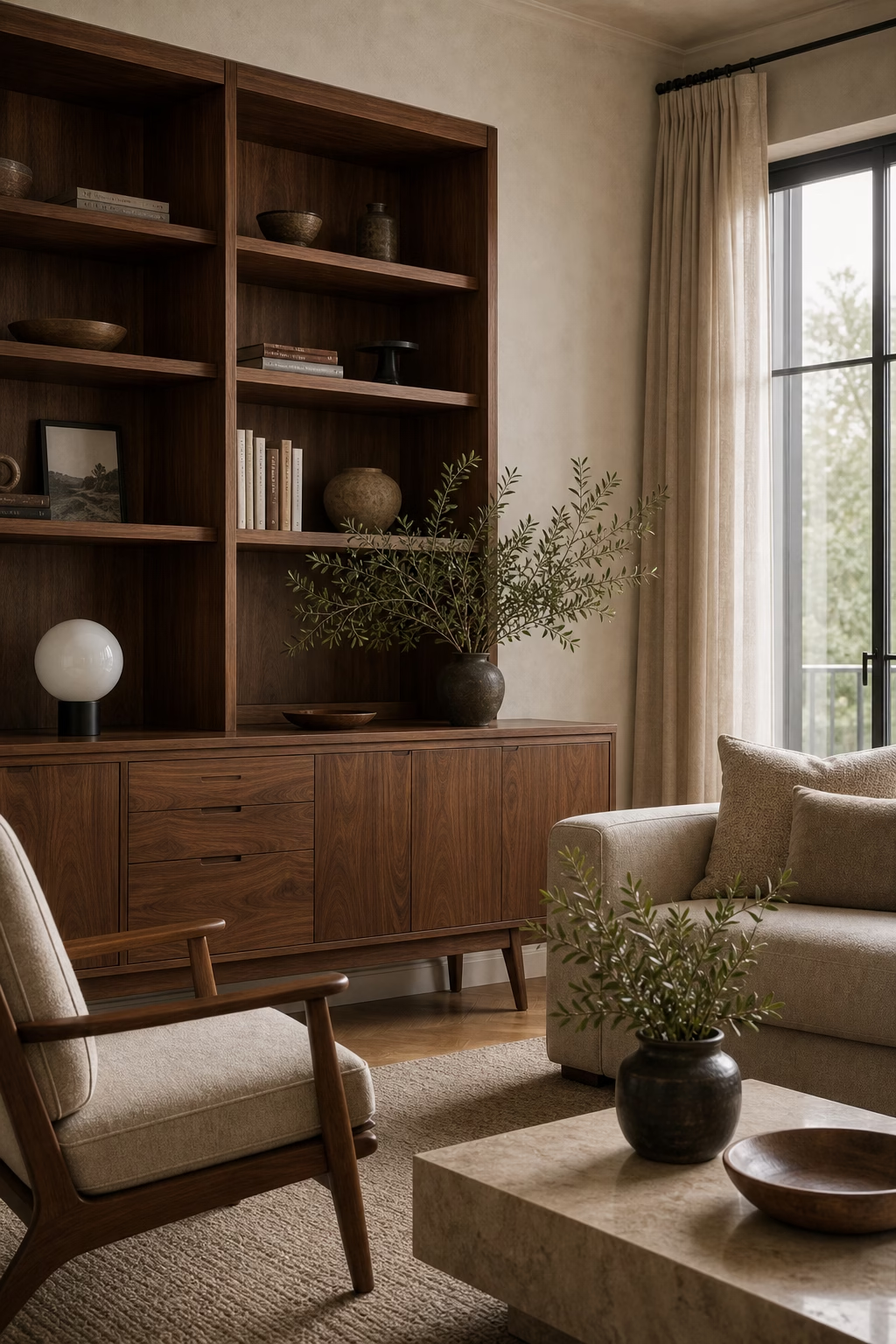
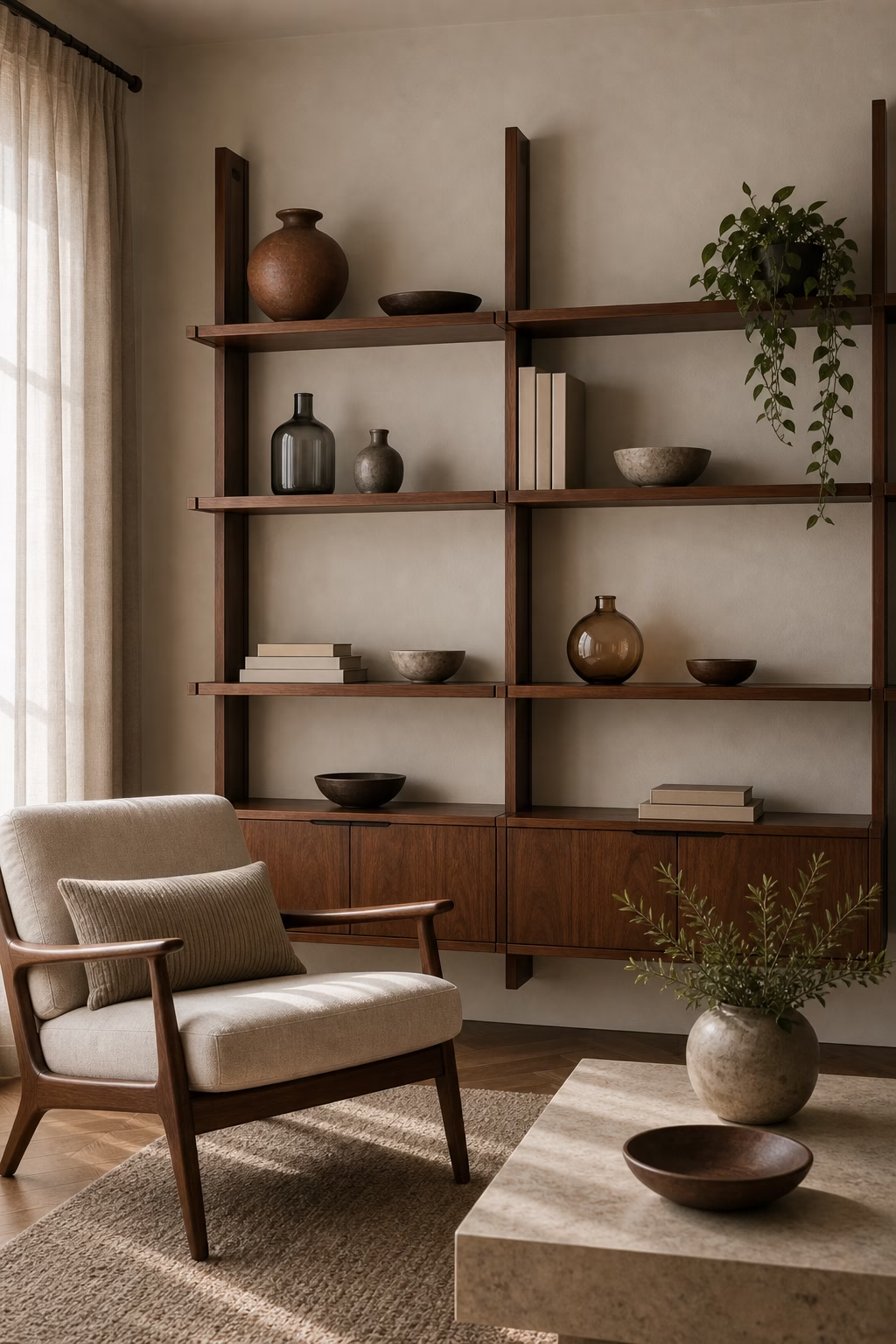
Open shelving suits mid-century design because it celebrates structure, but it only looks elegant when edited. Use shelves for books, ceramics, small art, and a few useful objects, then leave open space around them. The shelves themselves should have a clear rhythm, whether they are wall-mounted rails, a modular unit, or a low bookcase. Avoid filling every compartment, which makes even beautiful objects look like storage overflow. Repeat materials such as walnut, ceramic, glass, and aged metal to keep the composition coherent. Negative space is not emptiness here; it is what lets the lines of the shelving and the silhouettes of the objects matter.
Let Plants Echo the Era Without Crowding
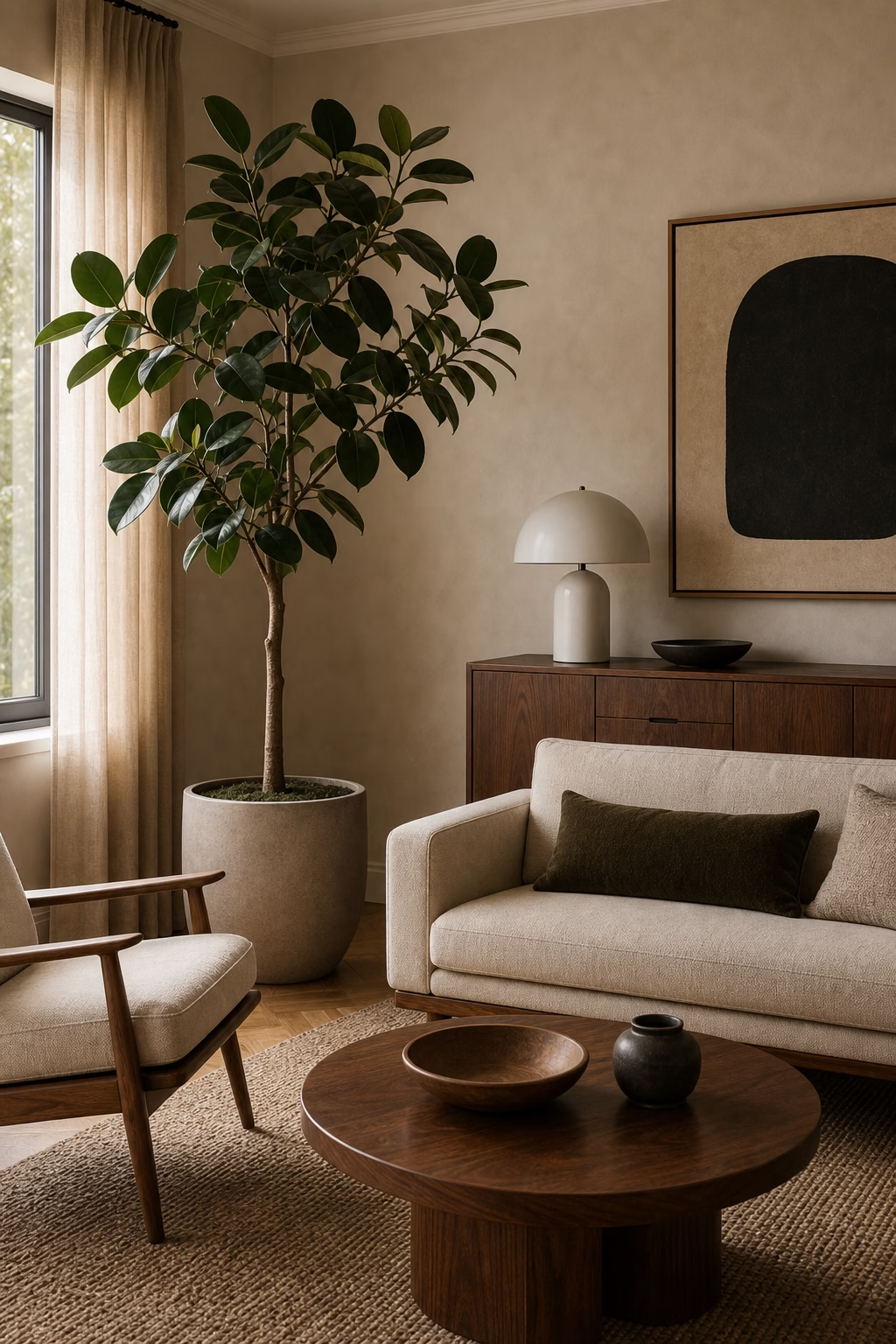
Plants soften the precise lines of mid-century furniture and add the organic note the style needs. Choose one or two sculptural plants rather than a crowded collection: a rubber tree, fiddle leaf fig, olive tree, or tall dracaena can fill a corner beautifully. Place them in ceramic, fiberglass, or simple clay planters with enough scale to look deliberate. The leaves should not block traffic, artwork, or the profile of a chair. Greenery works best near natural light, where it can cast gentle shadows and make wood tones feel alive. A healthy single plant is more elegant than many small pots fighting for attention.
Use Black Accents to Sharpen the Lines
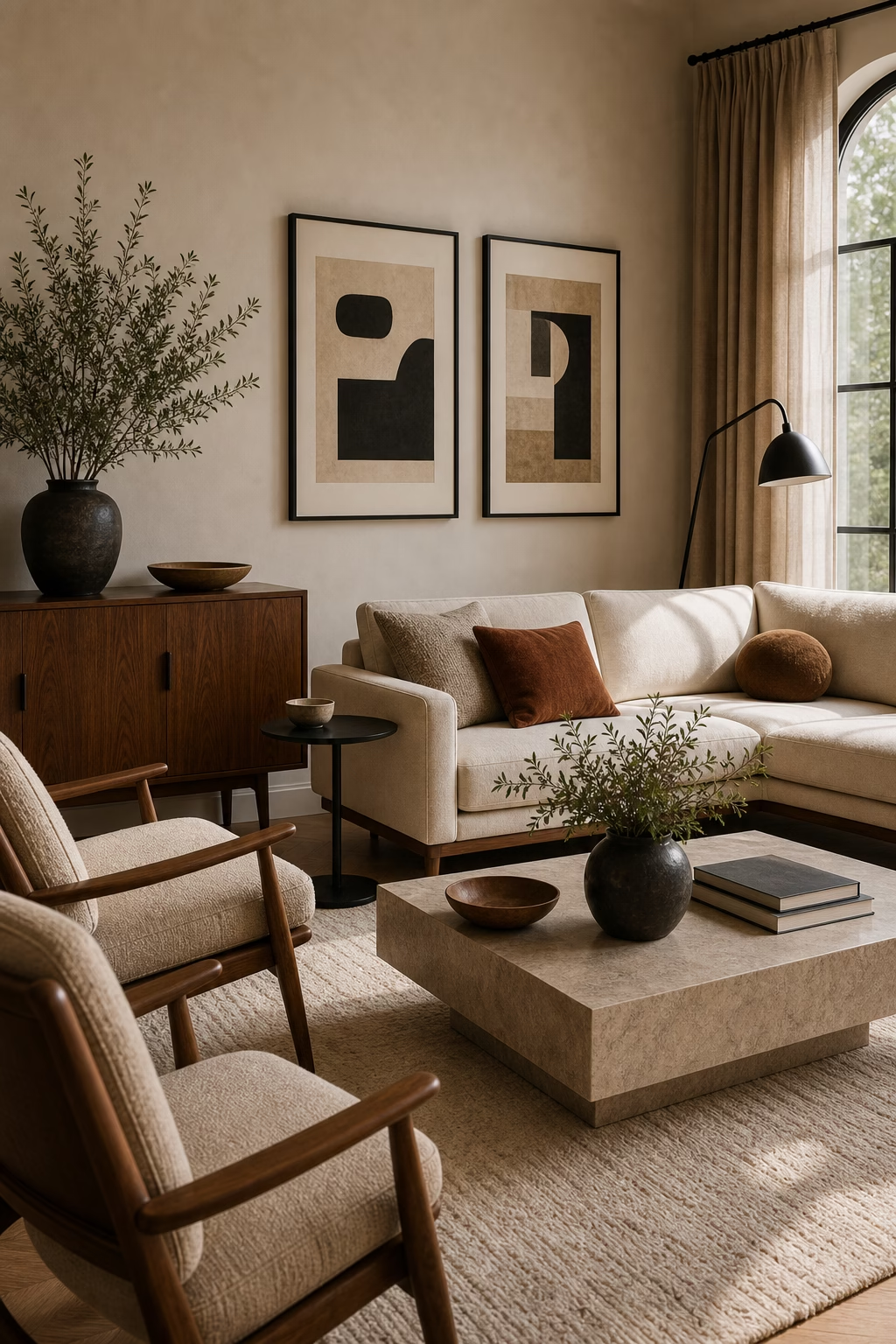
Black accents give mid-century rooms the crispness they need, especially when the palette leans warm. Use them in slim picture frames, lamp stems, table legs, fireplace details, or a small metal side table. The key is lightness. Heavy black furniture can overpower the low, airy proportions that make the style appealing. Repeat black in at least two or three places so it feels intentional, but keep each note fine-lined. Against walnut, cream upholstery, and warm walls, black behaves almost like drawing: it outlines forms and gives the eye places to land. This discipline keeps the room from becoming too soft or nostalgic.
Respect the Fireplace as a Simple Focal Point
A mid-century fireplace should feel clean and grounded, not overdecorated. Brick, stone, plaster, or simple tile can all work when the form is strong and the mantel styling is restrained. Keep the seating low enough that the fireplace and artwork above it remain visible from across the room. If the surround is busy, simplify the furniture nearby. If the surround is plain, add warmth with a walnut bench, ceramic vessel, or sculptural log holder. Avoid crowding the hearth with accessories that interrupt the horizontal line. The fireplace should give the living room a clear center while still letting the furniture breathe around it.
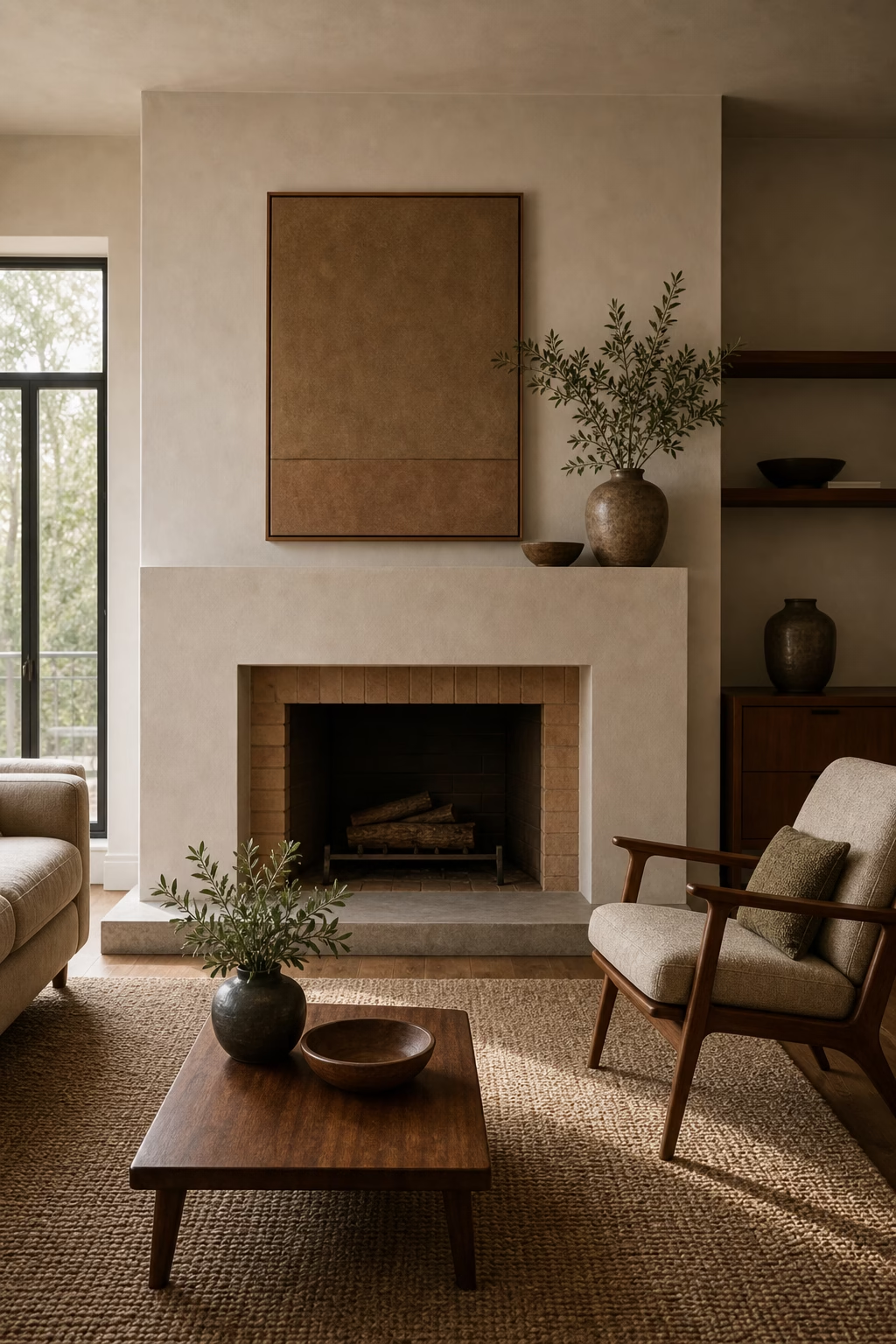
Add Texture Through Boucle, Wool, and Leather
Mid-century interiors can become too hard if they rely only on wood and crisp geometry. Texture brings the comfort back. Boucle chairs, wool rugs, leather sling seats, linen pillows, and ceramic lamps all add touch without clutter. Keep the textures honest and substantial; thin faux materials rarely hold up beside walnut and stone. A boucle chair is especially useful because it softens the room while keeping a sculptural silhouette. Leather adds patina and depth when used on a chair, ottoman, or pillow. The mix should feel tactile but controlled, with each material serving the furniture rather than burying its clean lines.
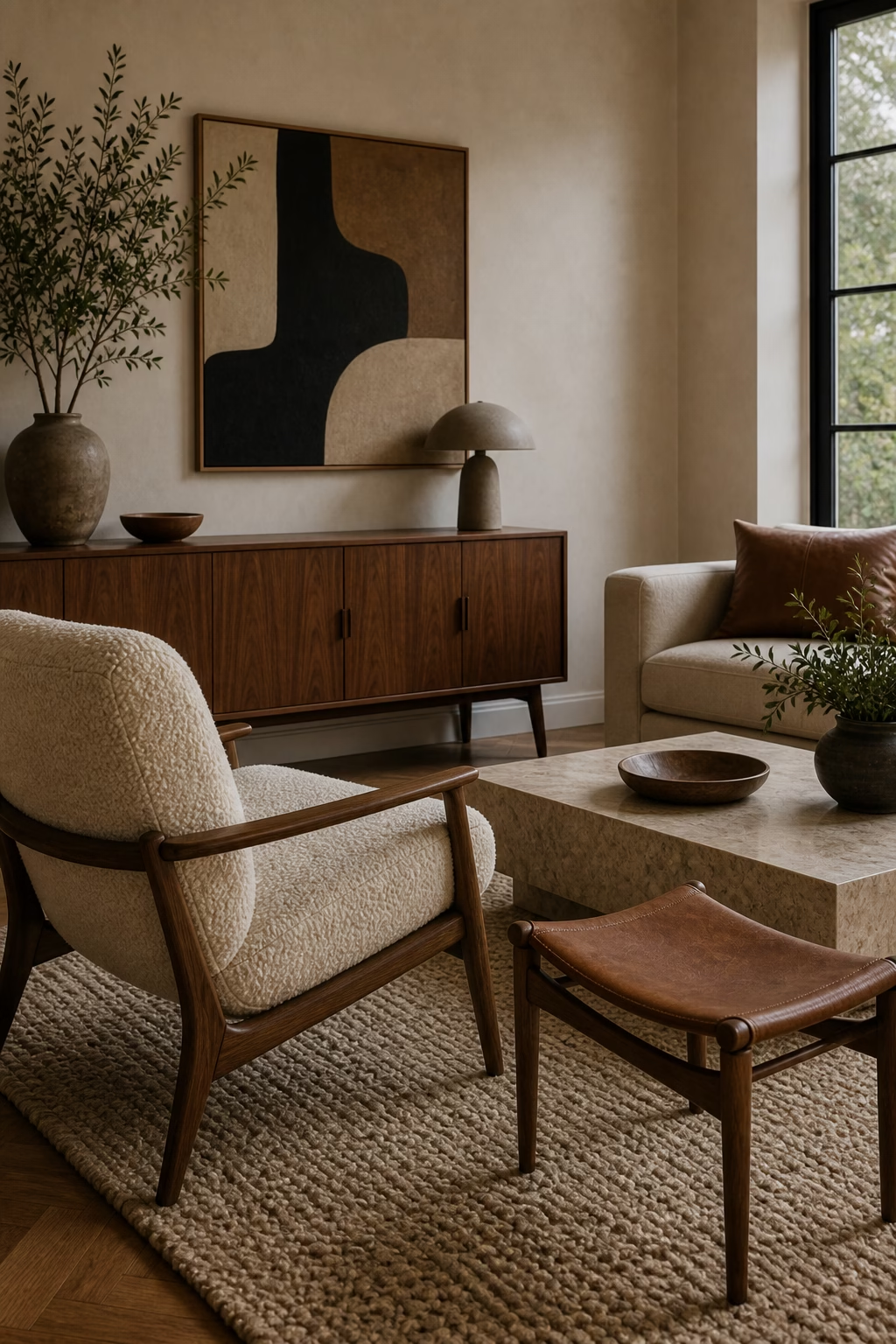
Keep the Layout Open and Conversational
The elegance of mid-century design depends on space around the furniture. Pull seating into a conversational group instead of pushing every piece against the wall, and leave clear paths around the sofa, chairs, and coffee table. Low profiles help sightlines stay open, which is useful in rooms connected to dining areas or large windows. Angle one lounge chair slightly rather than lining everything up rigidly. A credenza or shelving unit can define the edge of the room without closing it off. The layout should make conversation easy and let the furniture's legs, backs, and profiles be seen from more than one direction.
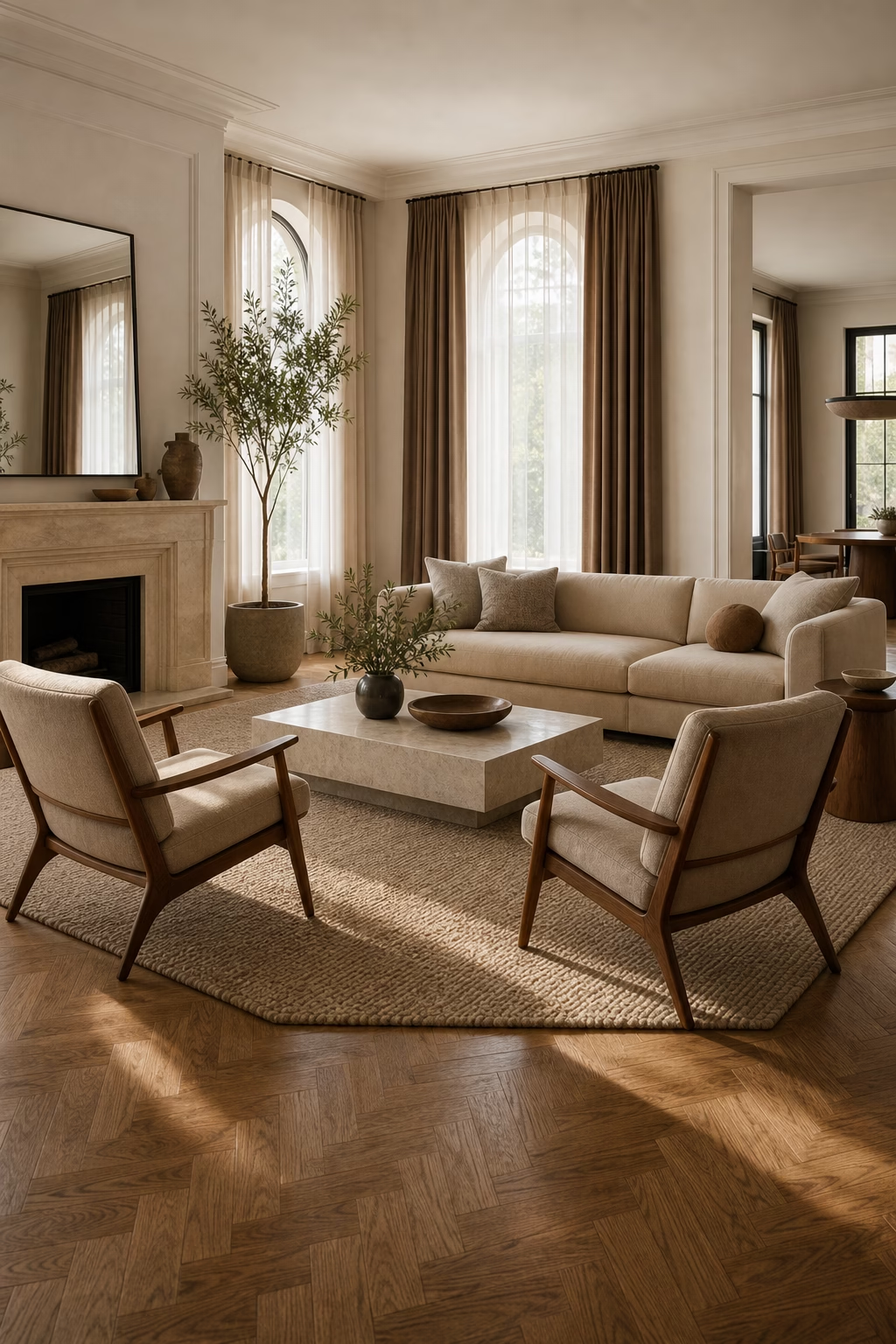
Finish With Fewer, Better Accessories
Mid-century rooms lose their timeless quality when every surface is styled. Finish with fewer, better accessories that respect the furniture's shape. A ceramic bowl on the coffee table, a stack of design books, one sculptural lamp, and a vessel on the credenza may be enough. Choose objects with weight, curve, or material interest rather than small fillers. Leave empty space on tabletops so the wood grain and stone surfaces remain visible. This restraint is what separates elegant mid-century design from retro collecting. The room should feel ready for daily life, with enough beauty to notice and enough openness to use comfortably.