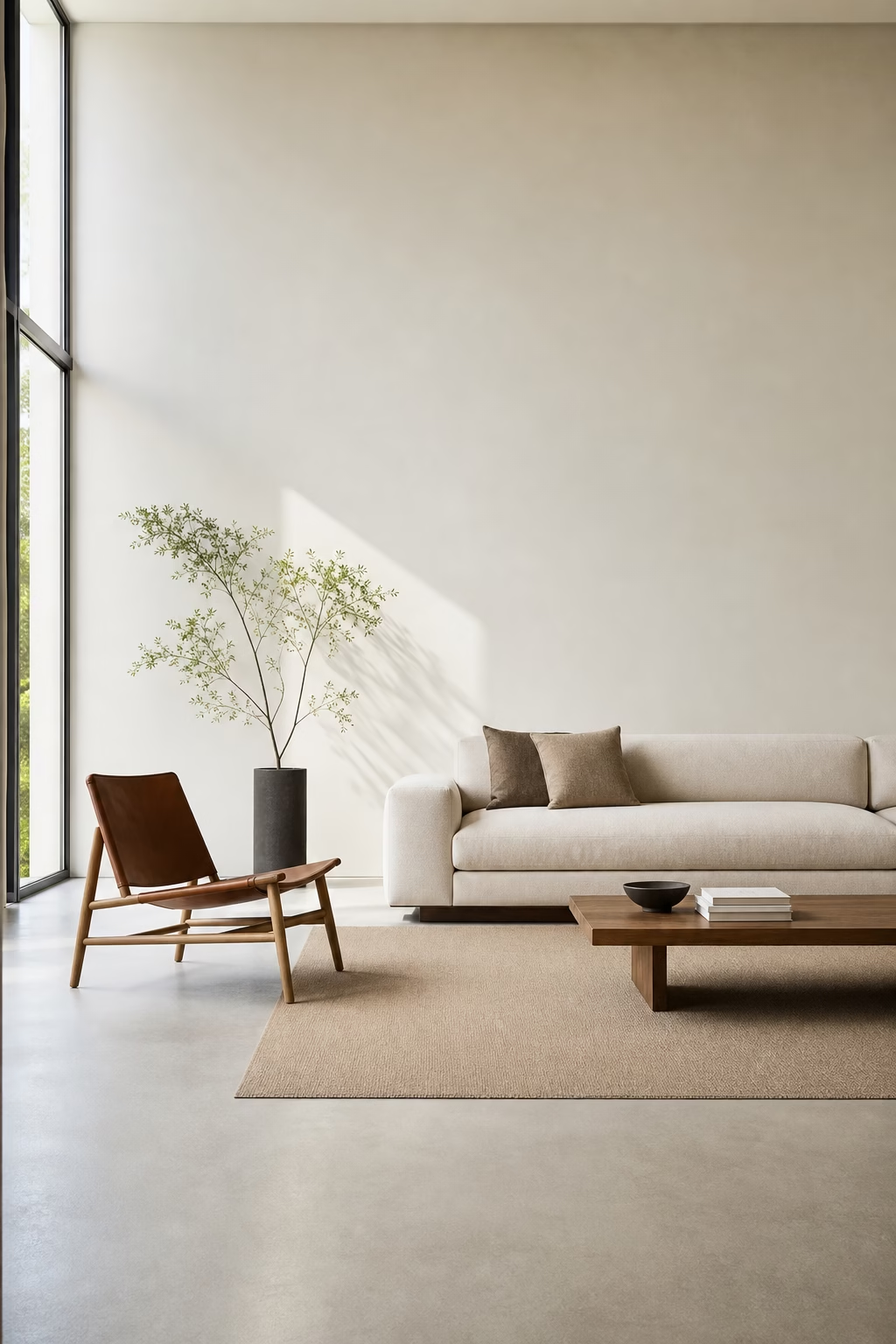
A minimalist living room should feel edited, not empty. The strongest versions use proportion, storage, texture, and light to make daily life easier while keeping the room visually calm. These ideas focus on restraint that still feels comfortable, warm, and practical.
Start With a Clear Floor Plan
Minimalism begins with the floor plan, not the color palette. Decide what the living room actually needs to support: conversation, reading, television, hosting, or quiet evenings. Then remove furniture that does not serve those habits. A single sofa, one chair, one coffee table, and a clear rug boundary can feel more generous than a room crowded with options. Keep walkways open and avoid pushing every piece against the wall if the proportions allow a more natural grouping. The space should be easy to cross and easy to use. A clear plan makes the room feel calm before styling begins. Measure clearances before buying anything.
Limit the Palette to Two or Three Tones
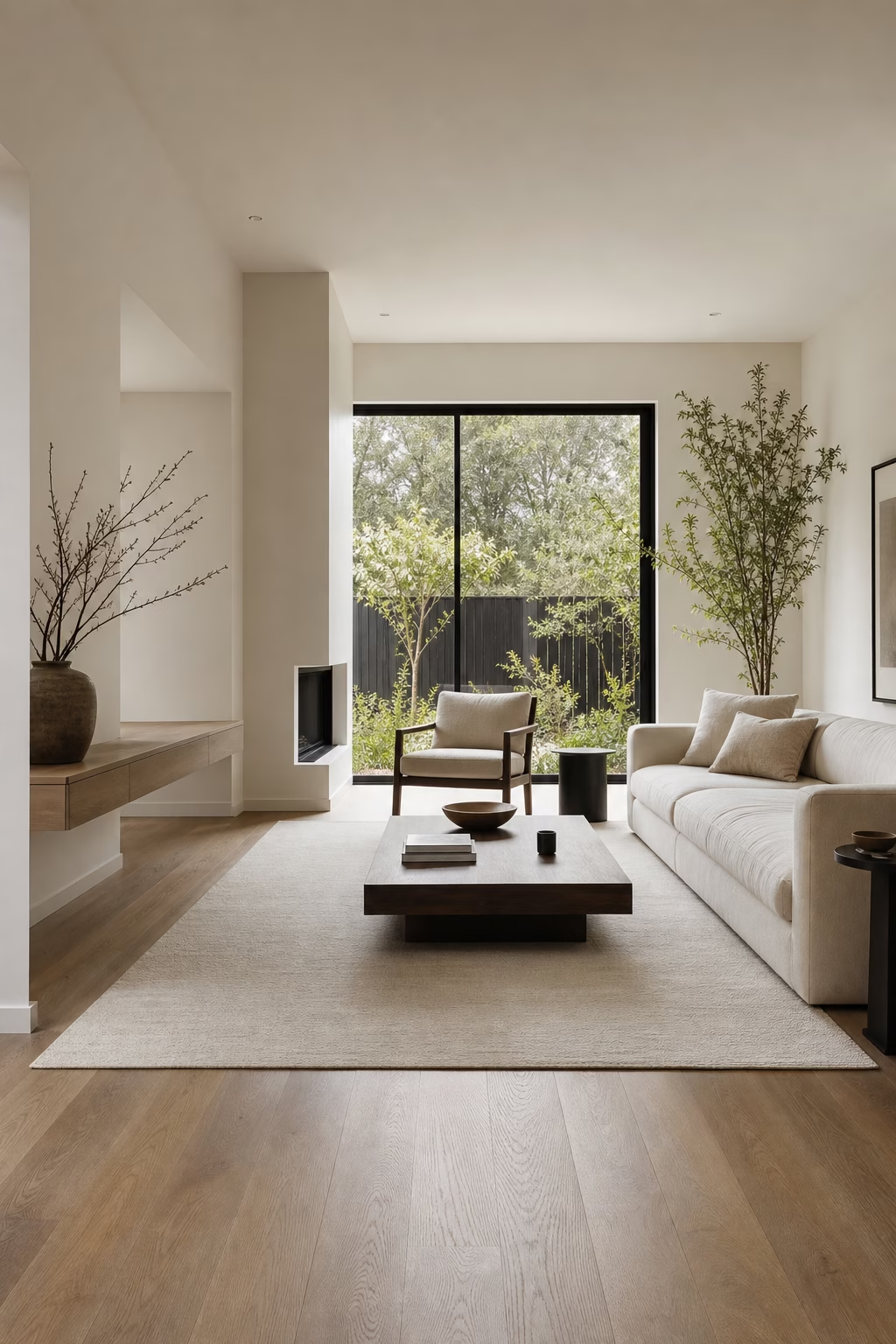
A restrained palette gives a minimalist living room its quiet rhythm. Choose two or three main tones and repeat them with discipline: warm white walls, pale oak furniture, soft gray upholstery, or cream textiles with one darker accent. The room should not feel like a showroom of matching pieces, but the colors should clearly belong together. When the palette is narrow, differences in material become more important. Wood grain, woven rugs, plaster, linen, and ceramic keep the room from looking flat. A limited palette also makes visual decisions easier because anything that does not belong becomes obvious. Test tones in daylight and evening.
Let One Sofa Do the Main Work
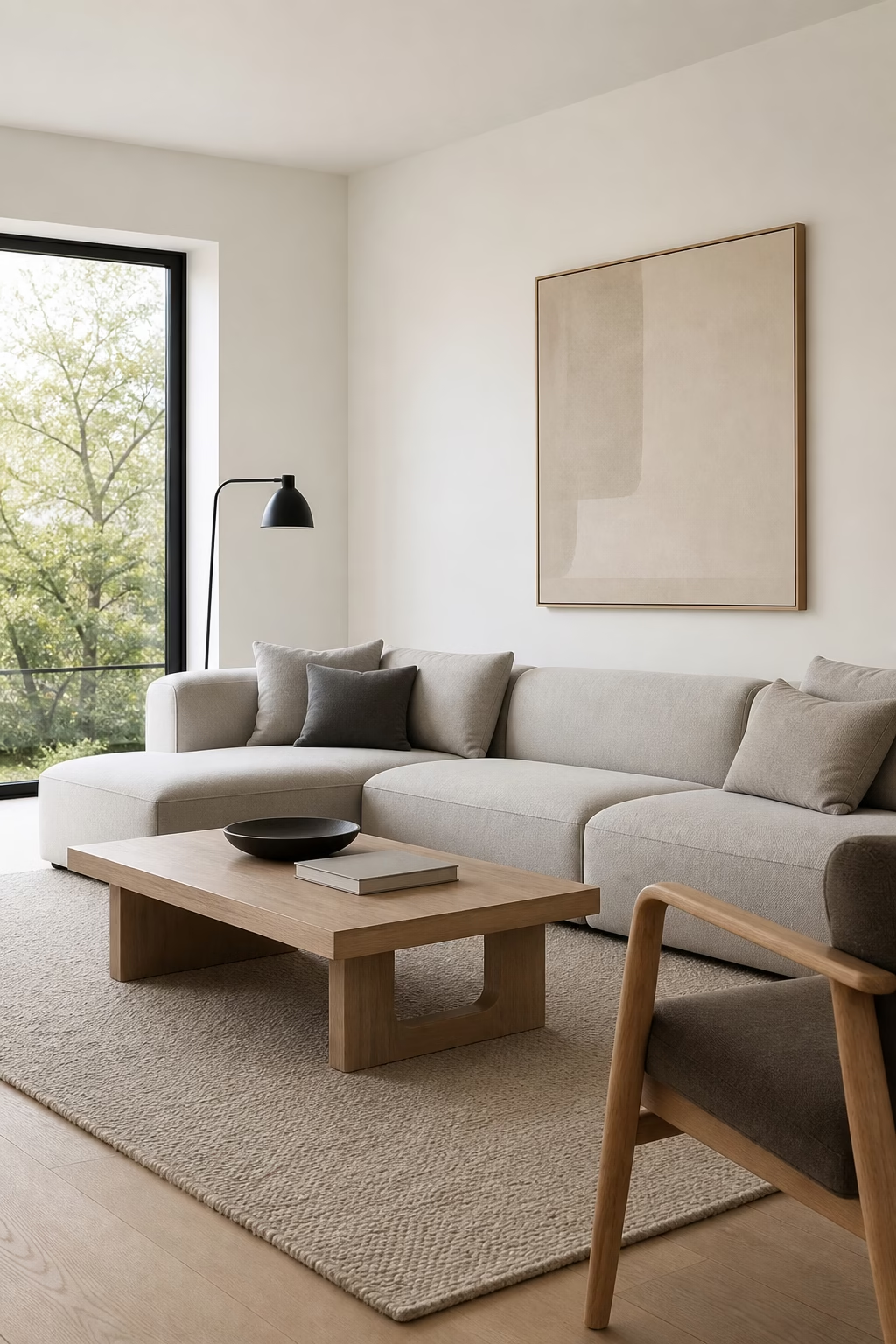
Instead of filling the room with many seating pieces, choose one excellent sofa that carries the layout. Look for clean lines, comfortable depth, durable upholstery, and a scale that leaves breathing room on both sides. A low profile can make the room feel wider, while visible legs can lighten a compact space. Keep the surrounding pieces quiet: a slim side table, one lamp, and a coffee table with useful surface. The sofa should look relaxed but not sloppy. In a minimalist room, the main furniture has nowhere to hide, so proportion and fabric quality matter more than decoration. Choose cushions that keep their shape.
Hide Storage in Plain Sight
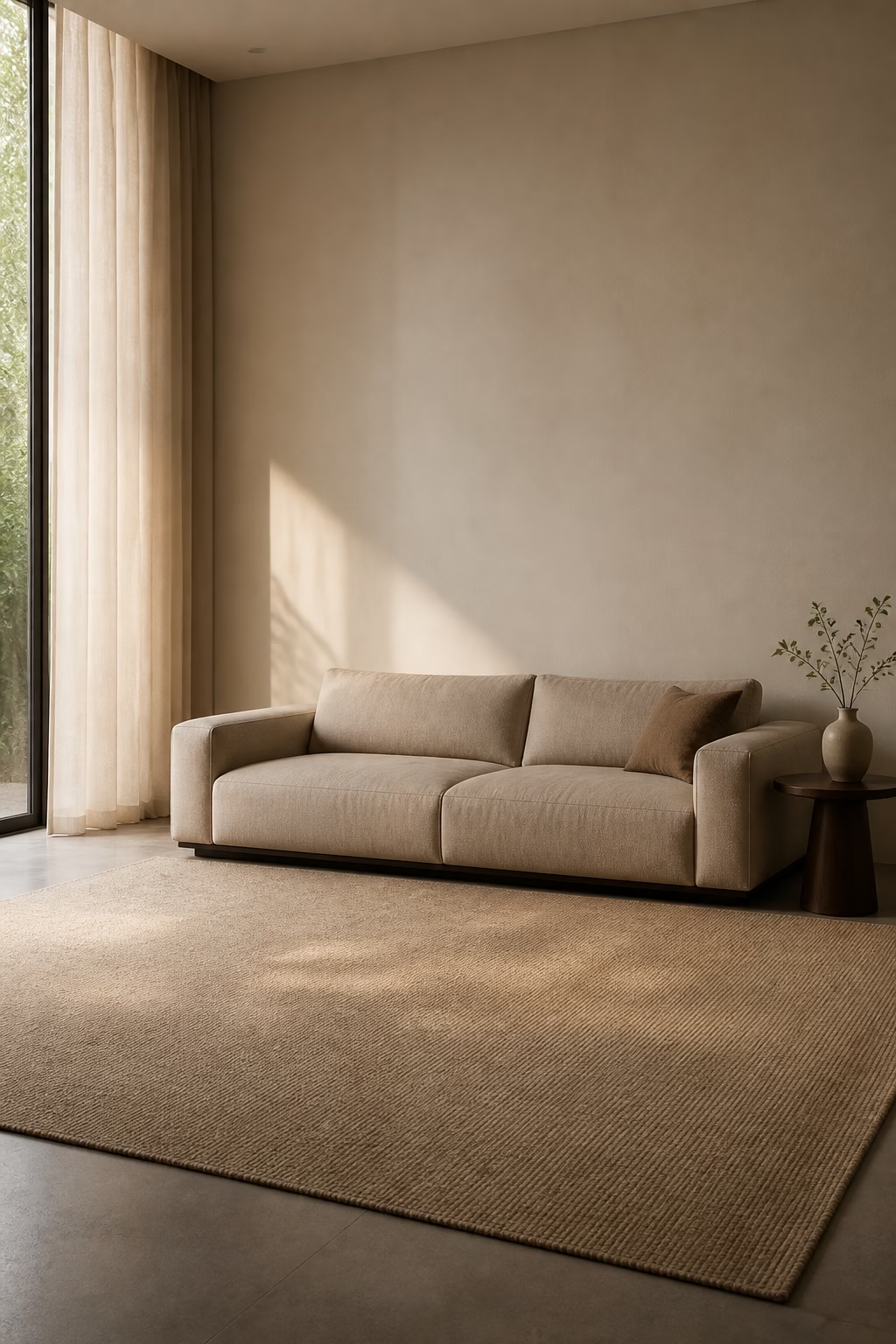
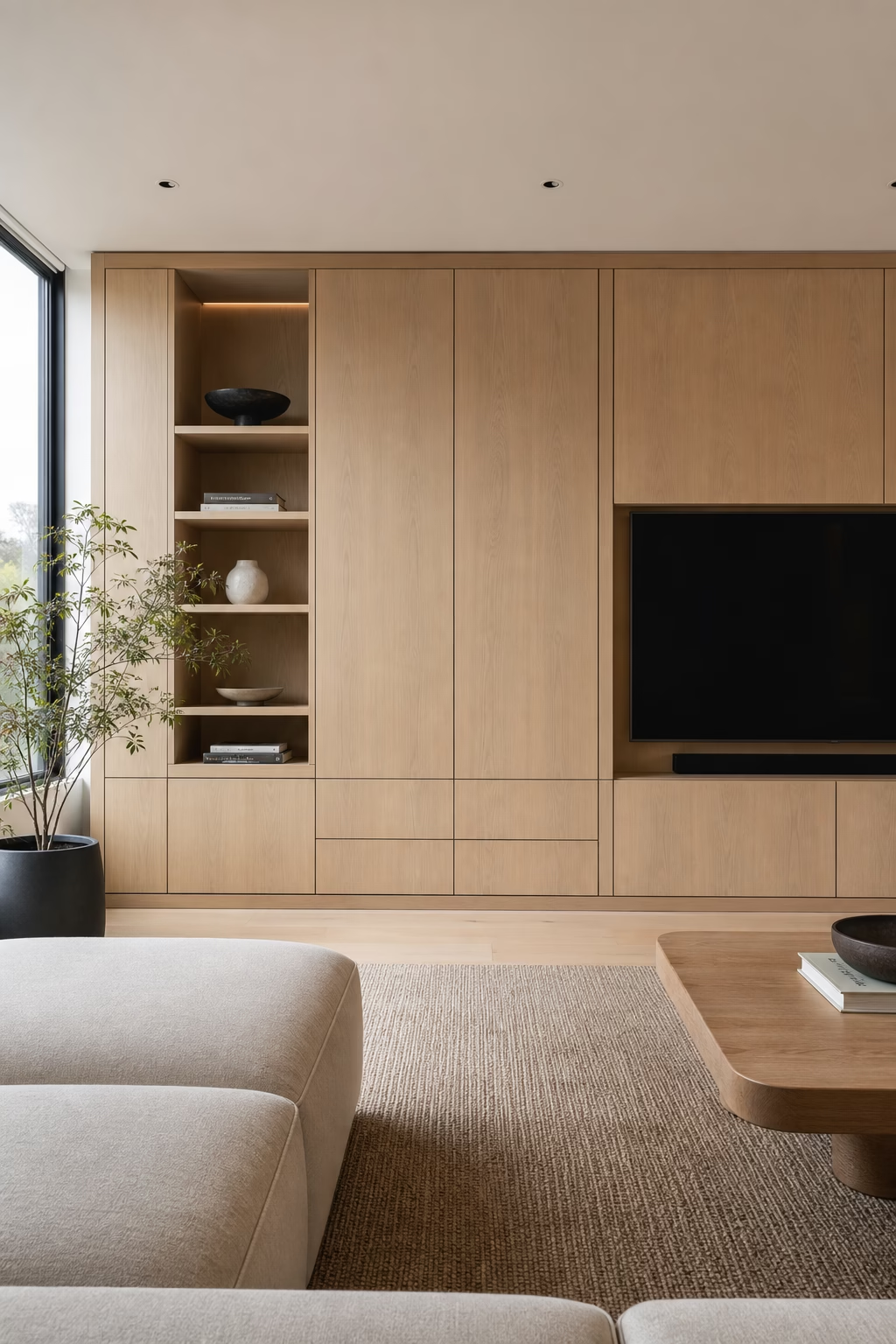
A minimalist living room still needs places for remotes, blankets, games, cables, books, and daily clutter. The difference is that storage is planned before the mess appears. Use a closed media console, flush wall cabinet, low sideboard, or built-in shelves with doors below and display space above. Keep hardware simple and let the storage finish relate to the floor or coffee table. Open shelves should hold only the objects worth seeing; everything else belongs behind a door or in a drawer. When storage is close to the habits that create clutter, the room stays calm with less effort. Label hidden bins if needed.
Use Texture Instead of Extra Objects
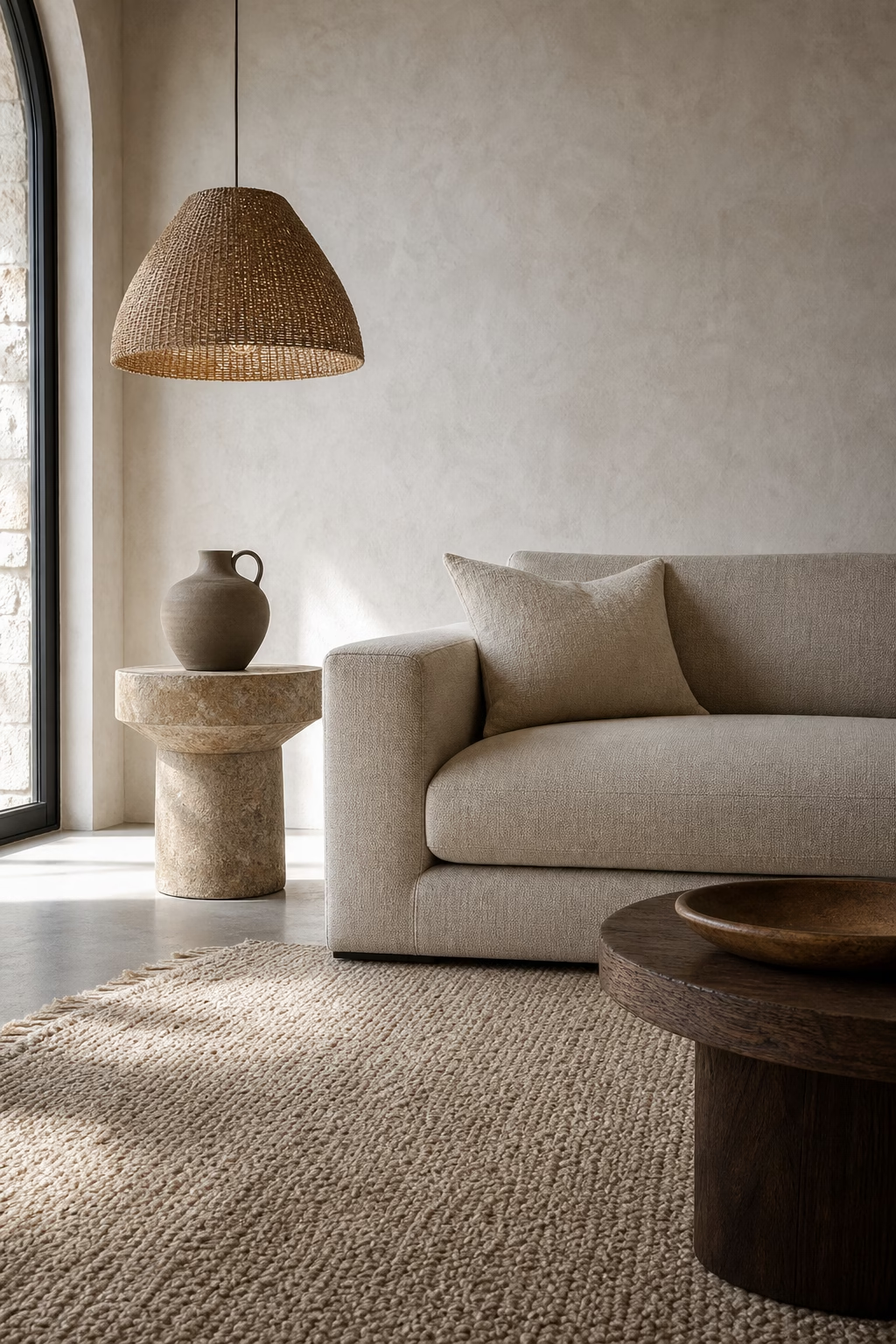
Minimalist rooms can become sterile when every surface is too smooth. Texture adds comfort without adding visual noise. Combine a linen sofa, a wool or jute rug, a plaster wall, a stone side table, a woven shade, or a matte ceramic vessel. Each material should have a purpose and enough space around it to be noticed. This is especially useful in neutral rooms, where color is intentionally quiet. A thick rug can soften acoustics, a fabric shade can warm the light, and a textured wall can make a blank surface feel intentional. Texture lets restraint feel inviting. Keep the material mix disciplined.
Keep the Coffee Table Low and Useful
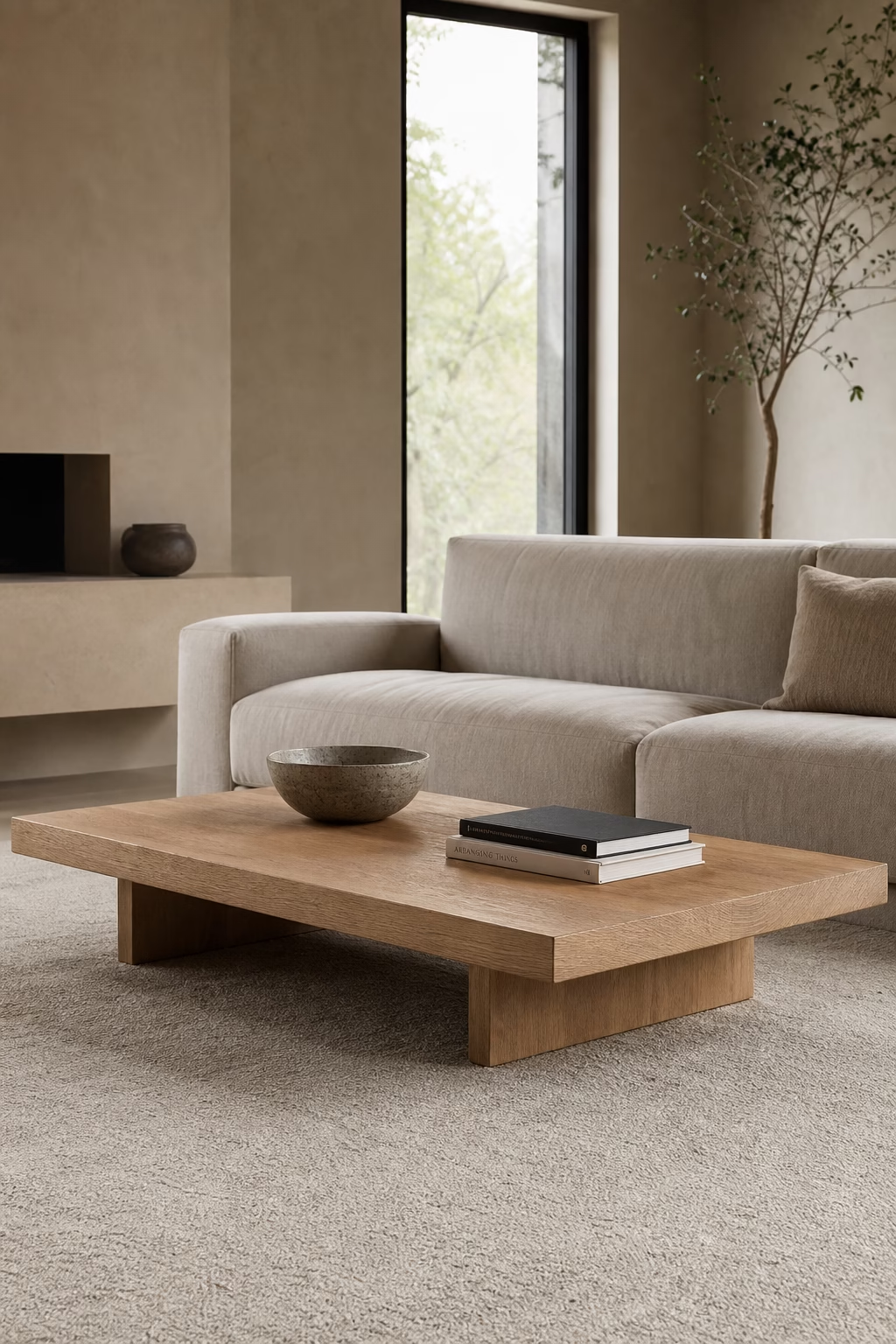
A coffee table can either clarify a minimalist room or make it look staged. Choose a low, simple shape that leaves enough visual space above it and enough walking space around it. Oak, stone, blackened wood, or quiet metal can all work if the form is strong and the scale is right. Style it with restraint: one bowl, a small stack of books, or a tray for daily objects. Leave most of the surface open so it can serve real life. The table should support the room's rhythm, not demand attention with too many shapes. Rounded corners help in compact layouts.
Give Artwork Enough Breathing Room
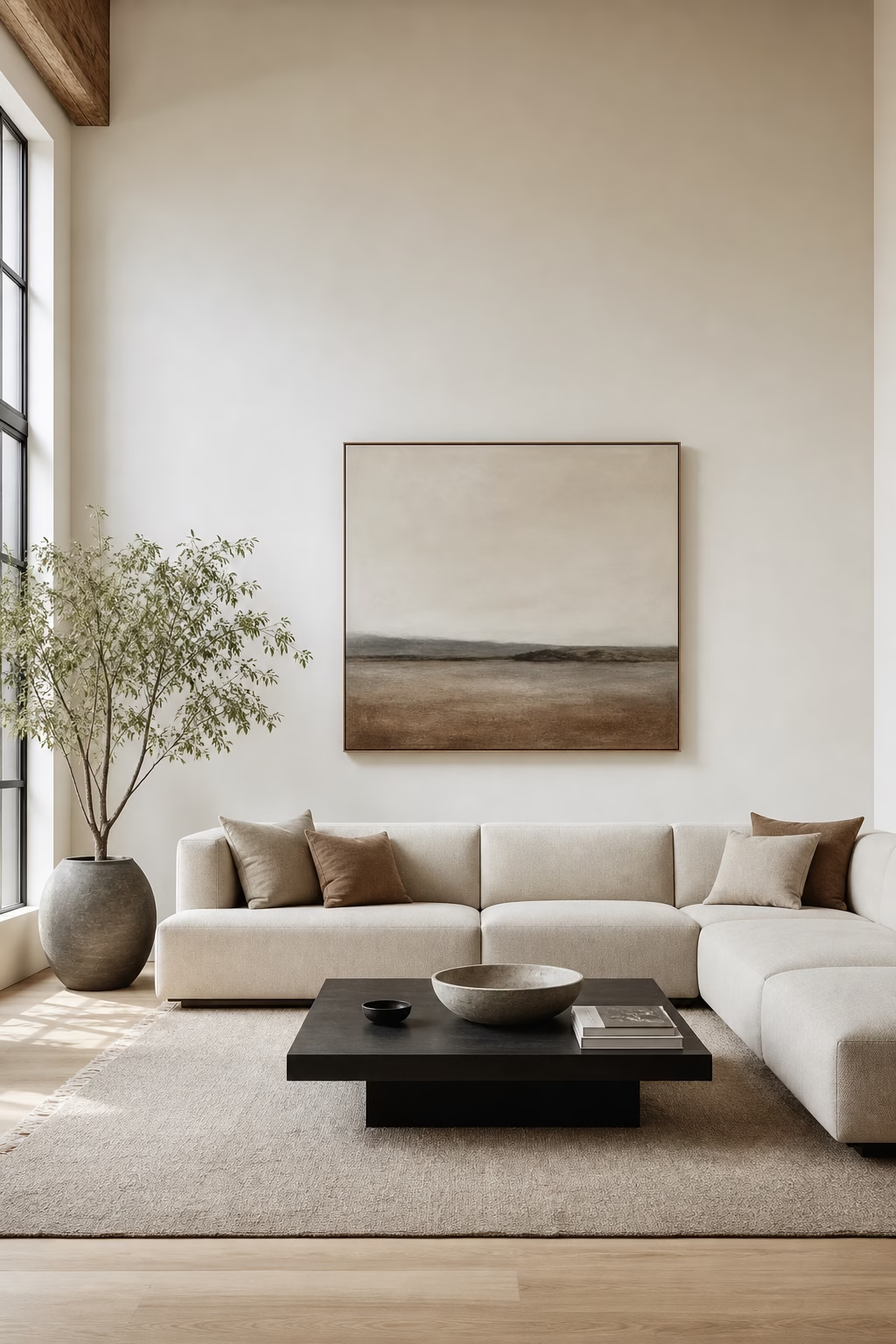
Minimalist artwork works best when it has space around it. Choose one large piece, a calm pair, or a very tight grouping rather than scattering frames across every wall. Hang art at a comfortable height and let the surrounding wall remain visible. The colors should connect to the room's palette without disappearing completely. A textured abstract, quiet landscape, charcoal drawing, or framed textile can add depth while preserving calm. Resist the urge to fill every blank area. In a clean living room, negative space is not unfinished; it is part of the composition that lets the art and furniture breathe.
Simplify Lighting Without Flattening the Room
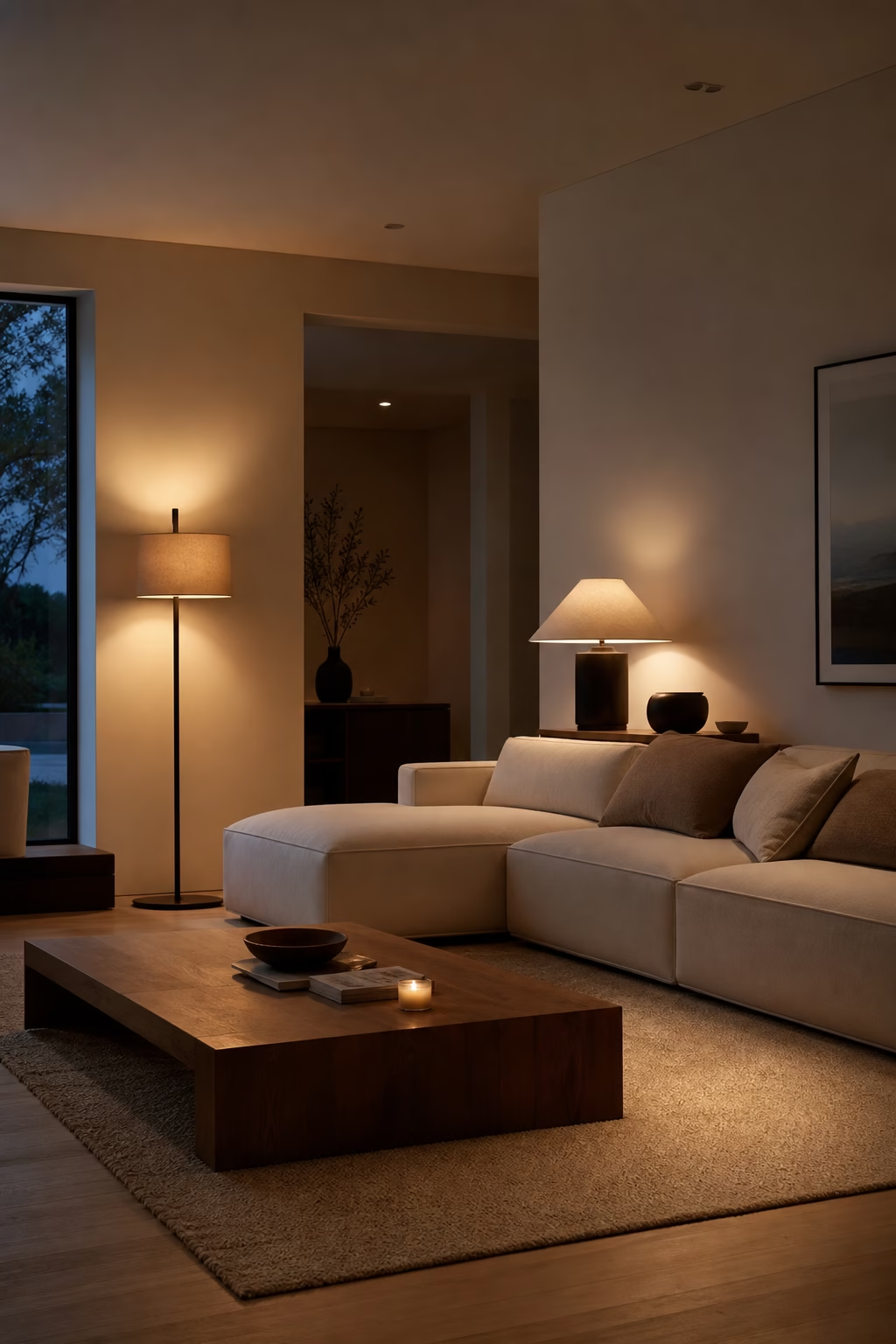
Minimalist lighting should be simple, but it cannot be an afterthought. One overhead fixture rarely gives a living room enough mood or depth. Use a sculptural floor lamp, a quiet table lamp, or discreet wall light to create layers without cluttering surfaces. Warm bulbs and dimmers help the room shift from bright daytime use to a softer evening setting. Keep cords hidden and choose fixtures with clean profiles, but avoid light that feels harsh or clinical. A calm room still needs shadow, glow, and direction. Good lighting makes the few materials in the space look richer. Place switches where routines happen.
Add One Natural Element With Presence
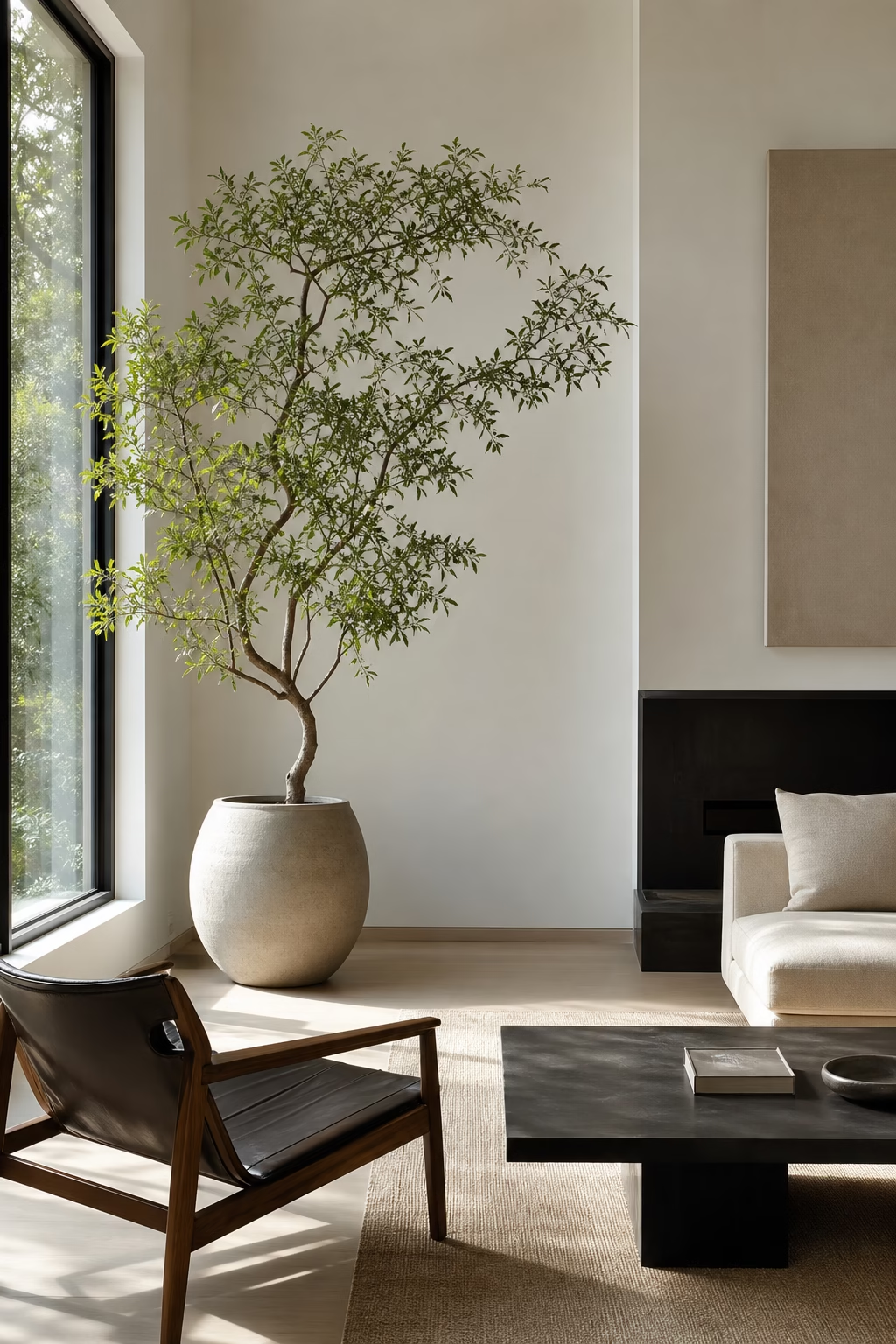
A single natural element can do more for a minimalist living room than several decorative accents. Choose an indoor tree, a sculptural branch arrangement, or one substantial plant that gives the room height and movement. Place it where the light is realistic and where it will not interrupt the walking path. The planter should be simple enough to belong with the architecture: ceramic, stone, terracotta, or fiber in a quiet tone. Avoid scattering many small pots across shelves unless they are edited carefully. One strong living shape softens straight lines and connects the room to the view outside. Leave room for growth.
Leave Negative Space on Purpose
Negative space is the detail that makes minimalism feel deliberate. Leave some wall, floor, shelf, and tabletop areas empty so the room has pauses between objects. This does not mean the space should feel bare. The furniture must be comfortable, the materials warm, and the storage practical enough to support daily life. Step back and look for places where the eye can rest: a plain wall beside artwork, an open rug edge, a clean console top, or a quiet corner near a window. When empty space is planned, the living room feels calm rather than unfinished. Edit again after living there.