
Begin With Warm White Walls
A neutral bedroom feels cozy when the walls have warmth instead of a flat gallery-white glare. Choose a creamy white, soft ivory, pale mushroom, or limewash-inspired finish that changes gently from morning to evening. This kind of background lets bedding, wood, and woven textures read with more depth. If the room has little natural light, test samples on several walls before committing, because cool undertones can turn gray quickly. Keep the ceiling close to the same family for a wrapped, restful effect. The goal is a quiet envelope that feels soft before any furniture arrives. It also photographs beautifully because shadows stay gentle across every surface.

Layer Linen Bedding in Close Tones
Layered bedding is where a neutral bedroom earns its comfort. Start with crisp cotton or linen sheets, add a duvet in cream or oatmeal, then fold a quilt or coverlet at the foot in a slightly deeper shade. The colors should be close, but not identical, so the bed has movement without looking busy. Linen, cotton matelasse, and washed percale all bring different textures to the same palette. Keep pillows edited: sleeping pillows, two or three larger shams, and one lumbar pillow are usually enough. A tonal bed looks refined when every layer feels touchable and genuinely useful. That small tonal shift makes the whole bed look richer in natural light.

Choose an Upholstered Bed for Softness
An upholstered bed immediately softens a modern bedroom, especially when the rest of the room includes wood, stone, or clean-lined storage. Look for linen, boucle, wool blend, or performance fabric in warm ivory, greige, or pale taupe. A simple panel headboard feels calm, while channel tufting or a curved silhouette can add a little architecture. Keep the proportions generous enough for reading in bed, but avoid overly bulky wings in a small room. The upholstery becomes a quiet acoustic layer as well as a visual one, making the whole retreat feel more hushed and comfortable. The effect is tailored, but still relaxed enough for daily use.

Ground the Room With a Wool Rug
A wool rug gives a neutral bedroom the grounded feeling that paint and bedding cannot create alone. Choose a size that extends well beyond both sides of the bed so the first step of the day lands on softness. Low-contrast patterns, heathered wool, subtle stripes, or a hand-knotted texture work beautifully because they add detail without breaking the calm. Avoid a rug so small it floats under only the lower bed frame; that makes the room feel unfinished. A generous rug also absorbs sound, which is one of the hidden reasons serene bedrooms feel expensive. It also visually connects nightstands, benches, and chairs into one calm zone.

Use Pale Oak Instead of Stark White Furniture
Pale oak keeps a neutral bedroom warm without adding visual weight. It works especially well for nightstands, dressers, benches, and built-ins because the grain gives the room a natural rhythm. White furniture can feel flat against cream walls, while oak introduces a soft golden note that still reads quiet. Keep the profiles simple and the finish matte so the wood feels current rather than rustic. If you already have painted pieces, add oak through a bench or mirror frame. Repeating the same wood tone two or three times makes the room feel composed without needing a matched set. Those repeated grains keep the palette warm even with very pale fabrics.

Add Full-Height Curtains
Curtains change the architecture of a bedroom as much as they change the light. Hang the rod close to the ceiling and wider than the window so the fabric clears the glass when open. In a neutral retreat, linen, cotton, or wool-blend panels in ivory, oatmeal, or warm gray create vertical softness without asking for attention. Let them kiss the floor or break slightly if the fabric hangs beautifully. Full-height curtains make windows feel larger, soften hard corners, and filter daylight across the bed. Even a simple room feels more finished when the window treatment has proper scale. The fabric movement adds dimension without needing a strong print or color.

Place a Bench at the Foot of the Bed
A bench gives the bedroom a practical landing place while making the bed wall feel complete. Choose a woven, upholstered, or pale wood bench that is narrower than the mattress so it does not crowd the room. It can hold a folded throw, tomorrow's clothes, or a tray when morning coffee arrives, but it should not become permanent storage for clutter. In a neutral bedroom, texture matters more than color: bouclé, cane, oak, linen, or leather can each bring a different kind of warmth. Leave enough clearance around it so the room still feels easy to move through. That extra surface also helps the room function neatly during busy mornings.

Mix Boucle With Smoother Fabrics
Boucle can make a neutral bedroom feel plush, but it works best in small, controlled doses. Use it on an accent chair, bench, pillow, or ottoman, then balance it with smoother linen, cotton, wool, and wood. Too much nubby texture can make the room feel visually heavy. The contrast between boucle and cleaner fabrics is what gives the palette sophistication. A cream boucle chair in a reading corner, for example, can soften the room without turning every surface into the same texture. Keep the shade warm and natural so it belongs to the rest of the bedroom. Seen beside smoother fabrics, the nubby surface feels deliberate rather than trendy.

Style Nightstands With Fewer Better Pieces
Neutral bedrooms lose their calm quickly when nightstands collect too many small objects. Keep each surface edited to a lamp, a small dish, a book, and perhaps one vessel or branch. Storage matters, so choose nightstands with at least one drawer for chargers, lip balm, sleep masks, and medication. The visible pieces should have weight: ceramic, linen shade, stone tray, or warm wood. Symmetry can be beautiful, but the two sides do not need to be identical if their height and mood relate. A clean nightstand makes bedtime feel more intentional and keeps the room from slipping into visual noise.

Use Warm Dimmable Bedside Lamps
The right bedside lighting can make a neutral bedroom feel warm rather than washed out. Choose lamps with fabric shades, ceramic bases, wood details, or aged brass stems, and use warm bulbs on dimmers if possible. The shade should sit high enough for reading but not so high that the bulb glares across the room. Matching lamps are classic, while related but different lamps can feel more collected. Avoid cold white bulbs, which flatten cream textiles and make wood look dull. Evening light is when a cozy bedroom proves itself, so give the room more than one soft source. The same light can feel practical for reading and atmospheric before sleep.

Bring in a Textured Throw
A throw is the easiest way to add depth to a neutral bed without changing the whole scheme. Choose wool, alpaca, cotton waffle, brushed linen, or a chunky knit in a tone slightly darker than the duvet. Fold it cleanly across the foot of the bed for a tailored look, or drape it over one corner if the room needs ease. The texture should be visible from the doorway, but the color should stay quiet. This small layer gives the bed a finished quality and makes the retreat feel ready for slow mornings, reading, or an early night. A folded edge keeps the layer looking intentional rather than forgotten.

Layer Natural Fiber Window Shades
Natural fiber shades bring texture to a neutral bedroom while keeping the window treatment practical. Woven wood, bamboo, or grasscloth-style shades filter light in a way that feels warmer than a plain roller blind. They work especially well behind linen curtains because the two layers give privacy, softness, and depth. Choose a weave that relates to the room's wood tones rather than one that turns orange in daylight. The shade should sit neatly inside or just above the window frame, with cords or controls handled discreetly. This detail makes the room feel more finished even when the curtains are open.

Add a Single Sculptural Chair
If the room has an empty corner, a sculptural chair can make the bedroom feel more complete without adding clutter. Choose a low lounge chair, rounded slipper chair, or small upholstered armchair in a quiet fabric. It should be comfortable enough to use, not just pretty enough to photograph. Pair it with a small side table or floor lamp only if the space allows. In a neutral bedroom, the chair can introduce a curved silhouette that balances the straight lines of the bed and dresser. The result is a retreat with another way to pause, not just a place to sleep.
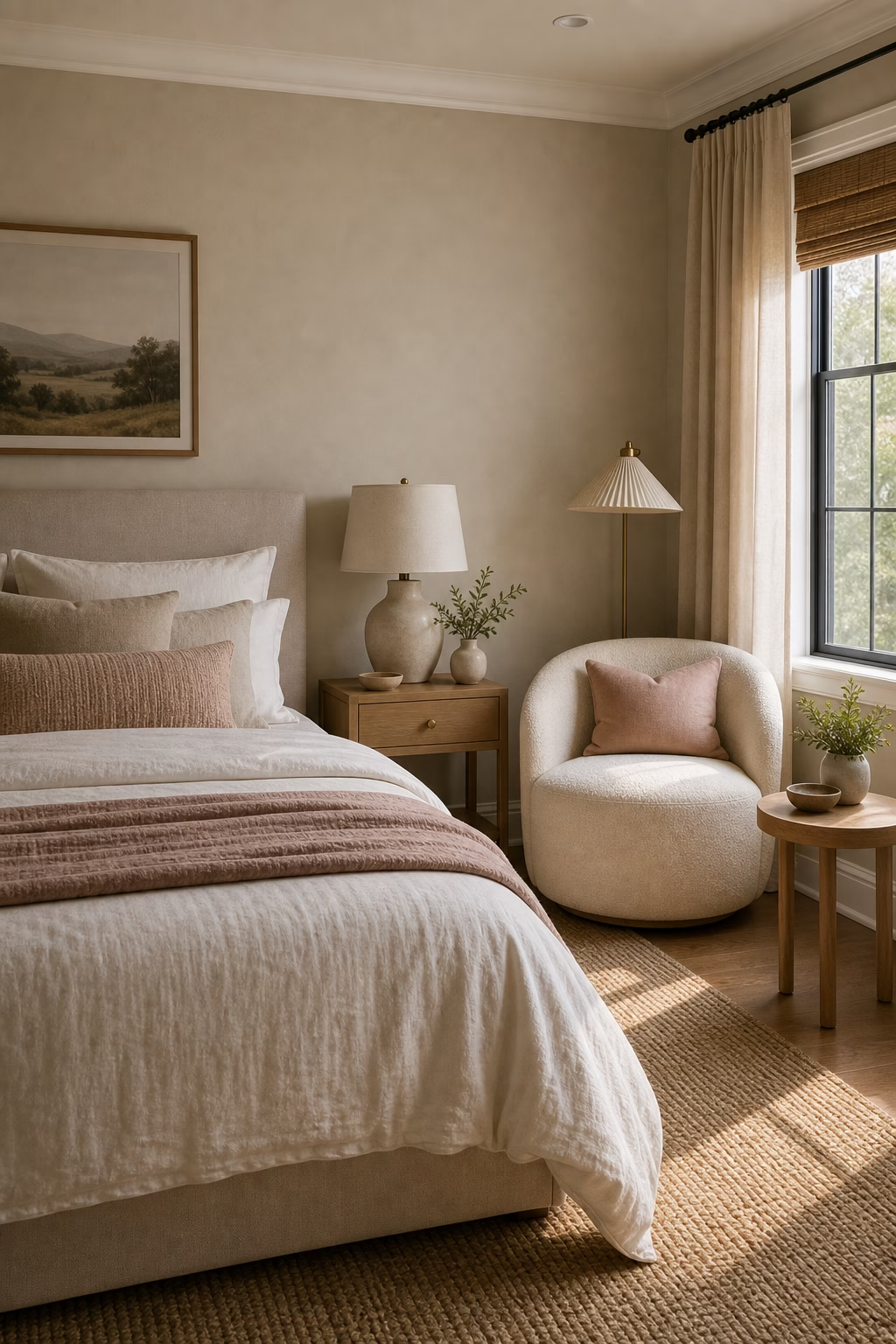
Keep Art Large and Tonal
Tonal artwork gives a neutral bedroom a focal point without disturbing the quiet mood. One larger piece above the bed, dresser, or bench often feels calmer than many small frames. Look for soft abstracts, landscape-inspired washes, charcoal drawings, or textured canvases in ivory, taupe, clay, stone, and muted brown. The frame should feel natural: oak, walnut, slim bronze, or linen-wrapped. Scale is important because tiny art can make the wall feel unfinished. A generous piece of restrained art gives the room atmosphere while letting the textiles and light stay central. The bedroom stays quiet, but the wall no longer feels unresolved.

Use a Softly Patterned Quilt
Pattern can belong in a serene neutral bedroom when it is quiet and tactile. A softly patterned quilt, block print coverlet, stitched matelasse, or subtle stripe brings movement to the bed without becoming the room's main event. Keep the colors within the same warm family as the sheets and duvet, then let stitching or weave create the detail. This is especially helpful if the bedroom has plain walls and simple furniture. The pattern gives the bed depth from close range while still reading calm from the doorway. It also makes the room feel collected over time. The stitched surface also makes freshly made bedding look less rigid.

Choose Stone or Ceramic Accessories
Small accessories can make or break a neutral room. Instead of shiny fillers, choose stone, ceramic, plaster, travertine, or matte clay pieces that add quiet substance. A ceramic lamp, stone tray, handmade vase, or plaster bowl can bring depth without adding strong color. Keep the grouping simple and leave space around each object so the surface still breathes. These materials work because they have natural variation, which prevents a beige palette from looking manufactured. The pieces should feel useful or sculptural, not like decoration placed only to occupy an empty spot. Those matte surfaces add depth without pulling the room away from rest.

Create a Calm Dresser Moment
A dresser often becomes a drop zone, but in a serene bedroom it should feel like a composed piece of furniture. Start with a mirror or artwork above it, then add a lamp or vessel on one side and a tray for daily pieces on the other. Keep perfume, jewelry, and small objects grouped rather than scattered. If the dresser is wood, let the grain show by avoiding too many objects across the top. A low bowl, folded textile, or small branch arrangement can be enough. The surface should support real life while still giving the room a polished pause.

Try a Taupe Accent Wall
A taupe accent wall can add depth when the rest of the bedroom feels too pale. Choose a soft mushroom, warm greige, or clay-taupe rather than a cool gray-brown. The wall behind the bed is the natural place because it frames the headboard and makes layered bedding stand out. Keep the finish matte so it absorbs light gently. If paint feels too flat, consider limewash or a plaster-like texture for movement. The key is restraint: the accent wall should deepen the retreat, not create harsh contrast. Repeat the tone once in a pillow, throw, or artwork detail. It is a quiet way to add contrast while preserving the retreat mood.

Install Subtle Wall Sconces
Wall sconces free up nightstand space and give a neutral bedroom a more tailored feel. Choose fabric shades, plaster cones, aged brass arms, or simple ceramic forms that blend with the room's materials. Swing-arm sconces are practical for reading, while fixed shades look quieter and more architectural. Mount them at a height that works from bed, not just at a visually pleasing point on the wall. If hardwiring is not possible, well-made plug-in sconces can still look polished when cords are managed cleanly. The extra layer of light makes the bedroom feel designed after sunset. They also make the bed wall feel complete without oversized table lamps.

Use Woven Storage That Looks Intentional
Storage can stay visible in a neutral bedroom when the materials feel considered. Woven lidded baskets, cane-front cabinets, seagrass hampers, and fabric bins bring texture while hiding the practical things that interrupt calm. Place them under a bench, inside open shelving, or near the closet where they support a real routine. Avoid too many different weaves in one room; repetition makes storage look designed rather than improvised. The best pieces have clean shapes and enough structure to hold their form. They add warmth while keeping extra blankets, laundry, and accessories out of sight. The repeated weave gives practical storage the same calm language as decor.

Add Greenery With a Quiet Shape
Greenery can refresh a neutral bedroom, but it should be chosen with the same restraint as the furniture. One olive tree, rubber plant, ficus, or simple branch arrangement often looks better than many small pots. Place it where the plant can receive appropriate light and where the silhouette adds height without blocking a pathway. Use a ceramic, fiber, or stone-colored planter that relates to the palette. Green is technically a color, but in a bedroom it can read as a natural material when used sparingly. It brings life to warm neutrals without turning the room into a theme. A little breathing room around the planter keeps the shape sculptural.

Keep the Ceiling Soft and Simple
A bedroom ceiling does not need drama to matter. Paint it the same warm white as the walls, a half-step lighter, or a whisper of the wall's taupe undertone so the room feels wrapped rather than capped. A simple linen drum shade, paper lantern, or low-profile plaster fixture can continue the softness overhead. Avoid harsh downlights directly over the bed if possible; they flatten the atmosphere and make the room feel less restful. The ceiling should support the retreat quietly, especially when you are lying down. This small decision can make a standard room feel more considered. Viewed from bed, the overhead plane should feel calm and resolved.

Make Mirrors Feel Architectural
Mirrors are useful in a bedroom, but they should reflect something calm. Place a full-length mirror where it catches daylight, curtains, or a quiet wall rather than laundry or open storage. A rounded wood frame, slim bronze edge, or built-in closet mirror can add depth without sparkle. If the room is small, a larger mirror can visually extend the space, but it needs to be securely anchored and scaled to nearby furniture. Treat it as part of the architecture rather than an accessory. The right reflection makes the neutral palette brighter and more layered. The frame becomes another material layer instead of a shiny interruption.

Use Black Only as a Fine Line
A little black can sharpen a neutral bedroom, but too much can break the softness. Use it as a fine line in curtain rods, picture frames, lamp details, or a slim metal bench base. The contrast helps cream, taupe, and oak feel intentional instead of washed together. Keep the black elements thin and repeated lightly across the room so they look deliberate. If the palette is very warm, dark bronze or charcoal may be gentler than true black. This restrained edge is especially useful in modern rooms, where neutral decor can otherwise become too sleepy. Those fine dark notes make the surrounding neutrals feel cleaner and warmer.

Finish With Scent and Texture
A serene bedroom is experienced through more than the view from the doorway. Add a quiet candle, cedar sachet, linen spray, or essential oil diffuser only if the scent stays subtle. Pair that with textures you actually touch: a wool rug underfoot, linen sheets, a smooth stone tray, and a soft throw within reach. These details should feel personal and low-key, not staged. The room becomes restful because every surface supports the same mood. When scent, light, and texture align, neutral decor stops being a color scheme and becomes a daily ritual. The sensory layer is subtle, but it changes how the room feels at night.
