Start With a Warm Architectural Envelope
Organic modern rooms work best when the background feels warm before the furniture arrives. Instead of a stark white shell, choose limewash, warm white plaster, pale greige, or a soft mushroom neutral that changes gently with daylight. This gives the room depth without making it busy. If the architecture is plain, add interest through thick baseboards, quiet wall paneling, or a plaster fireplace surround rather than decorative trim. The goal is a calm envelope that makes natural materials feel at home. In 2026, the most convincing spaces look edited but not empty, with walls that feel touched by hand. The result is quiet, but the room gains a sense of intention immediately.

Choose a Curved Sofa With Real Comfort
A curved sofa instantly softens a modern living room, but it should still feel generous enough for everyday use. Look for a piece with a low, sculptural back, deep cushions, and upholstery in linen, bouclé, wool blend, or performance cotton. Avoid shapes that look beautiful only from a showroom angle; the sofa needs to support conversation, reading, and relaxed evenings. A gentle curve works especially well when paired with a round coffee table or an irregular stone piece. Leave breathing room behind it if possible. The negative space helps the curve read as architecture rather than simply another large object.

Anchor the Room With a Textured Wool Rug
The rug is where organic modern style becomes tactile. A flat, thin rug can make the room feel unfinished, while a textured wool piece gives the seating area weight and softness. Choose undyed wool, heathered taupe, warm ivory, or a subtle strie rather than a high-contrast pattern. The size matters: all front legs should sit comfortably on the rug, and in a larger room the entire seating group can float on it. Texture should come from the weave, not from visual noise. A beautiful rug lets simple furniture feel layered, grounded, and quietly expensive. That balance is what keeps the space elegant instead of merely trendy.

Use Stone as a Quiet Focal Point
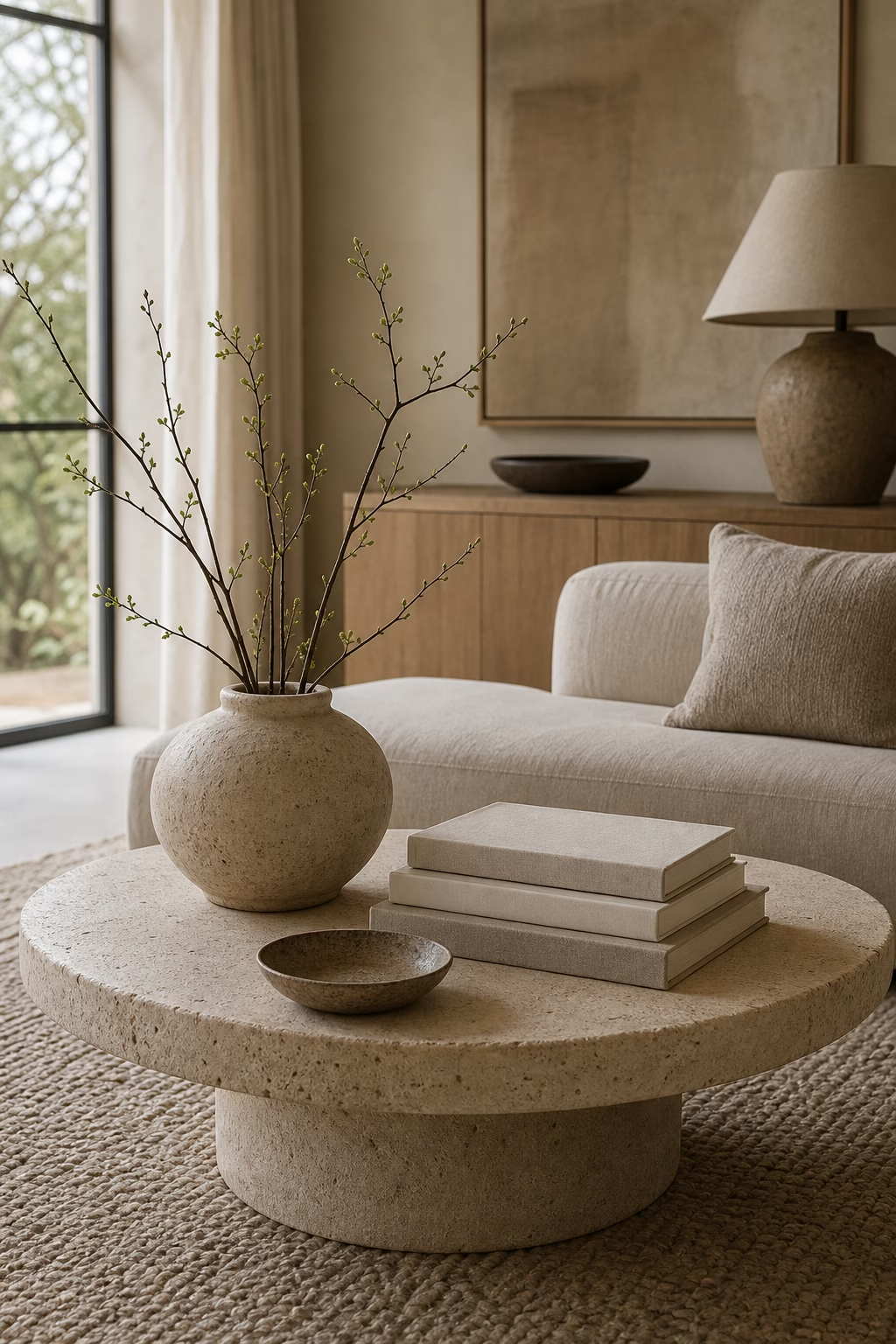
Stone gives an organic modern living room the sense of permanence that soft upholstery cannot provide. It might be a low travertine coffee table, a limestone fireplace, a marble side table, or a honed stone plinth beneath a sculpture. Keep the finish matte or honed so it feels natural rather than glossy. The best stone pieces have softened edges and visible mineral movement, which makes them feel calm but not flat. Pair them with oak, linen, and wool to prevent the room from becoming cold. One strong stone moment is usually more elegant than scattering small stone accessories everywhere. It also gives the eye a softer place to land between larger furniture pieces.

Let Oak Add Structure Without Heaviness
Oak is the backbone of many organic modern rooms because it brings warmth, grain, and structure without feeling ornate. Use it for built-ins, a media wall, side tables, ceiling beams, or a simple console behind the sofa. White oak and pale smoked oak feel particularly current for 2026, especially with creamy walls and stone. Keep profiles clean, but avoid ultra-thin pieces that feel disposable. The wood should look substantial enough to belong to the architecture. When oak repeats in two or three places, the room feels coherent without needing a matched furniture set. Used this way, the material feels considered rather than decorative for its own sake.

Layer Low and High Lighting
A living room oasis needs lighting that shifts from morning brightness to evening softness. Combine a sculptural floor lamp, table lamps with linen shades, dimmable overhead lighting, and a small accent light for shelves or artwork. Avoid relying on one ceiling fixture, which flattens every texture in the room. Organic modern lighting should feel architectural and tactile: ceramic bases, paper shades, aged brass, plaster sconces, or darkened bronze. In 2026, the strongest rooms use warm dimming so the palette stays flattering after sunset. Light should wash across walls, skim stone, and make fabric texture visible. This is how a neutral palette starts to feel architectural instead of plain.

Mix Linen, Boucle, Wool, and Leather
Organic modern design depends on texture, but the mix should feel controlled. Start with linen or performance linen on the sofa, add a bouclé chair for softness, bring in wool through the rug or pillows, and use leather sparingly for warmth and polish. Keep the palette close so the materials do the work. A camel leather ottoman or saddle-toned lounge chair can stop a pale room from feeling too delicate. The important thing is contrast in touch: nubby, smooth, matte, and gently worn. When the materials are varied, a neutral living room feels rich instead of repetitive. The evening effect is especially important because living rooms are rarely used only in daylight.

Keep the Coffee Table Low and Sculptural
A low coffee table makes the seating area feel relaxed and grounded, especially when the surrounding furniture has soft curves. Choose a shape with presence: rounded timber, travertine slab, plastered oval, or a thick drum form. The table should be large enough to serve the sofa but not so wide that movement becomes awkward. Style it with restraint: one vessel, a stack of books without visible covers, a small tray, and perhaps a branch. The shape matters more than the accessories. In an organic modern room, the coffee table should feel like a quiet landscape in the center. That small contrast keeps the room tactile, comfortable, and visually alive.
Create a Media Wall That Disappears
A television can live in an organic modern room, but it should not dominate the entire atmosphere. Build it into pale oak cabinetry, place it against a dark plaster panel, or surround it with shelves that hold ceramics, books, and closed storage. Keep cables hidden and avoid glossy black media furniture. The most successful media walls make the screen feel like one element in a larger composition. Doors, fluted wood panels, or sliding art can conceal the television when needed, but even an exposed screen feels calmer when the wall around it has warmth and proportion. It should feel substantial enough to anchor the room without interrupting circulation.
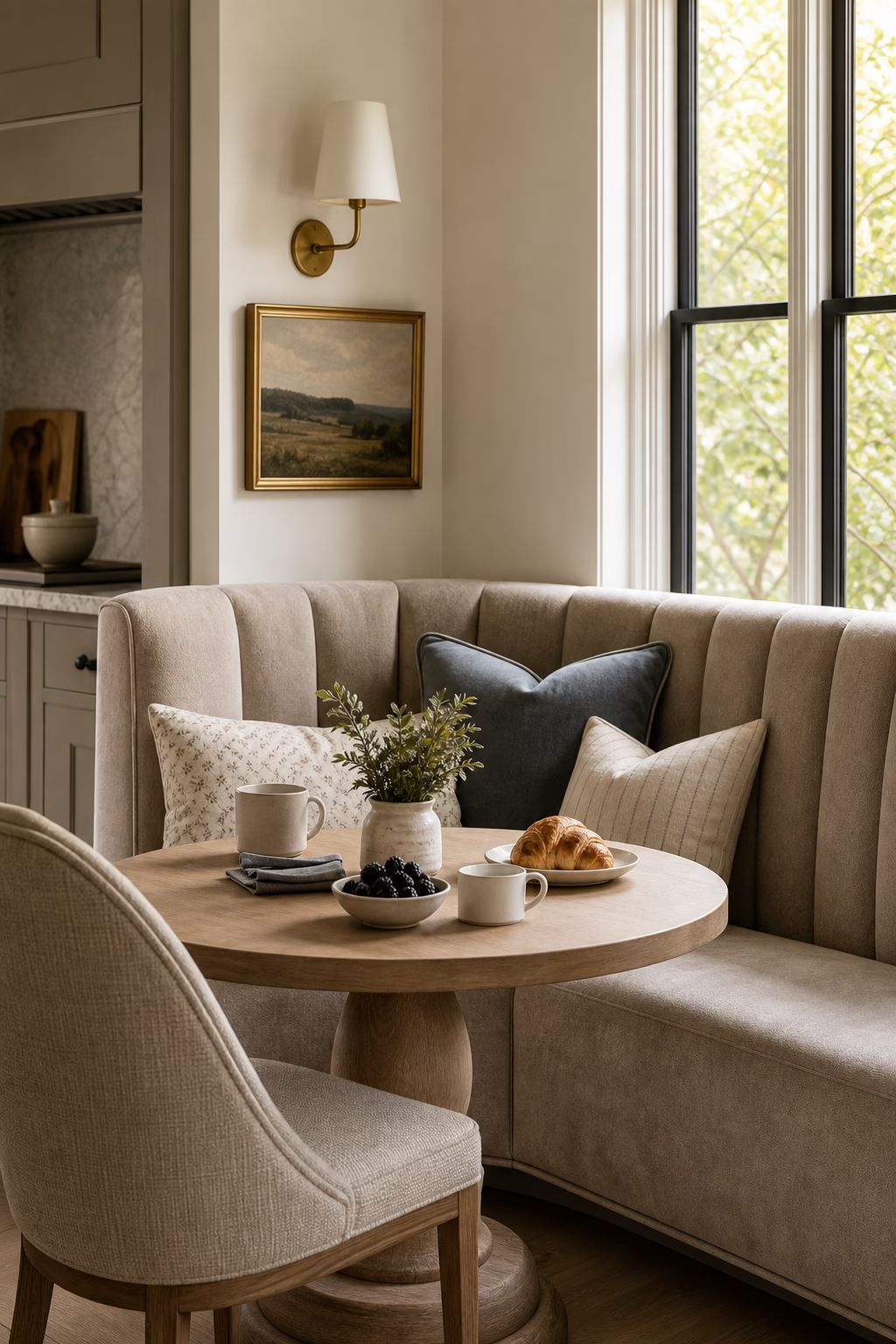
Bring in Greenery With Architectural Shapes
Greenery should feel intentional, not like a last-minute plant purchase. Choose sculptural forms that suit the room's scale: an olive tree near a window, a rubber plant beside a console, or a simple branch arrangement in a large ceramic vessel. Avoid crowding every corner with small pots. One substantial plant can do more for an organic modern living room than many little ones, because it brings vertical movement and a living silhouette. Use planters in clay, stone, fiber cement, or quiet ceramic. The plant should connect the room to nature without turning it into a conservatory. The finished wall should support daily life while staying visually calm.

Use Art With Earthy Restraint
Art in an organic modern living room should add atmosphere without fighting the materials. Consider abstract works in charcoal, clay, ivory, umber, or muted olive, or choose a quiet landscape with broad tonal movement. Large scale is often better than a busy gallery wall, because it keeps the room calm and gives the eye a place to rest. Frames should feel natural: oak, walnut, thin bronze, or simple linen mats. The art does not need to match the sofa, but it should belong to the same emotional register. Think depth, not decoration. A little negative space around the planter makes the greenery feel more sculptural.

Add One Handcrafted Ceramic Moment
Handcrafted ceramics bring the human quality that keeps organic modern rooms from feeling overly composed. A single oversized vessel on a console, a low bowl on the coffee table, or a pair of irregular lamps can add subtle asymmetry. Choose pieces with visible clay texture, imperfect glaze, or softly uneven rims. The object should feel substantial, not like filler. In a pale room, darker clay can add grounding; in a deeper room, chalky white ceramic can lift the palette. The point is not to collect many accessories, but to let one handmade object carry presence. This approach lets the artwork deepen the room without overwhelming the seating.

Soften Corners With Rounded Accent Chairs
Accent chairs are a good place to introduce rounded forms without committing to a dramatic sofa. Look for barrel chairs, slipper chairs with curved backs, or low lounge chairs with softened arms. They should invite conversation, so angle them slightly toward the sofa rather than lining everything against walls. Upholstery can be bouclé, wool, linen, or a soft performance weave. If the room already has many pale pieces, choose a slightly deeper oatmeal, mushroom, or clay tone. Rounded chairs make the room feel more generous because the circulation around them becomes fluid and natural. Even one imperfect object can make the whole composition feel more human.

Edit Accessories to Fewer, Larger Pieces
Organic modern styling can lose its sophistication when every surface is filled with small objects. Edit toward fewer, larger pieces with real material presence: a ceramic bowl, stone tray, wooden sculpture, linen-covered books, or a branch in a tall vessel. Leave open space on shelves and tables so each object has room to breathe. This restraint makes the living room feel luxurious without looking staged. If an accessory is only there to fill a gap, remove it. The best rooms in 2026 will look collected slowly, with objects chosen for shape, texture, and silence. The softened silhouette also helps square rooms feel less rigid.

Use Window Treatments That Filter Light
Natural light is essential to the organic modern look, but it needs softness. Sheer linen curtains, woven shades, or ripple-fold drapery can filter glare and add vertical texture. Hang curtains close to the ceiling and wide enough to clear the glass when open, which makes windows feel larger. Avoid heavy, shiny fabrics that make the room formal in the wrong way. The color should sit near the wall tone, perhaps one shade warmer or cooler. When window treatments are quiet, daylight becomes part of the design rather than a harsh interruption. Editing is what makes the remaining objects look chosen, not accumulated.

Make Storage Look Built In
Calm living rooms depend on concealed storage. Instead of freestanding cabinets scattered around the space, use built-ins, long low consoles, or wall-to-wall storage that feels architectural. Doors can be flat oak, painted plaster-toned panels, or subtly reeded fronts. Use open shelves only for the items worth seeing, and let closed storage handle games, remotes, blankets, and charging cords. This is especially important in an oasis-style room because visual clutter breaks the mood quickly. When storage aligns with walls, fireplaces, or windows, it feels designed into the room rather than added afterward. The fabric movement adds softness even when the rest of the room is minimal.

Balance Symmetry With Something Organic
A little symmetry can make a living room feel polished, but too much can make it stiff. Pair matching lamps or chairs with something irregular: a free-form coffee table, a branch arrangement, a handmade vessel, or art that sits slightly off center. This balance is the essence of organic modern design. The room should feel composed, yet still relaxed enough for everyday life. If the seating layout is formal, let the accessories be looser. If the architecture is asymmetrical, use a pair of chairs or lamps to bring order back. Once clutter is hidden, the natural finishes have room to breathe.

Keep the Palette Tonal, Not Flat
A tonal palette is not the same as one color repeated everywhere. Build depth with warm white, oat, stone, mushroom, clay, taupe, pale oak, and a small amount of charcoal or bronze. The shifts can be subtle, but they should be visible. Place lighter tones on large surfaces, medium tones in upholstery and rugs, and deeper notes in lamps, frames, or hardware. This gives the eye movement while preserving calm. In 2026, organic modern rooms feel less like beige boxes and more like layered natural landscapes translated indoors. Texture keeps those close shades from collapsing into sameness. That gentle tension keeps the space polished without making it formal.

Leave Space for Movement and Air
The most overlooked luxury in a living room is space. Organic modern design needs air around furniture so curves, textures, and natural materials can be appreciated. Keep pathways clear, pull seating away from walls when possible, and avoid filling every corner. A room can still feel cozy with fewer pieces if each one has weight and purpose. Measure circulation before buying oversized sofas or tables, especially in open-plan homes. When the layout has breathing room, the whole space feels quieter. That sense of ease is what turns a living room into an oasis. The palette should unfold slowly, like stone, wood, and fabric seen together.

Finish With Scent, Sound, and Touch
A true oasis is more than a photograph. Add the details that make the room feel good in use: a wool throw within reach, a ceramic candle vessel, a quiet speaker tucked into shelving, and materials that feel pleasant under hand. Keep the scent subtle, leaning toward cedar, hinoki, fig leaf, or clean mineral notes rather than anything sugary. Sound matters too; soft textiles, rugs, curtains, and upholstered pieces help absorb echo. These finishing layers are invisible in a floor plan, but they are what make the room feel restorative in daily life. This restraint makes comfort feel luxurious rather than sparse.
