
A warm living room is built through proportion, light, texture, and restraint. It should invite people to sit down without feeling overstuffed or overly decorated. These decor tips focus on practical choices that make a living room softer, more relaxed, and more inviting while keeping the space polished enough for everyday entertaining.
Begin With a Soft, Warm Wall Color
Wall color sets the emotional temperature before furniture enters the room. Instead of stark white or cold gray, consider warm white, bone, mushroom, pale clay, or a gentle greige that reacts well to daylight. Test large samples on different walls because undertones shift across the day. The right shade should make wood, fabric, and art look richer without making the room feel dark. If repainting the full room is not possible, warm up one fireplace wall, built-in, or alcove. A softer background makes every later layer feel more relaxed and intentional, especially under evening lamps. It also gives lamps and artwork a gentler background at night.
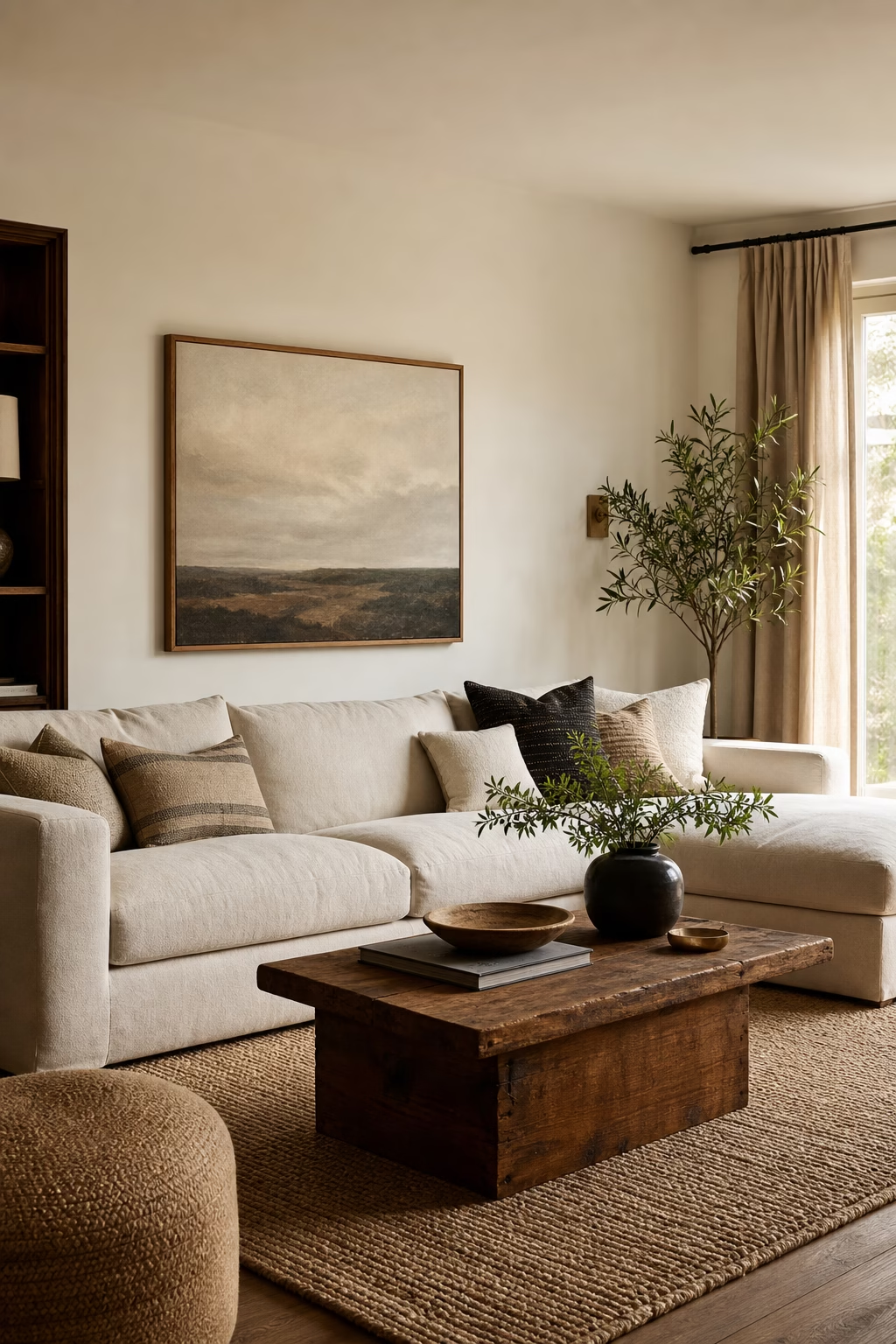
Choose Seating That Encourages Real Comfort
Warmth is not only visual. The seating has to invite a longer sit. Choose a sofa with supportive cushions, enough depth for lounging, and fabric that feels pleasant to touch. Add chairs that turn naturally toward the conversation rather than lining every piece against a wall. If the room is formal, soften it with a relaxed ottoman or a chair in linen, boucle, wool, or weathered leather. Keep proportions generous but not oversized. A living room feels most inviting when the furniture tells guests where to settle without blocking movement through the space or crowding tables. Test the seat height and back support before choosing only by silhouette.

Layer Lighting Instead of Relying on Overhead Fixtures
One overhead fixture rarely creates a relaxing living room. Use layers: a floor lamp near the sofa, a table lamp by a chair, sconces beside shelving, and a dimmable ceiling light only when needed. Warm bulbs make fabric, wood, and art look softer, while dimmers let the room move from daytime activity to evening calm. Avoid exposed bulbs that shine directly into eyes. The best lighting creates pools of glow around the places people actually sit. Once the corners are lit, the whole room feels more spacious and more intimate at the same time after dark. Lampshades in fabric or paper usually flatter warm rooms best.

Anchor the Room With a Properly Sized Rug
A small rug can make a living room feel temporary, even when the furniture is beautiful. Choose a rug large enough to hold the seating group, with at least the front legs of the sofa and chairs resting on it. Wool, flatweave, jute, or a low-pile vintage rug adds texture and reduces echo. The color should connect to the sofa, floor, curtains, and tables so the space reads as one composition. If the room is large, do not be afraid to go bigger. A generous rug makes the room feel grounded, finished, and comfortable underfoot every day. Use a rug pad so the edges stay flat and safe.

Add Natural Wood Where the Eye Lands
Wood brings instant warmth because it adds grain, variation, and a sense of age. Use it where the eye naturally lands: a coffee table, side table, shelving, chair arms, picture frames, or a low cabinet. The finish should feel matte or satin rather than glossy, so the grain remains visible. Repeat the tone at least twice to make it feel deliberate. Pale oak can brighten a compact room, while walnut or darker reclaimed wood adds depth. Wood works best when paired with soft fabric and stone, not when every surface tries to match exactly. Let one wood tone lead, then vary the supporting pieces slightly.
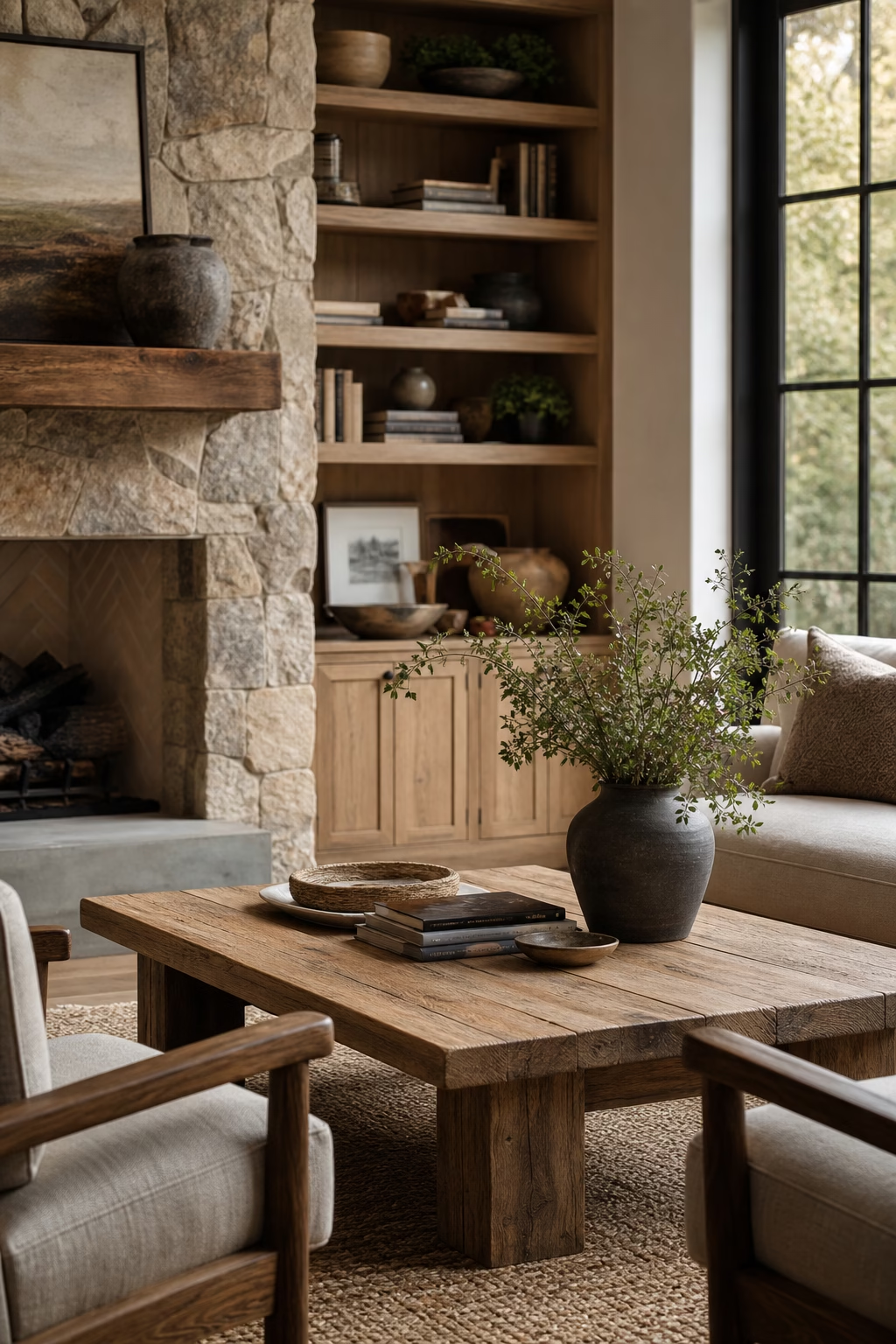
Use Curtains to Soften the Architecture
Curtains add warmth even when they are open. Hang them close to the ceiling and wide enough that the fabric stacks beyond the glass. This makes windows feel taller and gives hard architecture a softer edge. Linen, cotton, wool blends, and textured sheers are especially useful because they filter light without feeling heavy. Choose a color close to the wall for calm or slightly deeper for contrast. Avoid panels that stop short of the floor unless the architecture requires it. Full, well-hung curtains make the living room feel finished before any smaller styling begins. The added fabric also improves acoustics in rooms with hard floors.
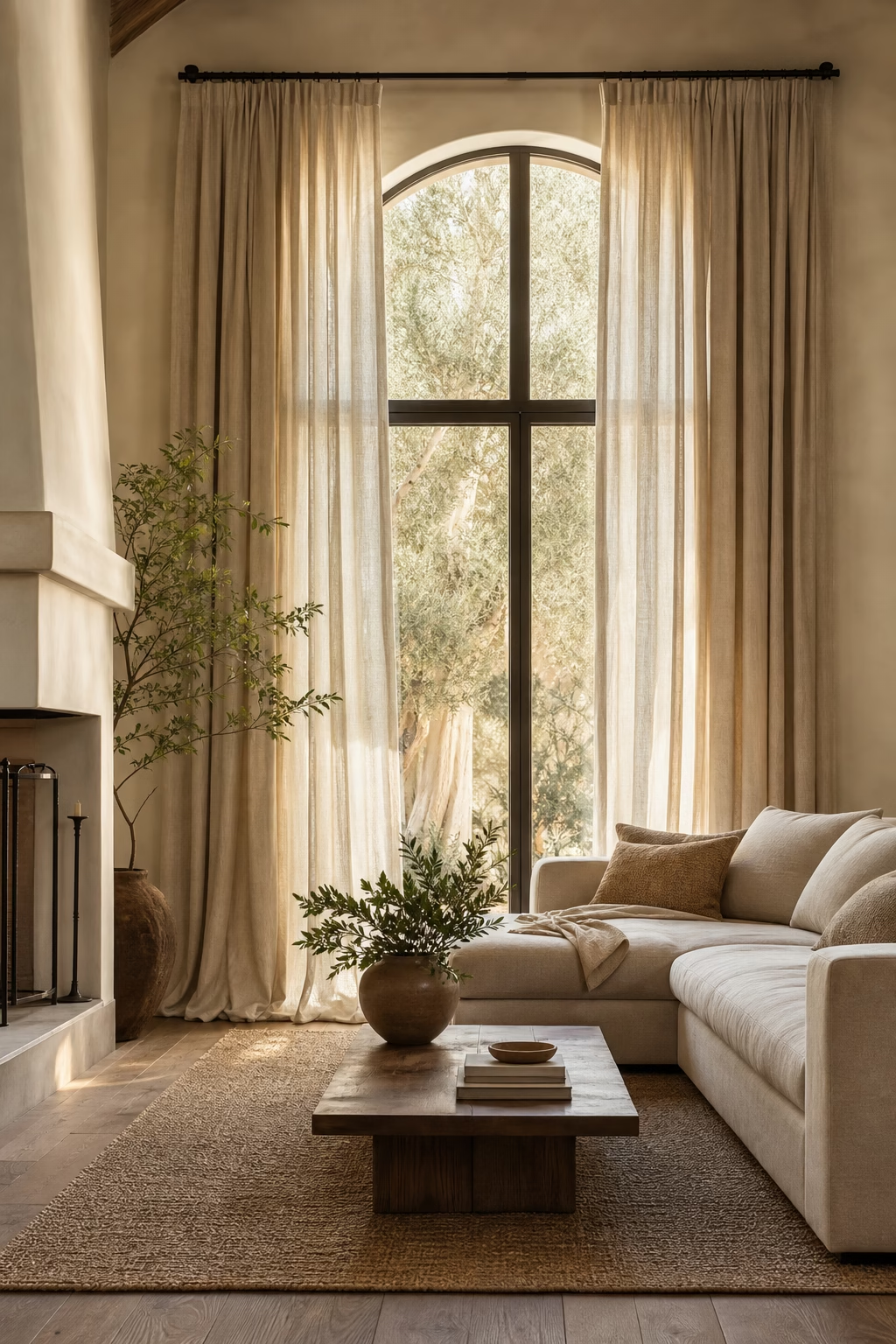
Bring in Texture Before Extra Color
Texture creates warmth without making the room busy. Before adding more color, layer materials that feel different from one another: linen, wool, boucle, velvet, woven fiber, matte ceramics, stone, and wood grain. A room can stay mostly neutral and still feel rich if the textures are varied. Keep the largest textures quiet and use smaller pieces for stronger contrast. For example, a wool rug, linen sofa, ceramic lamp, and woven basket can do more than a dozen small decorative objects. Texture helps the space feel inviting because it suggests touch, softness, and depth. This keeps the palette calm while still giving the eye something to notice.
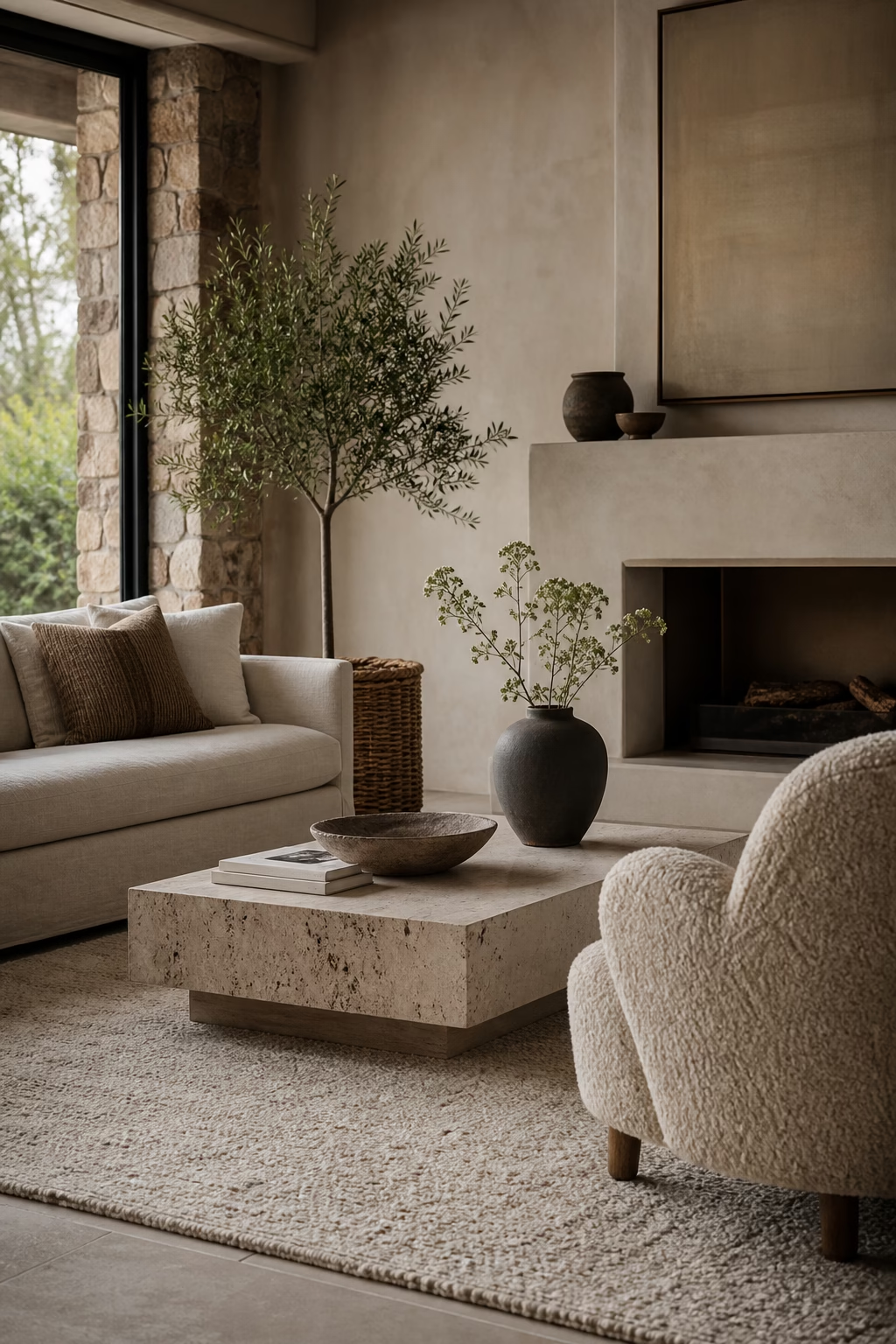
Create a Conversation-Friendly Layout
A warm room is easier to enjoy when the seating encourages conversation. Pull furniture away from the walls if the room allows it, and angle chairs toward the sofa rather than pointing everything at a television. Keep the coffee table close enough for a drink but not so close that knees feel trapped. Side tables should serve the seats that need them. If the living room also has a TV, balance it with art, shelving, or lighting so the screen is not the only focal point. The layout should make gathering feel natural and unforced. Try the arrangement from each doorway before deciding it is finished.
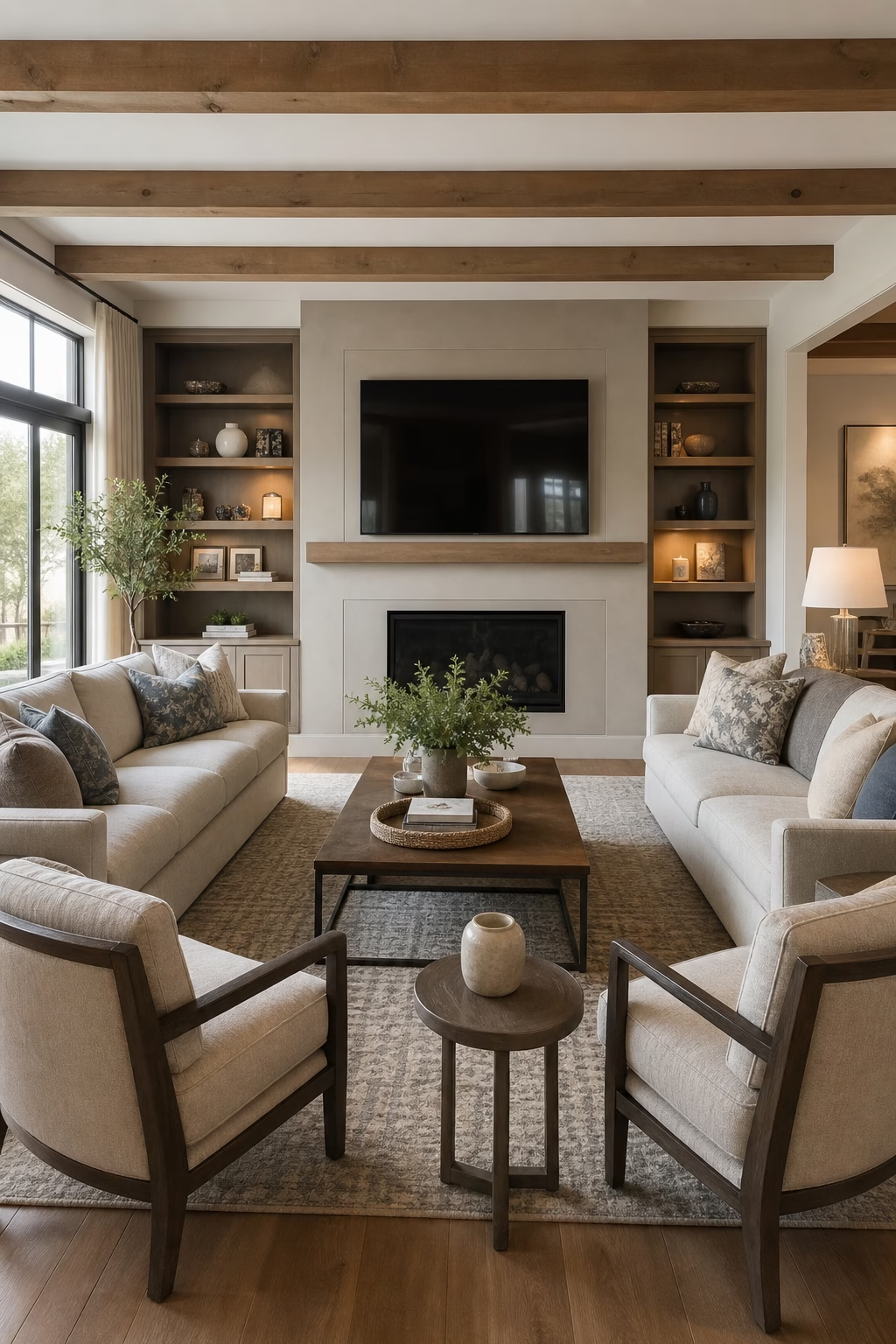
Mix Old and New Pieces
A living room feels warmer when it has a sense of time. Add one vintage or antique piece beside cleaner modern furniture: a wood cabinet, side table, lamp, chair, mirror, or framed textile. The older piece should bring patina or craft, not visual clutter. Keep the surrounding forms simpler so the room still feels current. This mix prevents a space from looking like it was purchased in one afternoon. Even a small vintage stool or aged brass lamp can make new upholstery feel more personal and settled, especially beside modern art. The contrast gives the room character without making it feel overly themed.

Choose Art With Emotional Warmth
Art can warm a living room without adding another blanket or pillow. Look for pieces with depth, texture, or colors that echo the room's materials: clay, olive, rust, cream, charcoal, muted blue, or warm black. One large artwork often feels calmer and more expensive than many small frames fighting for attention. Hang it at a comfortable height and give it space. If the palette is neutral, art can become the place where the room gains personality. The best piece should feel connected to the decor but not matched to it too perfectly. A simple frame keeps the focus on the feeling of the piece.
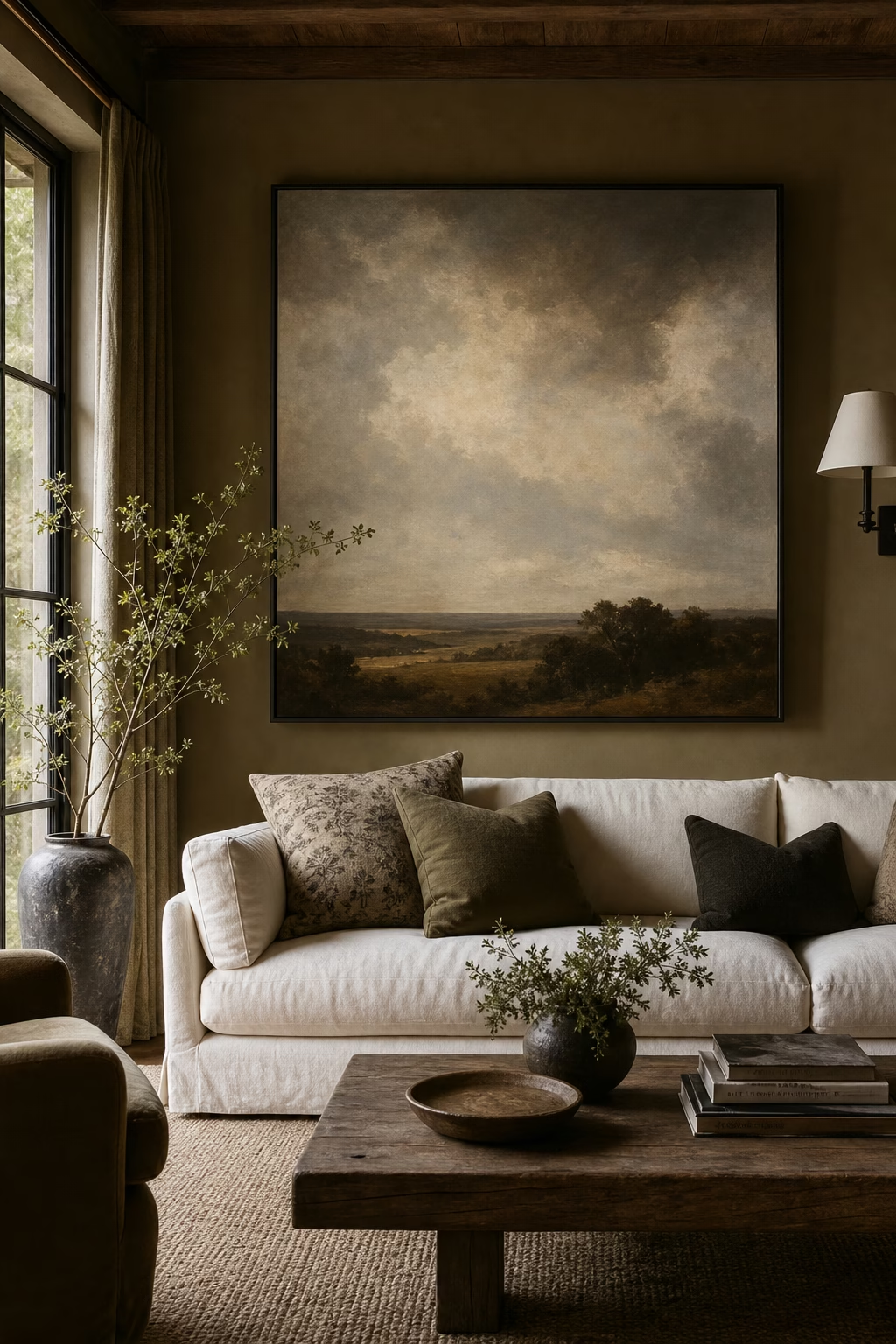
Keep the Coffee Table Useful and Edited
A coffee table should add beauty without getting in the way of daily life. Use a tray, two or three books, a bowl, and one vessel or candle, then leave part of the surface open. Vary the heights slightly, but avoid making a centerpiece that has to be dismantled every evening. The materials can repeat the room's palette: wood, stone, ceramic, glass, or aged metal. A useful coffee table makes the room feel relaxed because it supports real habits. It looks considered, but it still leaves space for a cup, remote, or notebook. Leave enough room for daily use so the styling never feels precious.

Add Plants With Strong Shape
Plants bring life to a warm living room, but the shape matters more than the number of pots. One sculptural indoor tree, olive plant, ficus, rubber plant, or large philodendron can add height and softness without cluttering the floor. Place it where the light is realistic and where leaves do not block movement. The planter should relate to the room, whether ceramic, stone, woven fiber, or simple matte metal. A healthy plant beside a window can make wood, fabric, and art feel fresher, while still keeping the room calm and grown-up. Prune and rotate it regularly so the silhouette stays balanced.

Use Warm Metals in Small Repeated Notes
Warm metals add quiet glow when used with restraint. Aged brass, bronze, and blackened steel can appear in lamp bases, picture frames, table legs, cabinet hardware, or fireplace tools. The key is repetition without excess. Two or three small notes around the room feel intentional; every object in the same finish feels forced. Aged or satin surfaces usually work better than high shine because they sit naturally beside fabric and wood. These small metal details sharpen a soft palette and catch evening light, which helps the room feel inviting after dark. Repeat the finish at different heights so the detail feels intentional.

Make Shelves Feel Collected, Not Packed
Shelves can either warm a living room or make it restless. Start with books in small groups, then add ceramics, framed art, a bowl, and one natural element such as branches or a plant. Leave empty space so each object can be seen. Closed lower storage is useful for remotes, games, cords, and practical items that do not need display. Repeat a few materials, like oak, cream ceramic, black frames, or woven baskets, so the shelves relate to the rest of the room. A collected shelf wall adds personality while preserving calm. Step back often, because shelves need visible breathing room.

Include One Softly Curved Shape
Curves make a living room feel less rigid, especially if the room has rectangular windows, straight shelves, and a boxy sofa. Add one softly curved shape: a rounded chair, oval coffee table, arched mirror, drum stool, or curved lamp. The shape should be useful, not just decorative. Pair it with cleaner lines so the contrast feels elegant. In a small room, a round table can also improve circulation because there are no sharp corners to navigate. A single curve can make the entire seating area feel more relaxed and approachable. It is a small change that can soften the entire room.

Layer Throws and Pillows With Discipline
Throws and pillows are easy warmth, but too many can make a sofa look unusable. Choose a small set with varied texture, scale, and tone. Two to four pillows are often enough for a standard sofa, especially when paired with one substantial throw. Mix linen, wool, velvet, or boucle, but keep the palette connected to the rug, art, or curtains. A throw should look casually placed but not messy, and it should be pleasant enough to use. Discipline matters because softness feels more luxurious when the sofa still has room for people. Store extras nearby instead of piling all of them on the sofa.

Let the Fireplace Stay Simple
If the room has a fireplace, let it provide quiet warmth rather than overdecorating it. A simple mantel with one large artwork, a vessel, branches, or a few books often feels more refined than a crowded row of small objects. Stone, plaster, brick, or painted wood should relate to the room's palette. Keep the hearth clear enough to look intentional and safe. Firewood can add texture if stored neatly. A restrained fireplace gives the living room a calm center, especially at night when lamps and flame create layered, flattering light. The negative space around the mantel helps the fire feel more special.

Hide Visual Noise With Better Storage
Relaxing rooms need places for the less beautiful parts of daily life. Use closed storage for chargers, cords, remotes, toys, games, blankets, and extra media equipment. A low cabinet, woven-front console, built-in drawer, or storage bench can keep the room calm without pretending real life is perfectly edited. Plan cord paths and outlets before styling the TV wall. Keep open baskets for soft items only if they stay tidy. When visual noise disappears, the warm materials in the room become easier to notice. Storage is not separate from decor; it supports the whole mood. Choose hardware and finishes that relate to nearby furniture.

Repeat Colors Across Different Materials
A warm room feels cohesive when colors repeat across different materials instead of matching exactly. A clay tone might appear in a pillow, artwork, and ceramic bowl. Olive could show up in a chair, book spine, and plant. Cream can connect walls, curtains, and upholstery. This repetition creates rhythm without making the room look like a set. Choose two or three main tones, then let texture vary. The result feels layered and personal because the eye keeps finding quiet connections. It is a simple way to make mixed furniture and accessories belong together. This method works especially well when furniture was collected over time.

Use Scent and Sound Subtly
A relaxing living room is experienced through more than sight. Add scent and sound subtly so the atmosphere feels complete without becoming obvious. A candle, diffuser, bowl of cedar, or vase of branches can create a quiet seasonal note. A small speaker can be tucked onto a shelf or media cabinet, but avoid making electronics the visual focus. Keep scented pieces away from food areas and strong enough only when seated nearby. These details should support the room, not announce themselves. When light, texture, scent, and sound work together, the space feels more naturally inviting. Keep both low enough that guests notice comfort before noticing devices.
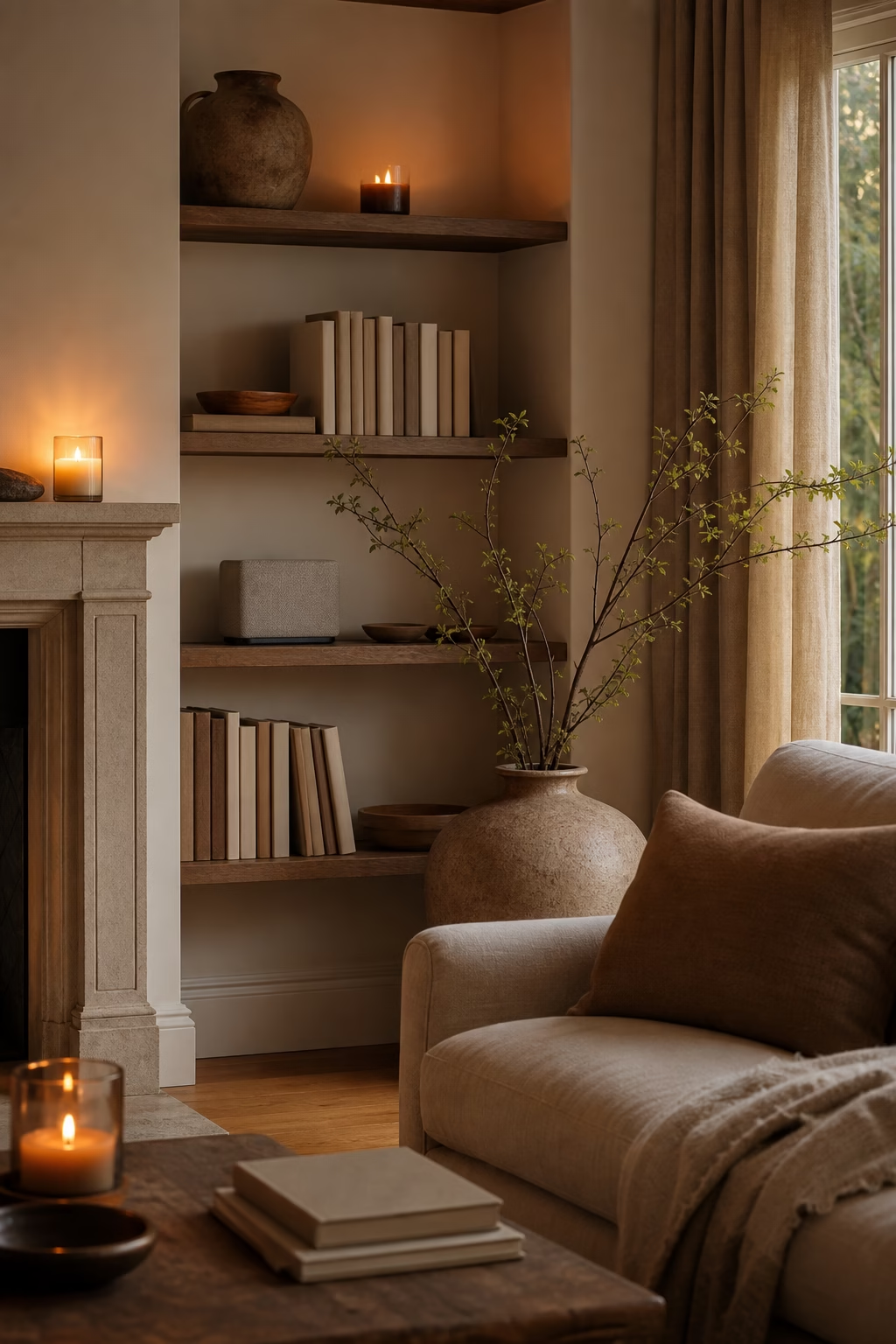
Keep Walkways Clear and Natural
Nothing interrupts a relaxing room faster than awkward circulation. Keep walkways clear between the entry, sofa, chairs, windows, and any doors. Tables should serve the seating without forcing people to sidestep around sharp corners. If the room is small, use round or oval pieces, nesting tables, or a compact ottoman instead of bulky furniture. Clear movement makes the room feel generous, even when the footprint is modest. It also allows curtains, rugs, and lighting to do their work without furniture feeling crammed into place. Warmth depends on ease as much as decoration. The room should feel easy to cross even when people are seated.

Finish With Personal Objects That Earn Their Place
The final layer should make the living room feel like a home rather than a showroom. Choose personal objects that have meaning or material strength: framed photographs, handmade ceramics, travel pieces, inherited books, a carved bowl, or art from a local maker. Avoid filling empty surfaces with generic decor simply because there is space. Give important pieces enough room to be seen, and rotate seasonal objects rather than adding more. Warmth is strongest when the room feels edited and personal at the same time. The details should reward attention without overwhelming the calm. Edit once more after styling so the strongest pieces have space.
